
REVIEW · PRIVATE
10-Day Private Tour of Romania with Pick Up
Romania can feel like ten countries at once. This private 10-day trip strings together Bucharest, Transylvania, and Bukovina with a driver-guide who keeps the days moving and makes the big sights make sense. It is also built around pickup, private transport, and lots of time at the places you actually came for.
I love how the tour mixes huge landmarks with smaller, more human stops, from the Palace of Parliament down to village churches and craft museums. I also like that it is truly private, so you can pause for photos, ask questions, and adjust the pace without fighting crowds.
One thing to plan for: entrance fees are not included, so your ticket costs will add up, especially with multiple castles and fortified monasteries. If you are traveling outside the summer months, you should also keep an eye on seasonal road timing, since the Transfăgărășan Highway is fully open only from June to October.
In This Review
- Key Highlights You’ll Feel Immediately
- Private Pickup and English Guide, Not Just a Ride
- Bucharest in One Big Bite: Parliament, Village Life, and the Revolution
- The Carpathians and Transfăgărășan: Views That Cost Effort
- Hunedoara and Dacian Strongholds: Castles Meet Ancient Strategy
- Transylvania Practical Magic: Salt Mine, Gardens, and Wooden Churches
- Maramureș and the Weight of the 20th Century
- Bukovina’s Painted Monasteries: The Blue Is Real
- Saxon Towns and Brasov: Medieval Walls, Clocks, and Real Cafés
- Dracula Landmarks, Plus the Royal Castle Option
- Price and Value: Is $3,918.13 Fair for 10 Days?
- Should You Book This Private Romania Tour?
- FAQ
- Is pickup included?
- What language is the tour guide?
- Is this tour private?
- Are entrance fees included?
- Are accommodation and meals included?
- Do I get wireless internet during the drive?
- How long is the tour?
- Is there a mobile ticket?
- Can I cancel for a full refund?
Key Highlights You’ll Feel Immediately
- Pickup plus a private car means less stress, more daylight, and smoother transfers between far-flung regions
- English guide, licensed driver-guide with you throughout the trip, not just at one stop
- A high-impact route: Revolution-era Bucharest, Transfăgărășan road views, Saxon fortresses, and painted monasteries
- A classic Romania mix of castles, fortresses, and wooden churches, not just one theme
- Flexibility after starting lets you tweak the daily rhythm when conditions or interests change
Private Pickup and English Guide, Not Just a Ride
What makes a private tour in Romania work well is simple: distances are real, and travel time adds up fast. This one runs on a private car for your group only, and the guide is there with you from the start. If you care about context, this setup matters. You are not just looking at buildings, you are learning why they were built, what changed over time, and how Romanians lived through those changes.
The logistics side is handled too. You get wireless internet in the car, and car costs like gas, parking, and road tolls are covered. That may sound boring, but it affects your day. When you are not estimating tolls or hunting parking rules, you can spend your mental energy on the sights.
The name that comes up most is Nicolas, and the vibe is consistent with what you want from an English-speaking guide. Previous guests describe his knowledge, his company, and his willingness to help with the flow. In practical terms, that usually means faster answers, better timing, and a trip that feels cared for instead of run like a checklist.
Bucharest in One Big Bite: Parliament, Village Life, and the Revolution
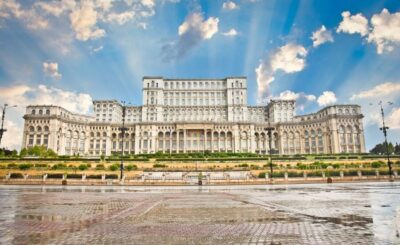
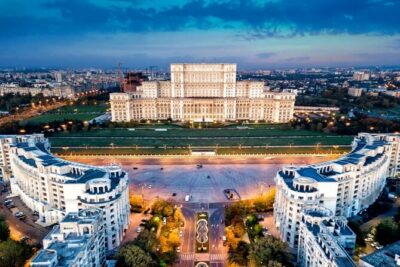
Day 1 is packed, but it is smart packing. You start at the Palace of Parliament (People’s House), one of those places that looks unreal even before you walk close. The scale is the point, and you will feel it. The building is the second-largest administrative structure on the planet after the Pentagon, so even a quick selfie can turn into a minor engineering project.
From there, you shift tone with the Bucharest Village Museum (Dimitrie Gusti National Village Museum). This is a great counterweight to all that concrete grandeur. You get a concentrated view of Romanian traditions in one place, with an emphasis on the modest, practical life of rural communities. It is also one of the better ways to understand how people lived before modern cities pulled everyone into the same rhythm.
Then you go back into culture with the Romanian Athenaeum, a symbol of Bucharest and Romanian culture that sits right on Calea Victoriei. The “European Heritage list” detail is useful here because it hints at why the building is treated like a national landmark, not just a pretty facade.
After that comes Revolution Square, where the story is harder. You will stand near the setting for the December 1989 uprising and learn how the fall of Ceaușescu reshaped the country. This stop works best when your guide gives you the background, because the location makes sense once you know what began here and what it changed.
Finally, you end with Old Town, including Hanul lui Manuc. This fortified inn has a long merchant-history feel, and it sets the stage for the most enjoyable part of Old Town, the slow strolling. I like pairing a guided walk with time to choose your own coffee or dinner instead of keeping you moving every minute.
The private end of Bucharest
The Carpathians and Transfăgărășan: Views That Cost Effort
By Day 2, the trip starts earning its “adventure” reputation. You begin at Curtea de Argeș Monastery, tied to royal tombs and the Wallachian story. This is not just an architectural stop. The way you hear the monuments described makes the ruins and churches feel like evidence of real lives, not just stone.
Next is Poienari Castle, the cliff-top fortress linked to the Vlad the Impaler legend. Even if you are not a Dracula person, the setting hits. The ruins sit above the Argeș River with mountain views all around. You get a sense of why defenses were built where they were, and why legends grew in places that hard to reach.
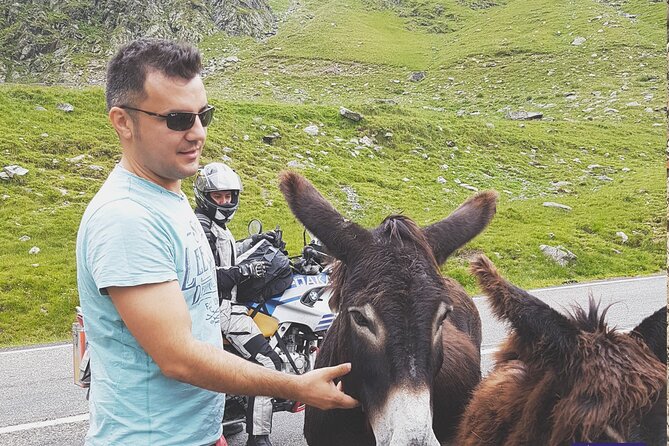
Then you drive the Transfăgărășan Highway. This is one of the roads in Romania that becomes a destination on its own. It is over 150 km long, and the highest point is 2042 meters near the Balea Lac area, including the tunnel connection. The road is fully open only June to October, so if you are not traveling in that window, plan your month carefully and ask your guide what adjustments may be needed.
Day 2 also swings through Sibiu, with time around Piata Mare and the old town feel. Even if you only get about an hour here, Sibiu gives you an immediate sense of why people rate it as a major cultural stop, with its European Capital of Culture reputation. It is a good place to break up the intensity of castles and mountain driving.
Hunedoara and Dacian Strongholds: Castles Meet Ancient Strategy
Day 3 focuses on the west and the “big medieval question”: who controlled this land and how? You start with Castelul Corvinilor (Corvin Castle) in Hunedoara. This is one of Romania’s largest castles in Europe and often tagged as one of the Seven Wonders of Romania. It is a Gothic-Renaissance mix, and it feels more like a movie set than a typical castle, but it is also built on real feudal power.
From there, you visit Densuș Church, which claims a special place as the oldest stone church in Romania. The details matter here. The church is built in the 13th century on a site associated with older layers, and inside you can spot mural painting traditions from later centuries. It’s the kind of place where you start noticing how Romanian art keeps changing while holding onto symbols.
Then you go to Sarmizegetusa Regia, the Dacian capital and a defensive and religious power center before Roman wars. The mountain setting and multi-citadel layout give you a better idea of how strategy worked in a pre-gunpowder world. I like this stop because it slows the pace in your mind. You stand in a place that was designed for survival and meaning, not just display.
Transylvania Practical Magic: Salt Mine, Gardens, and Wooden Churches
Day 4 gives you three very different textures. First is Salina Turda, the Turda Salt Mine. It is one of the most memorable Transylvania detours because it feels like you stepped into a different world. The air is part of the appeal too, and the saline environment is often described as helpful for people with respiratory issues. Even if that is not your thing, it is still a fun, unusual attraction that breaks up the castles.
Next you have Gradina Botanica Alexandru Borza. The old city center and its architecture get attention in the same day’s rhythm, with Baroque, Renaissance, and Gothic buildings and a timeline reaching back to the 17th century. This is a good fit if you want photos and strolling without the “tour bus energy” of a bigger stop.
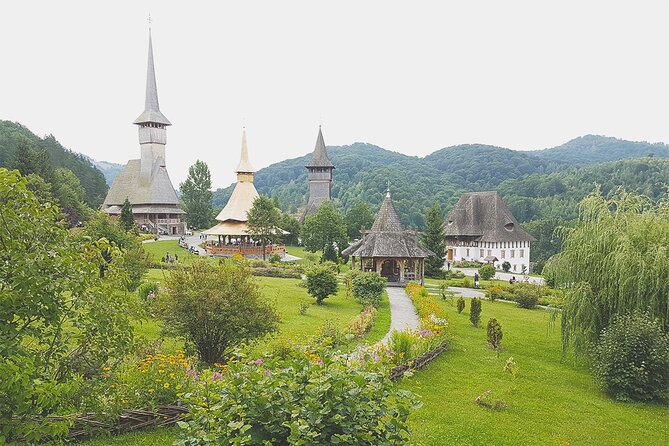
Then you go to Surdesti Wooden Church, known for its impressive wooden towers and craftsmanship. The point here is not just that it is old. It is the sheer scale for a wooden structure, plus the fact that it was built in the early 1700s. This stop is a reminder that Romania’s best architecture is often about materials, not only stone.
Maramureș and the Weight of the 20th Century
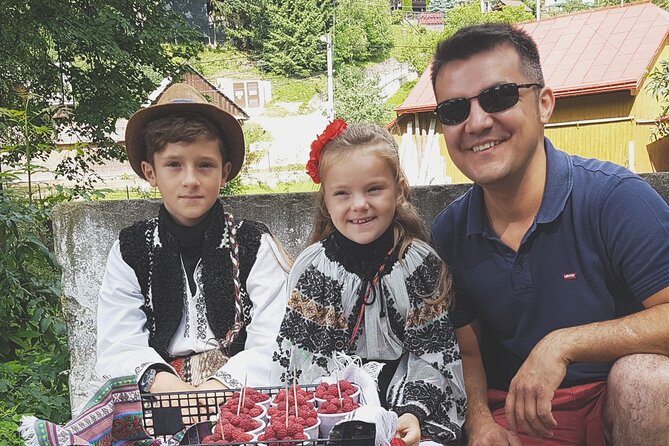
Day 5 and Day 6 carry two moods: colorful folk culture, and the emotional memory of communism.
In Maramureș you visit the Merry Cemetery in Sapânța. The crosses and tombstones are decorated with humorous poems, which makes the cemetery feel more like a celebration of life than a bleak lineup of dates. It is one of those cultural stops that is genuinely memorable because it breaks expectations.
Also on Day 5 is the Memorial of the Victims of Communism and of the Resistance. This is heavier, but it is also part of understanding Romania’s modern identity. When you see how quickly the totalitarian system caused suffering and disruption, it changes how you interpret the political storytelling you encountered earlier in Bucharest.
Day 6 begins with Barsana Monastery, known as one of the tallest wooden churches in Romania at 57 meters. It is a spiritual and scenic stop, and the setting in Maramureș makes it feel like a fairytale. You get just enough time to take in the courtyard and architecture without feeling rushed.
Then you head to Tihuța Pass, famous in Dracula lore as the Borgo Pass. You will also see the connection to the Hotel Castel Dracula at 1,116 meters, with its medieval villa style and history tied to the post-1989 name change. The stop is short but fun if you like how fiction and geography overlap.
Finally, you go to Ciocănești, for the merry-painted houses by the Golden Bistrița River. This is one of those village stops that adds warmth after so many stone and fortress days.
Bukovina’s Painted Monasteries: The Blue Is Real
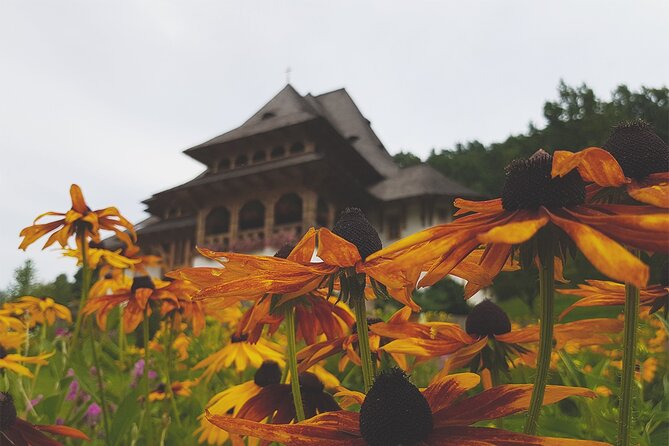
Day 7 is where the trip turns visual in a major way. You start at Voroneț Monastery, often called the Sistine Chapel of the East for a reason: the frescoes and their intense blue are famous. You will hear about Stephen the Great building it in 1488 over a short, concentrated period, and that timeline helps you understand why the monastery feels so intentional. It is also UNESCO-linked in how it is presented, and that heritage framing matters here.
Then you visit Humor Monastery, a fortified monastery that had to survive enemies. The thick river rock walls and the idea of churches built away from harm adds meaning to what you see. It is not just pretty. It is engineered for protection.
Next is Sucevița Monastery, another fortified church where biblical scenes and icons can make the space feel like an open book. Then you finish with Moldovița Monastery, known for mural artwork inside and outside and for its long-standing place as part of old monastic settlement life.
Day 8 continues the culture, but in a quirky way. You visit the International Museum of Eggs Lucia Condrea in Moldovița, which holds thousands of egg exhibits (over 5,500) across dozens of display cases. It sounds strange until you realize it is a real tradition turned into art. You also stop at the Popa Museum, a sculptor’s home museum founded in the 1970s, built around the life and work of Nicolae Popa. His story includes persecution under communism, which gives the museum an extra layer of meaning.
Then you head to Bicaz Gorges, with a long walk along the river cut through mountains and forest. This is where you get some breathing room from churches and castles, and it is also where the route starts feeling like a road trip again.
Saxon Towns and Brasov: Medieval Walls, Clocks, and Real Cafés
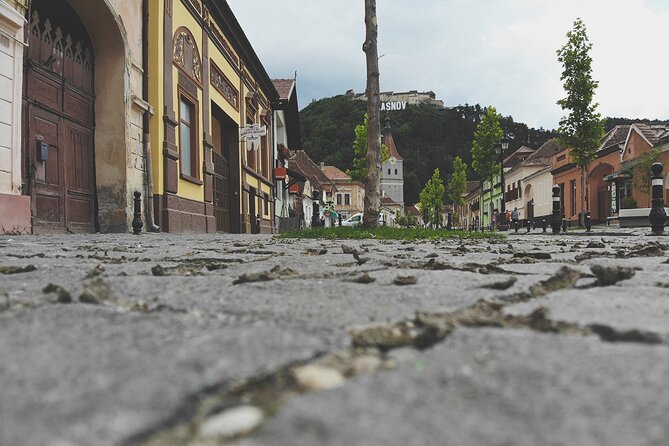
Day 9 and Day 10 bring you back to Transylvania towns with a medieval core.
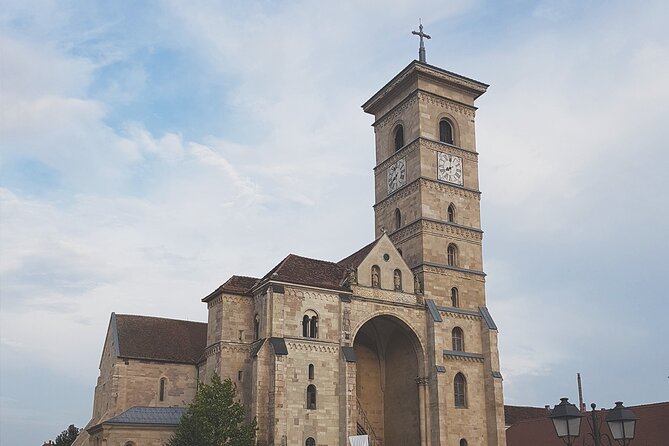
In Sighișoara, you visit the Clock Tower and the Arms museum, tied to a citadel that has stayed inhabited for centuries. The Dracula angle comes up as part of local identity, but the real value is the living medieval feel. You do not just see ruins. You see the town still functioning inside the fortress logic.
Then you go to Biertan Fortified Church, a UNESCO World Heritage site with Saxon defense features: three defensive walls and seven bastions, built around a hillock in the town center. If you like architecture that served a job, this is a strong stop because you can see the defensive design in the layout.
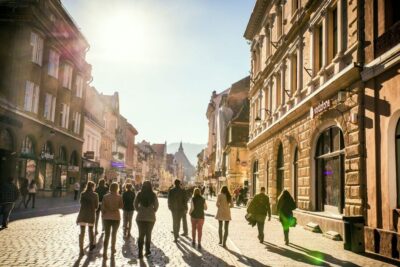
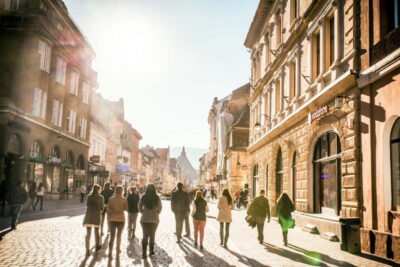
Day 10 starts in Brașov with a walk around the Old Town, the Black Church, the old town square, and medieval city walls. You also get time for cafés, which I recommend using for a slower break before your next big-ticket castle visit.
Dracula Landmarks, Plus the Royal Castle Option
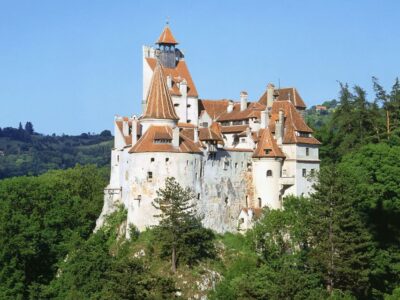
From Brașov, you visit Bran Castle, often linked to Dracula. The tour frames the castle as a meeting point of myth and history, and you will get suggestions for local foods outside the castle area, like handmade cheeses, pálinka, and traditionally produced ham and sausages.
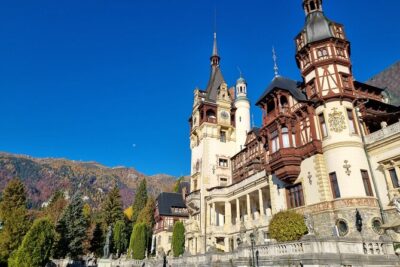
Then you finish with Peleș Castle, the Romanian royal family’s summer residence. This is a classic “end on a wow” choice, and it works because it is not only dramatic, it also represents how Romanian state identity shaped cultural life. If you like interior details and craftsmanship, this last day can feel like a reward after days of stone, wood, and fortifications.
Price and Value: Is $3,918.13 Fair for 10 Days?
At $3,918.13 per person, this is not a budget tour. You are paying for private transportation, a licensed English-speaking guide/driver for the full duration, and the operational comfort of a dedicated car. You also get flexibility to adjust the daily rhythm, which matters in Romania where weather, seasonal road access, and travel timing can shift your best route.
Your personal costs still include your own accommodation and meals, plus entrance fees at the sites you stop for. That means the true total will depend on how many castle and monastery tickets you buy, and how your guide plans ticket timing.
If you split the cost across a family or a small group, the price can start to look more reasonable because you are not paying per seat on a shared bus. It is a good match if you want a tour that feels like it was designed for your group, not for strangers.
Should You Book This Private Romania Tour?
I would book this if you want a single trip that covers a lot of ground without losing the meaning of what you are seeing. You get a balanced mix of Bucharest history, Transylvania castles, and Bukovina painted monasteries, plus one big “road breath” stop at Bicaz Gorges.
I would hesitate if you are trying to keep total costs low, since entrance fees and your own meals and lodging will be additional. I would also plan your month carefully if you care about the Transfăgărășan Highway, since it is only fully open June to October.
If your priority is comfort, context, and a smooth route with an English guide you can ask questions to all day, this private format is exactly the right tool.
FAQ
Is pickup included?
Yes. Pickup is offered, and you are asked to share your pickup time and address.
What language is the tour guide?
The tour is offered in English.
Is this tour private?
Yes. It is a private tour/activity, and only your group participates.
Are entrance fees included?
No. Entrance fees as per the itinerary are not included.
Are accommodation and meals included?
Your accommodation and meals are not included. Accommodation, meals, and entrances fee for the guide are included.
Do I get wireless internet during the drive?
Yes. Complimentary wireless internet access is provided in the comfortable car.
How long is the tour?
It is listed as 10 days (approx.).
Is there a mobile ticket?
Yes. A mobile ticket is included.
Can I cancel for a full refund?
Yes, you can cancel for a full refund if you cancel at least 24 hours in advance. If you cancel less than 24 hours before the start time, the amount is not refunded.
The Private End Of Bucharest
- Castles of Transylvania: Private Day Trip from Bucharest
★ 4.5 · 248 reviews - Dracula’s Castle, Peles Castle and Brasov – Private Day Trip from Bucharest
★ 5.0 · 211 reviews - Best of Bucharest | Private Walking Tour
★ 5.0 · 199 reviews - Bucharest Panoramic Sightseeing – Private City Tour
★ 5.0 · 128 reviews - THERME “Take It Easy” Pack: Full Spa Access + Private Transfers
★ 4.0 · 117 reviews
Whatever Else Bucharest Is Selling
- Bucharest to Dracula Castle, Peles Castle and Brasov Guided Tour
★ 4.5 · 2,933 reviews - Bucharest: Palace of Parliament Tickets and Guided Tour
★ 4.4 · 1,877 reviews - Transylvania and Dracula Castle Full Day Tour from Bucharest
★ 4.5 · 1,589 reviews - Bucharest: City Highlights Guided Walking Tour
★ 4.9 · 1,482 reviews - From Bucharest: Brasov Peles & Dracula’s Castle Day Tour
★ 4.5 · 1,244 reviews
Everything Else We Reviewed In Bucharest
- Bucharest: Dracula’s Castle, Peles Castle, & Brasov Old Town
★ 4.5 · 17,858 reviews - Bucharest: Dracula Castle, Peles Castle & Brasov Old Town
★ 4.6 · 10,891 reviews - Bucharest: Dracula’s Castle, Peleș Castle & Brașov Day Trip
★ 4.5 · 5,919 reviews - Bucharest: Palace of Parliament Tickets and Guide
★ 4.3 · 3,182 reviews - Bucharest: Day Trip to Dracula Castle, Peles Castle & Brașov
★ 4.4 · 3,049 reviews
Recently added around Bucharest
- Private Tasting Expedition Along Romania’s Most Famous Wine Route★ 5.0 · 3 reviews
- Private Guided Tour of Peles Castle and Bran Castle from Bucharest★ 5.0 · 3 reviews
- Private Sightseeing Tour of Bucharest★ 4.5 · 3 reviews
- Discover Europe’s Deepest Mines & Peles Castle’s Royal Charm★ 5.0 · 3 reviews
- Bucharest City Tour and Wine Tasting★ 5.0 · 3 reviews
Private, compared.
 ★ 4.5Castles of Transylvania: Private Day Trip from BucharestFrom $151248 reviews
 ★ 5.0Dracula’s Castle, Peles Castle and Brasov – Private Day Trip from BucharestFrom $199211 reviews
 ★ 5.0Best of Bucharest | Private Walking TourFrom $314199 reviews
 ★ 5.0Bucharest Panoramic Sightseeing – Private City TourFrom $101128 reviews
 ★ 4.0THERME “Take It Easy” Pack: Full Spa Access + Private TransfersFrom $118117 reviews
 ★ 5.0Piatra Craiului National Park Private Hiking Tour from BrasovFrom $126116 reviews
 ★ 5.04h Bucharest Private Tour (2h by Car and 2h Walking in Old Town)From $10090 reviews
 ★ 5.0Discover Bucharest: Private Highlights and Traditional Food TourFrom $14386 reviews