

REVIEW · PRIVATE
8 Days Private Romania Tour from Bucharest
Romania clicks when you travel by road. This private 8-day route leans hard into getting the country, with a licensed English-speaking guide Nicolas and lots of driving built around medieval towns, mountain scenery, and human stories. You’ll hear funny stories in the car, then step out into places like Curtea de Arges Monastery and the cliff ruins of Poienari.
I especially love the private-car setup. It is just you and your people, with Wi-Fi in the vehicle, and real flexibility to adjust the day once you are on the ground. The guide also handles the “how do we get there” stress, so you can focus on what you came for: seeing Romania up close.
One thing to weigh before booking, though: you should expect long days of transit plus extra costs since entrance fees and your lodging are not included. If you want a calmer pace, this route might feel like nonstop motion.
In This Review
- Key highlights worth planning around
- Why this Bucharest-to-Romania route feels more personal
- Value and pace: the big trade-off of a private 8-day drive
- Day 1: Curtea de Arges, Poienari ruins, and the Transfagarasan Highway
- Day 2: Salina Turda salt air, Surdesti’s wooden church, and a Transylvania-style culture mix
- Day 3: Sapanta’s Merry Cemetery, communist memory, and Sapanta-Peri’s wooden church
- Day 4: Barsana Monastery height, Tihuța Pass driving, and Ciocanesti’s painted village look
- Day 5: Voroneț, Humor, Sucevita, Moldovița, and Lucia Condrea’s egg museum in one day
- Day 6: Bicaz Gorges, Red Lake, and Nicolae Popa’s sculptor museum
- Day 7: Sighisoara citadel life, Viscri’s fortified church, and Brasov’s Piața Sfatului
- Day 8: Bran Castle, Peles Castle, and Sinaia Monastery for myth and royal reality
- Price and logistics: what you should know before you commit
- Should you book this 8-day private Romania tour?
- FAQ
- How long is the 8 Days Private Romania Tour from Bucharest?
- What is the price per person?
- Is this tour private?
- Is pickup offered?
- What is included in the tour?
- Are accommodation and meals included for you?
- Are entrance fees included?
- Is a mobile ticket provided?
- What is the cancellation policy?
Key highlights worth planning around
- Guide Nicolas and his humor: punctual, friendly, and prepared, with jokes that make the drives fly.
- Transfagarasan Highway timing: the road is only fully open from June to October, so season matters.
- Maramures wooden church craftsmanship: Surdesti, Barsana, and the area’s wooden churches show major engineering feats.
- Bukovina painted monasteries: Voroneț blue frescoes and fortified monasteries across several villages.
- Salt mining deep in Salina Turda: Roman-era traces mixed with unique salt-mining machinery.
- Big-name myths plus real royalty: Bran for the Dracula connection, Peles for the Romanian royal summer residence.
Why this Bucharest-to-Romania route feels more personal
This is not a “check a few highlights and speed off” kind of tour. The plan connects very different parts of Romania in one coherent run, so you start to see patterns. You notice how religion shows up in stone and wood. You notice how empires left fingerprints on towns and architecture. And you notice how the same mountain regions can look totally different depending on altitude, weather, and time of year.
Because it is private, the drive feels like a conversation with scenery. You can ask questions without the pressure of keeping up with a big group. And based on the guide feedback you provided, Nicolas also turns the journey itself into part of the experience, with punctual stops and a sense of humor that makes the long stretches feel easier.
That flexibility is also practical. If the plan hits traffic or a site is running behind, having someone who can shift the order of a day matters. You also get pickup offered, which helps you start clean on Day 1 instead of spending time untangling meeting points.
Value and pace: the big trade-off of a private 8-day drive
This tour costs $2,825.81 per person, which is not cheap. But in a private format, you are paying for the logistics to be handled: your own car, your own licensed English-speaking guide/driver for the whole trip, plus car costs like gasoline, parking, and road tolls. When you compare it to piece-by-piece planning, that can feel like money well spent.
Still, the balance only works if you like road time. The itinerary is packed with stops, so you will spend a lot of the day in transit between regions. That is the trade-off for covering so much ground: you see a lot, but you have less “slow wandering” time in each place.
Also keep budgeting straight. Your tour includes accommodation, meals, and entrance fees for the guide only. Your own lodging, meals, and individual site tickets are not included, so plan for additional spending on top of the tour price. The good news is that many stops are relatively short visits, so you can manage ticket costs without feeling trapped in a long museum day.
The private end of Bucharest
Day 1: Curtea de Arges, Poienari ruins, and the Transfagarasan Highway
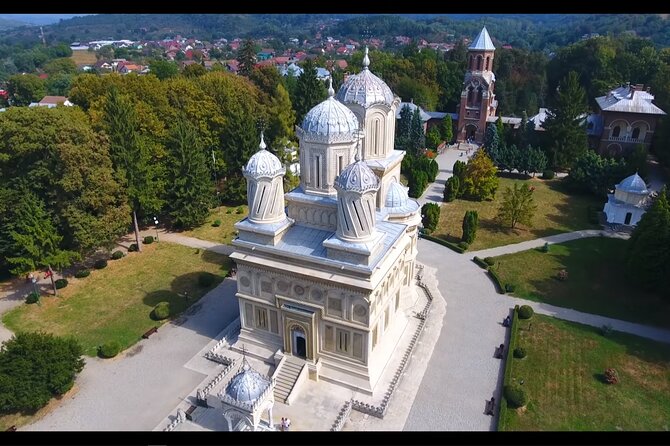
Day 1 sets a strong tone. You start with Curtea de Arges Monastery, a place tied to royal tombs and the old Wallachian princely world. The monastery is described as an important historical monument with a sad story, and when you are there, it helps you understand that Romania’s medieval past is not only about castles and heroes. It is also about loss, power, and what gets remembered.
Then you move to Poienari Castle, perched high over the Arges River. This is a climb-and-lookout kind of stop, with ruins that feel dramatic because of their location. The story tied to Vlad and the secret passage route gives the site more than postcard value. You are not just seeing stone. You are seeing why people built where they built.
After that, you get a town-square moment in Sibiu, with Big Square (Piata Mare) and the Evangelical Cathedral area. Old city squares work well on this kind of tour because they act like an easy reset. You can take photos, get your bearings, and try small bites without needing a long schedule.
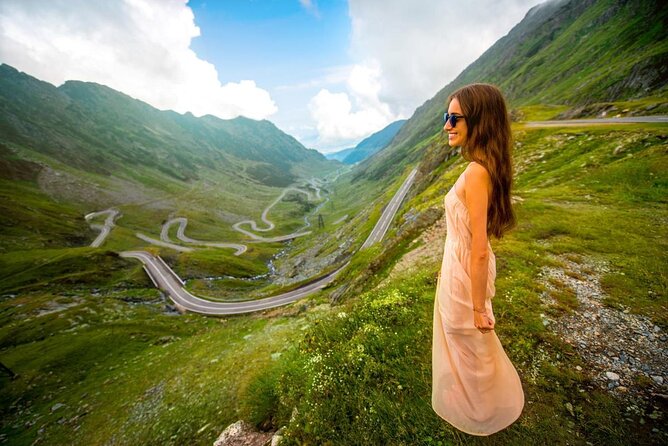
Finally, comes the big scenic road moment: the Transfagarasan Highway. It is Romania’s most famous road trip drive, and its main excitement is altitude and dramatic views. One practical consideration: it is only fully open from June to October, and the highest point is at 2,042 meters near Lake Balea. If you are traveling outside that window, ask how your dates will affect access.
Day 2: Salina Turda salt air, Surdesti’s wooden church, and a Transylvania-style culture mix

Day 2 is built around contrasts: underground salt air, then hand-built wooden architecture, then a lighter cultural stop.
Salina Turda is a very memorable choice for a day like this. You get a guided walk through the former salt mines, plus Roman heritage traces that connect the site to centuries of mining. The plan highlights mines like Iosif, Terezia, and Rudolf, and also features medieval salt machinery unique in Europe, plus a carved altar and the Stairway of the Rich. Even if you are not a geology person, it tends to stick because it is physical. You see the tools, the scale, and the fact that mining shaped the region.
Then you head to Surdesti Wooden Church. Here the appeal is craftsmanship and scale. The tower height is listed as an impressive 54 meters, and the church is noted as being built in 1721. Wooden churches can look simple from far away, but up close you start appreciating the precision needed to build something that tall in wood.
Your third stop is Gradina Botanica Alexandru Borza. The text you shared also points toward a look at Cluj-Napoca’s Old City Center and architecture in Baroque, Renaissance, and Gothic styles, which is a helpful reminder that Day 2 is not just about one attraction. You get a mix: air and underground engineering, then architecture you can spot instantly just by walking through the old streets.
Practical note for this day: check ticket needs because several stops are marked as admission tickets not included. Also, if you have respiratory sensitivities, the salt air angle at Salina Turda is worth leaning into.
Day 3: Sapanta’s Merry Cemetery, communist memory, and Sapanta-Peri’s wooden church
Maramures is a big character on this route, and Day 3 makes that clear.
You start with the Merry Cemetery in Sapanta. This is not your usual cemetery stop, and that is exactly why it works. The plan describes colorful crosses and tombstones paired with humorous poems about the deceased, tied to local Dacian ideas about laughing at funerals and crying when babies are born. Even if humor is not your thing, this is one of those culturally specific places that helps you understand how communities handle death and memory.
Next comes a hard pivot: the Memorial of the Victims of Communism and of the Resistance. This museum stop is straightforward in purpose. It helps you understand how damaging totalitarian oppression was and how much pain it created in a short time. On a long road trip, this kind of stop can feel heavy, but it also gives context. Without it, you can miss why history in Romania is not only medieval romance.
Finally, you visit Sapanta-Peri Monastery, a wooden church built in 1391. The plan also notes that it is dedicated to the Archangel Michael, and it served as the Romanian Diocese of Maramures headquarters for 312 years. Wooden monastic sites like this feel quietly powerful because you can see continuity in how the place is used and cared for.
Day 4: Barsana Monastery height, Tihuța Pass driving, and Ciocanesti’s painted village look
Day 4 is where the scenery and the architecture both feel almost theatrical, in a good way.
Barsana Monastery is described as one of the tallest wooden churches in Romania, at a height of 57 meters. That single detail changes how you look at it. You realize this is not just folk craft. It is major structure building. If you like seeing how people pulled off big engineering with local materials, this is a highlight day.
Then comes Tihuța Pass, which adds a different kind of experience. This is a mountain crossing between Moldavia and Transylvania, at about 1,201 meters, and the road history is tied to Austro-Hungarian initiatives built between 1812 and 1817 and later paved and asphalted. The day description also warns about potential traffic behind trucks, which is realistic advice for mountain roads.
Your final stop is Ciocanesti, called one of Europe’s colorful destinations. The plan describes the village as painted like Easter eggs, and it cites recognition from Lonely Planet’s list of places that pop. Whether you love that style or not, you get a clear sense of how identity shows up in public space here.
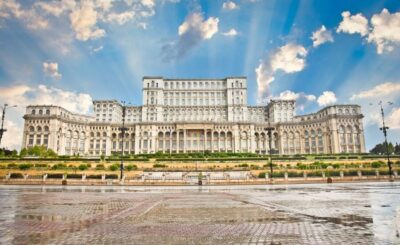
Day 5: Voroneț, Humor, Sucevita, Moldovița, and Lucia Condrea’s egg museum in one day
Day 5 is a monastery marathon, and it is also one of the best reasons to pick a guided private format. Fortified monasteries can feel similar when you rush, but the differences in fresco themes, styles, and layout start mattering when you have time and context from your guide.
You begin with Voroneț Monastery, famous for the intense shade of blue often called Voroneț blue. The plan even compares its frescoes to the Sistine Chapel of the East, which is a useful mental hook. The story here also ties to Stephen the Great and the victory at the Battle of Vaslui. That connection helps you see the fresco program as more than decoration.
Then you move to Humor Monastery, another fortified site. The plan emphasizes that churches were often built away from enemies and sometimes hidden. That helps you connect geography and architecture: churches here are placed like survival tools, not just religious monuments.
After Humor comes Sucevita, described as one of the most beautiful Romanian monasteries, and the plan notes biblical scenes and icons painted on the walls. It also highlights that Sucevita is part of the UNESCO World Heritage list, which matters because it helps explain why the site is preserved and why it draws serious attention.
Next is Moldovița Monastery, built in 1532, with Byzantine, Gothic, and Moldavian style elements. The distinctive part is the mural artwork on both inside and outside. If you are a visual person, this is where you can feel the effort behind the walls.
You end with a very different tone: the Muzeul International al Oualor Lucia Condrea. This museum is unique in Romania, and the plan says it opened in the summer of 1993. It contains over 5,500 exhibits displayed across two levels in 56 display cases. If you want a break from medieval religion scenes, this is a fun pivot to craftsmanship and folk artistry.
Practical tip: since many stops note admission tickets not included, double-check costs so Day 5 does not surprise your budget.
Day 6: Bicaz Gorges, Red Lake, and Nicolae Popa’s sculptor museum
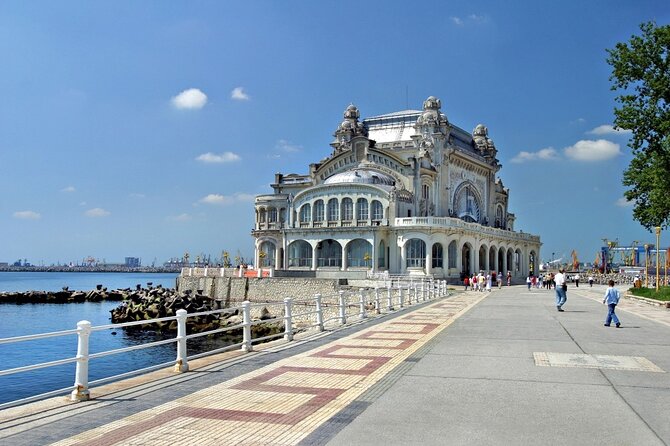
Day 6 shifts your focus from buildings to nature, then back to human creativity.
Bicaz Gorges is described as a passageway between Romanian provinces, and the route itself is the attraction. The road follows ravines with serpentines, rock on one side, and a sheer drop on the other, making it one of the most spectacular drives in Romania. The plan also mentions the wallcreeper bird, plus Lacul Roșu, known as Red Lake. This day is the reason many people like road trips, because the views are part of the day, not just something you squeeze in.
You also stop at Lacu Rosu. The formation is discussed as debated, with Franz Herbich and an earthquake in January 1838 cited as possible triggers for a landslide. That sort of explanation can make a viewpoint more interesting, because you stop seeing it as only scenic and start seeing it as a landscape shaped by forces.
Finally, you visit The Popa Museum, founded in the 1970s by sculptor Nicolae Popa. The story here is powerful and very human. He was wounded in World War II, imprisoned by communists for fighting against the regime, and left without personal possessions besides his house. The plan says that after those losses, he devoted himself to Romanian values and became a valued naive sculptor. This stop gives you a different kind of Romania lesson: art created under pressure, then preserved by local memory.
Day 7: Sighisoara citadel life, Viscri’s fortified church, and Brasov’s Piața Sfatului
Day 7 is classic Transylvania structure, with medieval town energy and then smaller village charm.
You start at Sighisoara Clock Tower, plus the arms museum. Sighisoara is described as a medieval town and as the birthplace of Vlad the Impaler, even though the tour frames it in a Dracula context. The Sighisoara Citadel dates to 1280 and is highlighted as one of the rare medieval fortresses that remains inhabited for over 700 years. That matters, because most “medieval towns” are stage sets. Here it is more like living city history.
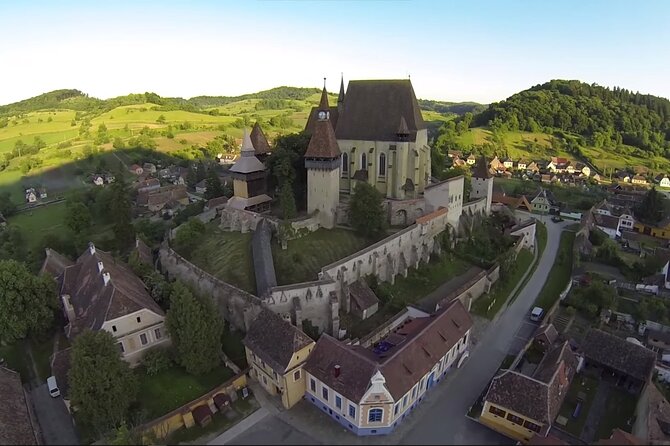
Next comes Village de Viscri, with history going back to the 12th century. The plan notes Prince Charles visited, and that the Mihai Eminescu Trust helped the village reinvent itself. You also get a fortified church connection here, plus Viscri is described as one of Transylvania’s must-see attractions.
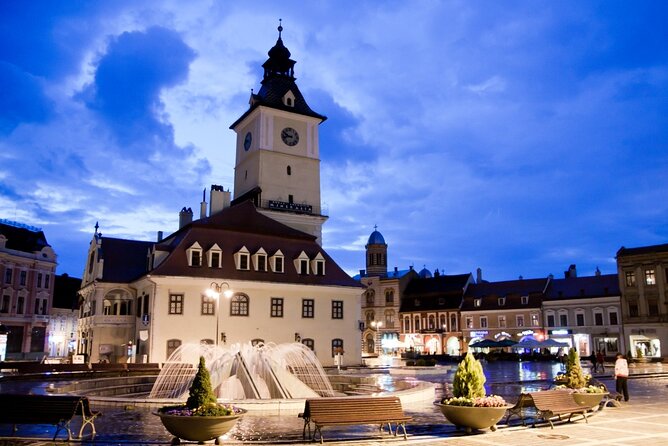
Then you end in Brasov at Piața Sfatului, the Council Square. The plan explains that markets took place there since 1364 and that it received the right to hold markets in 1520. Surrounded by 18th to 19th-century houses and historical monuments, it is a practical finishing stop. Squares are ideal on travel days because you can pace your souvenirs and snacks, and you can wind down without needing a tight schedule.
Day 8: Bran Castle, Peles Castle, and Sinaia Monastery for myth and royal reality
Day 8 mixes two kinds of fame: pop culture myth and real royal splendor.
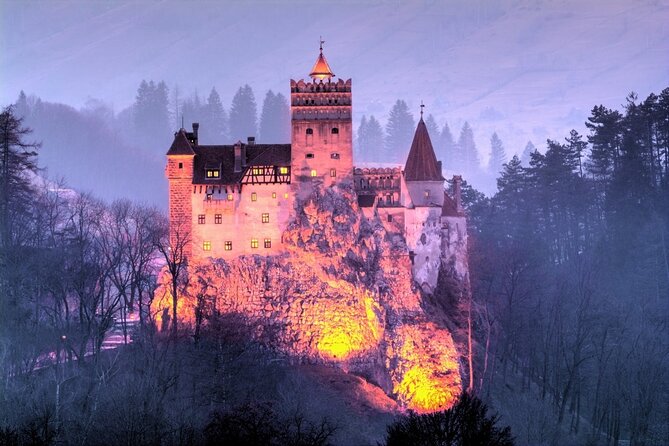
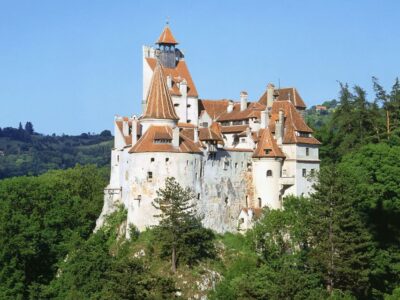
You start at Bran Castle, often linked to Dracula’s fictional home. The plan notes it sits between myth and history, and that Bram Stoker is widely believed to have used descriptions similar to Bran when writing Dracula. Whether you treat it as literal history or literary inspiration, the experience is built around atmosphere. The stop also includes time to try traditional foods outside the castle area, like handmade cheeses, pálinka (plum and pear brandy), and traditional ham and sausages.
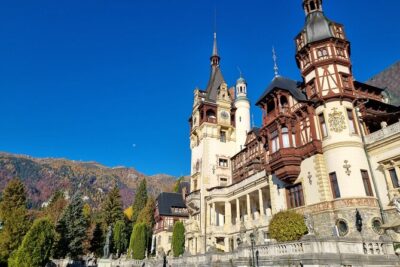
Next is Peles Castle, the Romanian royal family’s summer residence. The plan calls it one of Europe’s important tourist attractions and emphasizes its beauty. This is the kind of place where you can slow down. A castle like Peles is a visual “wow” stop, and it often feels like a reward after days of churches and mountain drives.
You finish at Manastirea Sinaia, founded in 1695 by Prince Mihail Cantacuzino and named after Saint Catherine’s Monastery on Mount Sinai in Egypt. The plan also notes that as of 2005 it is inhabited by 13 Orthodox monks led by hegumen Macarie Boguș. This ending is smart, because it shifts you from tourist-famous castles back to living religious life.
Price and logistics: what you should know before you commit
This private tour price of $2,825.81 per person is best thought of as a bundled logistics package. You are paying for a private car, your own licensed English-speaking guide/driver, plus car expenses, and time that is scheduled for a lot of different regions.
But there are two “watch this” points.
First, not everything you will do is included. Entrance fees are not included as per the itinerary, and your accommodation, meals, and beverages are also not included. The tour does cover the guide’s accommodation and entrance fees, which is standard for many guided formats, but it does not replace your own travel budget.
Second, the format is built around driving. If you dislike long seat time, you might feel rushed. If you love the feeling of traveling from place to place and want Romania stitched together into one story, the driving-heavy structure can be a feature, not a flaw.
Should you book this 8-day private Romania tour?
Book it if you want a guided, private road trip that covers a lot of Romania in one sweep, and you like learning through real context rather than only browsing top attractions. The repeated praise for guide Nicolas, including punctuality, friendly attitude, and being prepared with information and jokes, is a strong sign that your “how it feels” factor is handled well.
Skip or reconsider if you are on a tight budget, because the tour price is high and you still have to pay for lodging, meals, and entrance fees. Also reconsider if you strongly prefer a lighter pace. This route is intense by design, with long drives between areas.
If you like structure, want help with tickets and timing, and enjoy seeing church, castle, and mountain culture in sequence, this is a very solid way to do it.
FAQ
How long is the 8 Days Private Romania Tour from Bucharest?
It is listed as 8 days, approximately.
What is the price per person?
The price is $2,825.81 per person.
Is this tour private?
Yes. It is described as private, and only your group will participate.
Is pickup offered?
Pickup is offered.
What is included in the tour?
A private car (minibus or vehicle) for only your group, a private licensed English-speaking guide/driver available throughout, wireless internet access in the car, and all car expenses like gasoline, parking, and road tolls. The tour also includes accommodation, meals, and entrance fees for the guide, and recommendations for hotels based on your budget.
Are accommodation and meals included for you?
No. Accommodation, meals, and beverages are listed as not included.
Are entrance fees included?
Entrance fees are listed as not included as per the itinerary.
Is a mobile ticket provided?
Yes, mobile ticket is listed as a feature.
What is the cancellation policy?
Free cancellation is available, and you can cancel up to 24 hours in advance for a full refund. If you cancel less than 24 hours before the start time, the amount paid is not refunded.
The Private End Of Bucharest
- Castles of Transylvania: Private Day Trip from Bucharest
★ 4.5 · 248 reviews - Dracula’s Castle, Peles Castle and Brasov – Private Day Trip from Bucharest
★ 5.0 · 211 reviews - Best of Bucharest | Private Walking Tour
★ 5.0 · 199 reviews - Bucharest Panoramic Sightseeing – Private City Tour
★ 5.0 · 128 reviews - THERME “Take It Easy” Pack: Full Spa Access + Private Transfers
★ 4.0 · 117 reviews
Whatever Else Bucharest Is Selling
- Bucharest to Dracula Castle, Peles Castle and Brasov Guided Tour
★ 4.5 · 2,933 reviews - Bucharest: Palace of Parliament Tickets and Guided Tour
★ 4.4 · 1,877 reviews - Transylvania and Dracula Castle Full Day Tour from Bucharest
★ 4.5 · 1,589 reviews - Bucharest: City Highlights Guided Walking Tour
★ 4.9 · 1,482 reviews - From Bucharest: Brasov Peles & Dracula’s Castle Day Tour
★ 4.5 · 1,244 reviews
Everything Else We Reviewed In Bucharest
- Bucharest: Dracula’s Castle, Peles Castle, & Brasov Old Town
★ 4.5 · 17,858 reviews - Bucharest: Dracula Castle, Peles Castle & Brasov Old Town
★ 4.6 · 10,891 reviews - Bucharest: Dracula’s Castle, Peleș Castle & Brașov Day Trip
★ 4.5 · 5,919 reviews - Bucharest: Palace of Parliament Tickets and Guide
★ 4.3 · 3,182 reviews - Bucharest: Day Trip to Dracula Castle, Peles Castle & Brașov
★ 4.4 · 3,049 reviews
Recently added around Bucharest
- Private Tasting Expedition Along Romania’s Most Famous Wine Route★ 5.0 · 3 reviews
- Private Guided Tour of Peles Castle and Bran Castle from Bucharest★ 5.0 · 3 reviews
- Private Sightseeing Tour of Bucharest★ 4.5 · 3 reviews
- Discover Europe’s Deepest Mines & Peles Castle’s Royal Charm★ 5.0 · 3 reviews
- Bucharest City Tour and Wine Tasting★ 5.0 · 3 reviews
Private, compared.
 ★ 4.5Castles of Transylvania: Private Day Trip from BucharestFrom $151248 reviews
 ★ 5.0Dracula’s Castle, Peles Castle and Brasov – Private Day Trip from BucharestFrom $199211 reviews
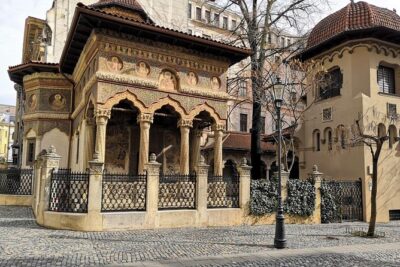 ★ 5.0Best of Bucharest | Private Walking TourFrom $314199 reviews
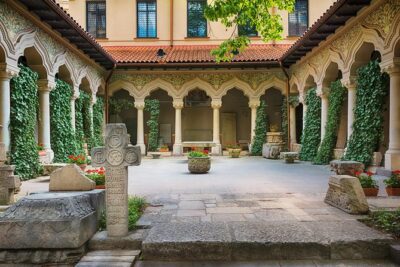 ★ 5.0Bucharest Panoramic Sightseeing – Private City TourFrom $101128 reviews
 ★ 4.0THERME “Take It Easy” Pack: Full Spa Access + Private TransfersFrom $118117 reviews
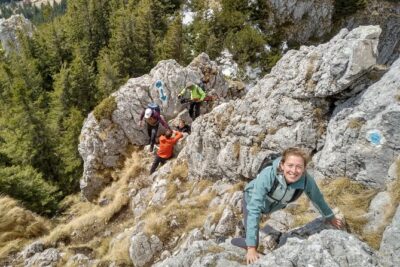 ★ 5.0Piatra Craiului National Park Private Hiking Tour from BrasovFrom $126116 reviews
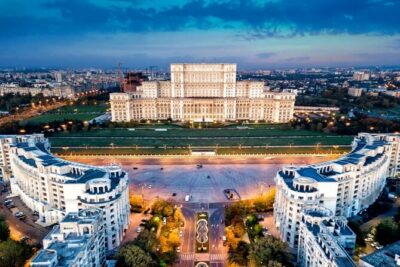 ★ 5.04h Bucharest Private Tour (2h by Car and 2h Walking in Old Town)From $10090 reviews
 ★ 5.0Discover Bucharest: Private Highlights and Traditional Food TourFrom $14386 reviews