
REVIEW · TOURS
Bucharest Sightseeing Tour
Bucharest makes history walkable. In just 4 hours, you get a guided sweep through central districts, where the 1989 Revolution story is shown where it happened, not just explained from a distance. I especially liked how the guide (noted by many for clear, well-prepared storytelling) ties street corners to events, and how the ride stays comfortable with an air-conditioned mini-van between stops. You also get multiple chances to step out, look closely at architecture, and hear the why behind what you are seeing.
One thing to consider: the tour is timed and entrance fees are not included, and the Palace of Parliament can be closed due to meetings or conferences without much notice. If that happens, the plan can switch to another site, so build in some flexibility if you were set on a specific interior visit.
In This Review
- Key highlights
- Revolution Square, then history on your feet
- Victoriei Avenue, the Princely Court area, and Palace of Justice drama
- Lipscani old-quarter vibes and the merchant-life remnants
- Unirii Square: the Palace of Parliament moment, plus the backup plan
- Metropolitan Church and Orthodox iconography: what to look for
- Arch of Triumph and the Village Museum option
- The comfort factor: why the A/C mini-van matters here
- Price and value: when $324 makes sense
- Access and closures: how to plan around uncertainty
- The guide experience: what the best feedback is really saying
- Should you book this Bucharest sightseeing tour?
- FAQ
- How long is the Bucharest sightseeing tour?
- How much does the tour cost?
- Is this a private tour or a small group?
- What languages are offered for the live guide?
- Where does pickup happen?
- Are entrance fees included?
- What do I need to bring?
Key highlights
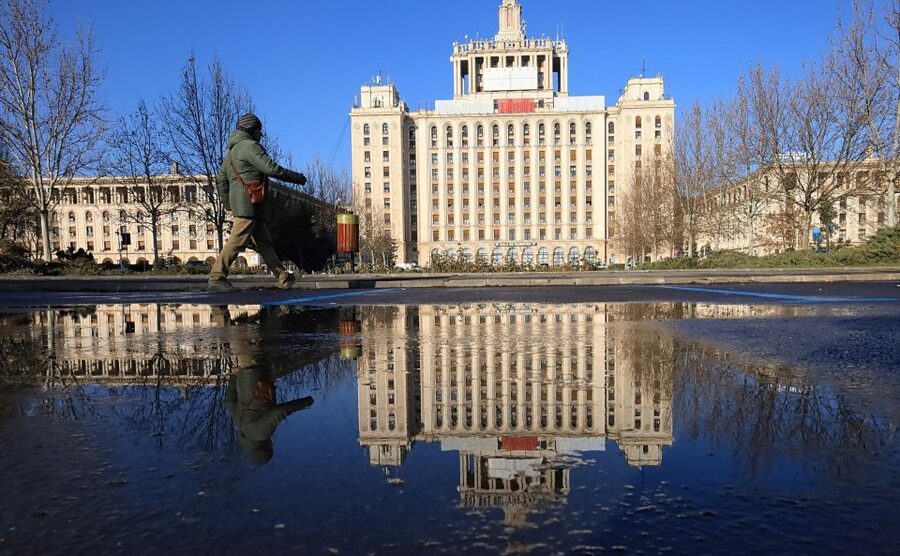
- Revolution Square in context, so the 1989 turning point clicks fast
- A/C mini-van pacing that keeps you comfortable during a concentrated walking day
- Victoriei Avenue to old-quarter landmarks, including the Princely Court area and Palace of Justice
- Lipscani-style merchant-life clues, letting you read Bucharest like a storybook
- Unirii Square decision point, with Palace of Parliament or an alternate residence visit
- Small group size up to 8, which makes questions easier and timing smoother
Revolution Square, then history on your feet
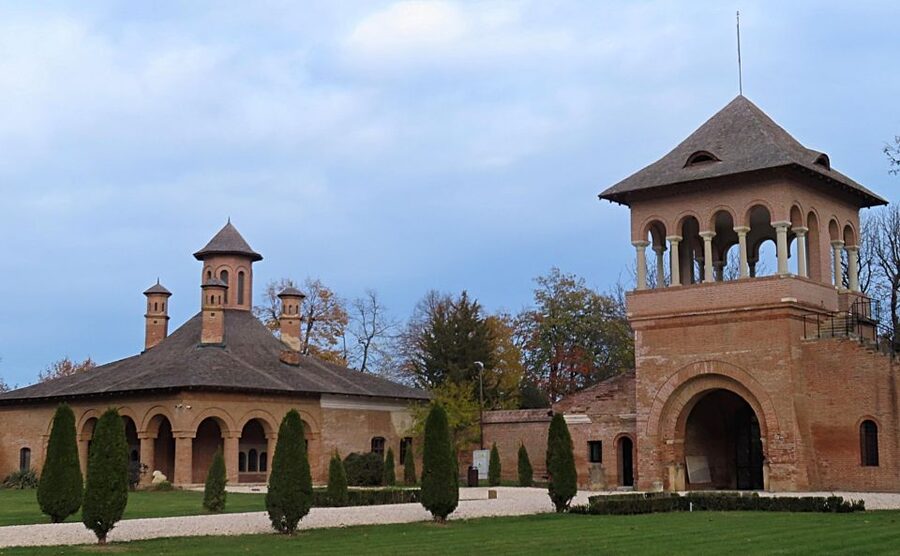
Your day has a strong start at Revolution Square, one of Bucharest’s most important symbolic locations. You are standing in the center of the story that ended Ceaușescu’s regime in 1989, and the guide’s job is to help your brain connect the architecture to the moment. You are not just seeing buildings, you are learning how the public spaces shaped public life, and how power used major squares and grand streets as stage sets.
This is a great kickoff for a first visit because it gives you a timeline you can carry with you the rest of the tour. Once you understand why Revolution Square matters, the city’s big-government vibe starts making sense as you move toward other landmarks. I also liked that the tour does not rush you through the first stop. You get time to look, pause, and absorb.
If you are the type who likes history without drowning in dates, this start works well. If you prefer modern political analysis over historical narrative, you might find you want a bit more on today’s economy and daily life, but the tour stays firmly focused on historic Bucharest.
Victoriei Avenue, the Princely Court area, and Palace of Justice drama
After Revolution Square, you walk down Victoriei Avenue toward Bucharest’s central core. This is where the city’s “official” look hits you: long views, imposing facades, and the feeling that the state once built for permanence. The guide’s commentary helps you notice details you would otherwise miss, like how churches and courts sit side by side with government buildings.
You pass through the old-quarter atmosphere with stops and photo opportunities near the Princely Court and church area. The point is not to turn this into a museum run. It is to show how older Bucharest lived and organized itself, and how religious and civic structures anchored neighborhood life even as the city later grew more grand and formal.
Then you reach the Palace of Justice, with its big, columned presence. This is one of those buildings that looks instantly important. The columns and scale communicate authority, and the guide explains how that message tied into the past when the state’s reach felt total. If you like architecture that tells you something before any explanation, this stop lands well.
One practical note: this segment is partly on foot, so wear shoes you can trust. You will likely do more walking than you expect from a “short city tour,” since you are also hopping between blocks to keep the schedule tight.
Undecided? Here is what else Bucharest had on the shelf when we last looked.
Lipscani old-quarter vibes and the merchant-life remnants
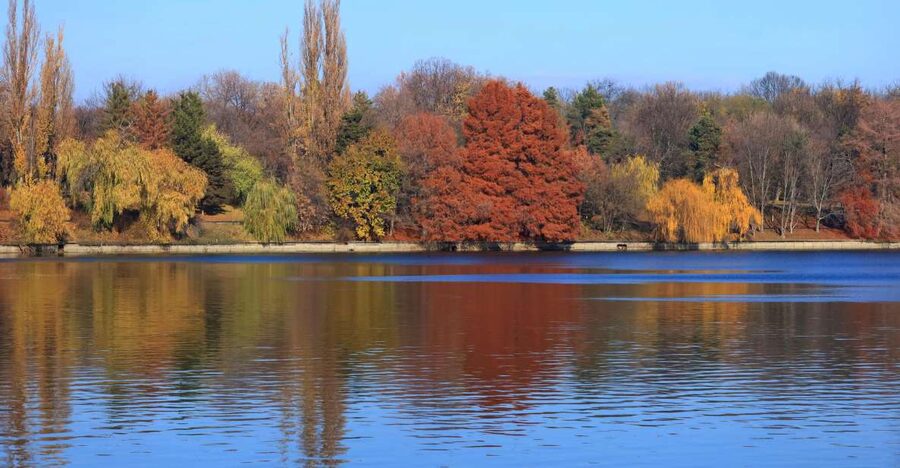
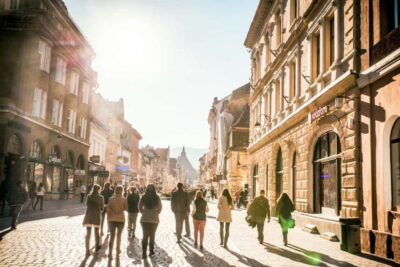
The tour also includes time in and around the older commercial quarters, including the Lipscani area themes. Even when you are not visiting a single named market hall, you can still feel the idea of a merchant district in the streets. Shops, courtyards, old storefront patterns, and the layout of lanes can hint at how people once traded, gathered, and built local wealth.
Lipscani is a helpful theme because it shifts your focus from politics back to everyday life. Revolution Square and the Parliament area are about power. Old commercial Bucharest is about work, business, and the kind of city energy that makes a capital feel like a place where real people spent time.
The value here is perspective. You start to see Bucharest as layered, not as one era stacked on top of another. And if you love reading cities through neighborhoods, this part keeps your eyes active.
The only caution is timing. Because you also have several major landmarks ahead, you may not get long, slow wandering time. You will move with the group, so come ready to look quickly, then return later on your own if you want deeper exploration.
Unirii Square: the Palace of Parliament moment, plus the backup plan
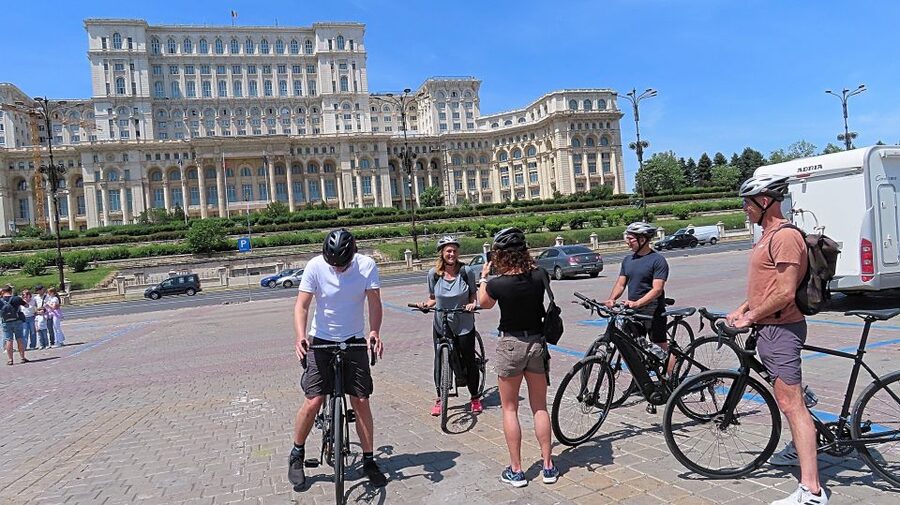
Unirii Square is where Bucharest’s map starts to feel bigger than just a walkable center. It is a major transportation hub, so the space gives you scale. It also functions as a kind of stage for the city’s grand governmental identity.
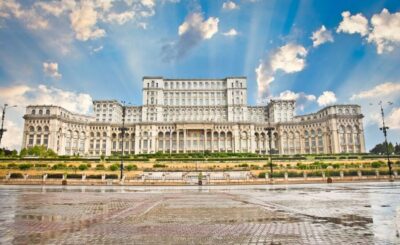
Here, the highlight is the Palace of Parliament option. In many itineraries, this is the big-ticket stop, because the building is so visually overpowering that it feels like you are standing in a political universe. You also learn why it looms so large in Bucharest’s story. It is not only about architecture. It’s about the message of state power.
That said, you need to know the reality on the ground. The Palace of Parliament can close due to international conferences or meetings, sometimes without prior notice. When that happens, the tour may switch to the Spring Palace and Ceaușescu residence option instead. This is smart planning, and it protects your day from turning into a dead end.
From a traveler viewpoint, this is the main “make-or-break” factor of the tour. If you only care about interiors at the Parliament, you might feel disappointed if access changes. If you are happy to roll with alternatives and focus on the broader street-level story, this tour handles the uncertainty better than many rigid half-day plans.
Metropolitan Church and Orthodox iconography: what to look for
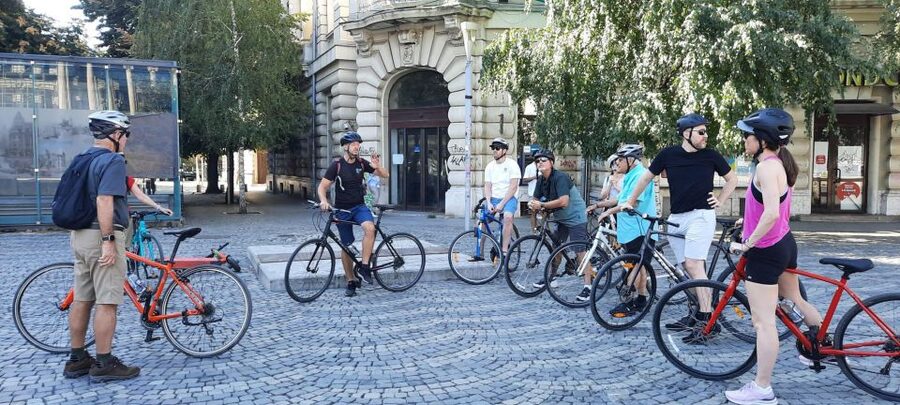
Next up is the Metropolitan Church, another important piece of the Bucharest puzzle. Orthodox churches have a visual language, especially through iconography. Even if you do not read religious symbolism, you can still appreciate the artistry and how it functions as public storytelling.
The guide helps you look beyond the exterior. You get time to notice icon details and understand why these churches carry cultural weight, not just spiritual meaning. This matters because Bucharest’s past is not only political. It is also religious, and those layers coexist in everyday life.
One practical heads-up: churches and monasteries may close without prior notice, especially during low season. The tour tries to replace visits when that happens, but you should plan for the possibility that one stop might be adjusted. If you are visiting during a season when religious sites frequently have schedule constraints, keep your expectations flexible.
Arch of Triumph and the Village Museum option
As the tour walks back toward the University area, you pass the Arch of Triumph. It is the kind of landmark that works well at the end of a concentrated route, because you can start to connect the dots between empires, national myths, and the way Bucharest frames its identity in public monuments.
From there, you might have the option to stop at the Village Museum. This is a nice add-on because it shifts from city power and monuments to culture, tradition, and how people lived. If your schedule allows and access is possible, it can be a strong way to end with something more human-scaled.
If the Village Museum option is not available, it will not erase what you already gained from the walking route. Still, it is worth mentioning because it is one of the few options that can make your half-day feel like it covers both “big capital history” and “everyday Romanian life.”
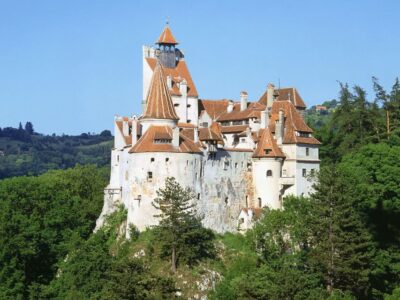
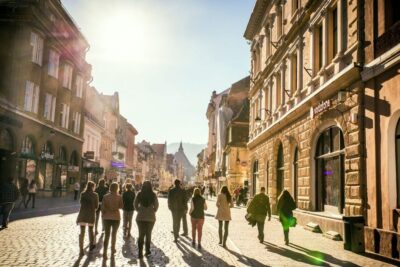
The comfort factor: why the A/C mini-van matters here
This is a half-day tour, but it is not a sit-and-stare experience. The mini-van does real work here. Between major sights, you are not stuck in cold waiting outside or slowly crisscrossing the city. Instead, you move efficiently and you get breaks from walking.
That comfort becomes especially valuable in warm weather or if you are sensitive to heat. Many first-time Bucharest visitors expect a lot of walking on day one, but having air-conditioned transport keeps you alert for the guide’s explanations.
Also, small-group tours tend to feel more human. With a limit of up to 8 participants, you are less likely to lose track in a crowd, and it is easier to hear the guide at key points. In one set of feedback, the calm driving style was called out, which makes sense for this kind of schedule. You want smooth transitions so you can focus on the story.
One more detail that can surprise people: food is not allowed in the vehicle. That is not a big deal, but it does mean you should handle snacks and water outside the van, based on your own preferences.
Price and value: when $324 makes sense
The price is listed at $324 per group up to 4, for a 4-hour experience. That pricing model matters. If you are traveling with 1 to 3 companions, this can be strong value compared with per-person city tours, because you are effectively sharing the cost of guide time and private logistics. If you are traveling solo, the per-person cost can feel higher than typical group rates, depending on how the operator structures the group booking.
There is also the entrance fee factor. Entrance fees are not included, so your final trip cost depends on which sites end up being visited and whether interiors are accessible. The big one is the Palace of Parliament or its alternate. If you get interior access, you feel the value right away. If access changes due to closures, you may still get a great street-level experience, but you might not get the interior experience you were hoping for.
So, I think this tour is best for people who want:
- a guided orientation through central landmarks,
- a clean, efficient route with A/C transport,
- history explained in a way you can actually remember.
If you prefer to wander freely with zero structure, you might find the timeline feels tight. If you want a thorough history seminar, you might want a longer tour focused on politics and modern life. But for a first stop in Bucharest, it hits the sweet spot.
Access and closures: how to plan around uncertainty
Bucharest can be wonderfully flexible, but closures are real. The tour notes a key pattern: Romanian museums are usually closed on Monday. It also warns that the Palace of Parliament may be closed due to conferences or meetings. Churches and monasteries can close without notice, especially in low season.
The tour also says it will try to replace closed sites with other relevant locations. That is helpful because it protects your day. The honest part is also included: if sites close during the tour for unforeseen reasons, the tour operator is not responsible for the closure itself. In practical terms, that means you should treat this as a guided highlights route, not a guarantee of every interior.
If you are visiting on a Monday, or around a major conference window, your best strategy is to have a couple of backup expectations. Focus on what you can control, like where you want photos, what you want to understand about the 1989 turning point, and which neighborhoods you want to revisit later.
The guide experience: what the best feedback is really saying
The standout praise in the reviews is not about the route itself. It is about the guide delivery. People highlighted that the guide was well-prepared and that explanations were valuable. Another review mentioned a calm ride and named a driver, Claudio, which fits the pacing you want for a day like this. Another review specifically praised Elisabeth for the information shared, and also noted support during ticket purchase for the Parliament visit.
Language quality matters too. One review mentioned the guide’s strong German. That tells you something important: you are not stuck with a basic “here’s what you’re looking at” explanation. You are getting a real guide who can communicate history clearly.
The balanced note from one review is also useful. That person felt the tour leaned more historic facts than current political or economic context, and they wished for more on the present day, including population and income-related topics. That is not a flaw in the itinerary, just a mismatch in interests. If you want more contemporary Romania, you may want to pair this tour with a different kind of experience afterward, like a food or neighborhood walk, or a tour that targets modern culture.
Should you book this Bucharest sightseeing tour?
I would book it if you want a fast, structured introduction to Bucharest’s central story. It is especially good for first-timers who want the key landmarks connected to the 1989 Revolution, plus a practical route that keeps you comfortable in the air-conditioned mini-van.
Skip it or rethink it if your main goal is a deep dive into modern politics and economics, or if you are only satisfied by guaranteed Palace of Parliament interior access. Closures happen, and the tour can adjust.
Best fit:
- First-time Bucharest visitors
- Small-group travelers who like a guide-led route
- People who want history anchored to the actual streets
If you want, tell me your travel dates and whether you care about entering the Palace of Parliament. I can help you decide if this timing fits, and what you might add in Bucharest to balance the historical focus.
FAQ
How long is the Bucharest sightseeing tour?
The tour lasts 4 hours.
How much does the tour cost?
It is priced at $324 per group up to 4.
Is this a private tour or a small group?
It is a private tour, and it is also described as a small group limited to 8 participants.
What languages are offered for the live guide?
The live guide is available in English, French, German, Italian, and Spanish.
Where does pickup happen?
Pickup is included from your hotel or your address/location in Bucharest.
Are entrance fees included?
No. Entrance fees to the sites are not included.
What do I need to bring?
You should bring your passport. Food is not allowed in the vehicle.
Whatever Else Bucharest Is Selling
- Bucharest to Dracula Castle, Peles Castle and Brasov Guided Tour
★ 4.5 · 2,933 reviews - Bucharest: Palace of Parliament Tickets and Guided Tour
★ 4.4 · 1,877 reviews - Transylvania and Dracula Castle Full Day Tour from Bucharest
★ 4.5 · 1,589 reviews - Bucharest: City Highlights Guided Walking Tour
★ 4.9 · 1,482 reviews - From Bucharest: Brasov Peles & Dracula’s Castle Day Tour
★ 4.5 · 1,244 reviews
Everything Else We Reviewed In Bucharest
- Bucharest: Dracula’s Castle, Peles Castle, & Brasov Old Town
★ 4.5 · 17,858 reviews - Bucharest: Dracula Castle, Peles Castle & Brasov Old Town
★ 4.6 · 10,891 reviews - Bucharest: Dracula’s Castle, Peleș Castle & Brașov Day Trip
★ 4.5 · 5,919 reviews - Bucharest: Palace of Parliament Tickets and Guide
★ 4.3 · 3,182 reviews - Bucharest: Day Trip to Dracula Castle, Peles Castle & Brașov
★ 4.4 · 3,049 reviews
Recently added around Bucharest
- Private Tasting Expedition Along Romania’s Most Famous Wine Route★ 5.0 · 3 reviews
- Private Guided Tour of Peles Castle and Bran Castle from Bucharest★ 5.0 · 3 reviews
- Private Sightseeing Tour of Bucharest★ 4.5 · 3 reviews
- Discover Europe’s Deepest Mines & Peles Castle’s Royal Charm★ 5.0 · 3 reviews
- Bucharest City Tour and Wine Tasting★ 5.0 · 3 reviews
Tours, compared.
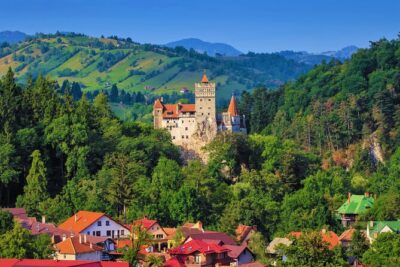 ★ 4.5Bucharest to Dracula Castle, Peles Castle and Brasov Guided TourFrom $332,933 reviews
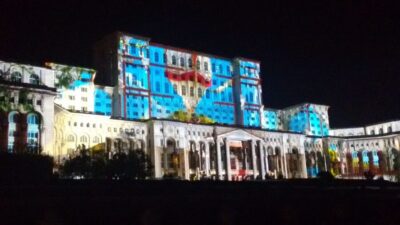 ★ 4.4Bucharest: Palace of Parliament Tickets and Guided TourFrom $281,877 reviews
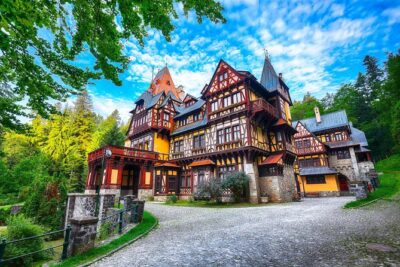 ★ 4.5Transylvania and Dracula Castle Full Day Tour from BucharestFrom $351,589 reviews
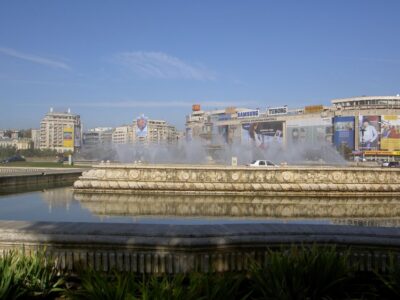 ★ 4.9Bucharest: City Highlights Guided Walking TourFrom $211,482 reviews
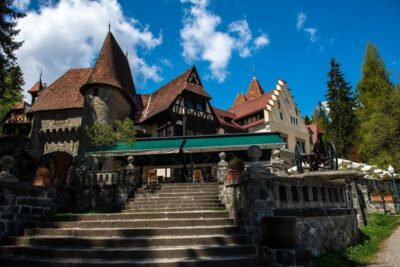 ★ 4.5From Bucharest: Brasov Peles & Dracula’s Castle Day TourFrom $651,244 reviews
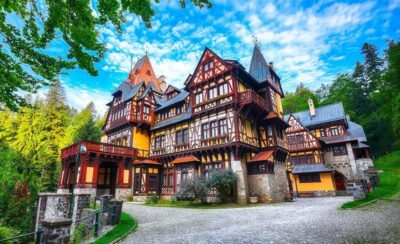 ★ 4.5Bucharest: Peles Castle, Bran Castle, & Brasov Old Town TourFrom $401,035 reviews
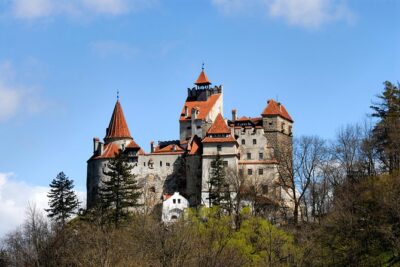 ★ 5.0From Brasov: Small-group tour Bran, Rasnov, and Peles CastlesFrom $82949 reviews
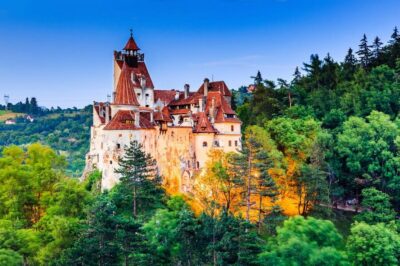 ★ 4.4Bucharest: Peles Castle, Bran Castle, & Brasov Full-Day TourFrom $31879 reviews