
REVIEW · ROMANIA
Bucharest: The Italian emigration in Romania
Bucharest hides an Italian story in plain sight. This 2-hour walking tour strings together Victory Road landmarks and Dambovita River viewpoints to explain how Italian immigrants shaped parts of the city. I love that it focuses on walking real streets, not just staring at photos, and I love that it ties buildings to people and everyday influence. One thing to consider up front: the meeting point area can be easy to miss if you show up expecting obvious signage.
My favorite part is the way the route is built around specific landmarks you can see and compare, like the Palace of Justice and the CEC banking complex. I also like that the tour stays structured, starting on Piata Natiunile Unite and finishing back at the same place, with a short recap so the big ideas land before you scatter into the old town on your own.
The main drawback is logistics. There have been cases where people couldn’t find the office or guide on time, with refunds requested, so I’d plan to arrive a few minutes early and confirm the exact meeting spot on arrival.
In This Review
- Key things that make this tour worth your time
- Italian Bucharest: why this walking route feels personal
- Meeting at Piata Natiunile Unite and the Transylvanian Wonders office
- From the Dambovita River to the Palace of Justice viewpoint
- Victory Road walk: where Italian influence becomes visible
- National History Museum and the “civic” connection
- The CEC Palace (CEC Bank) and the money trail
- Revolution Square: power, change, and a shared urban center
- Atheneum and the Italian Church, the story’s human anchor
- How the tour ties 18th and 19th century movement to modern Bucharest
- Guide quality: what to watch for, and why Daniel’s name matters
- Price and timing: getting real value from a two-hour walk
- Practical walking advice for Bucharest weather and comfort
- Should you book this Italian emigration tour in Bucharest?
- FAQ
- FAQ
- What is the duration of the Bucharest Italian emigration walking tour?
- How much does the tour cost?
- Where do I meet the guide?
- Where does the tour end?
- What landmarks are included in the route?
- What language is the tour guide speaking?
- What should I bring?
- What is not allowed during the tour?
- What is the cancellation policy?
- Is the tour suitable for everyone?
Key things that make this tour worth your time
- Victory Road on foot, with the Italian influence explained as you walk
- Dambovita River landmarks, including the Palace of Justice viewpoint
- High-recognition stops, like Revolution Square, the Atheneum, and the CEC Palace
- A human guide, with a named guide like Daniel praised for punctuality and helpful answers
- One clear wrap-up, ending in the old town with a recap of the Italian emigration impact
- Practical expectations, comfortable shoes and weather-appropriate clothing are the real deal
Italian Bucharest: why this walking route feels personal
Italian migration left a visible imprint on Bucharest, and this tour is designed to help you notice it without needing a university course. You’ll connect names and dates to streets and facades. That matters because Bucharest can feel like a collage of styles, unless someone helps you read the city.
I like that the focus stays on the old part of town. You’re not bouncing around to far-flung neighborhoods. Instead, you’re shown how a few key corridors and institutions created lasting influence, then you walk those connections yourself.
If you enjoy history that you can point at, this format makes sense. You’ll stand near major buildings, hear what they represent, and then keep moving before the story goes stale.
Meeting at Piata Natiunile Unite and the Transylvanian Wonders office
This tour starts in the Piata Natiunile Unite area, with the guiding team based at the Transylvanian Wonders office. The address given is Bulevardul Natiunile Unite 4, Bloc 107/A. You’ll meet your guide at Piata Natiunile Unite, about 100 meters from the office.
Here’s the practical version: show up early, and orient yourself to the exact meeting point rather than just assuming you’re “in the right place.” One lesson from past confusion is that there may be limited signage, so don’t rely on spotting something obvious at street level.
If you’re navigating with a map, keep your eyes on landmarks, then do one quick check with your phone before you wait. Since the tour ends back at the meeting point, getting the start right makes the whole experience smoother.
From the Dambovita River to the Palace of Justice viewpoint
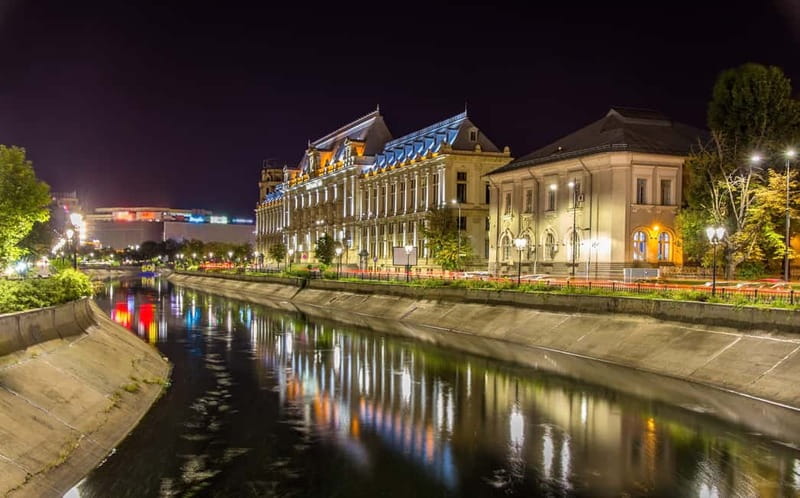
Right after meeting up, the walk crosses the Dambovita River. That first transition is useful, because it helps set the city’s geography and mood fast. You’re moving from one side of the river to the urban “stage” where major institutions gather.
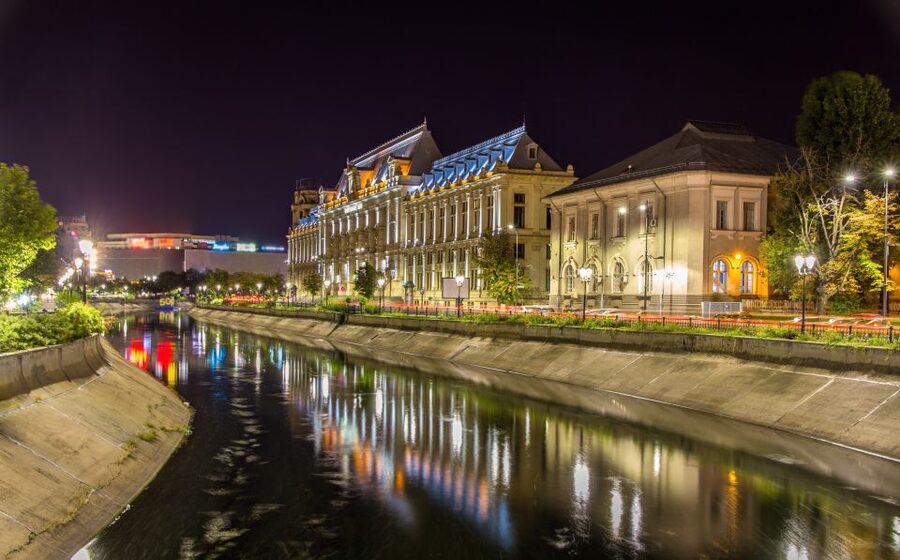
One of the key highlights on the river banks is the Palace of Justice. Even if you’ve seen grand courts in other European capitals, the setting here gives you extra context for how Bucharest organizes power, administration, and public life. You’re not just looking at a building, you’re seeing how the city frames authority along major urban lines.
This part of the tour is also a nice warm-up. It’s a short segment that gets your legs moving and your eyes switched on, so you’re ready for the more detailed architectural story coming next.
Victory Road walk: where Italian influence becomes visible
The heart of the tour is the surreal stretch of Bucharest’s famous Victory Road (Calea Victoriei). Walking this avenue is one of the best ways to understand how Bucharest built its “main street” identity.
This is also where the Italian immigration theme gets concrete. You’ll hear how Italians arrived in the late 18th century and into the early 19th century, and you’ll see how their presence influenced the city’s development. The tour doesn’t treat this as a distant academic topic. It connects that movement of people to real places you can recognize.
As you walk, you can also do a simple personal exercise. Every time you hear a name or explanation, look at the building’s function first, then its style second. That way, you’ll remember what you heard, not just what you photographed.
National History Museum and the “civic” connection
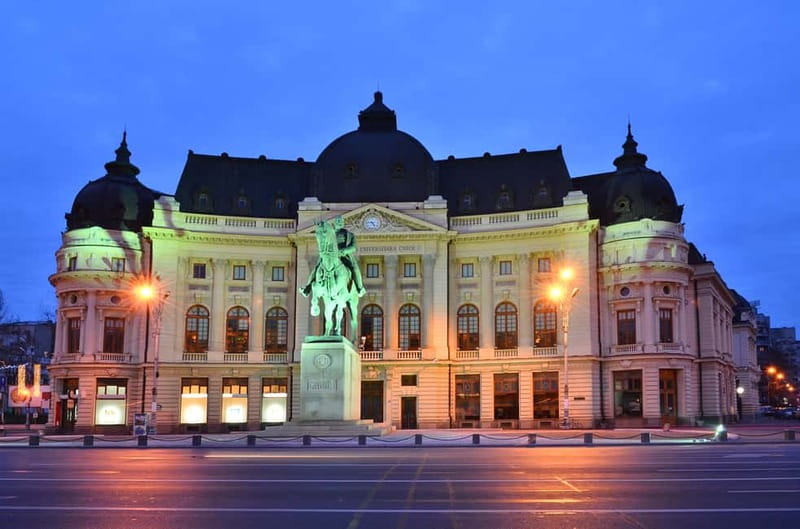
One stop along Victory Road is the National History Museum. Even without getting into every internal exhibit, the exterior setting works as a clue. It signals the city’s focus on public identity, education, and how Bucharest wanted to present itself.
For you, that means this stop helps frame the tour’s larger question: when migrant communities take root, how do they influence institutions, and how do those institutions shape the city’s image?
The CEC Palace (CEC Bank) and the money trail
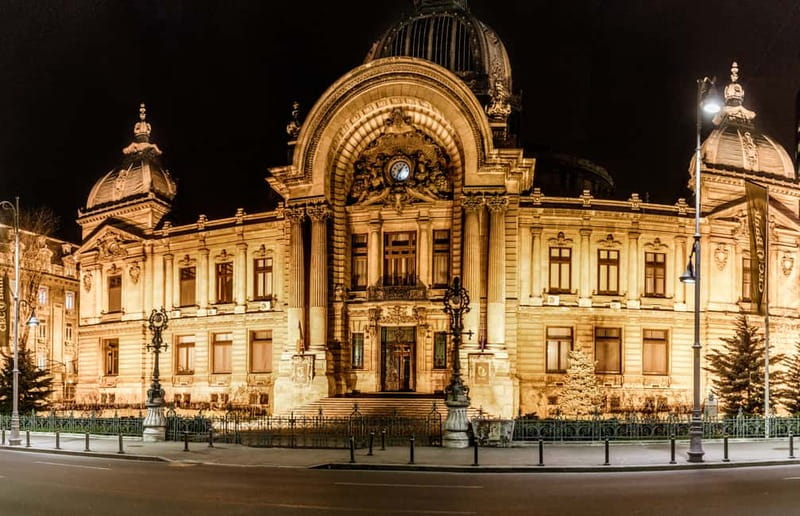
Another major highlight is the CEC Palace, tied to the CEC bank building. Banking buildings are rarely just architectural decoration. They represent networks, stability, and the systems that help commerce grow.
On this tour, that matters because it connects immigrant influence to infrastructure, not only to churches or streets. The Italian mark isn’t limited to one type of landmark. It shows up where the city formalized growth and public trust.
Revolution Square: power, change, and a shared urban center
Revolution Square is one of the stops you’ll pass through on the way along the central route. This square helps you understand the city as a place that keeps changing its story, even after it sets up major institutions.
The value here is that the tour keeps your attention on how a capital city processes events and eras. That helps you interpret the rest of what you see on Victory Road with a more “systems” mindset, not just a style mindset.
Atheneum and the Italian Church, the story’s human anchor
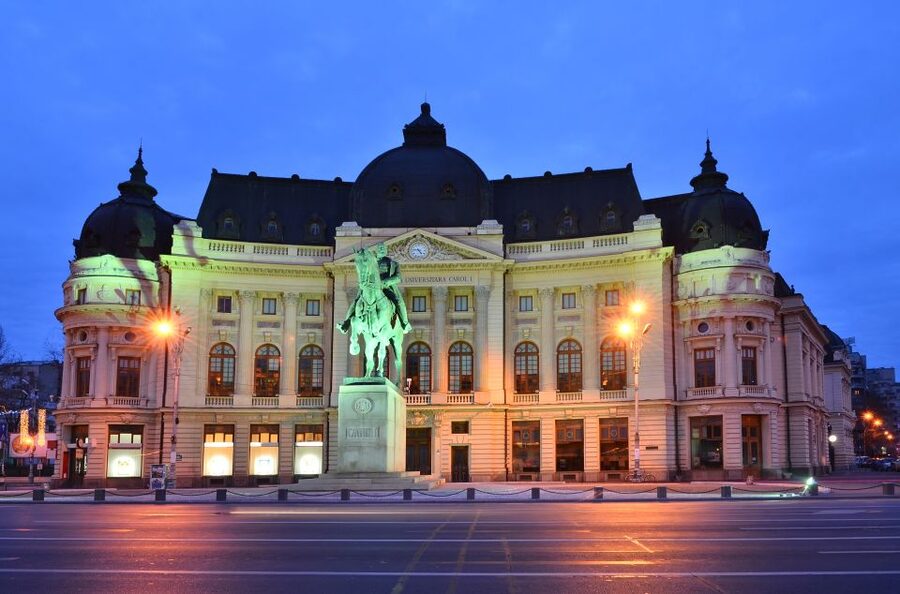
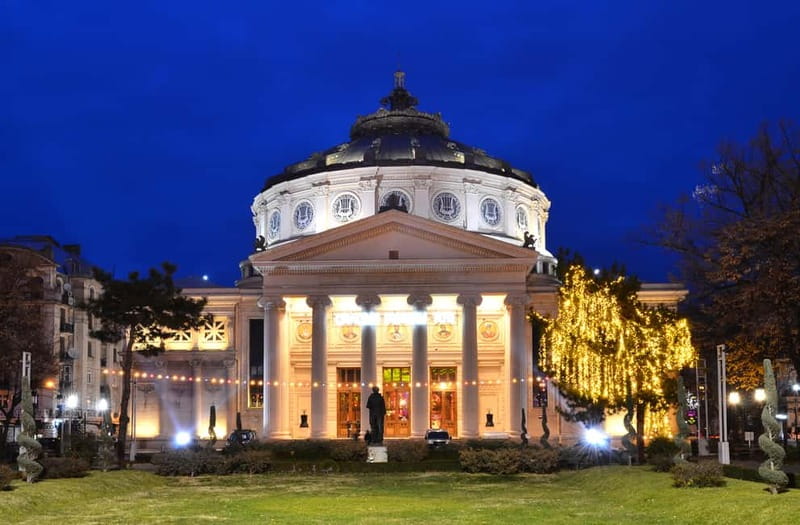
After the more civic landmarks, the route shifts to places that feel more personal and cultural. The Atheneum is among the featured sights. It’s the kind of building that suggests music, lectures, public culture, and the city’s drive to maintain a recognizable cultural rhythm.
When you hear the Italian immigration thread tied into stops like these, it helps you see how migrants do more than adapt to a city. They also contribute to the cultural institutions that attract visitors and shape how residents spend their time.
Then you reach the Italian Church. This is the part of the walk that makes the immigration story feel direct. Religious buildings often act as social centers for immigrant communities. They bring people together and give a community a stable place to exist.
If you care about understanding why a city feels the way it does, this is a strong emotional anchor. It turns the immigration timeline into something you can almost picture day to day, people gathering, worshiping, meeting, and building relationships that last beyond one generation.
How the tour ties 18th and 19th century movement to modern Bucharest
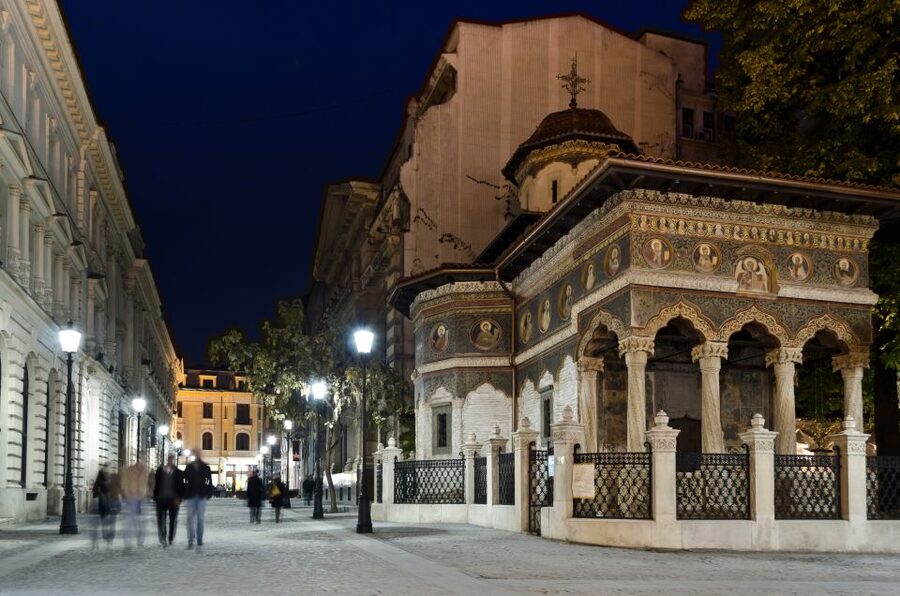
The tour’s main promise is explained through its pacing. It starts with an overview near the river area, then it pulls you into the central spine of the city, and it cycles through institutions along the way. By the time you reach the Italian Church and then end in the old town, you have a mental map of influence.
I like this approach because it doesn’t ask you to memorize a list of facts. Instead, you’ll remember impressions tied to locations. You’ll come away able to walk Victory Road and know what to look for, like which buildings relate to civic life, which relate to finance, and which relate to community identity.
You also end with a recap in the old town. That wrap-up is the right moment to connect the dots. If you’ve ever lost the thread during a city walk, you’ll appreciate that the tour finishes by pulling your observations back into one clear explanation.
Guide quality: what to watch for, and why Daniel’s name matters
This tour is led by a live local guide, and the language is Italian. That’s a practical detail you should take seriously. If you don’t read or understand Italian well, you’ll want to consider your comfort level with a language barrier, since the tour is explicitly listed in Italian.
In terms of guide performance, one named guide, Daniel, has been praised for being punctual and friendly, with a good sense of humour. The other detail I think you’ll care about is that he’s reported to answer questions well and accommodate specific requests when possible, including arranging a start from a hotel for one group.
That kind of flexibility can make a big difference on a walking tour. It helps you avoid the frustrating feeling of being dragged along a fixed script when your group has a practical need.
Still, keep expectations realistic. You’re on foot for about two hours, and the route centers on key landmarks. If you’re someone who needs constant personal attention, send your expectations early, and arrive ready with your questions.
Price and timing: getting real value from a two-hour walk
The price listed is $34 per person for a duration of 2 hours. On paper, that might sound like a standard city walk. What makes it better value is the topic and the concentration of major stops. In two hours, you cover a tight cluster of notable Bucharest landmarks tied to the Italian immigration story.
For you, value comes from three things:
- you get a guided narrative that links buildings to immigrant influence
- you see multiple “big-name” sights in one central loop
- you finish with a recap that helps you remember what mattered
Pace matters here. A two-hour walk means you’ll move efficiently between points, not linger for long museum-style stays. If you want slow looking time, plan a second visit after the tour.
The tour duration is set, so you should check available start times before committing. If you’re trying to avoid peak heat or rain, choose a time that gives you enough daylight for photos afterward.
Practical walking advice for Bucharest weather and comfort
This tour asks for comfortable shoes, and that’s non-negotiable advice for any Victory Road outing. Even if the route sounds straightforward, sidewalks, curb cuts, and street crossings are real factors.
Dress for the weather. Bucharest can be changeable, and you’ll be outside for the full two hours. Bring weather-appropriate clothing and keep layers in mind.
Also note what’s not allowed. Alcohol and drugs aren’t permitted. Audio recording isn’t allowed, and bare feet aren’t allowed. So if you like recording your own notes, plan to use regular phone notes after the walk instead of recording during.
One more comfort consideration: the tour isn’t suitable for people over 95 years. If you’re close to that age range and still curious, you’ll want to check with the provider directly to be sure the walking pace works for you.
Should you book this Italian emigration tour in Bucharest?
I’d book it if you want a focused, walkable story of how Italian immigration shaped Bucharest in the late 18th and early 19th centuries, without turning it into a long museum day. The route is efficient, and the landmark density on Victory Road is exactly the kind of thing that makes a guided theme click.
I’d hesitate if meeting-point uncertainty stresses you out. If you hate waiting around for a guide in an area with limited signage, plan to arrive early and confirm your exact meeting spot. Also consider your comfort with an Italian-language tour, since that’s the stated language.
If you like guided walks where you can connect explanations to specific places, this one is a solid choice. You’ll finish with a clearer mental map of Bucharest’s central streets and a story you can actually see.
FAQ
FAQ
What is the duration of the Bucharest Italian emigration walking tour?
The tour lasts 2 hours.
How much does the tour cost?
The listed price is $34 per person.
Where do I meet the guide?
Meet at Piata Natiunile Unite, about 100 meters from the Transylvanian Wonders office at Bulevardul Natiunile Unite 4, Bloc 107/A.
Where does the tour end?
The tour ends back at the meeting point.
What landmarks are included in the route?
You’ll visit or pass by the Palace of Justice on the banks of Dambovita River, the CEC bank building, Revolution Square, the old Senate house, Victory Road, and you’ll also see places like the National History Museum, the Atheneum, and the Italian Church.
What language is the tour guide speaking?
The tour guide language is Italian.
What should I bring?
Bring comfortable shoes and weather-appropriate clothing.
What is not allowed during the tour?
Alcohol and drugs are not allowed, audio recording is not allowed, and bare feet are not allowed.
What is the cancellation policy?
Free cancellation is available up to 24 hours in advance for a full refund.
Is the tour suitable for everyone?
It is not suitable for people over 95 years.