
REVIEW · TOURS
Darkside Tour of Bucharest – small group
Bucharest has a darker soundtrack. This Darkside Tour of Bucharest takes you through Bellu Cemetery and key sites tied to the Romanian Revolution and communist years, with stories you will not get on the standard route. I like how guides such as Vlad and Elena mix history with humor, so the heavy stuff lands as human, not textbook.
What I really enjoy is the Bellu Cemetery stop, where monuments, architecture, and love stories sit close together, plus a few memorable moments like cat-feeding and quirky memorial details that show up in people’s accounts. One possible drawback: the subject matter is intense, and the tour is walking-based with a moderate fitness expectation, so it is not ideal if you want a light, relaxed city stroll.
In This Review
- Key things worth knowing before you go
- A small-group “dark history” walk that still feels practical
- Bellu Cemetery: why this stop hits hardest
- University Square: protest energy and the long chain of change
- Calea Victoriei: scandal and survival in the early 20th century
- Revolution Square: the emotional center of the communist collapse story
- Subway transportation and the street snack: how the route stays smooth
- The guides: why the storytelling quality is the real selling point
- Price and value: what you are really paying for
- Who should book, and who might skip this one
- Should you book Darkside Tour of Bucharest – small group?
- FAQ
- How long is the Darkside Tour of Bucharest
- What group size should I expect
- Is the tour offered in English
- Where do I meet, and where do we end
- What is included in the tour
- Are food and drinks included
- Is this tour suitable for children
- Are service animals allowed
- What if weather is bad or I need to cancel
Key things worth knowing before you go
- Small group of up to 12 people, which keeps questions from getting lost.
- Bellu Cemetery as a true focal point, not a quick photo stop.
- Stories that cover long arcs, from darker eras through the Iron Curtain and 1989.
- Subway transportation included, so you spend less time figuring out logistics on your own.
- Guides such as Vlad, Alex, Andra, Elena, Bogdan, and Irina are repeatedly praised for story flow and clear English.
- You may get small extras on the way, like a street snack and occasional thoughtful touches noted in reviews.
A small-group “dark history” walk that still feels practical
This is not a spooky haunted-house tour. It is a tightly guided story walk through Bucharest’s more difficult chapters, from older shadows in the city’s past to the pressure-cooker years under communism. In about 3 hours, you move between major landmarks, learn why specific locations matter, and you see how streets and memorials shape what locals feel today.
I also like the pace. You have time to listen without feeling herded. The group stays small (maximum 12), and that matters because good guides handle questions in real time. Multiple guides on this tour come up in accounts for being engaging, open to back-and-forth, and comfortable explaining in English.
The best way to get value is to show up with curiosity and a respectful attitude. If you treat the cemeteries and political sites like they are just “cool stops,” you will miss what makes this tour worthwhile.
Bellu Cemetery: why this stop hits hardest
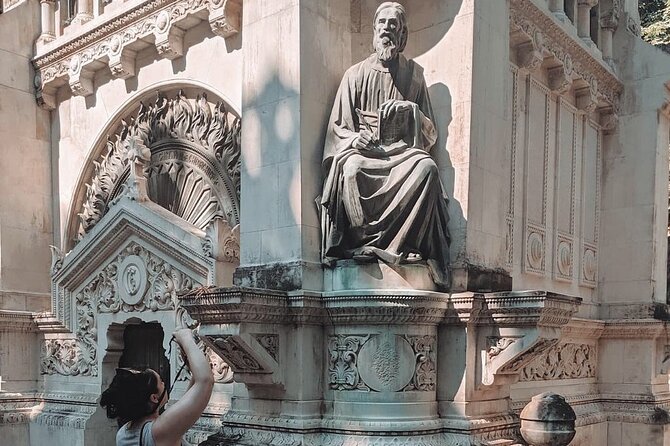
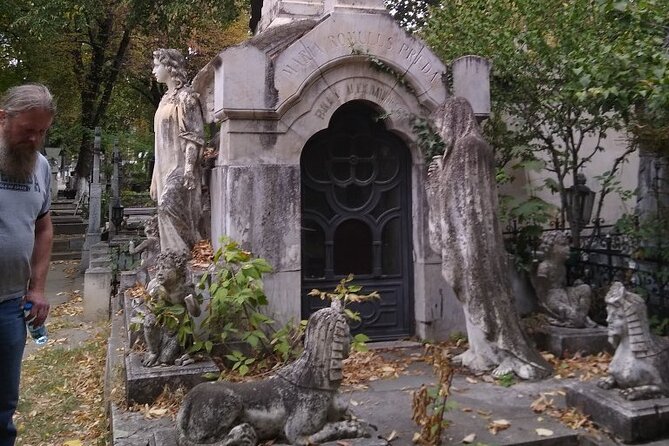
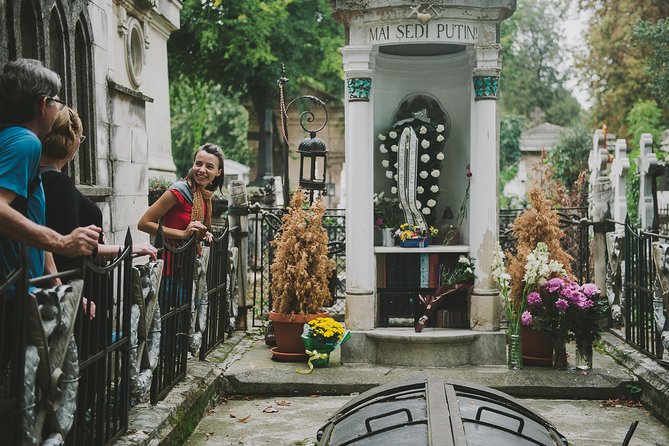
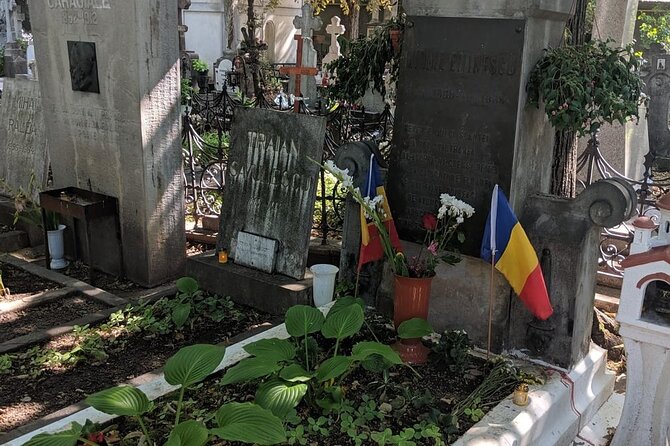
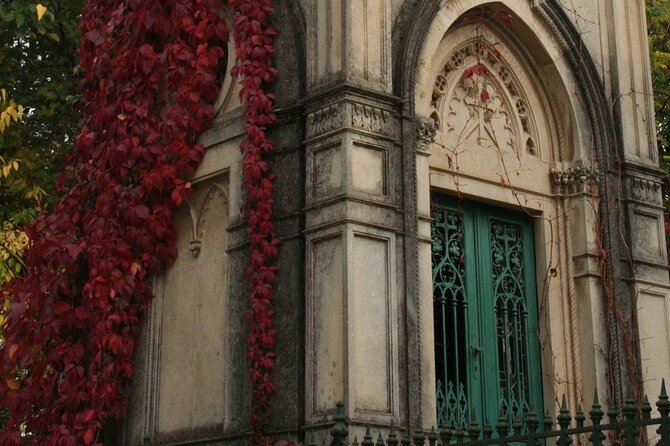
Bellu Cemetery is the heart of the experience. You will walk among crypts and tombstones in Cimitirul Serban Voda-Bellu, and the guide’s job is to make the stonework feel personal. This cemetery is described as the first modern graveyard in Bucharest, and that alone gives it weight. But what you are really here for is the mix of architecture, love stories, and mystery-like details that connect to real lives.
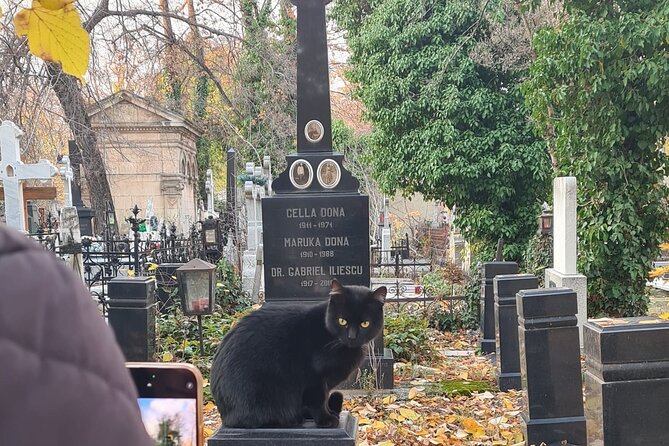
From what people say after the tour, the guides tend to bring the monuments to life with short anecdotes that turn dates into faces. Vlad and Elena are both mentioned for making Bellu feel vivid and human, and humor shows up often even while the stories remain serious. One account even mentions a memorial detail that includes cats, which tells you the guide is paying attention to how locals remember, not just what happened.
Practical tip: go in expecting a quieter emotional mood. You are spending a focused hour here, so plan your mindset. This is also a strong choice if it is your first time in Bucharest, because it gives you a context for how the city handles memory.
What could be tough for some people: if you are sensitive to death-related settings, you might find the cemetery atmosphere a lot. If you are the kind of traveler who wants only bright views and casual sightseeing, you may want to pair this tour with a lighter afternoon plan.
Undecided? Here is what else Bucharest had on the shelf when we last looked.
University Square: protest energy and the long chain of change
After Bellu, you head to the University’s Square area, with about 20 minutes here. The theme shifts from personal memory to public action. This is described as the starting point of major protests in recent Romanian history, with attention on the victims from the 1989 Revolution and the people who believed in an occidental future. The tour also connects the 1980s to later public struggles, including the miners in the 1990s and a more recent anticorruption push, all starting from this same place.
Even with only a short time window, the value comes from how the guide ties events together. You are not just learning what happened on one day. You are understanding how a place can become a repeat stage for courage, anger, and hope.
One reason this works: it is quick but meaningful. If you like walking tours that explain how a city’s street corners become symbols, you will appreciate this stop. You also get a break from the heavier cemetery mood without the day turning into a casual sightseeing loop.
Calea Victoriei: scandal and survival in the early 20th century
Calea Victoriei is next, and the tour time here is about 40 minutes. This stretch brings you to the beginning of the 20th century, before the Communist regime took power. The tone gets more “social history” and less overtly political, but it is still part of the darker side of Bucharest.
The tour shares a specific, startling snapshot from 1927: around 12,000 prostitutes and escorts working in Romania. It also includes the story of Zaraza, described as a gypsy dancer, a figure tied to those scandalous times. This is the kind of detail that makes a city feel real, because it shows the under-the-surface economy and the limits placed on people who lived outside the approved norms.
I like that the guide does not treat this as gossip. Instead, it becomes a lens for how Bucharest functioned socially and economically. It also helps you balance the later communist-era topics. Without this middle stop, you would jump from memorials to revolution without seeing how everyday life has always carried its own strain.
Consideration: if you strongly dislike sexual or exploitation-related stories, this section might feel uncomfortable. The tour does not promise to sanitize history, and the overall concept is meant to show the darker threads that link eras.
Revolution Square: the emotional center of the communist collapse story
Then you reach Piaka Revolukiei, which refers to the Revolution Square area. This portion is about 20 minutes, but it is the most emotionally charged stop on the route. Expect the guide to talk about the Romanian gulag, the cruel dictator Nicolae Ceausescu, and the difficult life in the 1980s for local people.
You also get a specific moment in time: 22nd December 1989, when shootings took place and many innocent people died facing Securitatea, the secret police. The tour frames Revolution Square as a symbolic end to the communist regime in Romania, and that framing matters because it turns a public landmark into a moral checkpoint.
If you are the type of traveler who likes history connected to real consequences, this is the part that usually makes people stop talking. Guides are often praised for pairing candor with a careful sense of tone, including humour used sparingly when it fits the storytelling flow.
Practical mindset tip: bring patience for silence. You will likely feel the weight of the story here, even if you are not from Romania.
Subway transportation and the street snack: how the route stays smooth
Logistics on this tour are simpler than many “walk plus one stop” tours, because subway transport is included. You start at the Ion Luca Caragiale National Theatre on Bulevardul Nicolae Bălcescu 2, and you end at Revolution Square in front of the Ministry of Internal Affairs. The tour begins at 3:00 pm.
That matters because you are not stuck guessing transit at the exact moment you are most likely to be tired or distracted. One review mentions getting into the underground right away and catching a train to the graveyard, then moving back through the city on foot. Even if you do not memorize the exact transit path, the structure helps the day feel organized.
Included in the ticket is a street snack and a local guide. Food and drinks beyond that are not included unless specified. In one account, a guide even provided enough water for a very hot day, including a mention of a 38 C heat index. That is not something you should assume every time, but it is a good sign that at least some guides plan for comfort when weather turns.
My practical advice: if you tend to get thirsty, bring a refillable bottle when you can. Also, bring a light layer. Underground spaces can swing in temperature.
The guides: why the storytelling quality is the real selling point
This tour lives or dies on the guide. The reviews make it clear that the best part is how the stories get told, not just which locations you visit.
Names that show up again and again include:
- Vlad, praised for expressing himself clearly in English and for strong anecdotes around Bellu Cemetery and the revolution history.
- Elena, praised for weaving history and folklore together with humor and for making the stories feel personal.
- Alex and Andra, praised for keeping the pace exciting and for answering questions with candor.
- Bogdan and Irina, praised for connecting less known facts and for making the darker tone feel understandable.
What I like most is that humour shows up in the right places. You are not asked to treat tragedy as entertainment. Instead, the jokes and light moments often help you stay present, so you can actually absorb the facts. A couple of guides are also noted for small thoughtful touches, like cats at the cemetery or a pretzel handed out during the day.
If you want a tour where the city becomes a set of living stories, this is exactly that.
Price and value: what you are really paying for
The price is $48.39 per person for about 3 hours. That is not just for “walking around with someone holding a map.” You get:
- A local guide who tells the story in English
- Subway transportation included
- A street snack
- Small group size up to 12 people
If you are the type of traveler who usually spends extra on entry tickets and transit, this is a straightforward value deal. Also, multiple stops are listed as having free admission, which means your money goes primarily to guidance and storytelling rather than fees.
In other words, you are paying for interpretation. Bucharest’s darker sites are not always obvious to understand on your own, especially when you want the chain of events from 1989, the social reality around earlier decades, and the emotional meaning carried by specific places. If that is what you want, the price starts to feel fair fast.
Who should book, and who might skip this one
This tour fits best if you:
- Want a more complete understanding of Bucharest, beyond architecture and cafés
- Like walking tours with strong narrative structure
- Enjoy political and social history told with human details
- Prefer small groups and active Q and A moments
This tour might not fit if you:
- Want a light, fun afternoon with minimal heavy content
- Dislike cemetery settings
- Are traveling with children, because it is not recommended for child aged 15 and under
- Have trouble with moderate physical activity, since the route is walking-based and you are out for about 3 hours
One more honest note: the word dark in the tour title is accurate. You will hear about imprisonment systems like the gulag and the secret police, and you will cover the violence of 1989. That is the point, so choose it intentionally.
Should you book Darkside Tour of Bucharest – small group?
If you want Bucharest with context, this tour is a strong yes. The overall rating is 4.9 with 139 reviews, and it is recommended by 98% of people. That usually means the guide quality and the storytelling approach consistently deliver.
Book it if Bellu Cemetery and the 1989 Revolution story feel like the kind of history you want to understand, and if you are okay with an emotionally serious tone. If you are in town for only a short time and want to learn how the city’s past connects to the present, this route is a smart way to spend 3 hours.
Skip it if you are chasing only “pretty” sights or if you want zero intensity. In that case, Bucharest has plenty of other directions to go.
FAQ
How long is the Darkside Tour of Bucharest
It runs for about 3 hours.
What group size should I expect
The tour has a maximum of 12 travelers.
Is the tour offered in English
Yes, it is offered in English.
Where do I meet, and where do we end
You meet at the Ion Luca Caragiale National Theatre, Bulevardul Nicolae Bălcescu 2, București. The tour ends at Revolution Square (Piața Revoluției) in front of the Ministry of Internal Affairs.
What is included in the tour
The price includes a local guide, subway transportation, and a street snack.
Are food and drinks included
Food and drinks are not included unless specified. The tour includes a street snack.
Is this tour suitable for children
It is not recommended for children aged 15 and under.
Are service animals allowed
Yes, service animals are allowed.
What if weather is bad or I need to cancel
The experience requires good weather. If it is canceled due to poor weather, you will be offered a different date or a full refund. Cancellation is free up to 24 hours in advance for a full refund.
Whatever Else Bucharest Is Selling
- Bucharest to Dracula Castle, Peles Castle and Brasov Guided Tour
★ 4.5 · 2,933 reviews - Bucharest: Palace of Parliament Tickets and Guided Tour
★ 4.4 · 1,877 reviews - Transylvania and Dracula Castle Full Day Tour from Bucharest
★ 4.5 · 1,589 reviews - Bucharest: City Highlights Guided Walking Tour
★ 4.9 · 1,482 reviews - From Bucharest: Brasov Peles & Dracula’s Castle Day Tour
★ 4.5 · 1,244 reviews
Everything Else We Reviewed In Bucharest
- Bucharest: Dracula’s Castle, Peles Castle, & Brasov Old Town
★ 4.5 · 17,858 reviews - Bucharest: Dracula Castle, Peles Castle & Brasov Old Town
★ 4.6 · 10,891 reviews - Bucharest: Dracula’s Castle, Peleș Castle & Brașov Day Trip
★ 4.5 · 5,919 reviews - Bucharest: Palace of Parliament Tickets and Guide
★ 4.3 · 3,182 reviews - Bucharest: Day Trip to Dracula Castle, Peles Castle & Brașov
★ 4.4 · 3,049 reviews
Recently added around Bucharest
- Private Tasting Expedition Along Romania’s Most Famous Wine Route★ 5.0 · 3 reviews
- Private Guided Tour of Peles Castle and Bran Castle from Bucharest★ 5.0 · 3 reviews
- Private Sightseeing Tour of Bucharest★ 4.5 · 3 reviews
- Discover Europe’s Deepest Mines & Peles Castle’s Royal Charm★ 5.0 · 3 reviews
- Bucharest City Tour and Wine Tasting★ 5.0 · 3 reviews
Tours, compared.
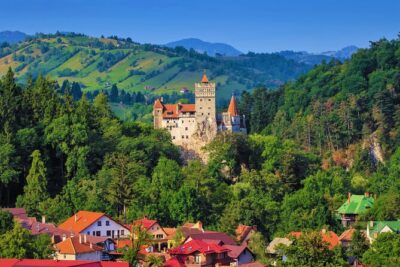 ★ 4.5Bucharest to Dracula Castle, Peles Castle and Brasov Guided TourFrom $332,933 reviews
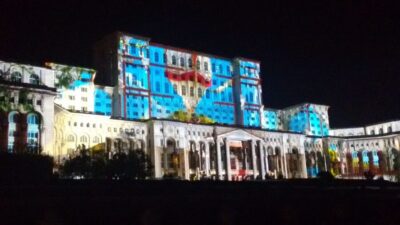 ★ 4.4Bucharest: Palace of Parliament Tickets and Guided TourFrom $281,877 reviews
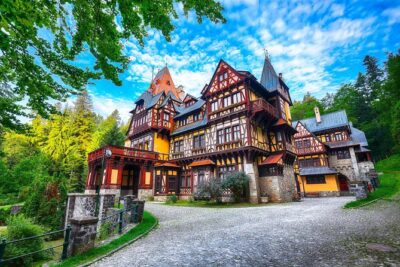 ★ 4.5Transylvania and Dracula Castle Full Day Tour from BucharestFrom $351,589 reviews
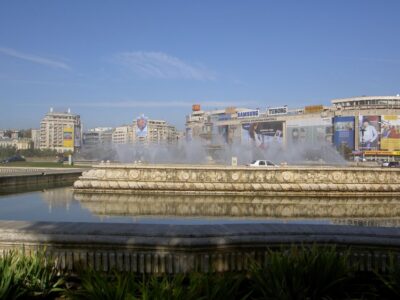 ★ 4.9Bucharest: City Highlights Guided Walking TourFrom $211,482 reviews
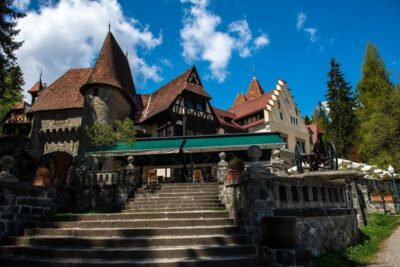 ★ 4.5From Bucharest: Brasov Peles & Dracula’s Castle Day TourFrom $651,244 reviews
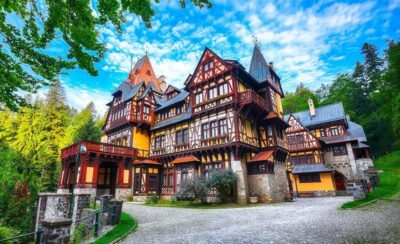 ★ 4.5Bucharest: Peles Castle, Bran Castle, & Brasov Old Town TourFrom $401,035 reviews
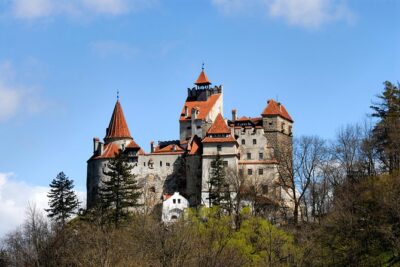 ★ 5.0From Brasov: Small-group tour Bran, Rasnov, and Peles CastlesFrom $82949 reviews
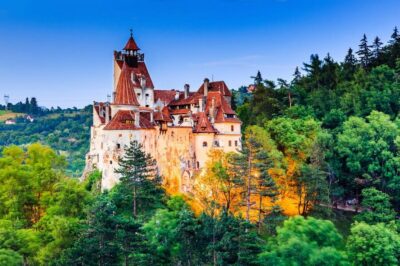 ★ 4.4Bucharest: Peles Castle, Bran Castle, & Brasov Full-Day TourFrom $31879 reviews