
REVIEW · PRIVATE
Private 8 Day Romania UNESCO Tour
Romania’s UNESCO sites are not cookie-cutter. This private 8-day route strings together wooden churches and painted monasteries, plus castles and fortified towns, with a guide and car the whole way. I like that the tour is built around everyday Romanian life too, not just famous landmarks.
Two things I especially like: you get real time in places like Sibiu’s old district and Sighisoara’s citadel (walkable, not rushed), and you also get hands-on culture through village visits, craftsmen stops, and tastings. One drawback to plan for is that many entrances are not included, so you should budget extra for tickets across the route.
In This Review
- Key Points at a Glance
- How This Private Romania UNESCO Tour Feels in Real Life
- Day-By-Day Travel Flow, Without the Rush
- Bucharest Panoramas and Cozia Monastery Set the Tone
- The Sibiu Old District Walk, Plus a Wagon Dinner in Sibiel
- Corvin Castle and Alba Iulia: Fortresses With Layers
- Cluj-Napoca Walking Time Before Maramures Wooden Churches
- Maramures Cemetery, Tall Wooden Churches, and Village Life
- Painted Monasteries of Bucovina: Moldovita and Sucevita
- Voronet, Red Lake, Bicaz Gorges, and the Road Back
- Sighisoara Citadel, Prejmer Fortified Church, and Brasov’s Medieval Core
- Bran Castle and Peles Castle, Then Back to Bucharest
- Price and Value: What $2,315.49 Buys You
- What’s Most Praised Here, and Why You’ll Feel It
- Who Should Book This Tour
- Quick Decision: Should You Book?
- FAQ
- Are entrance tickets included?
- Is this tour really private?
- Where do we meet the guide, and what time?
- What meals are included?
- Which UNESCO sites are on the route?
- When does the tour end and where is the drop-off?
Key Points at a Glance
- Private guide from start to finish: pickup from your Bucharest hotel, plus full-time assistance and Q&A.
- UNESCO hits in two regions: Maramures wooden churches and Bucovina painted monasteries, plus several related historic sites.
- More than sightseeing: a horse-driven wagon tour and home-style dinner in the countryside, plus food tastings like jam and syrup.
- A real Transylvania arc: medieval Transylvanian towns, fortified churches, and defensive city structures in the itinerary.
- Carpathian scenery stops: you pass major natural viewpoints like Bicaz Gorges and Red Lake on your way back toward Transylvania.
- Optional detours: you may be able to add choices like the Communist Prison Museum, depending on preferences and time.
How This Private Romania UNESCO Tour Feels in Real Life
This is a private, guided Romania trip that starts and ends in Bucharest, with about a week plus change of driving through some of the country’s most identity-forming regions. You’re not hopping between unrelated stops. The route flows from the capital into Transylvania, up into Maramures, across to Bucovina, and then back through central Transylvania.
For me, the best value in this format is the guidance. A private guide matters on day trips in Romania because so many sights are best understood with context: who built what, why fortifications look the way they do, and how local traditions connect to faith and daily work. The tour is also structured so you get both big-name places and smaller stops that explain the bigger story.
One more thing that affects your experience: you are mixing city walks with countryside time. That gives variety, but it also means you should pack for long days of travel, then follow with slower afternoons when you get to places like Sibiel, Botiza, or Sighisoara.
Day-By-Day Travel Flow, Without the Rush
The private end of Bucharest
Bucharest Panoramas and Cozia Monastery Set the Tone
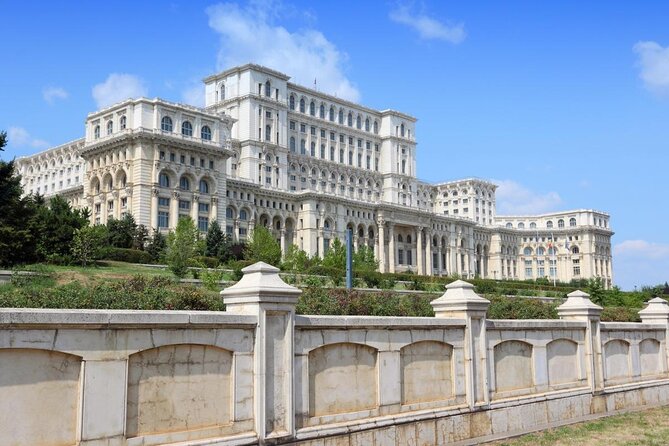
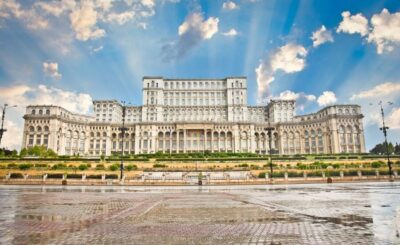
You start in Bucharest at 9:00 AM with pickup from your hotel. From there, you get a panoramic orientation view of major landmarks like the Parliament Palace, Revolution Square, the Athenaeum, the Royal Palace, Triumph Arch, and Victoriei Avenue.
This first day is doing something smart. It helps you get oriented in the capital before the trip turns into medieval towns and mountain regions. Revolution Square is also a good early “history compass,” because 1989 is tied to how modern Romania thinks about independence and change.
Then you head to Cozia Monastery, a late 14th-century church style standout and the burial place of Mircea the Old. Cozia is not a huge time sink, and admission is listed as free, so it works as a meaningful start without stealing your whole day.
The Sibiu Old District Walk, Plus a Wagon Dinner in Sibiel
After Cozia, the tour spends time around Sibiu, including a walking tour of the Old District. You’ll see key squares (Big Square and Small Square), the Staircase Tower, Lier’s Bridge, and the major cathedrals tied to Lutheran, Catholic, and Orthodox communities. This part is valuable because the city layout is the point. You understand Sibiu fast when you can walk and connect the dots.
The itinerary also includes short church stops as part of that walking day, then it shifts out to the countryside with a drive to Sibiel. Sibiel is where the tour gets hands-on: you can enjoy a horse-driven wagon tour through the village and then have a home-made dinner using traditional products.
This is one of the most “worth it” pieces of the trip, because it changes your perspective from monuments to people. Even if you’re mostly traveling for UNESCO, this type of countryside meal is where the trip starts to feel personal.
Corvin Castle and Alba Iulia: Fortresses With Layers
From Sibiu area, the route heads toward Hunedoara for the Corvin Castle, also known as Hunyad Castle. This is described as Romania’s biggest medieval castle dating to the 15th century, and it served as a residence for the Transylvanian governors. Admission is not included, so you should plan a ticket budget here.
Next comes Alba Iulia, a city with ancient Roman roots and a major later role tied to the Union. You can visit Orthodox and Catholic cathedrals, plus fortification systems built in the Vauban style. The Roman ruins are also included as a visible reminder that Transylvania has always been a crossroads.
Alba Iulia is a good day because it balances awe with understanding. Castles tell you who had power. Fortifications tell you what threats mattered. Ruins tell you what was already there before the medieval story took over.
Cluj-Napoca Walking Time Before Maramures Wooden Churches
Cluj-Napoca is the tour’s Transylvanian “city day.” You get a walking tour focused on places like St Michael’s Cathedral and Union Square, plus Museum Square and other central monuments. It’s a chance to connect Transylvania’s medieval and religious architecture to everyday urban life.
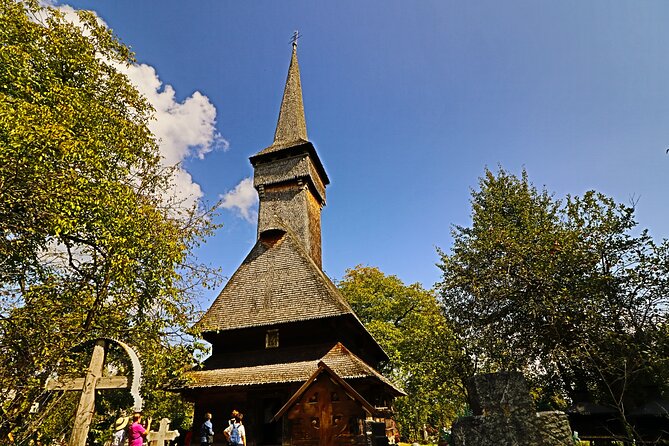
Then the trip climbs north into Maramures, known for wooden church traditions and well-preserved customs. You stop first at Surdesti wooden church (listed UNESCO), then at Desesti for the Church of the Holy Paraskeva (also UNESCO). In both cases, the point is not just the buildings, it’s the craft behind them and the way these wooden structures still hold up visually at major heights.
There’s also time to see craftsmen work, including stops related to traditional weaving and wood carving, plus a look at household life and a local sheepyard depending on season. Maramures is where your trip starts to feel like a cultural exchange rather than a sightseeing list.
Maramures Cemetery, Tall Wooden Churches, and Village Life
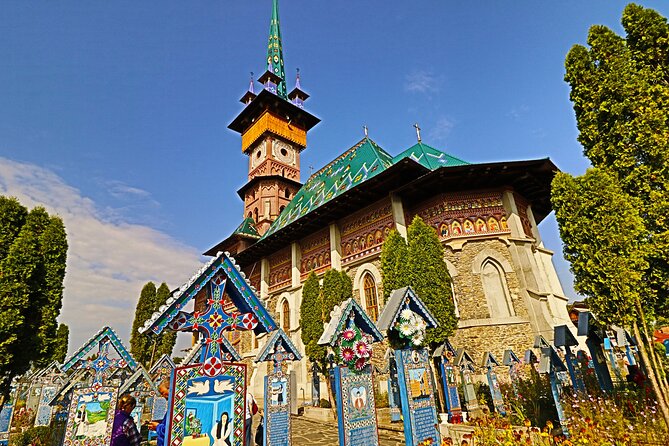
Maramures continues with the Sapanta Merry Cemetery, famous for colorful tombstones with funny poetic texts. It’s unusual, but that’s exactly why it sticks. You end up learning something about local attitudes toward death and storytelling through art.
Right after, you can see Sapanta Peri, described as the highest wooden church from the world, and then the Sapanta-Peri Monastery. This monastery is tied to revival of an older tradition, with a tower height listed as 78 meters and recognition in the Guinness Book.
The route then passes Sighet and may include an optional stop at the Communist Prison Museum. That option matters if you want 20th-century context in the same region that preserves 18th-century building traditions.
Later in the day, there’s the Maramures Woman Museum in Dragomiresti. This stop is small but focused on how people from Maramures lived, with a lot of explanation through wooden gate symbolism. Then you visit Bogdan Voda Wooden Church (UNESCO), with beautiful frescoes painted on wood.
Finally, you return to Botiza for time at leisure in the village and another countryside night. This is where you recharge between big visits.
Painted Monasteries of Bucovina: Moldovita and Sucevita
The trip crosses the Carpathians into Bucovina, and the drive itself becomes part of the experience. You pass through villages like Ciocanesti, known for decorated houses and the painted eggs tradition, and you have an optional local museum stop.
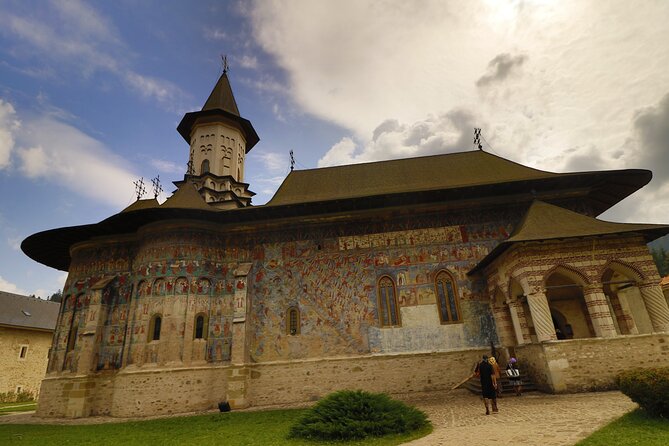
Then Bucovina’s UNESCO painted monasteries take center stage. You visit Moldovita Monastery, built in the 15th to 16th centuries, known for preserved interior and exterior frescoes and an imposing fortress-like feel with thick walls and towers. Admission is not included, so keep ticket time and budget in mind.
Next comes the Lucia Condrea Museum focused on painted eggs, which adds a different angle to the “painted tradition” theme. You’re seeing artistry, symbolism, and technique, not just religious imagery.
Then Sucevita Monastery, described as the most magnificent painted monastery in the region, looks like a fortress with watch roads and multiple towers. It’s a strong finale for the painted-monastery theme before the trip starts heading back toward Transylvania.
You also stop for black pottery at Ceramica neagra Marginea, where a family workshop uses old technology. This is a great pairing with monastery frescoes, because you’re comparing paint styles and craft traditions across media.
Voronet, Red Lake, Bicaz Gorges, and the Road Back
After Bucovina, you make your way toward the Voronet Monastery. Voronet is founded in 1488 by Stephen the Great and is famous for its striking blue fresco background and the Last Judgment scene. Admission is listed as not included here, so budget accordingly.
Then the itinerary gives you major nature stops while you cross back through the Carpathians toward Transylvania. You pass Red Lake and then Bicaz Gorges, described as one of Romania’s most impressive natural sights. Both are free in the itinerary, so you can enjoy them without added ticket cost.
Even though these are short stops, they work. They break up the long driving days and give you a “big sky” contrast to the dense architecture of cities and monasteries.
You finish the day in Sighisoara.
Sighisoara Citadel, Prejmer Fortified Church, and Brasov’s Medieval Core
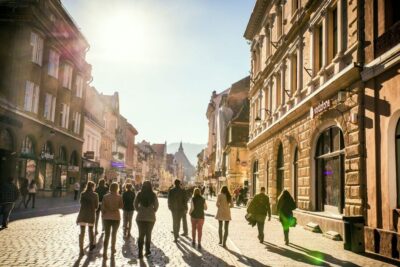
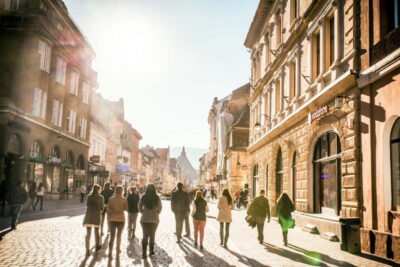
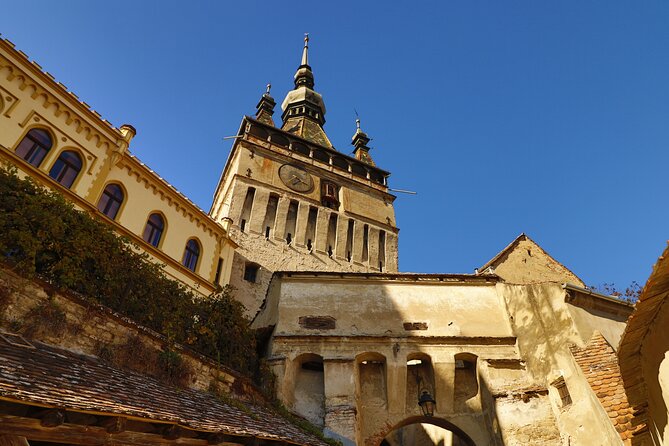
Sighisoara is “old town walk” time. The medieval town center is part of UNESCO, and it’s described as one of the best preserved medieval towns in Europe. You get a walking tour and a visit to the citadel area, built in the 13th century by German Saxon settlers.
You then drive through villages and stop at Saschiz for jam, chutney, and syrup tasting. This is another thoughtful cultural pause: you’re tasting local products rather than only photographing them.
Next comes Prejmer’s Peasant Fortified Church, UNESCO and dating to the 13th century. It’s a defensive and religious structure, and that combination is the big idea. In much of Transylvania, faith and defense overlap because communities had to protect themselves.
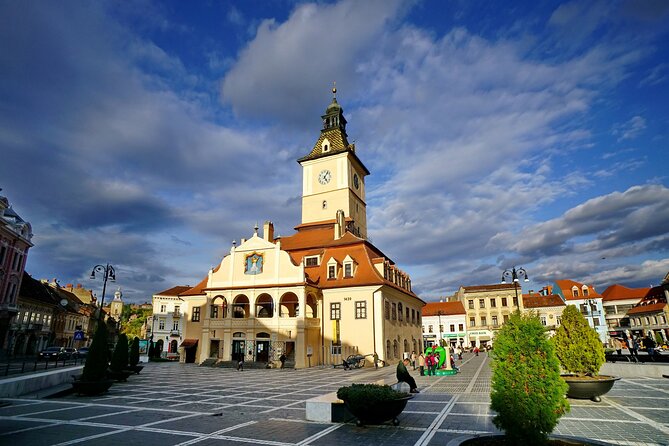
In the afternoon, you move to Brasov. The medieval center walking tour covers Concil Square, Black Church, White and Black Towers, Weaver’s Bastion, and Ecaterina’s Gate. You’ll also have time at Black Church (Biserica Neagra) and the Weavers Bastion, both listed as part of the walk.
This portion of the trip is ideal if you like Gothic details and medieval street patterns. It’s also where Brasov’s defensive planning becomes easy to visualize when you walk from gate to tower.
Bran Castle and Peles Castle, Then Back to Bucharest
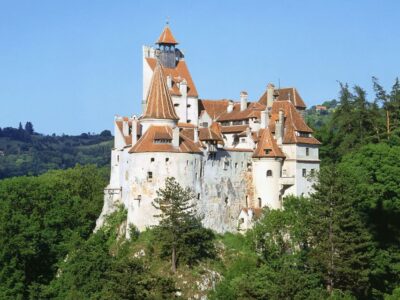
In the morning, you visit Bran Castle, often called Dracula’s Castle. It dates to the 14th century and is described as controlling access in Transylvania. Admission is not included, so plan ahead.
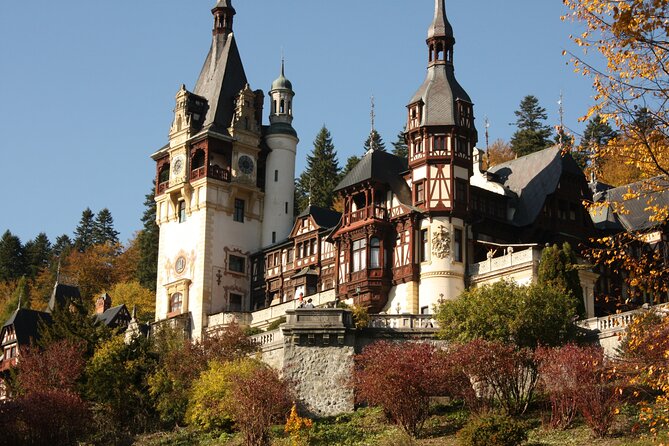
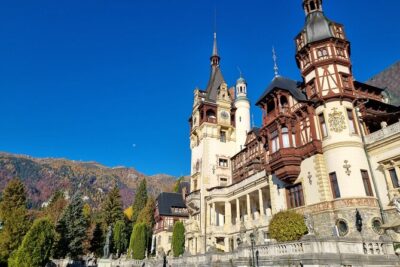
Then you head to Sinaia for Peles Castle, the former summer residence of Romania’s kings. The itinerary notes it as one of the nicest royal residences in Europe. Admission is not included, so this is another place where you’ll likely want to set aside time for entry.
Finally, you return to Bucharest for a drop-off at about 16:00, at either the airport or your Bucharest hotel.
This ending is a nice contrast to the first day. You go from monastery and medieval towns to royal interiors, then back to the modern capital.
Price and Value: What $2,315.49 Buys You
At $2,315.49 per person, this isn’t a budget trip. But it is also not just a list of sights. You’re paying for a private guide, transport with a car or minibus, and seven nights in double or twin rooms.
The inclusions matter: breakfast is included for seven days, and dinner is included for three days. You also get specific cultural additions like the horse-driven wagon tour and home-style dinner in the Sibiu area, visits to local craftsmen, and the jam, chutney, and syrup tasting.
Entrance tickets are the main extra cost. The itinerary notes about 85 euro for admissions, and it also lists some sights as free and others as not included. So the smartest approach is to treat entrance fees as your variable line item, then plan your time and budget accordingly.
If you want a tour that feels like a guided narrative across multiple UNESCO regions, this price starts to look more reasonable. If you only care about a few monuments and prefer DIY travel, you might find better value with a shorter route. But for an 8-day UNESCO sampler of Romanian variety, private transport is a huge convenience.
What’s Most Praised Here, and Why You’ll Feel It
The strongest praise points in the experience are about balance and understanding. You’re not only seeing monuments, you’re building a mental map for how art, faith, craft, and local life connect across regions.
The private guide angle also shows up again and again. The guide approach is described as friendly, helpful, and willing to answer questions and adjust advice to your pace. That matters because UNESCO routes can feel like an overload if you don’t get context.
Finally, the trip’s mix of countryside nights and city nights is a big deal. When you stay in local guest houses or pensions, the trip becomes less about checking boxes and more about how daily life looks when you’re not just walking through a town for an hour.
Who Should Book This Tour
This fits best if you want:
- UNESCO coverage across Maramures and Bucovina, not just one region
- a private guided experience with a car, so you can spend time inside sights instead of stressing over connections
- culture with real-world touches, like local food tastings and craftsmen stops
- a combination of cities and countryside nights
It might be less ideal if you hate long driving days, because the route crosses multiple regions and still has plenty of stop-and-see segments.
Quick Decision: Should You Book?
I’d book this if you want a full, guided UNESCO story from Bucharest that covers wooden churches, painted monasteries, medieval fortified towns, and major castle sites, with real time in villages. I would pass or consider a shorter version if you mainly want only the most famous castles, because the value here comes from the breadth and the local culture that surrounds those landmarks.
If you do book, plan for extra entrance spending and build in patience for driving. You’ll get your best results when you treat this like a guided route through Romanian identity, not a sprint between photos.
FAQ
Are entrance tickets included?
No. The tour lists many sites with admission free, but it also notes entrance tickets are not included for certain stops, with an approximate total of about 85 euro.
Is this tour really private?
Yes. It is a private guided tour, meaning only your group participates.
Where do we meet the guide, and what time?
You meet the tour guide at 9:00 AM in the morning at your hotel in Bucharest.
What meals are included?
Breakfast is included for seven days, and dinner is included for three days.
Which UNESCO sites are on the route?
The tour includes UNESCO sites such as wooden churches in Maramures and painted monasteries in Bucovina, plus other listed historic sites connected to UNESCO.
When does the tour end and where is the drop-off?
The tour ends in Bucharest at around 16:00, with drop-off at either the airport or a hotel in Bucharest.
The Private End Of Bucharest
- Castles of Transylvania: Private Day Trip from Bucharest
★ 4.5 · 248 reviews - Dracula’s Castle, Peles Castle and Brasov – Private Day Trip from Bucharest
★ 5.0 · 211 reviews - Best of Bucharest | Private Walking Tour
★ 5.0 · 199 reviews - Bucharest Panoramic Sightseeing – Private City Tour
★ 5.0 · 128 reviews - THERME “Take It Easy” Pack: Full Spa Access + Private Transfers
★ 4.0 · 117 reviews
Whatever Else Bucharest Is Selling
- Bucharest to Dracula Castle, Peles Castle and Brasov Guided Tour
★ 4.5 · 2,933 reviews - Bucharest: Palace of Parliament Tickets and Guided Tour
★ 4.4 · 1,877 reviews - Transylvania and Dracula Castle Full Day Tour from Bucharest
★ 4.5 · 1,589 reviews - Bucharest: City Highlights Guided Walking Tour
★ 4.9 · 1,482 reviews - From Bucharest: Brasov Peles & Dracula’s Castle Day Tour
★ 4.5 · 1,244 reviews
Everything Else We Reviewed In Bucharest
- Bucharest: Dracula’s Castle, Peles Castle, & Brasov Old Town
★ 4.5 · 17,858 reviews - Bucharest: Dracula Castle, Peles Castle & Brasov Old Town
★ 4.6 · 10,891 reviews - Bucharest: Dracula’s Castle, Peleș Castle & Brașov Day Trip
★ 4.5 · 5,919 reviews - Bucharest: Palace of Parliament Tickets and Guide
★ 4.3 · 3,182 reviews - Bucharest: Day Trip to Dracula Castle, Peles Castle & Brașov
★ 4.4 · 3,049 reviews
Recently added around Bucharest
- Private Tasting Expedition Along Romania’s Most Famous Wine Route★ 5.0 · 3 reviews
- Private Guided Tour of Peles Castle and Bran Castle from Bucharest★ 5.0 · 3 reviews
- Private Sightseeing Tour of Bucharest★ 4.5 · 3 reviews
- Discover Europe’s Deepest Mines & Peles Castle’s Royal Charm★ 5.0 · 3 reviews
- Bucharest City Tour and Wine Tasting★ 5.0 · 3 reviews
Private, compared.
 ★ 4.5Castles of Transylvania: Private Day Trip from BucharestFrom $151248 reviews
 ★ 5.0Dracula’s Castle, Peles Castle and Brasov – Private Day Trip from BucharestFrom $199211 reviews
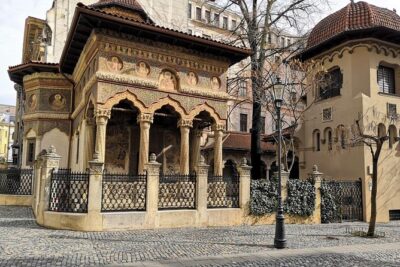 ★ 5.0Best of Bucharest | Private Walking TourFrom $314199 reviews
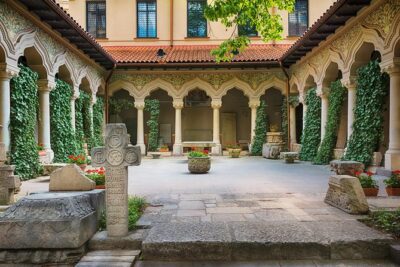 ★ 5.0Bucharest Panoramic Sightseeing – Private City TourFrom $101128 reviews
 ★ 4.0THERME “Take It Easy” Pack: Full Spa Access + Private TransfersFrom $118117 reviews
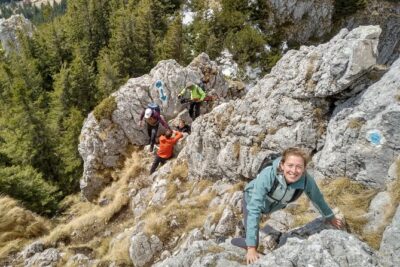 ★ 5.0Piatra Craiului National Park Private Hiking Tour from BrasovFrom $126116 reviews
 ★ 5.04h Bucharest Private Tour (2h by Car and 2h Walking in Old Town)From $10090 reviews
 ★ 5.0Discover Bucharest: Private Highlights and Traditional Food TourFrom $14386 reviews