
REVIEW · SIGHIȘOARA
From Brasov: Small-Group Half-Day Fortified Churches Tour
Fortified churches in Transylvania feel like a history lesson with walls. This small-group half-day tour from Brașov takes you to UNESCO sites that were built to survive raids, where the architecture itself teaches you how people lived and defended their communities. I love that the guide explains what you’re looking at without turning it into a textbook.
Two stops do most of the heavy lifting: Prejmer and Hărman. At Prejmer, you get the Latin-cross layout, Gothic details, and serious defensive engineering, including walls that reach about 14 meters high and 5 meters thick. At Hărman, you’ll walk past the tower and moat area, then see medieval paintings dating back to the 13th century.
One thing to consider is the time limit. This is a 3.5-hour tour with about an hour of guided time at each church, so if you like lingering forever, plan for a return visit later. Also, no food or drinks are included, so bring water or a small snack for the drive.
In This Review
- Key highlights worth circling
- Entering Transylvania’s fortified church world from Brașov
- Safrano Palace pickup and small-group comfort (the practical stuff)
- Prejmer UNESCO: Latin cross design and real defensive walls
- Hărman church: Roman base, Gothic-inspired design, and medieval paintings
- Why the Saxons (Sasi) explanation changes how you see the churches
- Timing, what to bring, and how to get the most out of 3.5 hours
- Price and value: $69 for two UNESCO sites and guided interpretation
- Who should book this tour, and who might want something else
- Should you book Prejmer and Hărman from Brașov?
- FAQ
- Where does the tour start in Brașov?
- How long is the small-group half-day tour?
- How many fortified churches do you visit?
- Are Prejmer and Hărman UNESCO sites?
- What do we see at Prejmer?
- What do we see at Hărman?
- Is this an English-speaking tour?
- What’s included in the price?
- Is food included?
- What are the cancellation and reserve options?
Key highlights worth circling
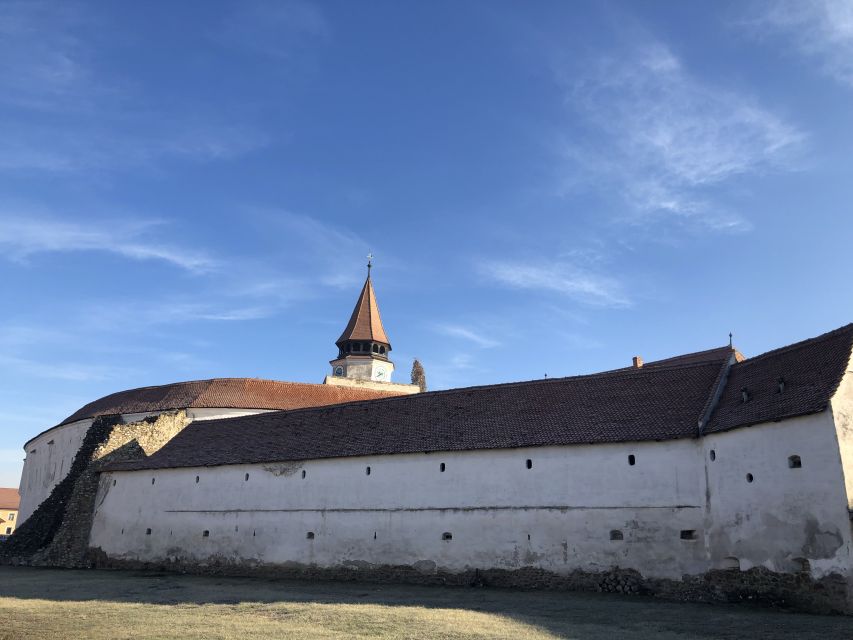
- Prejmer’s fortress church with Latin-cross design and UNESCO recognition
- Hărman’s mix of Roman base and Gothic-inspired features, plus 13th-century paintings
- Defensive architecture you can actually see, including a moat area at Hărman and huge walls at Prejmer
- A small group limited to 8, which helps the guide keep explanations clear and personal
- Expert English guidance, with multiple guides praised for being friendly, punctual, and practical
Entering Transylvania’s fortified church world from Brașov
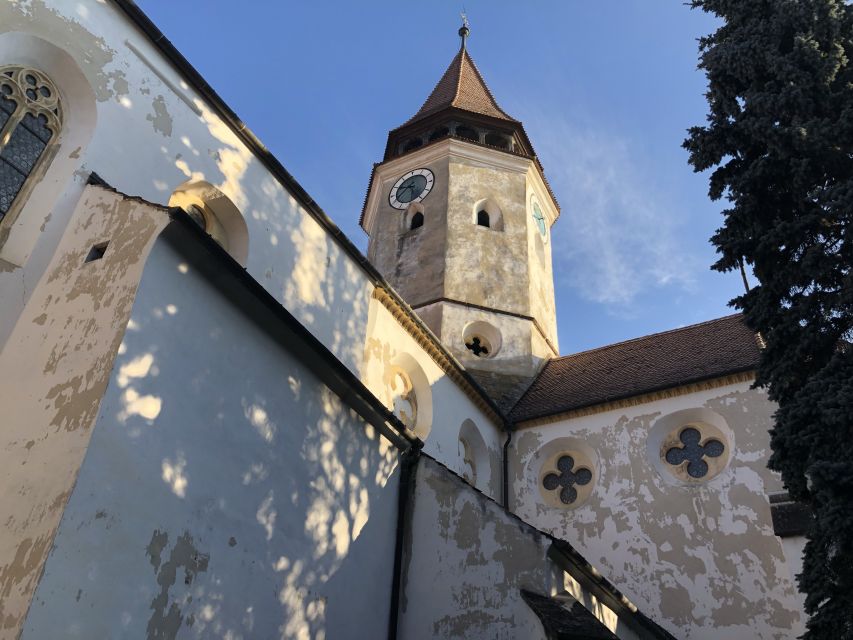
If you’ve ever wondered why Transylvania’s medieval towns seem to have church walls that look like something from a castle, this tour gives you the reason in plain language. The Saxon settlers, known locally as the Sasi, helped shape the region’s strongholds, and fortified churches became a practical answer to frequent threats.
You also get the benefit of timing. In only 3.5 hours, you see two major examples instead of doing a complicated day of driving and planning. It’s a smart way to get context fast, especially if your schedule in Brașov is tight.
The vibe is calm, not rushed, and that matters here. When you’re standing in a place designed for defense, it’s easy to miss the meaning if nobody explains it. With an English-speaking guide, the sites click into focus: why the layout matters, why the walls were built where they are, and how worship and protection overlapped.
Safrano Palace pickup and small-group comfort (the practical stuff)
The tour starts at Safrano Palace, and the format is designed for an easy morning or afternoon. You get hotel pickup and drop-off, so you’re not wrestling with local transit or figuring out where to park. Transportation is included, and the group size stays small, limited to 8 participants.
That small-group cap is more than a marketing detail. It usually means fewer people competing for the guide’s attention, and you can ask follow-up questions when something specific catches your eye, like the thickness of a wall or how a tower fits into the defensive plan.
One small consideration is that you’ll spend a good chunk of the half-day moving between sites. Most of the time on the ground is guided, about an hour at each church, so wear comfortable shoes and come ready to look up as much as you look forward.
Still in Brasov? Keep going.
Prejmer UNESCO: Latin cross design and real defensive walls
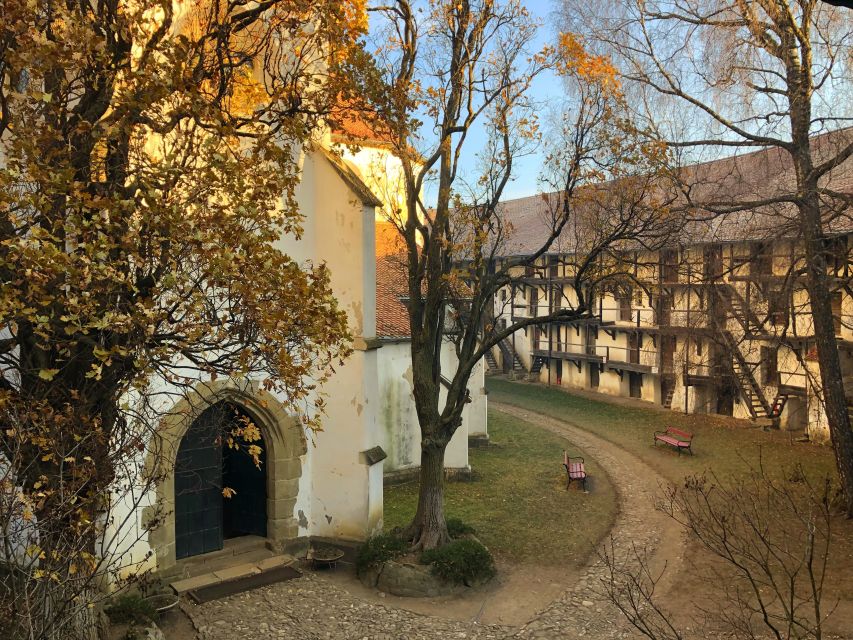
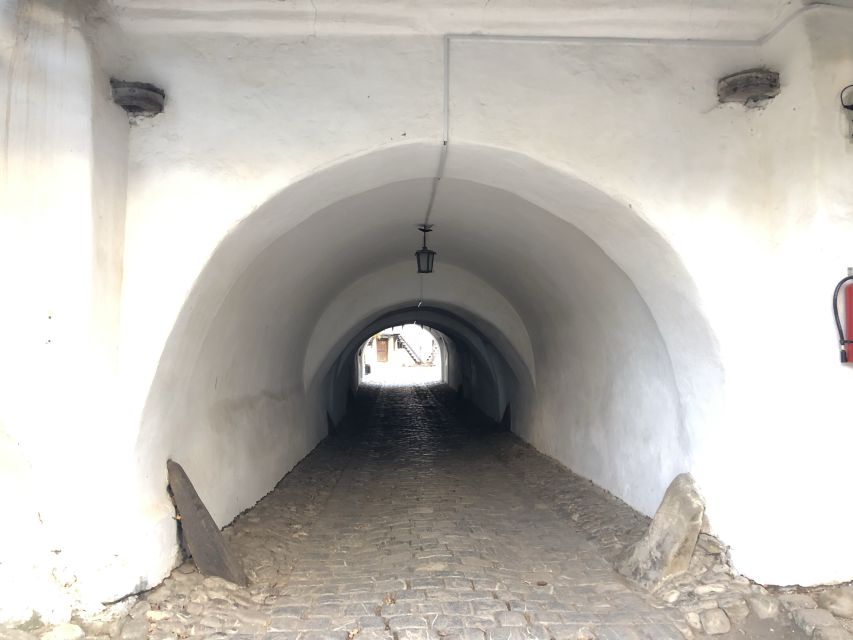
Prejmer is the headliner, and for good reason. The church complex is a UNESCO World Heritage Site, and it’s famously well preserved, which makes it ideal for understanding how these fortified churches worked in practice.
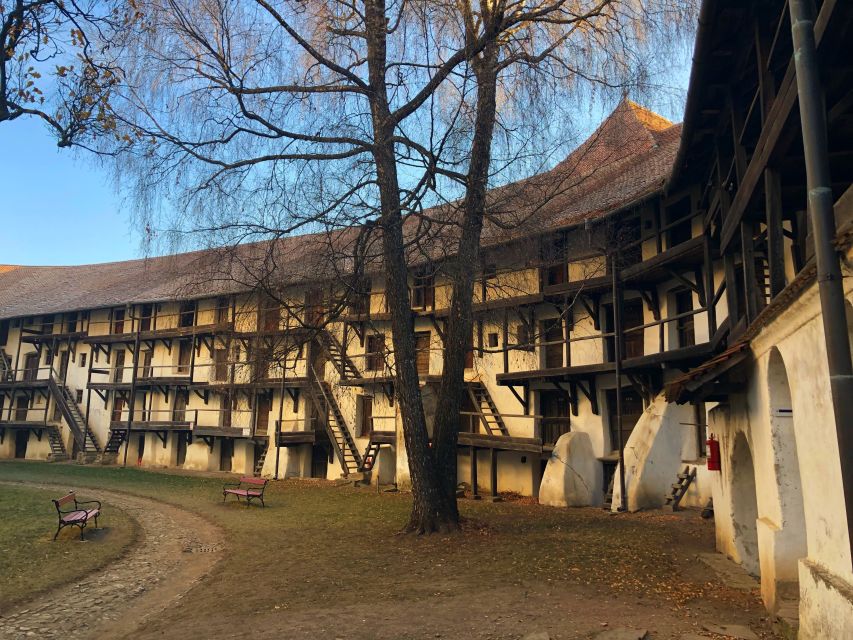
The standout feature for me is the Latin cross plan. You don’t just see a pretty church. You see how the interior geometry relates to the building’s purpose, and you understand that this was a community stronghold as much as a place of worship. The guide will also point out why the Gothic architecture matters, since Gothic elements show up alongside fortification thinking.
When you’re talking about fortified churches, walls are the big story. At Prejmer, you’ll hear about the 14-meter-high and 5-meter-thick walls, and standing there changes how you picture medieval risk. Instead of imagining threats from a distance, you can literally feel how much stone was placed between ordinary people and incoming danger.
The history layer is also strong, without getting overly academic. Prejmer dates to the early 1400s, with the church history going back to 1427, and the guide weaves in the kinds of events a site like this hosted over centuries. That helps you understand why the defensive features weren’t just decoration.
If you’re the type who likes details, you’ll appreciate the way the tour sets you up to notice them. Pay attention to the transitions between spaces, where the church form meets fortress logic. Even if you’re not a medieval architecture expert, you’ll walk away with a better “how it worked” mental map.
Hărman church: Roman base, Gothic-inspired design, and medieval paintings
Hărman is the second UNESCO-listed stop, and it brings a slightly different flavor. Where Prejmer emphasizes a fortress church layout you can read almost like a diagram, Hărman adds variety in the building’s style and the defensive setup around it.
One of the most interesting parts is the architectural mix. You’ll look at a Roman basilica base and then see how Gothic-inspired elements enter the story. This kind of layering matters because it shows that sacred spaces evolved over time, rather than being “finished” in a single moment.
Before you go inside, you’ll spend time around the exterior defensive features. The route includes the west tower, a chapel, and the moat area. Those details are worth slowing down for, because they help you connect the church to the settlement’s survival strategy. A moat doesn’t mean safety, but it does mean delay, control, and a better chance for people inside to hold out.
Inside, the payoff is the art. You’ll see a collection of paintings dating back to the 13th century, which is a great reminder that fortification didn’t erase culture and faith. The guide will point out what you’re looking at, so you don’t end up standing there wondering which part is most important.
The time on site is about an hour, which is just enough to take in the big features: tower, surrounding defenses, then interior paintings. If you’re hoping for a long, museum-style visit, you might want to pair this tour with a slower return day later.
Why the Saxons (Sasi) explanation changes how you see the churches
The tour’s strongest value may be the context you get en route. In simple terms, German Saxons arrived in Transylvania in the 12th century, becoming a major force behind fortresses and strongholds across the region. This is one of those moments where history actually explains what’s in front of your eyes.
You’ll hear how Saxon influence helped jumpstart the economy and contributed to cultural change, leaving behind fortified churches as a lasting imprint. And the key word is practical: these communities needed protection, so church building became part of the defense system.
You’ll also learn why the fortifications were tied to threats from the Ottomans. At Prejmer, this comes through in the wall descriptions, but the larger concept sticks across both sites. You start noticing the “defensive intent” rather than treating the churches like isolated monuments.
I also liked the way the guides keep things grounded. Several guides connected with this tour style their explanations in a way that doesn’t drown you in theory. Dan, for example, is praised for being not just friendly but also able to add helpful context during the drive, so you arrive ready to understand what you’re seeing. Charlie and Alex are also described as warm, organized, and clear, which matters when you’re walking through a complex site with lots of stonework to interpret.
Timing, what to bring, and how to get the most out of 3.5 hours
This is a short tour on purpose, and you should treat it that way. You’ll have about one hour guided time at Prejmer, then about one hour guided time at Hărman, with the rest of the half-day spent getting between Brașov and the churches.
So, what should you bring? Comfortable shoes are the big one, because you’ll be walking around exterior defensive areas, including the moat zone at Hărman. Bring a light layer too, since church walls and towers can mean cooler air, especially in transitional seasons.
Because food and drinks aren’t included, I recommend carrying water. If you’re prone to getting hungry during sightseeing, pack a snack so you’re not thinking about lunch while you’re trying to read architectural details. The tour includes entrance fees, so at least you won’t have to handle tickets on the spot.
If you’re traveling with a camera, consider this your “composition” opportunity. These churches have shapes and angles that reward a slightly slower pace. Even with limited time, you can still get good photos if you pause at the guide’s key points, then do a quick scan yourself right after.
Saxon country, a few more options
Price and value: $69 for two UNESCO sites and guided interpretation
At $69 per person for a 3.5-hour guided experience, the value comes from two things: coverage and interpretation. You’re seeing two fortified churches that are UNESCO World Heritage-listed, not just one, and you’re doing it with included transportation, hotel pickup and drop-off, and entrance fees.
That combination saves you time and mental energy. Without this tour, you’d be stitching together your own plan, paying for transportation, and figuring out ticketing and timing. Here, the guide handles the sequencing so you spend your limited sightseeing window where it counts.
The small-group size also helps justify the price. When a tour is capped at 8 participants, you’re more likely to get answers that fit your questions, not generic lectures aimed at the average traveler.
Is it the cheapest way to see churches around Brașov? Probably not. But you’re paying for a structured, guided visit to two major sites, which is exactly what makes a short trip work.
Who should book this tour, and who might want something else
This tour is a good fit if you want medieval context without a full day commitment. If you’re curious about why church architecture in Transylvania looks different, you’ll appreciate the Saxon story and the defensive details. It’s also great for people who prefer guided clarity over wandering on their own.
It’s less ideal if your priority is spending hours on personal exploration. The tour format is structured, with guided time at each site, so you won’t have unlimited freedom to roam. It’s also church-focused, so if you’re hoping for lots of town walking, this isn’t that kind of tour.
Families can work well here if everyone is comfortable standing and walking through historic sites for about a half-day. The key is setting expectations: this is about fortification and architecture, not playground stops or long meals.
Should you book Prejmer and Hărman from Brașov?
Book it if you want a fast, meaningful introduction to Transylvania’s fortified church tradition. The combination of UNESCO sites, expert English guidance, and defensive architecture details makes it a strong use of a limited schedule. Plus, with the small-group format and hotel pickup, it’s low stress.
Consider skipping or pairing with extra time if you hate timed visits or you want food plans built in. Since no food or drinks are included and you’re only on-site for about an hour per church, plan a snack and keep your expectations aligned.
If you like your history hands-on, and you enjoy looking at buildings and saying, okay, I get how this functioned, this is a smart booking.
FAQ
Where does the tour start in Brașov?
The tour starts at Safrano Palace.
How long is the small-group half-day tour?
The tour duration is 3.5 hours.
How many fortified churches do you visit?
You visit two fortified churches: Prejmer and Hărman.
Are Prejmer and Hărman UNESCO sites?
Yes, both are UNESCO World Heritage-listed fortified churches.
What do we see at Prejmer?
You’ll see the church’s Latin cross shape, Gothic architecture, and fortress elements including very large walls, plus you’ll learn about the church’s history dating back to 1427.
What do we see at Hărman?
At Hărman, you’ll explore the west tower, the chapel, and the moat area, then go inside to see a collection of paintings dating back to the 13th century.
Is this an English-speaking tour?
Yes, the tour guide provides English explanations.
What’s included in the price?
Included are transportation, an English-speaking tour guide, hotel pickup and drop-off, and entrance fees.
Is food included?
No. Food and drinks are not included.
What are the cancellation and reserve options?
You can cancel up to 24 hours in advance for a full refund. You can also reserve now and pay later, with the option to keep plans flexible.
More Monasteries And Churches
- 3-Castle: Peles,Bran,Rasnov,Sinaia Monastery from Brasov w pickup
★ 5.0 · 274 reviews - Small Group Tour to Viscri Church Sighisoara Town Rupea Fortress
★ 5.0 · 225 reviews - Peles Castle, Bran Castle, Rasnov Fortress and Sinaia Monastery Tour from Brasov
★ 5.0 · 55 reviews - Brasov: Transfagarasan Highway, Balea Lake & Carta Monastery
★ 4.6 · 29 reviews - Transfagarasan Highway Balea Lake and Carta Monastery from Brasov
★ 5.0 · 20 reviews
Saxon Country: Sighisoara, Viscri, Biertan
- Small Group Tour to Viscri Church Sighisoara Town Rupea Fortress
★ 5.0 · 225 reviews - From Brasov: Sighisoara and Viscri UNESCO Day Tour
★ 4.8 · 86 reviews - Secrets of the Citadels: Brașov, Viscri, Sighișoara and Sibiu
★ 5.0 · 52 reviews - Sighisoara and Viscri Private Full-Day Tour from Brasov
★ 5.0 · 51 reviews - From Brasov: Sighisoara, Viscri, and Rupea Unesco Day Trip
★ 4.9 · 32 reviews
Still In Brasov
- From Brasov: Small-group tour Bran, Rasnov, and Peles Castles
★ 5.0 · 949 reviews - Carpathian Wilderness: A Wildlife Experience from Brașov
★ 5.0 · 398 reviews - From Brasov: Tour of Castles and Surrounding Area
★ 5.0 · 363 reviews - Free walking tour of Brasov in English
★ 4.9 · 302 reviews - Save King’s Landing – In search of Wildfire | Escape Room Brasov
★ 5.0 · 297 reviews
Recently added around Brasov
- 2 – Day Medieval Transylvania Private Tour from Brasov★ 5.0 · 3 reviews
- Mountain Bike Day Tour around Brasov★ 5.0 · 3 reviews
- Brasov: Bran Castle, Bear Sanctuary, Rasnov (Peles Optional)★ 3.1 · 3 reviews
- Brasov to Bucharest – Private Guided Transfer – Car and Driver★ 5.0 · 3 reviews
- Perfect bike tour around Brasov★ 5.0 · 3 reviews
Sighisoara and Saxon Village Tours, compared.
 ★ 5.0Small Group Tour to Viscri Church Sighisoara Town Rupea FortressFrom $111225 reviews
 ★ 4.52-Day Medieval Transylvania with Brasov,Sibiu and Sighisoara Tour from BucharestFrom $120145 reviews
 ★ 4.8From Brasov: Sighisoara and Viscri UNESCO Day TourFrom $10686 reviews
 ★ 4.9City Tour Sighisoara Legends & Landmarks A Walk Through TimeFrom $4583 reviews
 ★ 4.6Sighisoara: Candlelight Tour of Dracula’s Home TownFrom $4483 reviews
 ★ 5.02-Day Transylvania from Bucharest: Brasov, Bran, SighisoaraFrom $40960 reviews
 ★ 5.0Secrets of the Citadels: Brașov, Viscri, Sighișoara and SibiuFrom $12052 reviews
 ★ 5.0Sighisoara and Viscri Private Full-Day Tour from BrasovFrom $12551 reviews
Browse the lists this tour appears in