
REVIEW · SALT MINES
From Bucharest: Largest Salt Mine In Europe and Peles Castle
Salt underground, then a royal castle day. This trip strings together two very different sides of Romania, starting with Europe’s largest salt mine and finishing at Peleș Castle in Sinaia, under the Carpathians. It’s a long day, but the guided format keeps it smooth.
Two things I really like here are the way you get a real, timed guided walk underground, plus the guided visit at Peleș Castle with its famous woodwork, artwork, and period-style interiors. On top of that, the guides highlighted in the feedback, including Alex and Angelica, are praised for moving the day along and helping you avoid peak moments for a better experience.
One thing to think about first: entry tickets and food are not included, so the $140 price is just the tour portion, not the full cost of your day.
In This Review
- Key things I’d prioritize on this tour
- Why this Bucharest day pairs a salt mine with Peleș Castle
- Getting from Bucharest to Slănic Prahova: the ride and the expectations
- Slănic Prahova Salt Mine: a guided hour underground
- How the mine experience is likely to feel, and how to set expectations
- Sinaia after the mine: switching gears without losing time
- Peleș Castle guided visit: what to notice in the Neo-Renaissance interiors
- Lunch and shopping in Sinaia: making the break count
- Private tour value: what you get for $140 per person
- Logistics you should plan around (without surprises)
- Who this tour fits best, and who might want a different plan
- Should you book this tour?
- FAQ
- How long is the tour from Bucharest?
- What is included in the price?
- Are entry tickets to Slănic Prahova Salt Mine and Peleș Castle included?
- Is lunch included?
- What language is the guide?
- Is the tour suitable for wheelchair users?
Key things I’d prioritize on this tour
- Europe’s largest salt mine visit with a guided introduction to salt mining and its Romanian cultural role
- A full hour underground to see the salt formations and experience the mine’s saline air
- Guided Peleș Castle time with a focus on Neo-Renaissance architecture, lavish interiors, and detailed wood carvings
- Sinaia break time built in for lunch and shopping, so you are not rushing every moment
- A private group day with hotel pickup and drop-off, plus help avoiding ticket lines
Why this Bucharest day pairs a salt mine with Peleș Castle
This is a smart pairing, even if you would not naturally think of it: salt mining is one of those working, practical parts of Romanian history, while Peleș Castle is pure storybook spectacle. Put them in one day and you get balance. One stop teaches you how people lived and survived. The other makes you look slowly, like you are museum-going with a guide who knows what you are seeing.
I also like the rhythm. You get a guided tour underground, then you emerge and switch modes to castle time in Sinaia. That change of pace helps the day feel less repetitive. It also keeps your attention because each segment is doing a different job.
Finally, the private-group setup matters more than it sounds. With hotel pickup and drop-off, air-conditioned transport, and live commentary, you are not spending your morning figuring out schedules or juggling connections. That is value in a 9-hour window.
Getting from Bucharest to Slănic Prahova: the ride and the expectations
The day starts with pickup from your hotel in Bucharest, then you travel out toward Prahova. The salt mine visit is a 9-hour total day, and the schedule is built to fit one guided hour in the mine and one guided hour at Peleș Castle, plus a dedicated break later in Sinaia.
Because this is a private group with a dedicated vehicle, you also get a less stressful experience with the basics handled. The tour includes bottled water, onboard WiFi, and live commentary while you travel. That is genuinely helpful on a long day trip, since it means you can stay comfortable and still learn while you move.
What you should mentally prepare for: the mine experience is in the dark subterranean depths. That means it is not a light, casual walk. Even if you are excited by the idea, be ready for a more serious, enclosed atmosphere. The mine is also where you hear about salt mining history and cultural importance, not just where you take photos.
Peles turns up on a lot of itineraries. Here are more.
Slănic Prahova Salt Mine: a guided hour underground
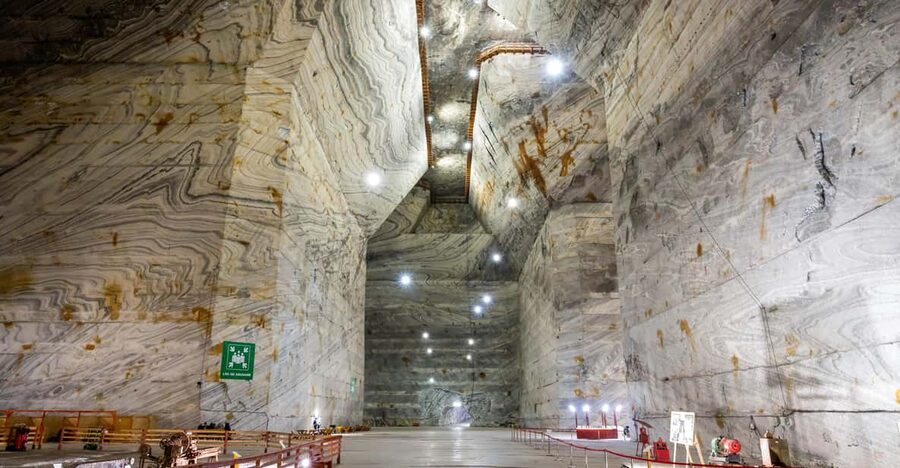
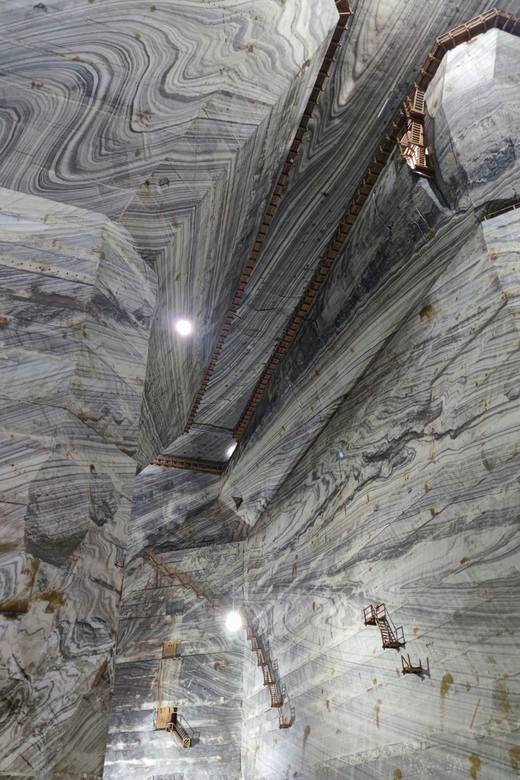
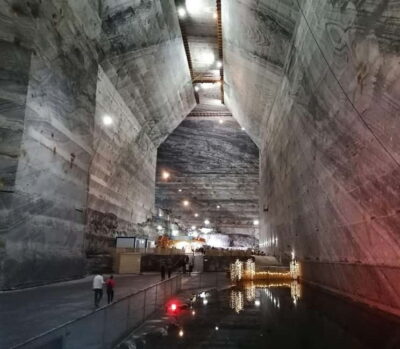
The highlight here is simple: Slănic Prahova is described as the largest salt mine in Europe, and the tour takes you into that subterranean world with guided exploration. You spend about one hour on the mine tour, which is a good length. It gives you time to actually notice things instead of feeling like you rushed through the first room you saw.
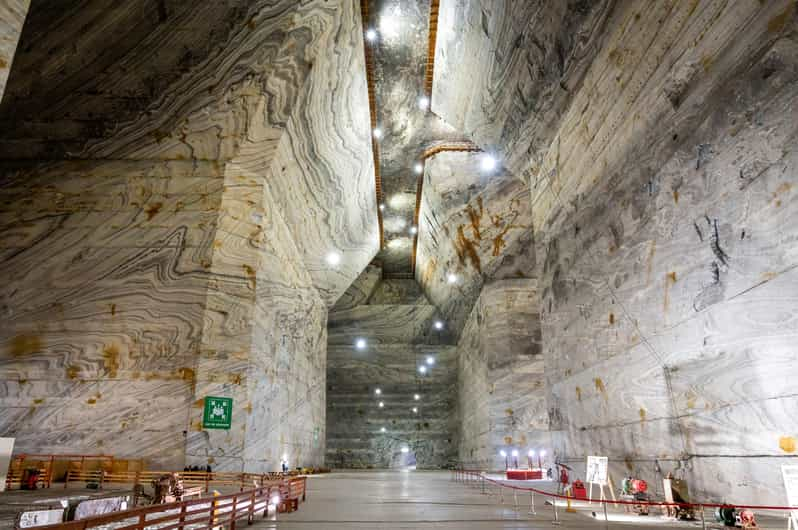
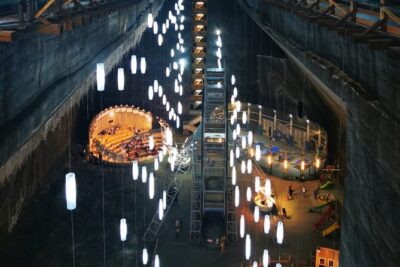
Inside, the main visual draw is the salt formations. Salt has a way of making even basic shapes look dramatic, and the descriptions here focus on that mesmerizing look created by intricate salt structures. You are also shown vast chambers deep beneath the earth’s surface, so you get a sense of scale, not just a quick stop in a single corridor.
One less obvious benefit is the historical framing. The guide’s role is not only to point out salt textures, but to explain the history of salt mining in Romania and why it matters culturally. That context turns the mine from a quirky detour into a place that connects to real local life.
Practical note: mines can feel cooler and more sealed than the outside world. You might want a light layer you can tolerate in an enclosed space, especially if you run warm on the bus and then cool down quickly once underground.
How the mine experience is likely to feel, and how to set expectations
Some people expect a labyrinth. The experience here is more about chambers and formations than a maze-like adventure, and the feedback I’ve been given suggests that surprise in both directions, depending on what you imagined. The key is to shift your mindset from spelunking fantasy to size and craft.
If you are the type who loves “how did they do this?” questions, you will get a lot out of the mine tour because you learn the history of mining and the role salt played. If you are mostly there for wow-factor photos, you still get it, but the guide’s narration helps you slow down and notice why the mine is considered impressive in the first place.
Also, since the saline air is part of the described experience, the mine is treated like more than scenery. That does not mean it is a medical miracle, but it does suggest the atmosphere is part of the point, and the tour is meant to be experienced with your senses.
Sinaia after the mine: switching gears without losing time
Once you come back up, you head to Sinaia, a scenic town at the foot of the Carpathian Mountains. This is not just a backdrop stop. It is where the day turns from underground history into architecture and views.
The timing here is smart because it gives you a natural reset. You go from dark and cool to daylight and open-air streets. That matters when you have a 9-hour day. It also helps you keep energy for Peleș Castle, which is where most people really want to look closely.
Sinaia also gives you something practical: a break time is built in for lunch, plus shopping. That is important because food is not included, so you need a place to actually handle lunch without sprinting from one viewpoint to the next.
Peleș Castle guided visit: what to notice in the Neo-Renaissance interiors
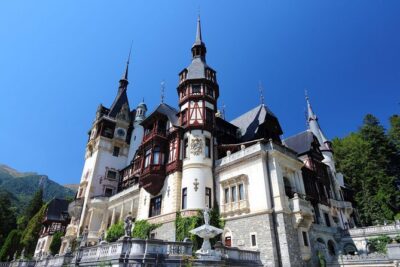
Peleș Castle is the big visual payoff. The approach is described as a magnificent exterior surrounded by lush gardens and breathtaking mountain views. Even before you step inside, that matters. You get the sense of a grand estate, not just a single building with a ticket booth.
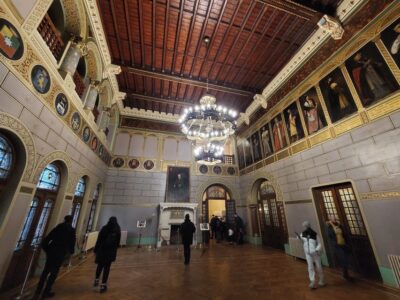
Inside, you get a guided one-hour tour with a focus on the castle’s history and its intricate wood carvings and luxurious furnishings. That is exactly the kind of detail that turns a castle visit from “cool building” into a proper understanding of why it is famous.
The castle is Neo-Renaissance in style, and the interiors are where that shows up most. You are not just looking at walls. You are looking at craftsmanship: carved wood elements, period-style furnishings, and curated-looking interiors that reflect the era the castle is associated with. In the feedback shared with me, Peleș Castle’s collection and period details, including references to the Carolean era, came up as a standout. That matters because it tells you the rooms are designed to feel like history, not like a generic display.
One more reason this guided format works: you get help knowing where to spend your attention. A castle like this can overwhelm you if you are rushing. A good guide steers you toward the most meaningful details, so you actually leave with a clearer picture of what you saw.
Photo tip: if you care about photos, the guided timing helps you avoid at least some of the worst crush points. A couple of the guide highlights, including Alex-style advice and planning, point to the benefit of scheduling your best looks when foot traffic is more manageable.
Lunch and shopping in Sinaia: making the break count
You get a break time after the castle, with an hour for lunch, plus shopping. This is where you should think like a planner, not a tourist who is waiting to see what happens.
Because lunch and additional drinks are not included, you’ll want to use that hour intentionally. Pick a simple plan: either eat near where you feel comfortable, or use the time to browse and then commit to one meal without drifting too far. You do not want shopping to quietly eat your lunch time.
If you like taking gifts home, this hour is also your chance. Sinaia is a small enough town that you can typically find practical souvenirs without it turning into a full expedition. Just keep one eye on the clock so you stay ready for the return to Bucharest.
Private tour value: what you get for $140 per person
The price here is $140 per person for a 9-hour day, which is not cheap, but it is also not random. You are paying for several concrete things:
- Hotel pickup and drop-off in Bucharest
- Transportation in an air-conditioned vehicle
- A private tour setup
- Live commentary during the day
- Bottled water and WiFi onboard
- Guided tours at both the salt mine and Peleș Castle
- Help with skipping ticket lines
Where value can get confusing is that entry tickets to the attractions are not included, and food is also not included. So you should budget separately for those. But the big picture is that you are not paying extra for guides and transport. In a day trip with travel time and two major stops, those pieces usually cost more when booked separately.
Also, you should consider who this benefits most. A private group day is often better if your party values timing and comfort over wandering independently. You avoid the friction of figuring out the schedule, and you get a structured plan that fits both sights into one day without turning it into a blur.
Logistics you should plan around (without surprises)
This tour lasts 9 hours, so it is best for people who can handle a long day with a few set points. You are not in control of the timing of the guided hours, so you need to like being on a schedule.
Language is English, which is great if you want history and architecture explained rather than decoded from signage. The guide also provides live commentary, which makes the bus ride feel like part of the experience, not just commuting.
One note on comfort: salt mines are not the place to dress solely for the sun. You might find it cooler underground, and you might be more comfortable with layers you can easily manage.
And if mobility is a concern, this is not suitable for wheelchair users. That matters because mine and castle interiors can involve uneven footing and steps, even when routes are well managed.
Who this tour fits best, and who might want a different plan
This is a good fit if you love variety in one day: one stop that teaches history through an unusual industrial site, and one stop that rewards you with high-impact architecture and interior details. It is also a strong match if you appreciate guided attention and want help making sense of what you see.
You might not love it if you expect the salt mine to feel like an extreme adventure maze. Based on the way the mine experience is described, you should expect impressive chambers, salt formations, and guided history, not a free-for-all exploration.
You also might reconsider if you dislike structured days with fixed stops. The value here comes from the plan, and that plan is built around guided hours.
Should you book this tour?
I’d book it if you are short on time in Romania and want two major cultural stops without the hassle of coordinating transport and guides. The strongest reasons are the guided focus at both locations and the convenience of pickup and drop-off, which makes the day feel like it runs on rails.
I’d also book it if Peleș Castle is high on your list, but you want a second anchor stop that is different from another museum or another castle. Salt underground is a smart contrast, and the mine tour includes the history that gives the visit meaning beyond visuals.
If you already know you want to design your own schedule and you prefer buying individual tickets and figuring out your own transport, then you may not need a private guided day. But if you want a smooth, structured, high-value day trip from Bucharest, this one makes a lot of sense.
FAQ
How long is the tour from Bucharest?
The tour duration is 9 hours.
What is included in the price?
Hotel pickup and drop-off, a private tour, transportation in an air-conditioned vehicle, bottled water, WiFi on board the bus, and live commentary.
Are entry tickets to Slănic Prahova Salt Mine and Peleș Castle included?
No. Entry tickets to the attractions are not included.
Is lunch included?
No. Lunch and additional drinks are not included.
What language is the guide?
The tour guide provides live commentary in English.
Is the tour suitable for wheelchair users?
No. The tour is not suitable for wheelchair users.
Everything Else We Reviewed In Sinaia
- Bucharest: Peles Castle, Bran Castle & Brașov Day Tour
★ 4.5 · 52 reviews - Minivan 8: Peles & Dracula’s Castle and Brasov Full-Day Trip
★ 4.6 · 29 reviews - From Bucharest: Bran, Peles Castle & Brasov Private Day Tour
★ 5.0 · 19 reviews - Brasov: Bran, Peles and Cantacuzino Castles Day Tour
★ 4.9 · 16 reviews - From Brasov 3 castles : Peles , Bran , Cantacuzino
★ 4.7 · 15 reviews
Peles Keeps Turning Up
- Bucharest: Peles Castle, Bran Castle & Brașov Day Tour
★ 4.5 · 52 reviews - Minivan 8: Peles & Dracula’s Castle and Brasov Full-Day Trip
★ 4.6 · 29 reviews - From Bucharest: Bran, Peles Castle & Brasov Private Day Tour
★ 5.0 · 19 reviews - Brasov: Bran, Peles and Cantacuzino Castles Day Tour
★ 4.9 · 16 reviews - From Brasov 3 castles : Peles , Bran , Cantacuzino
★ 4.7 · 15 reviews
Recently added around Sinaia
- From Bucharest: 2-Day Tour to Brasov and Sighisoara★ 5.0 · 4 reviews
- Sinaia – from the Bandits’ Nest to the Cradle of the Romanian Dynasty★ 5.0 · 4 reviews
- 1-Day Minivan Tour 3 Castles: Peles, Wednesday & Dracula’s★ 5.0 · 5 reviews
- Explore Transylvania: 4-Day Unforgettable Tour★ 5.0 · 5 reviews
- From Bucharest: Largest Salt Mine In Europe and Peles Castle★ 5.0 · 5 reviews
Salt Mine Tours, compared.
 ★ 4.6From Bucharest: Slănic Prahova Salt Mine Ticket and TransferFrom $55790 reviews
 ★ 4.6Bucharest: Salt Mine Guided Day Trip to SlănicFrom $56559 reviews
 ★ 4.8Cluj: Turda Salt Mine, Corvin Castle, Alba Carolina TourFrom $140184 reviews
 ★ 4.5Slanic Salt Mine Day Trip from BucharestFrom $47142 reviews
 ★ 5.0From Cluj: Turda Salt Mine, Gorge, and Remetea Full-Day TripFrom $13184 reviews
 ★ 5.0Turda salt mine 4h tour from ClujFrom $6073 reviews
 ★ 5.0Turda Salt Mine, Corvin Castle and Alba Fortress from ClujFrom $14365 reviews
 ★ 5.0Private Tour to Salt Mine, Lunch at Winery and Dracula GraveFrom $16760 reviews
Browse the lists this tour appears in