
REVIEW · DANUBE DELTA
Orsova: Danube’s Cauldrons Boat Tours with Audio Guide
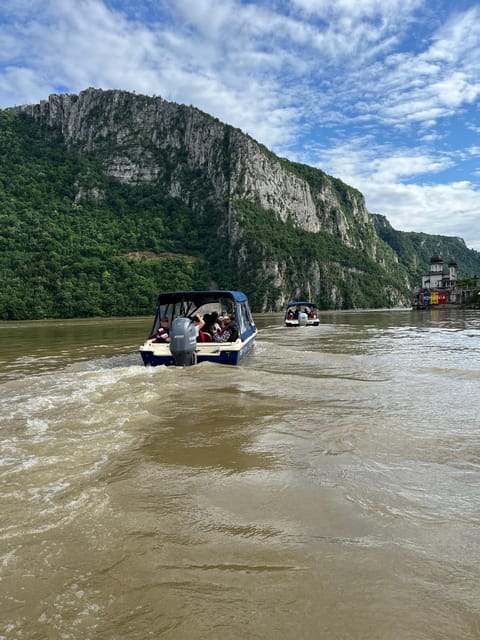
Danube Cauldrons feel unreal from a boat. I like the small 14-seat setup because it keeps things friendly and lets you hear your audio clearly, and I also love that the multilingual audio guide narrates the landmarks while you get photo stops along the way. One thing to plan for is the optional extra cost for entering Veterani Cave, where the cave visit is handled by other guides.
This is one of those routes where nature and history are glued together. From Orșova, you’ll cruise toward the Iron Gates area and the famous rock and monument sites, then you’ll switch back from sightseeing mode to walking and photo time as the boat docks. It’s priced for a private group up to 6, so it can feel like great value if you’re actually traveling with your people.
In This Review
- Key things to know before you go
- Orșova, the Cerna Bay start, and why the Danube feels different here
- Debarcader WT meeting point and what the boat ride setup is like
- 110 minutes of big sights: how the stops work (and where you’ll get time to take photos)
- Trajan’s Plaque and Decebalus Rock Sculpture, where monument scale is the main story
- Mraconia Monastery: a calm pause in a dramatic stretch of water
- Veterani Cave and Peștera Ponicova: plan for options and pay attention to the details
- Veterani Cave
- Peștera Ponicova
- Tabula Széchenyi, Ada Kaleh, and Iron Gates: the engineering-and-memory stretch
- Tabula Széchenyi
- Ada Kaleh and the strange fact of an island underwater
- The Iron Gates
- Audio guide and group experience: when small helps, and when it doesn’t
- What to bring, what’s not allowed, and how to make the ride smoother
- Price of $277 per group up to 6, and how to judge the value
- Is this Danube Cauldrons tour right for you?
- Should you book Orșova’s Danube Cauldrons boat tour?
- FAQ
- How long is the Danube Cauldrons boat tour from Orșova?
- Where is the meeting point near Orșova?
- Is an audio guide included, and what languages are available?
- Does the tour include a stop at Veterani Cave?
- What if I choose not to enter Veterani Cave?
- Is food and drink included?
- What should I bring with me?
- Is this tour suitable for wheelchair users?
Key things to know before you go
- 14 seats, sunroof comfort for a closer-feeling Danube ride
- Multilingual audio guide (English, Hungarian, Spanish, German) at key points
- Six main attraction stops plus additional viewpoint time around the Iron Gates area
- Cave visit is optional at Veterani, with an entry fee at the entrance
- Safety first with life jackets provided for all passengers
Orșova, the Cerna Bay start, and why the Danube feels different here
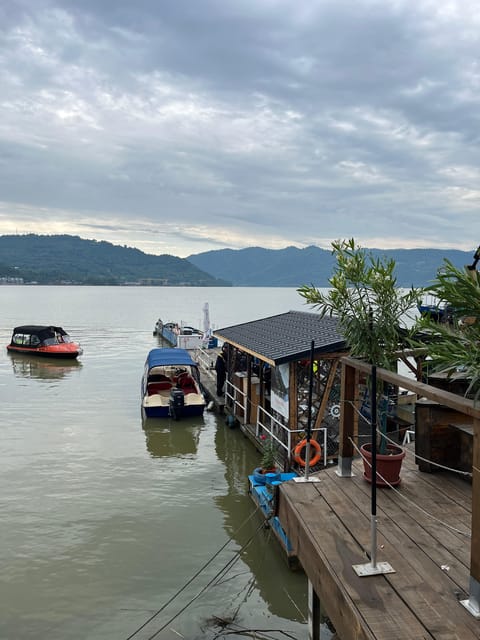
Orșova is a smart starting point for this region because the waterway you’re cruising is shaped by big engineering. The Cerna Bay formed after the Iron Gates I Dam was completed in the early 1970s, and that matters for your route: the river here has a wide, open feel compared with narrower stretches you might picture from photos.
What I like about starting in Orșova is that the tour doesn’t feel like a rushed bus excursion. You’re right by the water from the beginning, so the Danube is your “main event,” then the landmarks come in like chapters in a story. Even the pacing supports that. You’ll cruise, then pause for photos, then step off for short visits and guided time at the bigger sites.
Debarcader WT meeting point and what the boat ride setup is like
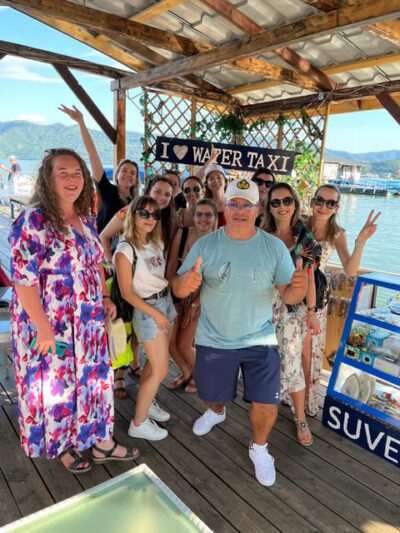
You’ll meet at Debarcader WT, a wooden platform along the shore’s walking path. Look for a pontoon with a black roof and two banners with the operator logo, a short walk from Hotel Apolodor.
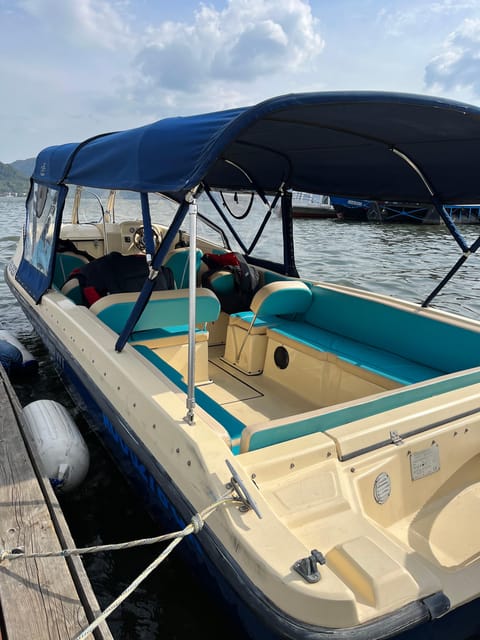
Once you’re on board, the boat is built for comfort and intimacy. It’s a 14-seat speedboat-style setup with an engine for smooth sailing and a sunroof so you can choose between shade and sky. Life jackets are provided for everyone, which is reassuring given how much time you spend moving on water.
Practical note: bring your own headphones. The tour includes an audio guide, but having headphones helps you actually catch what’s being said over engine noise. If you don’t, the soundtrack can blend into the ride.
Undecided? Here is what else Romania had on the shelf when we last looked.
110 minutes of big sights: how the stops work (and where you’ll get time to take photos)
This tour is about 110 minutes on the water, with scheduled stops for guidance and photos. That time is tight in a good way. You get a concentrated sweep of the Danube Cauldrons area instead of spending half a day just reaching viewpoints.
Expect a rhythm like this:
- Photo stop or guided sightseeing at several landmarks
- A brief on-site visit where you can walk around and listen on location
- Back on the boat to connect the history to the scenery you can see
You’ll also see a pattern: the tour uses short, meaningful time at each place rather than long delays. If you like seeing a lot without turning it into a full-day project, this format fits.
Trajan’s Plaque and Decebalus Rock Sculpture, where monument scale is the main story
The first real “wow” is the Trajan stop. You’ll have a photo stop plus guided sightseeing time, which is exactly what you need here. Monuments like this can look like random stone if you don’t have the context. With the guidance, the sculpture and its role in regional history land faster.
Then you go to the Rock Sculpture of Decebalus. This one is famous for a reason: it’s described as Europe’s tallest rock monument and the world’s third-largest rock monument. On a boat, you get a sense of scale that you just don’t get from a distance on land.
What you should do on this stop:
- Take your wide shot first (for scale), then come back for close photos
- Pay attention to how the guide frames the work before you start clicking away
- Don’t rush the angles, because the best photos depend on where you stand and how the rock catches light
Mraconia Monastery: a calm pause in a dramatic stretch of water
Mraconia Monastery is the kind of stop that balances the tour. After the major rock monument energy, you get a photo stop plus guided sightseeing time at a religious site, which changes the tone.
Even if you’re not a church-history person, monasteries like this help you understand that the region isn’t only famous for warfare and empires. It’s also been lived in, prayed in, protected, and rebuilt over time. In practice, the stop is short, but it works as a mental reset, letting you look away from the towering rock features and back toward the human scale of a monastery setting.
Wear comfortable shoes and keep your camera ready. The short guided time means you should be ready to listen and look without needing to constantly refocus.
Veterani Cave and Peștera Ponicova: plan for options and pay attention to the details
Caves are where this tour gets more physical. You’re not just looking at landmarks from the boat.
Longer afloat in Romania
Veterani Cave
At Veterani Cave, you’ll have a visit plus a guided tour of about 20 minutes. Important: entry into Veterani Cave has an extra cost of about $2 USD at the entrance.
Here’s the key decision point. You need to agree to the cave visit first, and if you choose not to go in, you stay with the boat experience and use the audio guide. The cave visit itself is handled by other guides, not the boat operator’s team. That’s not a problem, it just means your format changes slightly when you step off.
Who this suits: if you enjoy short guided walks and want something a bit different from monuments and open views, Veterani Cave adds variety without eating your whole day.
Peștera Ponicova
Peștera Ponicova – Vest is another cave-focused stop with photo time, a visit, and guided tour time. The highlight for this cave is its unique through-and-through formation. Even without technical background, that feature is one of those visuals that makes you stop, look again, and realize why it became part of the tour.
Tip: give yourself a moment before photos to watch how the opening frames the light. The “through” idea is visual, so the right angle can make your pictures look dramatically different.
Tabula Széchenyi, Ada Kaleh, and Iron Gates: the engineering-and-memory stretch
After the caves, the tour shifts into the zone where engineering history takes over.
Tabula Széchenyi
You’ll stop for photo time plus guided sightseeing at Tabula Széchenyi. This is one of those river details that connects the human story to the river itself. Because you’re learning while you’re there, it’s easier to understand why this stretch of the Danube mattered so much.
Ada Kaleh and the strange fact of an island underwater
Ada Kaleh is special, and not in a simple way. You’ll have a guided stop and sightseeing time connected to Ada Kaleh. The island is now about 30 meters under the water, so you’re seeing the memory of it more than its current footprint.
The tour also references an extra downstream segment for more sightseeing views and historical information close to the Iron Gates. In other words, part of the experience is taking the boat route itself seriously, not just checking off a list of monuments.
When you see how the route frames the area, the underwater detail makes more sense. You’re not just told the island sank into the story, you’re on the water where it happened.
The Iron Gates
Finally, you’ll have guided sightseeing time at the Iron Gates. This is the anchor point for why the Danube feels like this here. The name means something bigger than a postcard. You’re seeing a stretch that sits at the crossroads of nature, passage, and engineering changes.
On this segment, I’d treat your photos like a balance act:
- Get your wide views for the big picture
- Then capture a few “in-between” shots showing how rock, water, and the engineered feel of the area fit together
Audio guide and group experience: when small helps, and when it doesn’t
This tour is a private group with up to 6 people, and that size usually makes for a calmer feel. It also helps with audio.
The audio guide is multilingual: English, Hungarian, Spanish, and German. So even if the on-site guidance is shorter in your language, you still get narration through the guide system.
One caution based on real-world experience with fast boats and strong background noise: if you’re sensitive to loud sound or you want every word, come prepared with headphones and keep your volume reasonable. The experience works best when you treat the audio as your main layer of information, not as a perfect substitute for hearing everything clearly in conversation.
Also, plan to be flexible if you’re not the first boarding at your exact slot. The boat experience runs on a tight schedule, so it helps to show up a few minutes early when possible.
What to bring, what’s not allowed, and how to make the ride smoother
To feel comfortable, bring:
- Comfortable shoes
- Sunglasses
- Sunscreen
- Comfortable clothes
- Headphones
- Cash
Not allowed:
- Oversize luggage
- Luggage or large bags
- Alcohol and drugs
This is practical stuff, but it matters. Cave and photo time mean you’ll be moving and repositioning. If you show up with a big bag, you’ll spend more time worrying about storage than enjoying the sites.
Price of $277 per group up to 6, and how to judge the value
The price is $277 per group for up to 6 people, and the duration is about 110 minutes. That pricing is actually more about group value than per-person value.
- If you book as a full group of 6, your per-person cost drops significantly compared with solo booking.
- If you’re only 2 or 3 people, you’ll still get the benefit of a private boat size and a focused tour, but the value will feel more like a “choose your comfort” purchase rather than a bargain deal.
Where the money tends to make sense is when you want a guided sweep of multiple major landmarks without needing to coordinate buses, transfers, and separate tickets for each stop. You’re paying for a tight route, multilingual audio support, and a boat experience that keeps you close to the Danube Cauldrons area.
Also, keep one cost in mind: Veterani Cave entry is about $2 USD extra. It’s small, but it is real, and it affects your total if you choose that option.
Is this Danube Cauldrons tour right for you?
This is a strong pick if you want:
- A focused, time-efficient Danube highlights ride from Orșova
- Audio support in multiple languages
- Photo stops plus short guided time at major sites like the Decebalus Rock Sculpture and Tabula Széchenyi
- A route that mixes monuments, monasteries, and caves
It may not be the best fit if you:
- Are pregnant
- Have back problems
- Have mobility impairments, or need wheelchair access
- Have had recent surgeries
The tour’s physical comfort and safety constraints are clear, so take that seriously before booking.
Should you book Orșova’s Danube Cauldrons boat tour?
If you’re traveling with a small group and you like guided sightseeing that stays in motion, I’d book it. The blend of big, famous monuments and quick on-site stops gives you a lot of meaning per minute. Add in the multilingual audio guide, the sunroof comfort, and the small 14-seat boat, and you get a setup that feels both practical and personal.
If you’re sensitive to sound and you really want clear narration at every moment, bring headphones and plan to lean on the audio. And if you’re thinking about Veterani Cave, decide ahead of time whether you want to pay the small entry fee for the cave visit, because that choice changes your on-the-ground experience.
FAQ
How long is the Danube Cauldrons boat tour from Orșova?
The duration is 110 minutes.
Where is the meeting point near Orșova?
You meet at Debarcader WT, a wooden platform by the shore’s walking path. Look for a pontoon with a black roof and two banners near Hotel Apolodor.
Is an audio guide included, and what languages are available?
Yes. The audio guide is included, with English, Hungarian, Spanish, and German.
Does the tour include a stop at Veterani Cave?
You can visit Veterani Cave with about a 20-minute guided visit, but there is an entry ticket cost at the entrance (about $2 USD). You need to agree to the visit first.
What if I choose not to enter Veterani Cave?
If you choose not to visit the cave, you will stay with the boat experience and use the audio guide.
Is food and drink included?
No. Food and drinks are not included.
What should I bring with me?
Bring comfortable shoes, sunglasses, sunscreen, comfortable clothes, headphones, and cash.
Is this tour suitable for wheelchair users?
No. It is not suitable for wheelchair users, and it also is not recommended for people with mobility impairments, recent surgeries, or back problems.
Whatever Else Romania Is Selling
- Bucovina Painted Monasteries Day Tour
★ 5.0 · 83 reviews - 1-Day Bucovina Painted Monasteries tour from Suceava – English
★ 5.0 · 33 reviews - Bike & Wine tour in Dealu Mare wineland
★ 5.0 · 24 reviews - Orsova: Entire Area Boat Tours with Audio Guide
★ 4.7 · 11 reviews - Half Day Tour to Bucovina Painted Monasteries
★ 5.0 · 6 reviews
Everything Else We Reviewed In Romania
- Bucovina Painted Monasteries Day Tour
★ 5.0 · 83 reviews - 1-Day Bucovina Painted Monasteries tour from Suceava – English
★ 5.0 · 33 reviews - Bike & Wine tour in Dealu Mare wineland
★ 5.0 · 24 reviews - Private Transfer from Giurgiu Port to Bucharest
★ 4.5 · 12 reviews - Orsova: Entire Area Boat Tours with Audio Guide
★ 4.7 · 11 reviews
Recently added around Romania
- From Cluj: Mountain Bike around Lake Dragan★ 5.0 · 4 reviews
- Private guided tour to Craiova★ 5.0 · 5 reviews
- Half Day Tour to Bucovina Painted Monasteries★ 5.0 · 6 reviews
- Orsova: Entire Area Boat Tours with Audio Guide★ 4.7 · 11 reviews
- Private Transfer from Giurgiu Port to Bucharest★ 4.5 · 12 reviews
Danube Delta Boat Trips, compared.
 ★ 4.7From Bucharest: Day Trip to Danube DeltaFrom $13539 reviews
 ★ 5.0Danube Gorge & Banat WaterfallsFrom $17427 reviews
 ★ 4.5Danube Delta – Private Tour with Boat Trip & Traditional LunchFrom $22724 reviews
 ★ 5.0Guided Birdwatching day trip to the Danube Delta – private programFrom $57823 reviews
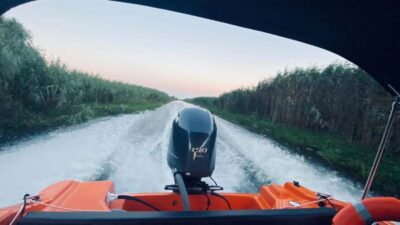 ★ 4.8Boat Trip to Caraorman Forest – Danube Delta (6–7 hours)From $2221 reviews
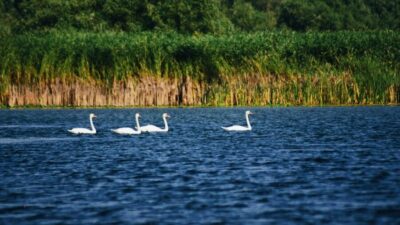 ★ 5.0Danube Delta: Boat Tour Through the Water Lily ReserveFrom $2219 reviews
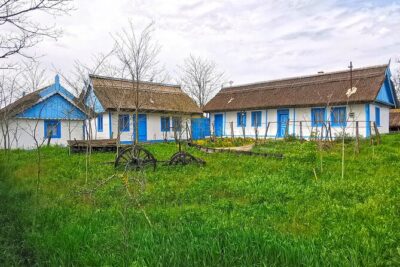 ★ 5.0Danube Delta PRIVATE boat trip to Letea Forest (guided tour)From $66016 reviews
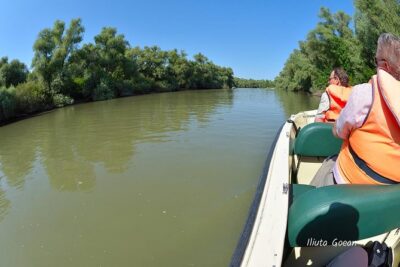 ★ 5.0Danube Delta PRIVATE boat trip to Mila23 Village (guided tour)From $5419 reviews
Browse the lists this tour appears in