
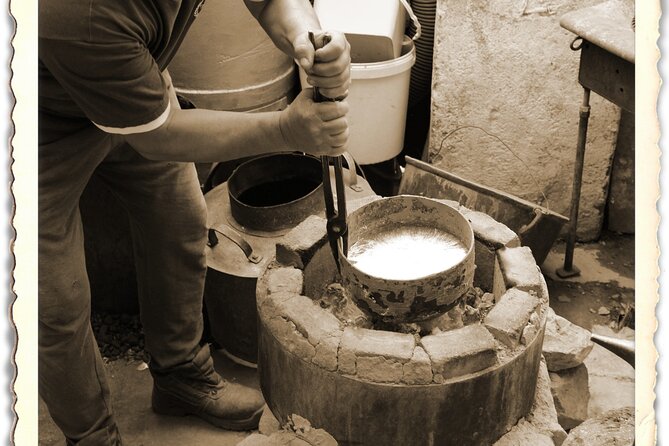
REVIEW · RURAL ROMANIA
The Real Story of Gypsies – Slavery in Romania
Bucharest tells hard truths. This 3-hour walking tour focuses on Roma history in Romania, moving between memorials, palaces, and public spaces so the story feels grounded in the city.
I like two things a lot. First, the route starts at the site of an old slaves market in the Piata Amzei area, so you immediately understand why this topic is not abstract. Second, the tour ends at Mesteshukar ButiQ, where you can see Roma craftsmanship up close, including copper work, instead of stopping at tragedy.
One heads-up: several stops deal with slavery and genocide related to Roma persecution, including at a Holocaust memorial. If heavy subjects are a struggle for you, plan for a more serious tone, and wear shoes you can stand in for the full walk.
In This Review
- Key highlights you will not want to miss
- Why this 3-hour walk works so well in Bucharest
- Start at Teatrul Ion Creangă, then Piata Amzei’s slave market site
- Palatul Stirbei, 1835, and how buildings connect to people
- Ateneul Roman: arts, perception, and the limits of what monuments show
- Cismigiu Parc gives you breathing room, without skipping the point
- The Holocaust Memorial stop: remembering Roma victims in the same frame
- Iuliu Maniu statue: the language shift from Gypsies to Roma
- Mesteshukar ButiQ ending: craftsmanship you can see, not just hear about
- Price and logistics: $30.04 for a serious, structured route
- Who should book this tour, and who should skip it
- Should you book The Real Story of Gypsies in Bucharest?
- FAQ
- Where does the tour start and end?
- What time does the tour begin?
- How long is the tour?
- How much does it cost?
- Is the tour available in English?
- What group size should I expect?
- Is the tour mostly walking?
- What are the main places you visit?
- Is admission included at the stops?
- Can I cancel for free if my plans change?
Key highlights you will not want to miss
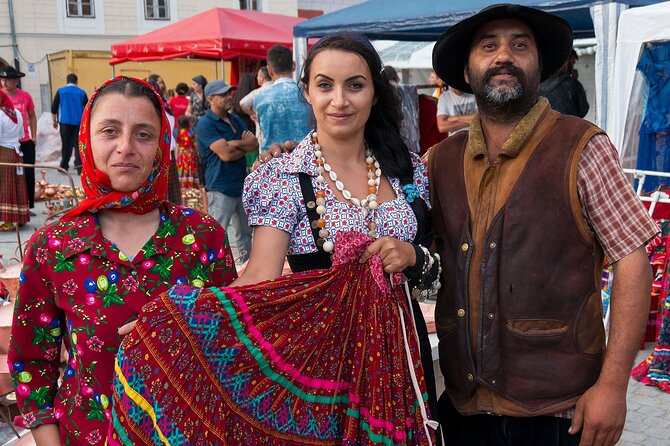
- Piata Amzei slave market site that frames the history before you see anything else
- Palatul Stirbei (built 1835), connected to important Roma history in Romania
- Holocaust Memorial stop that includes Roma victims of persecution and genocide
- A calm break at Cismigiu Parc where myths and truths get sorted in a nicer setting
- Mesteshukar ButiQ ending with Roma artisans and copper craftsmanship
Why this 3-hour walk works so well in Bucharest
This tour is short enough to fit most days, but not so short that it feels rushed. You are looking at about 3 hours total, with roughly 1 hour and 20 minutes of walking time, plus time for discussion at each stop. With a maximum of 15 people, the guide can actually answer questions instead of reading a script and moving on.
The big value is that it uses real, visible places. You are not just hearing a lecture in one room. You move through central Bucharest, starting near Romana Square and then working your way to the end at Mesteshukar ButiQ. That route design matters, because you get the mental map of where history sits in daily city life.
Also, it is in English, and the pace feels built for conversation. One English-speaking guide named Mihai is specifically praised for taking time with questions and explaining clearly. If you like asking follow-ups, you will likely feel comfortable doing that here.
Start at Teatrul Ion Creangă, then Piata Amzei’s slave market site
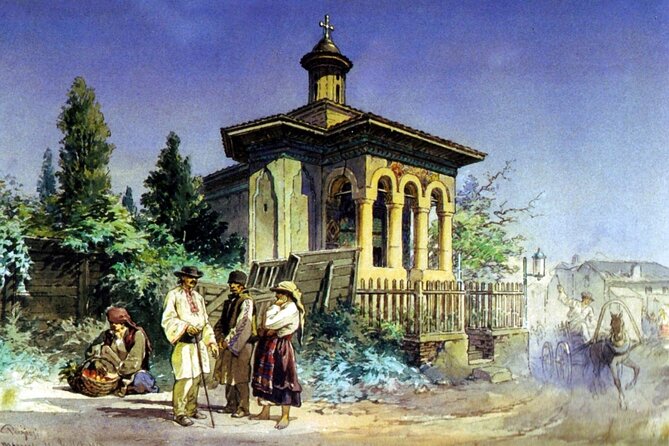
You meet at Teatrul Ion Creangă – Sala Mare, on Strada Piața Amzei 13, and the tour begins at 10:00 am. From there, you walk to Platoul Piata Amzei, tied to the site of an old slaves market.
This first stop is important because it sets the baseline. Roma slavery in Romania was not a side note. It shaped identities, community memories, and later stereotypes. The tour frames that trade in human lives and the way its effects lingered, including how Roma identity formed and was misunderstood for generations.
The time here is about 15 minutes, and it is clearly meant to hit you emotionally but also intellectually. If you tend to skim through history tours, do not do that on stop one. It is the foundation for what comes next around the city.
Practical tip: this is an early stop with a memorial-like tone. I suggest you keep your phone away for the first few minutes unless you are taking notes. Let the guide set the pace.
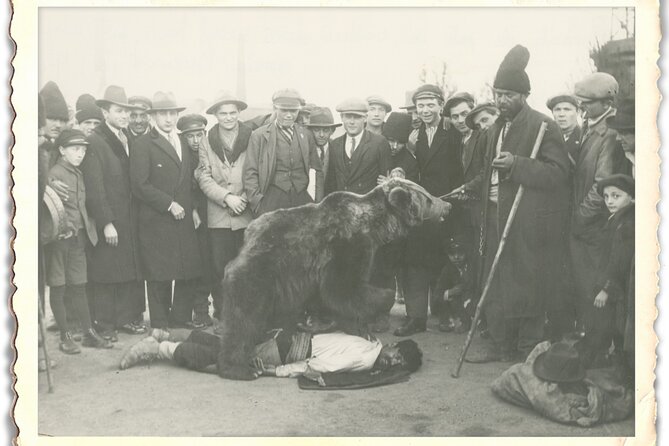
Village days, other versions
Palatul Stirbei, 1835, and how buildings connect to people
Next comes Palatul Stirbei, a palace built in 1835. It is described as being tied through its owner to one of the most important moments in Roma history in Romania. Even if you are not a palace person, this stop gives you a useful lens.
When people talk about discrimination and forced labor, it is easy to picture private cruelty. But palaces are part of the power structure. They signal who had wealth, who controlled institutions, and how social status shaped lives. Watching a guide connect a grand facade to Roma historical experiences makes the story feel more precise.
This stop is shorter, around 10 minutes. That can be a benefit if you do not want long pauses between heavier moments. Just know that you are not getting a deep architectural tour here. The focus stays on why this place matters to the Roma narrative.
Ateneul Roman: arts, perception, and the limits of what monuments show
After the palace, you pass by Ateneul Roman and spend about 15 minutes at that stop. The Romanian Athenaeum is a national cultural landmark, and the tour uses that setting to talk about the role of arts in shaping perceptions of the Roma community.
This is a smart turn. Art and culture can be a bridge, but they can also be used to reinforce a story that is convenient for the majority. The key is that you are not treated to a feel-good art stop. Instead, the guide connects the arts to how Roma were viewed over time, which is often different from how Roma communities saw themselves.
If you love architecture, this is still a good moment to look up at the building details while listening. Just remember the tour purpose here is identity and perception, not photography.
Cismigiu Parc gives you breathing room, without skipping the point
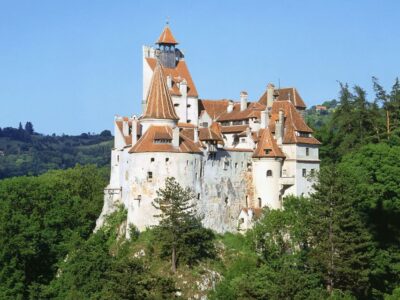
Then the tone softens slightly at Cismigiu Park, where you spend about 15 minutes. The tour calls it Bucharest’s oldest and largest garden, and the setting is genuinely nicer after memorial-heavy stops.
But do not treat this as a break where you only relax. The guide uses the green space to share more truths and myths about the Roma community’s history. That approach works well because myths spread most easily when people do not have clear sources and context. A park pause helps you reset your attention so you can absorb the corrections.
This is where you might ask questions too. The reviews highlight that the guide makes time for conversation, and Cismigiu Parc is an ideal moment for that kind of exchange because you are not standing in front of a stark memorial where everyone else is silently processing.
Practical tip: bring a light layer. Parks can feel cooler, and you will be standing and listening.
The Holocaust Memorial stop: remembering Roma victims in the same frame
After the park, the tour takes a somber turn at the Holocaust Memorial. Here you get about 15 minutes dedicated to honoring victims of persecution and genocide, including the thousands of Roma lives lost.
This stop is essential to the story. Many people know the Holocaust as a mostly Jewish tragedy, and that understanding matters. But Roma persecution is part of the same brutal system of racial ideology, and the tour makes sure that Roma victims are not treated as an afterthought.
The value for you is clear: it ties together different strands of injustice in Romania, rather than keeping them in separate boxes. You come away with a clearer sense that Roma persecution was not one incident. It was repeated and supported by policy and violence.
Emotionally, this is the kind of stop that asks you to slow down. If you tend to get restless at serious memorials, plan to take notes on what the guide says so your mind stays engaged. If you prefer silence, that is fine too.
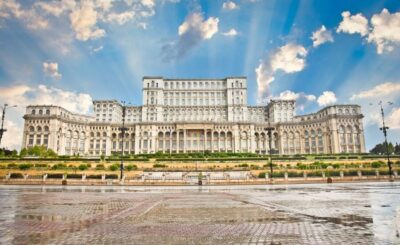
Iuliu Maniu statue: the language shift from Gypsies to Roma
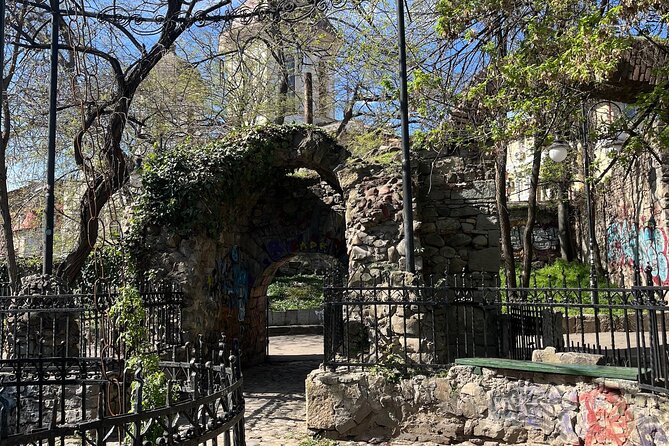
Next is the Iuliu Maniu Statue. The tour highlights another important moment in Roma history when the community was still often referred to as Gypsies.
This is a subtle but powerful topic. Names are not just labels. They shape policy, media portrayals, and how people are treated in daily life. The guide uses this statue moment to connect changing terminology to the broader struggle for dignity and recognition.
This stop is about 15 minutes, so you will likely get a tight explanation rather than a long debate. Still, it is one of those moments where you will probably hear a phrase or concept you did not think about before, especially if you have ever used the wrong word in casual conversation.
Mesteshukar ButiQ ending: craftsmanship you can see, not just hear about
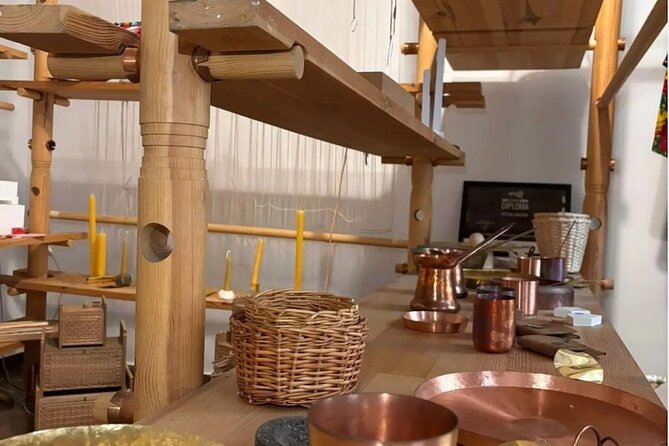
Finally, the tour ends at Mesteshukar ButiQ at Bulevardul Mihail Kogălniceanu 12. This is a small shop where products are made only by Roma craftsmen. You get about 15 minutes here.
This ending matters for two reasons. First, it balances the narrative so you are not left with only tragedy. Second, it shows something practical: Roma culture is not frozen in the past. Copper work is presented as part of ongoing tradition and skill.
From a value standpoint, this stop also helps you travel more respectfully. If you want a meaningful souvenir, you are not buying a random trinket. You are seeing craftsmanship tied to the community the tour focused on.
One more practical note: the shop time is limited. If you are interested in buying, take your time quickly before the tour moves on, and ask about what you are seeing. Even basic questions can turn the visit into a conversation, not just a transaction.
Price and logistics: $30.04 for a serious, structured route
The price is $30.04 per person, for about 3 hours. That is a fair match for a guided walking tour that covers multiple sites, including memorial stops. In central Bucharest, guided history walks can easily cost more, especially when they include multiple outdoor locations and discussion time.
What you are getting for the money:
- A small group (up to 15)
- English interpretation
- A route that mixes history, memorialization, and living culture
- Mobile ticket delivery
- Stops where the tour notes admission is free (at least for the listed sites)
Where you should be realistic: it is not a casual stroll through pretty streets. It is a purposeful walk that deals with slavery, genocide, and identity. If your goal is light entertainment, this is not that kind of tour. If your goal is understanding, this is exactly the right format.
Also, because it is a walking tour, wear decent shoes. The walking is about 1 hour and 20 minutes, but the total time includes multiple stops and periods standing.
Who should book this tour, and who should skip it
This tour is a good fit if you want:
- A guided city story that connects events to specific places
- Clear, spoken explanations in English
- A format that allows questions, especially if your guide is like Mihai, who is praised for taking time to answer
You might skip it if:
- You are sensitive to topics involving slavery and genocide and do not want memorial stops
- You prefer tours that focus mainly on entertainment, cuisine, or architecture without heavy context
If you are visiting Bucharest for a first time, this can still work well. It covers central locations, and the route ends where you can see craftsmanship before you go off for dinner.
Should you book The Real Story of Gypsies in Bucharest?
I think you should book this tour if you want a more honest version of Bucharest. It is structured, timed well, and it uses the city itself as a teaching tool. The combination of the Piata Amzei slave market site, the Holocaust Memorial, and the ending at Mesteshukar ButiQ makes it more balanced than tours that only focus on one side of the story.
Book it if you also enjoy conversation. The feedback about clear English and real Q and A time is a strong signal that you will not just sit and listen. Bring respect, come ready for heavy topics, and you will get a visit that stays with you long after you leave the park.
FAQ
Where does the tour start and end?
The tour starts at Teatrul „Ion Creangă” – Sala Mare, Strada Piața Amzei 13, 030167 București. It ends at Mesteshukar ButiQ [MBQ], Bulevardul Mihail Kogălniceanu 12, București 030167.
What time does the tour begin?
The start time listed is 10:00 am.
How long is the tour?
It runs for about 3 hours.
How much does it cost?
The price is $30.04 per person.
Is the tour available in English?
Yes, the tour is offered in English.
What group size should I expect?
The maximum group size is 15 travelers.
Is the tour mostly walking?
It includes walking time of about 1 hour and 20 minutes, plus time at stops.
What are the main places you visit?
You stop at Platoul Piata Amzei, Palatul Stirbei, Ateneul Roman (passing by), Cismigiu Park, the Holocaust Memorial, the Iuliu Maniu Statue, and then Mesteshukar ButiQ.
Is admission included at the stops?
The tour information states admission tickets are free for the listed stops.
Can I cancel for free if my plans change?
Yes. Free cancellation is available, and you can cancel up to 24 hours in advance for a full refund.
Everything Else We Reviewed In Bucharest
- Bucharest: Dracula’s Castle, Peles Castle, & Brasov Old Town
★ 4.5 · 17,858 reviews - Bucharest: Dracula Castle, Peles Castle & Brasov Old Town
★ 4.6 · 10,891 reviews - Bucharest: Dracula’s Castle, Peleș Castle & Brașov Day Trip
★ 4.5 · 5,919 reviews - Bucharest: Palace of Parliament Tickets and Guide
★ 4.3 · 3,182 reviews - Bucharest: Day Trip to Dracula Castle, Peles Castle & Brașov
★ 4.4 · 3,049 reviews
Village Romania, Other Days
- Slavery in Romania,Myths and Truths on Gypsies, Walking Tour
★ 4.9 · 42 reviews - Original Carpathian Village Experience and Sinaia in one day tour
★ 5.0 · 40 reviews - Palace of the Parliament, Village Museum & Ceaușescu Mansion
★ 4.9 · 31 reviews - Traditions in Bucharest: Village Museum and Wine Tasting Tour
★ 5.0 · 27 reviews - Private Bucharest city tour visit the Palace of the Parliament & Village Museum
★ 4.5 · 21 reviews
Recently added around Bucharest
- Private Tasting Expedition Along Romania’s Most Famous Wine Route★ 5.0 · 3 reviews
- Private Guided Tour of Peles Castle and Bran Castle from Bucharest★ 5.0 · 3 reviews
- Private Sightseeing Tour of Bucharest★ 4.5 · 3 reviews
- Discover Europe’s Deepest Mines & Peles Castle’s Royal Charm★ 5.0 · 3 reviews
- Bucharest City Tour and Wine Tasting★ 5.0 · 3 reviews
Village Life and Rural Traditions, compared.
 ★ 5.0Small-Group Day Trip in Romanian Authentic Mountain Villages from BrasovFrom $11978 reviews
 ★ 4.8From Brasov: Romanian Mountain Villages Day TourFrom $11656 reviews
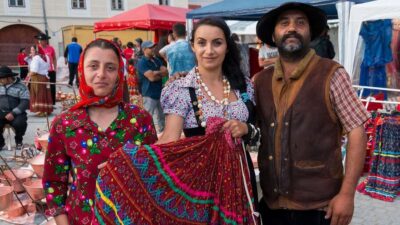 ★ 4.9Slavery in Romania,Myths and Truths on Gypsies, Walking TourFrom $2942 reviews
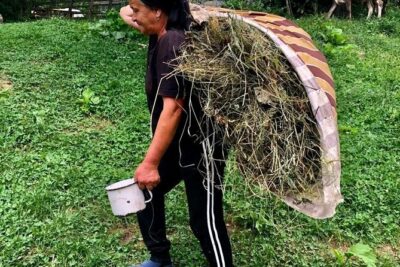 ★ 5.0Original Carpathian Village Experience and Sinaia in one day tourFrom $17840 reviews
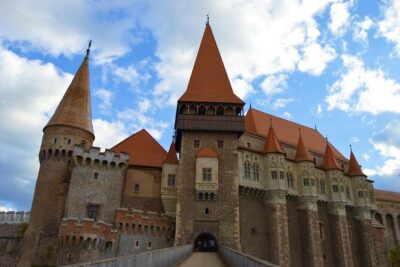 ★ 5.0Exclusive Tour: Corvin Castle, Alba Iulia and traditional villages from SibiuFrom $15633 reviews
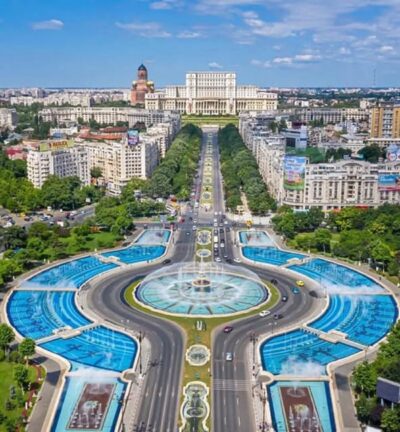 ★ 4.9Palace of the Parliament, Village Museum & Ceaușescu MansionFrom $4531 reviews
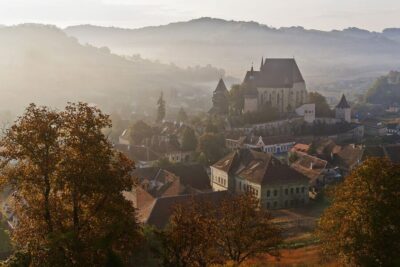 ★ 4.9Transylvania Gems: Sighisoara, Medias, Biertan & Gypsy lifeFrom $20229 reviews
 ★ 5.0Traditions in Bucharest: Village Museum and Wine Tasting TourFrom $14827 reviews
Browse the lists this tour appears in