
REVIEW · RURAL ROMANIA
Slavery in Romania,Myths and Truths on Gypsies, Walking Tour
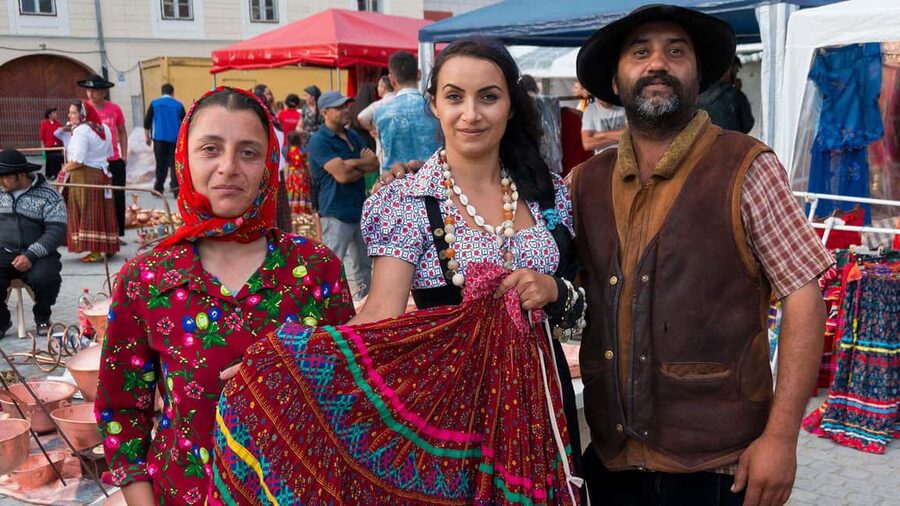
Bucharest history gets personal fast. This walking tour focuses on Roma myths and truths through real places, from a former slave market site to the Holocaust memorial. It is guided, story-based, and designed to connect the big themes of Romanian history to how prejudice forms and persists.
I especially like the way the tour mixes serious topics with human pacing. Guides like Daniela and Andreea are repeatedly praised for empathy, humor, and clear explanations, and they keep the walk moving without turning it into a lecture. I also like that you get both beauty and context, with time in Cismigiu Gardens after the heavier stops.
One possible drawback is that, while it is respectful and informed, it may not offer much direct interaction with Roma community members themselves. If that is what you want most, go in with your expectations set for a guided explanation rather than a conversation-based visit.
In This Review
- Key things that make this tour worth your time
- Starting in central Bucharest, and what that means for your day
- The opening stop: Roma myths, slavery in Romania, and an old slave market site
- The Romanian Athenaeum pass-by: how art changes perceptions
- Cismigiu Park: a calmer walk where myths still get challenged
- The Holocaust memorial stop: paying attention to Roma victims
- Communist-era traces and the way prejudice becomes policy
- Piața Kogălniceanu, Revolution Square, and the value of getting your bearings
- The café break: a small pause that makes a difference
- Finishing at Mesteshukar ButiQ and the optional jewelry workshop
- Price, time, and value for your money
- Who should book this tour, and who should think twice
- Should you book it?
- FAQ
- How long is the tour?
- Where does the tour start?
- Where does the tour end?
- Is the tour offered in English?
- What is included in the price?
- Are food and drinks included?
- Is there an optional jewelry workshop?
- How much does it cost?
Key things that make this tour worth your time
- A Roma-focused walk with myths vs truths, not generic city sightseeing
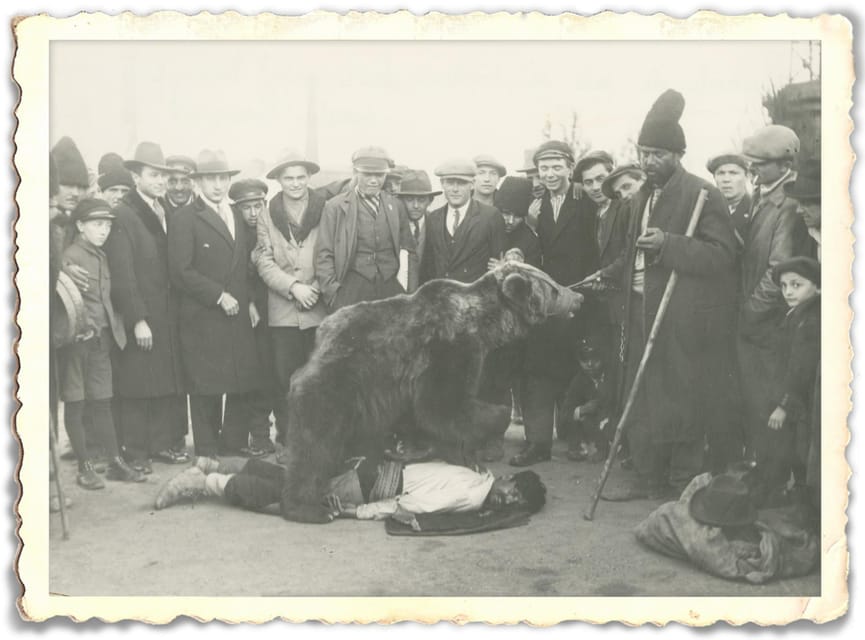
- Stopping at an old slave market site, tying place to painful history
- Time in Cismigiu Gardens, so you get a breath of calm between heavy topics
- The Holocaust memorial in Romania, with specific attention to Roma victims
- Optional jewelry workshop at Mesteshukar ButiQ, with a Roma craftsman you can watch and learn from
Starting in central Bucharest, and what that means for your day
You meet at Teatrul Ion Creangă (Sala Mare), in a small square in front of the theater. It is listed as about a 3-minute walk from Piata Romana metro station, which matters because it keeps the start easy and reduces friction on a first trip to Bucharest.
I like how the meeting setup keeps you anchored. You know exactly where the tour begins, and the walk is built around recognizable sights in a fairly walkable stretch of the city center. For a 3-hour experience, that kind of compact routing is a big deal.
Also, since the tour is in English with a live guide, it is a good fit if you want depth without needing Romanian language skills. You do not just get a script. The guide is there to connect ideas, point out details, and answer questions as you go.
The opening stop: Roma myths, slavery in Romania, and an old slave market site
The tour’s starting section is where the tone gets serious. You begin near Romana Square and then visit the site of a former slave market. That first stop is a haunting reminder of Romania’s complex history with the Roma community, including the trade in human lives and the lasting impact on Roma identity.
This is the kind of place-based history that actually helps your brain. When you read about slavery or discrimination, it can feel abstract. Here, it is anchored to an actual spot in the city. You are not only learning facts, you are seeing how history can sit quietly in plain sight.
The tour also aims to correct common misconceptions. The theme is Romania’s Roma community, but the bigger goal is to separate myths vs truths about identity, culture, and how outsiders have misunderstood the community for generations. A guide approach like this works best when you stay open to nuance, even when the topic is uncomfortable.
If you prefer history that is emotionally light, this is not that. But if you want an honest, grounded understanding of prejudice and how it shaped institutions, the opening direction is exactly what you came for.
Village days, other versions
The Romanian Athenaeum pass-by: how art changes perceptions
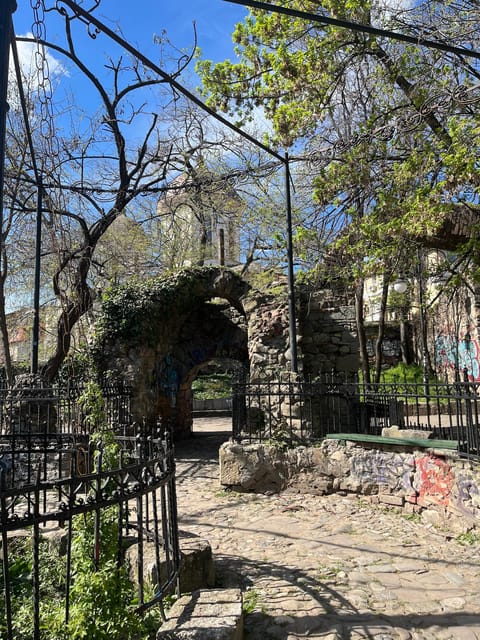
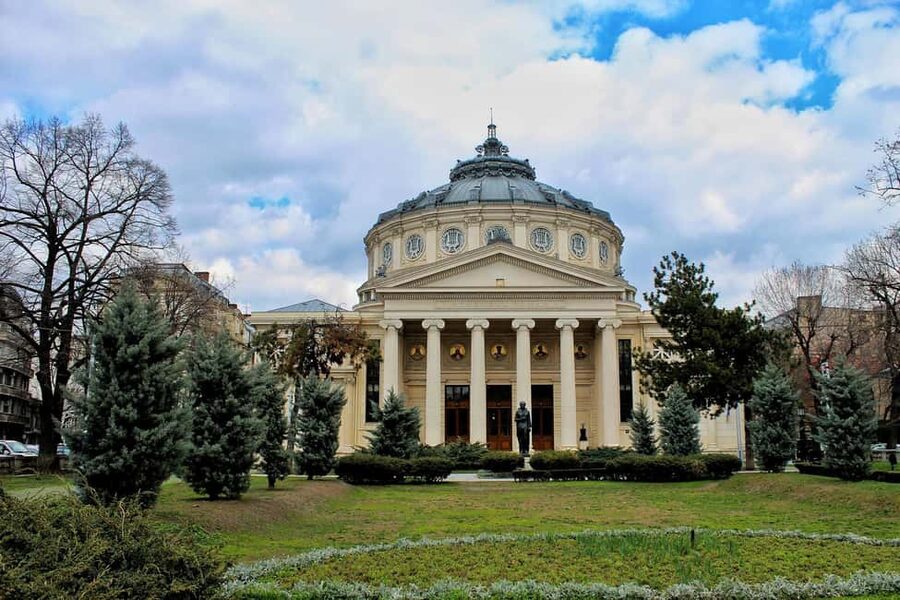
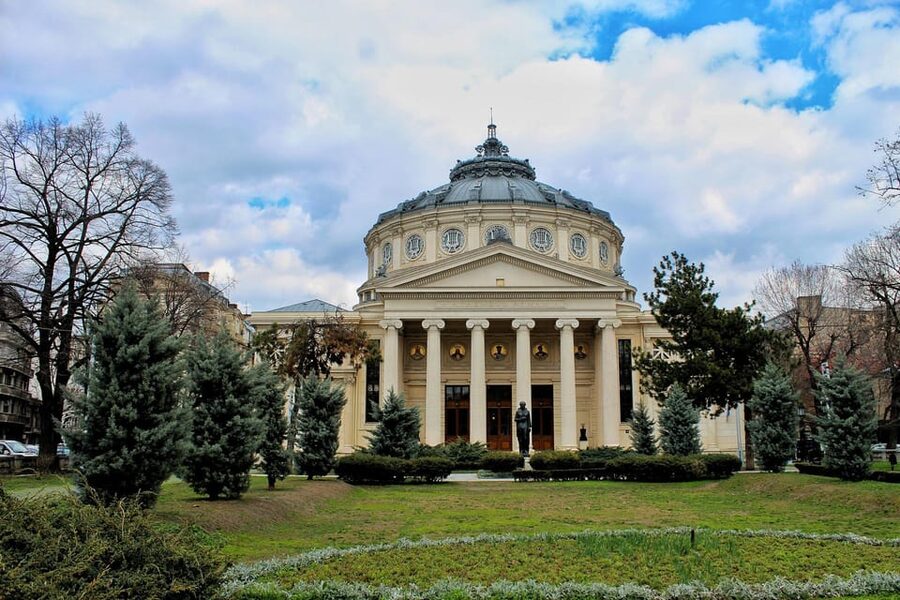
After the initial history of slavery, the route passes the Romanian Athenaeum. The Athenaeum is one of Bucharest’s most iconic buildings, and it gets treated as more than a photo stop.
You are not just admiring architecture. The guide connects the arts to perception, including how cultural life has influenced the way Roma have been viewed over time. That’s a useful angle because it shifts the conversation from stereotypes as individual attitudes to stereotypes as something reinforced by the broader culture.
What I like here is that the tour doesn’t pretend discrimination is only a matter of personal behavior. It points at the systems around people, like how public storytelling, art, and national pride can shape what feels acceptable to think.
You also get that pass-by format, which helps keep momentum. You see the building and you learn why it matters, without losing too much time before the next walking segment.
Cismigiu Park: a calmer walk where myths still get challenged
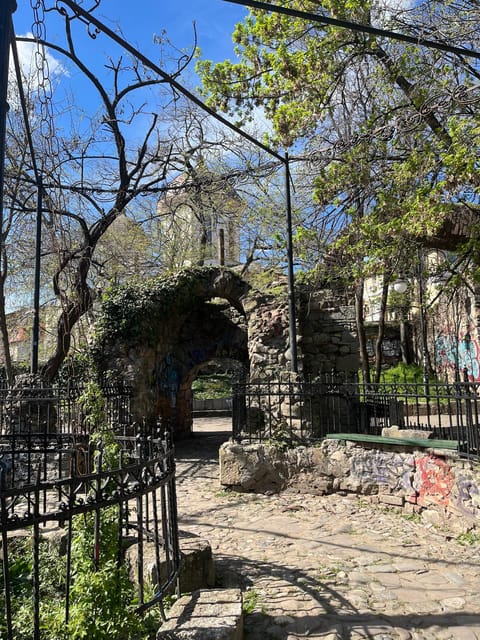
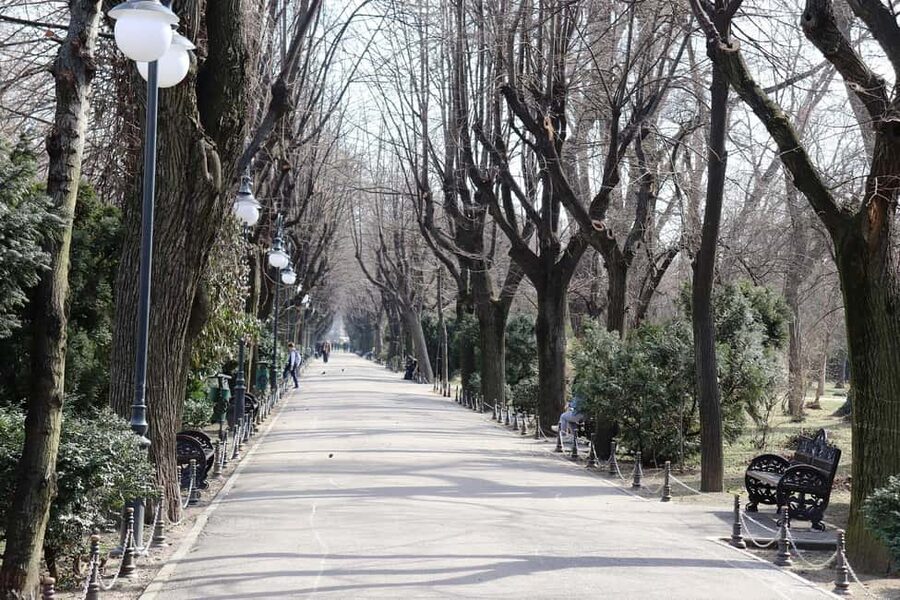
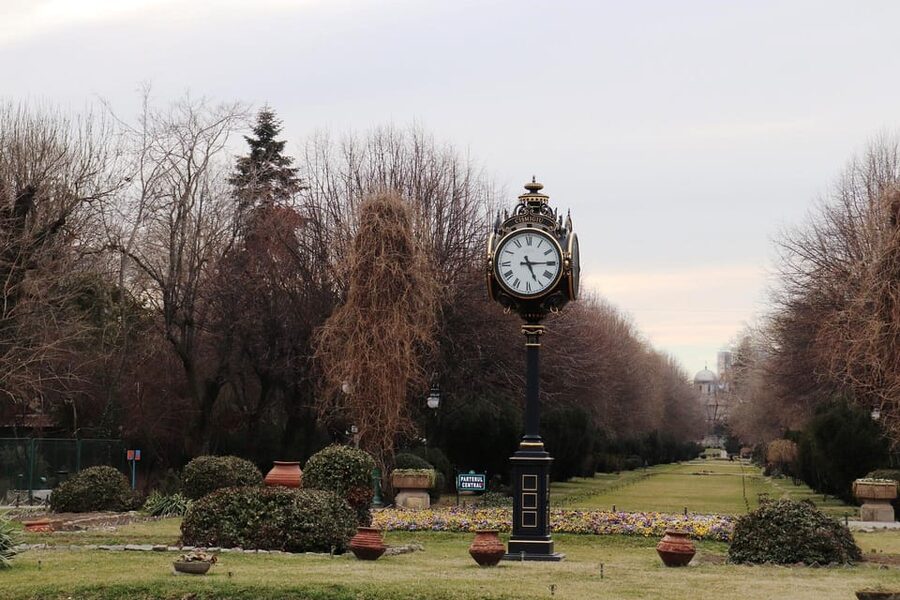
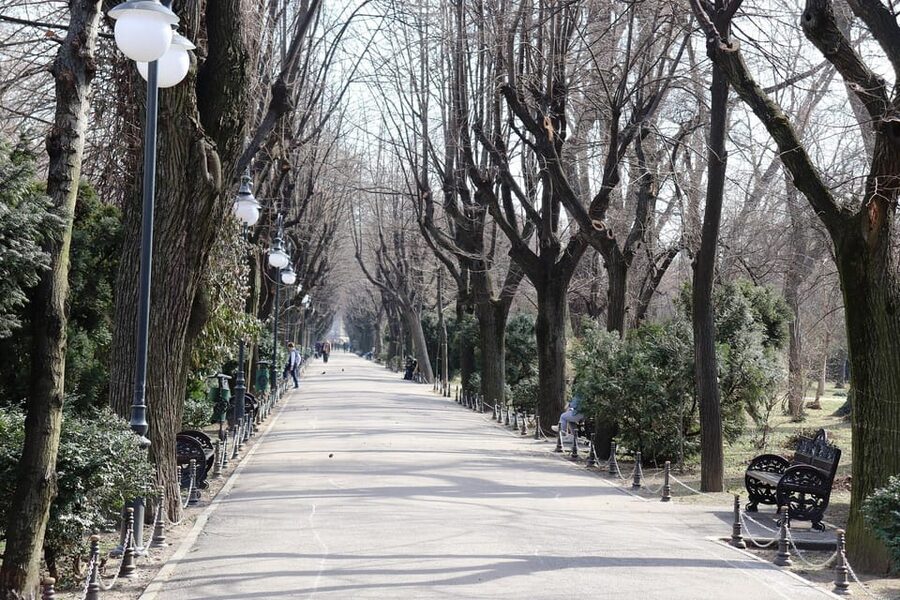
Then you shift to Cismigiu Gardens, described as Bucharest’s oldest and largest garden. You spend about 30 minutes there, which is long enough to actually slow down. And that is important because the tour moves through heavy subjects, including persecution and genocide, before this calmer section.
In the park, the guide continues the myths-and-truths conversation in a different emotional register. You are surrounded by greenery, but you are not escaping the topic. Instead, you get space to absorb what you already learned, ask questions, and let the ideas land.
I also like that reviews mention practical pacing and comfort. People noted the guide offered information in a way that stayed easy to follow, and even on hot days, they paced the walk and shared shade and water breaks. That kind of care can make a sensitive topic feel more human.
There’s also a subtle benefit: gardens are where you learn to look. The guide’s job here is to redirect your attention from only the spectacle of historical suffering to the everyday existence of culture, community, and survival. You leave the park with a better sense of how Roma culture sits inside wider Romanian life, not outside it.
The Holocaust memorial stop: paying attention to Roma victims
Next comes an important stop: the Holocaust memorial in Romania. You get a photo stop plus a guided walk-and-talk segment, and the focus includes the thousands of Roma lives lost to persecution and genocide.
This section matters because it corrects a common historical imbalance. Many people learn the Holocaust through one lens, but here the guide ties the story to Roma victims specifically. Even if you know the basic timeline, the emphasis on Roma lives makes the narrative feel more complete and more accurate.
I also appreciate the way the tour treats this part with seriousness. Reviews singled out the Holocaust monument as outstanding, and the overall delivery was described as respectful and clear. When you choose a topic like this, the tone is not a minor detail. It is the whole point.
If you are the type who gets emotionally overloaded by dark history, you might want to step into this part with a steady pace. Take a breath, pause for a photo if you want, and give yourself a moment after the guide finishes before rushing back into the street.
Communist-era traces and the way prejudice becomes policy
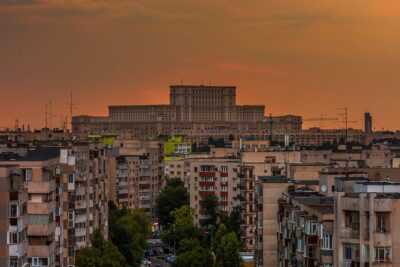
After the Holocaust memorial, the tour continues through city streets where you can encounter traces of Romania’s communist past. You also visit Piața Kogălniceanu (about a 10-minute segment with guided walk-and-talk) and pass by Revolution Square (about 15 minutes passing).
Here the guide’s role is to connect history to attitudes and daily reality. Communist regimes often changed social rules, moved power around, and created official narratives. The tour highlights how the Communist period affected challenges faced by the Roma community.
This part is especially useful if you think prejudice only lives in individual prejudice. The tour pushes you to see how discrimination can become structured: through policy, public stories, and the way institutions handle property, rights, and social status.
One review specifically mentioned a dispute about property ownership that helped account for run-down buildings after the war. That kind of detail is a reminder that history is not only about big events. It is about who gets to keep stability, and who loses it.
If you like when a guide links macro events to visible urban realities, this section is your moment. The city becomes a classroom.
If you want it darker

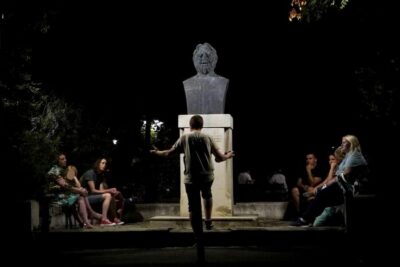
Piața Kogălniceanu, Revolution Square, and the value of getting your bearings
At Piața Kogălniceanu, you get another guided walk-and-talk segment. While the tour includes several short passes and secret stops, this is part of the rhythm: look, listen, walk, connect. You are not stuck standing in one place for too long.
Then you pass by Revolution Square, which is a fitting marker for the way Romania changed after communism. The point of the stop is not just to recognize a landmark. It is to keep the story moving from one era to the next, showing how attitudes and inequalities can shift form rather than disappear.
One of the most practical benefits of a focused walking tour like this is that it helps you get oriented fast. You leave knowing where key landmarks sit, and you understand what they represent in the story the guide told you.
And since the walk is designed to last around three hours, the pacing is built to keep you engaged the whole way. You get breaks and windows of quieter processing, not just nonstop information.
The café break: a small pause that makes a difference
You also have a break at a local café for about 15 minutes. Reviews highlighted that the guide paced the walk well and that there were ample opportunities to sit and, if needed, use facilities.
I treat this break as more than a convenience. After serious stops, you want a chance to reset your brain. A short break keeps the tour from feeling like an information marathon.
Food and drinks are not included, so you’ll want to bring water or plan to buy it at the café if you need it. But the café stop is still a smart design choice for a tour that covers slavery, genocide, and discrimination.
Finishing at Mesteshukar ButiQ and the optional jewelry workshop
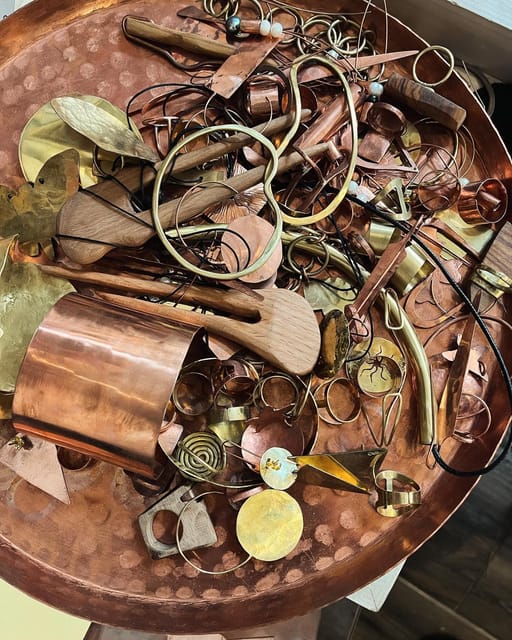
The tour can include an optional jewelry workshop. If you choose it, you craft your own piece with an authentic Roma craftsman at a traditional workshop, and transportation is included as part of that option.
The workshop is an excellent complement to the history stops. Learning about discrimination and suffering is essential, but culture is also about skills, making, and everyday creativity. Reviews mentioned people who did not book the workshop still checked it out and described it as fun, which is a good sign that the session is not only educational, it is hands-on.
If you like interactive experiences, this is the part that turns the tour from learning about identity into making something that carries a piece of culture in your hands. Even if you skip the workshop, you still finish at Mesteshukar ButiQ [MBQ], so it remains part of your route and context.
Price, time, and value for your money
The price is $29 per person for a duration of about 3 hours, with an English live guide and a guided walking route through multiple key stops. When you’re paying for a historical topic like this, the value is not only in the landmarks. It’s in the guide’s ability to explain myths, correct misconceptions, and keep sensitive material clear and respectful.
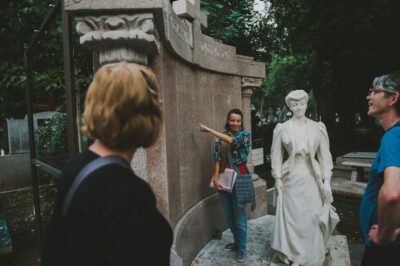
The review pattern here is strong. Many people praised guides like Daniela and Andreea for empathy, clarity, and excellent communication. Daniela was noted for depth and candor with a sense of humor, plus good follow-up links, including folkloric and manele music references. Andreea was praised for using easy-to-follow visuals, links to sculptures along the route, and careful pacing even in hot weather.
So yes, $29 for three hours is a straightforward price. But the real value comes from the way the tour mixes major locations, myth-busting, and thoughtful pacing into one guided experience.
Who should book this tour, and who should think twice
This tour is a great fit if you want more than generic city sights. If you care about history that includes marginalized communities, and you want a guided walking format that keeps you moving while still explaining the why behind the what, you’ll likely enjoy it.
It is also a good match if you like guides who speak with empathy and practical clarity. Multiple reviews described the delivery as respectful and easy to absorb, not preachy, not dismissive.
Two types might hesitate. First, if you want a light, casual Bucharest walk with minimal emotional weight, this topic may feel too heavy. Second, if you want lots of direct voices from Roma community members themselves, one review suggested the tour would be improved by involving interaction. Based on the tour info, you should expect mainly a guide-led explanation, not a community roundtable.
Should you book it?
Yes, I think you should book this tour if you want an honest, place-based look at Roma myths and truths in Bucharest, and you want it guided by people like Daniela, Andreea, and Mihai who were repeatedly praised for respectful teaching and clear communication.
I would pass if you are looking for a purely scenic stroll or if you strongly prefer interactive conversations with community members rather than guided storytelling. But if you’re ready to walk Bucharest with your eyes open, and you want to understand how slavery, genocide, communism, and everyday culture shape perceptions, this is a solid value at $29 for about 3 hours.
FAQ
How long is the tour?
The tour runs for about 3 hours.
Where does the tour start?
You meet in the small square in front of the Ion Creangă Theatre (Teatrul Ion Creangă), about a 3-minute walk from Piata Romana metro station.
Where does the tour end?
The activity ends back at the meeting point, and it also lists Mesteshukar ButiQ [MBQ] as the finish location.
Is the tour offered in English?
Yes, the live guide speaks English.
What is included in the price?
The included items are the guide and the walking tour. If you select the optional add-on, the jewelry workshop and transportation are also included.
Are food and drinks included?
No, food and drinks are not included.
Is there an optional jewelry workshop?
Yes. You can add an optional jewelry workshop during the tour, where you craft your own piece with an authentic Roma craftsman in a traditional workshop.
How much does it cost?
The price is $29 per person.
Everything Else We Reviewed In Bucharest
- Bucharest: Dracula’s Castle, Peles Castle, & Brasov Old Town
★ 4.5 · 17,858 reviews - Bucharest: Dracula Castle, Peles Castle & Brasov Old Town
★ 4.6 · 10,891 reviews - Bucharest: Dracula’s Castle, Peleș Castle & Brașov Day Trip
★ 4.5 · 5,919 reviews - Bucharest: Palace of Parliament Tickets and Guide
★ 4.3 · 3,182 reviews - Bucharest: Day Trip to Dracula Castle, Peles Castle & Brașov
★ 4.4 · 3,049 reviews
If You Want It Darker
- Bucharest: 3-Hour Dark History Tour with a Local
★ 4.9 · 301 reviews - Bucharest Ghosts Stories and Mythology
★ 5.0 · 292 reviews - Bucharest: Ghost Stories & Romanian Mythology Walking Tour
★ 4.9 · 287 reviews - Bucharest Under Communism: Life, Terror & Hope
★ 5.0 · 76 reviews - Bucharest: Ghost Hunt Quest Experience
★ 4.5 · 34 reviews
Village Romania, Other Days
- Original Carpathian Village Experience and Sinaia in one day tour
★ 5.0 · 40 reviews - Palace of the Parliament, Village Museum & Ceaușescu Mansion
★ 4.9 · 31 reviews - Traditions in Bucharest: Village Museum and Wine Tasting Tour
★ 5.0 · 27 reviews - Private Bucharest city tour visit the Palace of the Parliament & Village Museum
★ 4.5 · 21 reviews - Private Tour – Food, Culture, History & Traditions
★ 5.0 · 18 reviews
Recently added around Bucharest
- Private Tasting Expedition Along Romania’s Most Famous Wine Route★ 5.0 · 3 reviews
- Private Guided Tour of Peles Castle and Bran Castle from Bucharest★ 5.0 · 3 reviews
- Private Sightseeing Tour of Bucharest★ 4.5 · 3 reviews
- Discover Europe’s Deepest Mines & Peles Castle’s Royal Charm★ 5.0 · 3 reviews
- Bucharest City Tour and Wine Tasting★ 5.0 · 3 reviews
Village Life and Rural Traditions, compared.
 ★ 5.0Small-Group Day Trip in Romanian Authentic Mountain Villages from BrasovFrom $11978 reviews
 ★ 4.8From Brasov: Romanian Mountain Villages Day TourFrom $11656 reviews
 ★ 5.0Original Carpathian Village Experience and Sinaia in one day tourFrom $17840 reviews
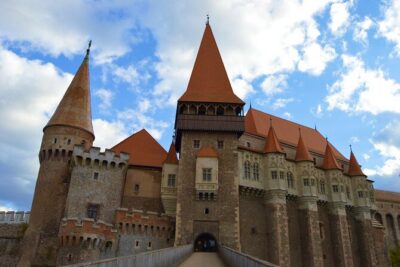 ★ 5.0Exclusive Tour: Corvin Castle, Alba Iulia and traditional villages from SibiuFrom $15633 reviews
 ★ 4.9Palace of the Parliament, Village Museum & Ceaușescu MansionFrom $4531 reviews
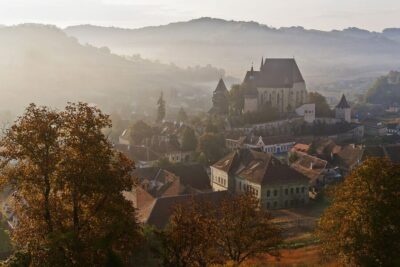 ★ 4.9Transylvania Gems: Sighisoara, Medias, Biertan & Gypsy lifeFrom $20229 reviews
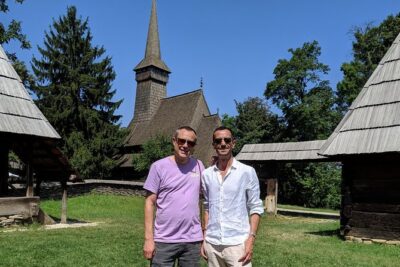 ★ 5.0Traditions in Bucharest: Village Museum and Wine Tasting TourFrom $14827 reviews
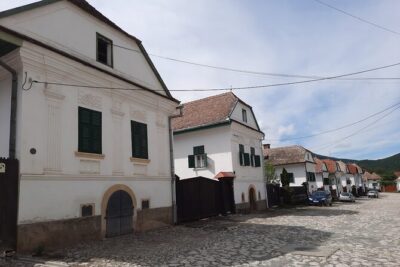 ★ 5.0Day Trip To Turda Salt Mine, Rimetea Village & Coltesti FortressFrom $11925 reviews
Browse the lists this tour appears in