
REVIEW · CLUJ-NAPOCA
Cluj-Napoca Walking City Tour
Cluj-Napoca comes at you fast. This 2-hour, small-group walk turns Museum Square into a timeline, tying together Romanian, Hungarian, and Saxon influences as you move through the old center. You end up with a view that makes you pause and look around like you just arrived for the first time.
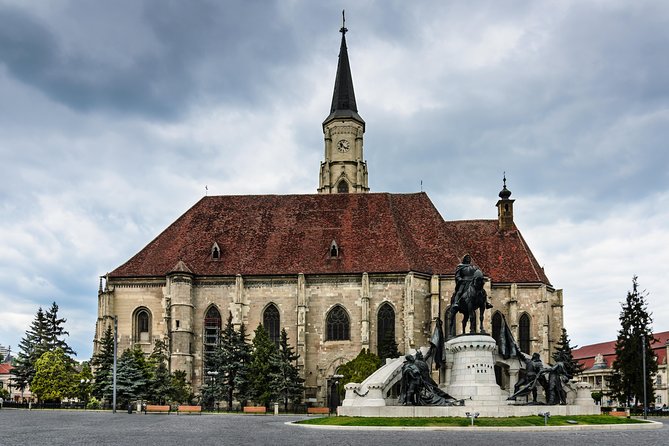
I especially love how the tour is led by an English-speaking guide who keeps the story clear and points out street-level details you would miss on your own. I also like the big stops that anchor the walk, including St. Michael’s Gothic Cathedral and Banffy Palace, home to the National Art Museum.
One consideration: the tour isn’t suitable for wheelchair users, and comfortable shoes matter because you’ll be walking for the full 2 hours. If you hate uneven sidewalks or you need frequent breaks, this may feel like a push.
In This Review
- Key Highlights You Should Know
- Cluj-Napoca, Explained at Walking Speed
- Meeting at the Obelisk and Getting Your Bearings
- Museum Square: The Start Where Culture Becomes Visible
- Union Square and St. Michael’s Gothic Cathedral
- Banffy Palace and the National Art Museum Stop
- Cluj National Theatre and the Art of Architectural Layers
- Old Streets, Visual Clues, and What You’ll Actually Learn
- The Viewpoint Finish, Including Fireman Tower Energy
- Price and Value: What $62 Buys You in 2 Hours
- Who This Tour Is Best For
- Should You Book It?
- FAQ
- How long is the Cluj-Napoca Walking City Tour?
- Where do I meet the guide?
- Is the tour guide available in English?
- How much does the tour cost?
- What is included in the price?
- Are meals included?
- Is this tour wheelchair accessible?
Key Highlights You Should Know
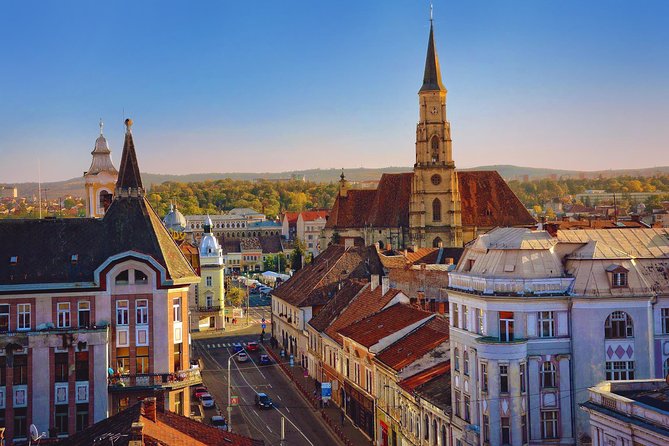
- St. Michael’s Cathedral: Gothic architecture explained in plain language, with help spotting what makes it special
- Banffy Palace and the National Art Museum: a palace setting that adds weight to the art stop
- Chronological city walk: you see how architectural layers get added over time
- Romanian, Hungarian, Saxon mix: influences you can actually see in doorways, façades, and street vibe
- Small group, up to 10: easier to ask questions and hear the guide clearly
- Cityscape finish: a viewpoint that makes the walk feel worth it
Cluj-Napoca, Explained at Walking Speed
Cluj-Napoca is the kind of city where the past isn’t frozen behind glass. It sits right on the sidewalks, in church stonework, in theatre façades, and in the way old streets connect to newer energy. A walking tour is the best way to read that, because you move slowly enough to notice details, but quickly enough to keep momentum.
What I like about this format is how it builds context step by step. You do not just tick off landmarks. You get the “why” behind what you’re seeing, then you walk to the next place while it’s still fresh in your head.
Another smart part: you end with a viewpoint. That gives you a mental map. After that, everything you saw earlier makes more sense, because you can link the skyline to the streets you walked.
Meeting at the Obelisk and Getting Your Bearings
You meet the guide in front of the Obelisk. It’s a simple start, and it matters because Cluj’s central sights are close enough that you can feel the city’s shape without getting lost. If you’re arriving from elsewhere, give yourself a few extra minutes to find the meeting spot and settle in before the group gathers.
Because this is a small group limited to 10 participants, the meeting moment is usually quick and organized. You’ll likely get an early sense of the pace, plus the guide can start setting expectations for what you’ll see during the 2-hour walk.
Bring comfortable shoes and plan to keep moving. This isn’t a “sit down and listen” tour. It’s a story told on the move, so your feet matter more than fancy clothes.
What else Cluj puts on
Museum Square: The Start Where Culture Becomes Visible
The walk begins at Museum Square, and that choice is practical. It’s not random scenery. It’s a cultural hub, with the Franciscan Church and the art-focused buildings around it helping you understand what kind of city you’re walking into.
From the start, the guide frames Cluj as a place that collects influences. You start noticing that the city’s architecture doesn’t come from one single tradition. Instead, different styles layer in over time, leaving visible clues you can spot as you continue.
You also get helped by visual materials during the tour. That’s a small thing, but it’s useful, especially for architectural features that are easier to understand with a quick reference. Even if your photo skills are weak, you’ll still leave with a better grasp of what you saw and why it looks the way it does.
Union Square and St. Michael’s Gothic Cathedral
One of the main anchors is St. Michael’s Cathedral, described as Gothic and positioned in Union Square. Gothic churches tend to feel dramatic, but the guide’s job here is to make the drama readable. You should come away knowing what to look for, not just that it looks tall or old.
In a walking tour, this stop works because it breaks the tour into a clear moment. You’ve been building the idea of layered influences, and then the guide points you toward one style that dominates the mood. That makes the later stops easier to interpret.
Here’s what to do as you arrive: slow down. Look up first, then scan down. Notice how the building’s details change from top to bottom. When you connect those observations to what the guide says, the cathedral stops being a postcard and becomes a structure with logic.
Banffy Palace and the National Art Museum Stop
Next comes Banffy Palace, which houses the National Art Museum. A palace setting changes how you experience an art stop, even if you are not spending a long time inside. The building already tells you this city wants to be seen as cultured and serious.
This stop also helps you shift from religious architecture to the civic and cultural side of Cluj. You start seeing that the city’s identity isn’t only tied to churches and squares. It’s also tied to institutions that collect and display art.
Pay attention to the contrast between what you saw at St. Michael’s and what you see here. Gothic energy is vertical and sharp. A palace tends to feel more controlled and composed. The guide’s explanation of the building’s character helps you understand why those differences matter.
If you’re planning your own museum time later, this is a great primer. You’ll know what type of place you’re stepping into and what to look for when you return.
Cluj National Theatre and the Art of Architectural Layers
As you move through the old town, the tour keeps things chronological. You’re not just bouncing between interesting buildings. You’re meant to understand how new cultural layers were added over time, shaping the city’s look.
A key stop here is the Cluj National Theatre, described as Baroque-style. Baroque architecture often brings in drama through shapes, ornament, and a sense of movement. Even from the street, you can feel when a building is trying to impress.
This section is where you’ll start noticing the blend of influences in everyday ways, not just big monuments. The walk through labyrinthine old streets is an invitation to slow down and see how Romanian, Hungarian, and Saxon influences show up in street patterns and architectural details.
A practical tip: keep your questions ready. In the reviews, guides are praised for being attentive and willing to answer individual questions. If you’re curious about what language you’re hearing, why certain details appear on façades, or how a period relates to the building you’re standing in front of, this is your moment.
More Cluj Napoca on foot
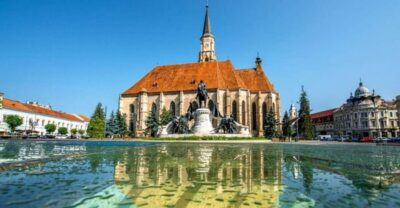
Old Streets, Visual Clues, and What You’ll Actually Learn
The tour leans into the idea that “the story is in the street.” That means you should expect the guide to point out details in places you might otherwise rush past. Doorways, materials, and small design choices can signal cultural influence just as clearly as a major landmark.
You’ll also hear narratives about people past and present, and you’ll connect those stories to the architecture. That’s the difference between a photo walk and a meaningful walk. One makes memories. The other gives you a framework to understand what you’re seeing.
From what guides are praised for, the strongest part is usually clarity combined with personality. Guides like Adrian and Catalin come up as standouts for being engaging, clear, and genuinely fond of Cluj. That kind of enthusiasm tends to make the walk feel less like a lecture and more like a conversation with someone who knows the city’s personality.
If you’re traveling for work or you feel jet-lagged, this kind of tour can still work. It helps you get bearings fast and understand the city’s “logic” without needing to read a book first.
The Viewpoint Finish, Including Fireman Tower Energy
The tour culminates with a location that offers a remarkable view of the cityscape. In reviews, the Fireman Tower gets singled out for a bird’s-eye view that really changes how you see Cluj.
This ending is smart because it closes the loop. After walking through architecture, you finally get the big picture. You can place the squares, the streets, and the landmark clusters into a mental map.
When you reach the viewpoint, take 60 seconds before you start pointing your camera. Look for patterns: where the old core sits, how the streets spread out, and where major landmarks relate to the broader city. Then, take photos if you want. If you don’t, that’s fine too. The point is understanding the layout.
Also note: photography fees are not included, so if you plan to take photos in areas where a fee might apply, you’ll want to be ready for that.
Price and Value: What $62 Buys You in 2 Hours
At $62 per person for a 2-hour walking tour, the main value is the human part. You’re paying for an English-speaking guide, a planned route, and the ability to get context at walking speed. For a short format, that’s a fair trade if you want more than surface sightseeing.
Because the group is limited to 10 participants, the guide can likely keep explanations focused and handle questions without turning the walk into a noisy line. That matters when the goal is learning architectural details, not just walking between photo stops.
The tour includes the guide, but not meals or photography fees. So if you’re hungry afterward, budget for a drink or snack on your own. Think of this as a “culture and orientation” experience you do before dinner, not a full-day outing.
In plain terms: if you like walking, you want a guided narrative, and you prefer small groups, this price makes sense. If you only want a couple of photos and don’t care about explanations, you might feel the cost more than the learning.
Who This Tour Is Best For
This is best for people who enjoy architecture, like hearing how cities developed over time, and appreciate a structured route. It’s also a good option for first-time visitors who want to understand Cluj-Napoca quickly, then explore on their own afterward.
If you travel with an older kid or a parent who can handle a steady walk, it could work well because it’s a short duration and the group is small. If your mobility is limited, the tour is not suitable for wheelchair users, so plan something else.
You’ll also want to pack accordingly: comfortable shoes are non-negotiable for a walking tour that moves through the old center’s streets.
One more note: pets are not allowed. If you’re traveling with a companion animal, you’ll need to arrange separate care.
Should You Book It?
Yes, I’d book this tour if you want a clear introduction to Cluj-Napoca with expert guidance and a small group size. The standout reasons are the guide quality, the focus on major buildings like St. Michael’s and Banffy Palace, and the way the walk builds an understanding of architectural layers instead of just delivering snapshots.
Skip it only if you strongly dislike walking or need accessibility support. Also skip it if you’re the type who prefers self-guided strolling with zero structure. This tour gives you a route and a narrative, and that is the point.
If your time is limited, this is one of the best ways to make it count.
FAQ
How long is the Cluj-Napoca Walking City Tour?
The tour lasts 2 hours.
Where do I meet the guide?
Meet your tour guide in front of the Obelisk.
Is the tour guide available in English?
Yes. The tour includes a live English-speaking guide.
How much does the tour cost?
The price is $62 per person.
What is included in the price?
The tour includes a professional English-speaking guide.
Are meals included?
No, meals are not included.
Is this tour wheelchair accessible?
No, it is not suitable for wheelchair users.
Whatever Else Cluj Napoca Is Selling
- Curly Tour – Day trip from Cluj 🙂
★ 5.0 · 330 reviews - Cluj: Turda Salt Mine, Corvin Castle, Alba Carolina Tour
★ 4.8 · 184 reviews - Cluj-Napoca: 2.5-Hour Guided Walking Tour
★ 4.8 · 104 reviews - Turda salt mine 4h tour from Cluj
★ 5.0 · 73 reviews - Turda Salt Mine 4h guided tour from Cluj
★ 4.9 · 45 reviews
Everything Else We Reviewed In Cluj Napoca
- Curly Tour – Day trip from Cluj 🙂
★ 5.0 · 330 reviews - Cluj: Turda Salt Mine, Corvin Castle, Alba Carolina Tour
★ 4.8 · 184 reviews - Cluj-Napoca: 2.5-Hour Guided Walking Tour
★ 4.8 · 104 reviews - Turda salt mine 4h tour from Cluj
★ 5.0 · 73 reviews - Turda Salt Mine, Corvin Castle and Alba Fortress from Cluj
★ 5.0 · 65 reviews
What Cluj Does Next
- Curly Tour – Day trip from Cluj 🙂
★ 5.0 · 330 reviews - Cluj: Turda Salt Mine, Corvin Castle, Alba Carolina Tour
★ 4.8 · 184 reviews - Cluj-Napoca: 2.5-Hour Guided Walking Tour
★ 4.8 · 104 reviews - Turda salt mine 4h tour from Cluj
★ 5.0 · 73 reviews - Turda Salt Mine, Corvin Castle and Alba Fortress from Cluj
★ 5.0 · 65 reviews
Recently added around Cluj Napoca
- Transylvania’s Trail: Sibiu, Bran Castle, Brasov, Sighisoara★ 4.6 · 3 reviews
- CJ05 – Mysteries of Transylvania: Bran Castle & Sighisoara★ 4.8 · 3 reviews
- Two days tour to Bucovina & UNESCO Painted Monasteries★ 5.0 · 3 reviews
- Cluj – walking city tour★ 5.0 · 3 reviews
- Sighisoara & wine tasting (from Cluj)★ 5.0 · 4 reviews
Cluj-Napoca Tours, compared.
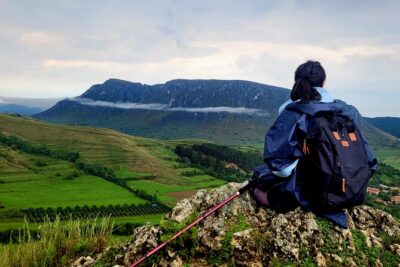 ★ 5.0Curly Tour – Day trip from Cluj 🙂From $107330 reviews
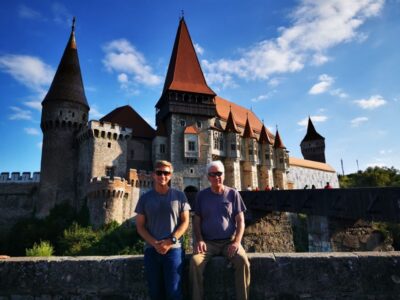 ★ 4.8Cluj: Turda Salt Mine, Corvin Castle, Alba Carolina TourFrom $140184 reviews
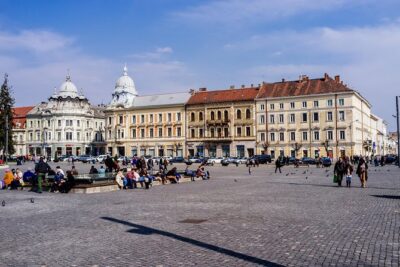 ★ 4.8Cluj-Napoca: 2.5-Hour Guided Walking TourFrom $34104 reviews
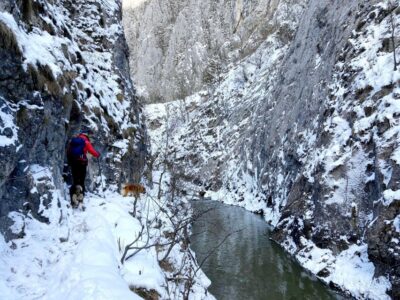 ★ 5.0From Cluj: Turda Salt Mine, Gorge, and Remetea Full-Day TripFrom $13184 reviews
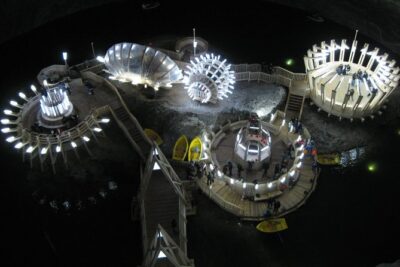 ★ 5.0Turda salt mine 4h tour from ClujFrom $6073 reviews
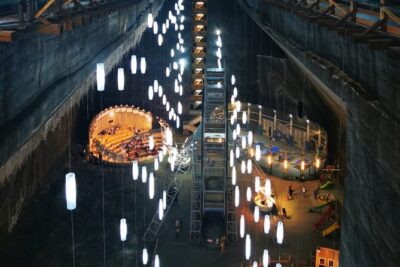 ★ 5.0Turda Salt Mine, Corvin Castle and Alba Fortress from ClujFrom $14365 reviews
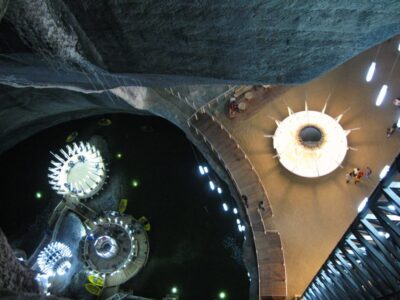 ★ 4.9Turda Salt Mine 4h guided tour from ClujFrom $7645 reviews
 ★ 4.9Cluj: Turda Salt Mines, Rimetea, and Coltesti Fortress TourFrom $10142 reviews
Browse the lists this tour appears in