
REVIEW · RURAL ROMANIA
Traditions in Bucharest: Village Museum and Wine Tasting
One day, two sides of Romania. This half-day hits the National Village Museum and then ends with a small wine tasting that makes the country’s grapes make sense fast. I especially love how the museum feels like a real time capsule, and I like that the craft stop turns regional art into something you can actually take home. One thing to consider: it is not the best fit for wheelchair users, and you will be walking on museum paths.
You get pickup from your hotel, a private guide in English or Romanian, and a smooth flow that ends in the city center near the Old Town. The day runs about 4.5 hours, so it is a good option when you want culture without eating up your whole schedule.
In This Review
- Key reasons this tour works well
- A Bucharest half-day that mixes village life and wine
- National Village Museum, Romania in 300 buildings
- What you will actually see
- The realistic part
- A quick photo stop near the Romanian Athenaeum
- Art and Craft Victoriei, handmade souvenirs with real regional roots
- How to use this stop
- Romanian wine tasting, 3 glasses and a terroir lesson
- What wines you may taste
- Why the guided format matters
- Transport, timing, and how the day flows
- Who will appreciate the pacing
- Price and value, what $153 really covers
- The guide experience, especially during hot days
- Who should book this tour
- Should you book this Village Museum and wine tasting tour?
- FAQ
- How long is the Bucharest Village Museum and Wine Tasting tour?
- How many stops are included?
- Is pickup from my hotel included?
- What languages are the guided tour offered in?
- What is included in the wine tasting?
- What is included for the museum visit?
- Where does the tour end?
- Is the tour private?
- Is the tour suitable for wheelchair users and young children?
- What is the total price per person, and are extra meals included?
Key reasons this tour works well
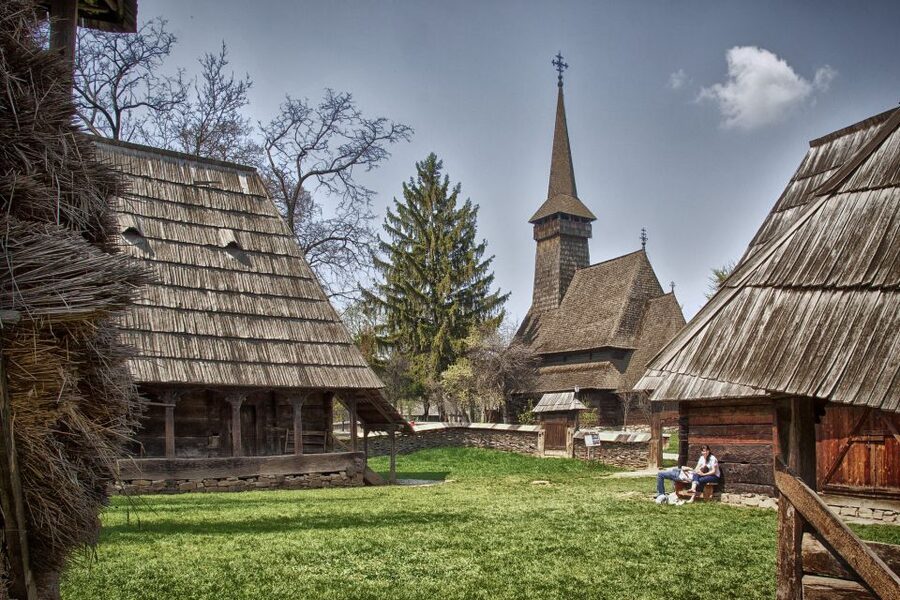
- National Village Museum, more than a photo stop: hundreds of preserved homes and buildings from different regions of Romania.
- Regional crafts you can see up close: ie blouses, painted Easter eggs, Horezu pottery, and more.
- Wine tasting built around local varieties: you sample 3 Romanian wines with the guide explaining terroir.
- A snack pairing that feels local: cheese and charcuterie come with the pours.
- Private, flexible pacing: pickup from your accommodation and a guide who can adjust the day to the group.
- Ends near Old Town: you can keep exploring on foot after the last stop.
A Bucharest half-day that mixes village life and wine
Bucharest can feel fast, modern, and busy. This tour gives you a different rhythm. In just 4.5 hours, you jump from the Romanian countryside into a guided look at how people dressed, lived, crafted objects, and then how they drank wine.
I like that the experience is not just sightseeing. It is built around themes: architecture tells history, crafts tell identity, and wine tells land. The structure helps you remember what you see, instead of leaving with a fuzzy list of buildings and labels.
The price is $153 per person. That sounds like a lot until you add up what you are actually getting: hotel pickup, private transport, museum entrance fees, a guided museum tour, and a guided wine tasting with 3 glasses plus cheese and charcuterie. It is a practical value play if you want guided time rather than wandering alone.
National Village Museum, Romania in 300 buildings
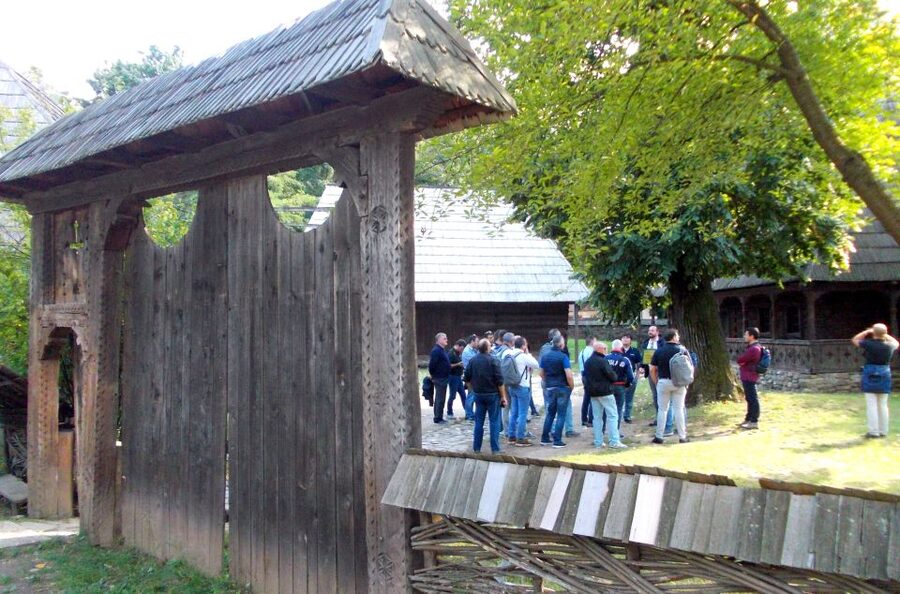
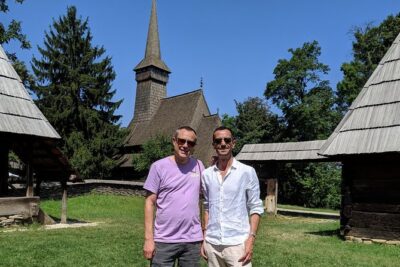
The heart of the day is the National Village Museum at King Michael Park. It was built in 1936, and it functions like an open-air reconstruction of Romanian village life from the 18th and 19th centuries.
You are not just looking at one model settlement. The museum brings together over 300 preserved buildings, reassembled on site from different parts of the country. That matters, because Romania is not one uniform look. Regions feel different in their rooflines, woodwork, and even how buildings are shaped for weather and community life.
Village days, other versions
What you will actually see
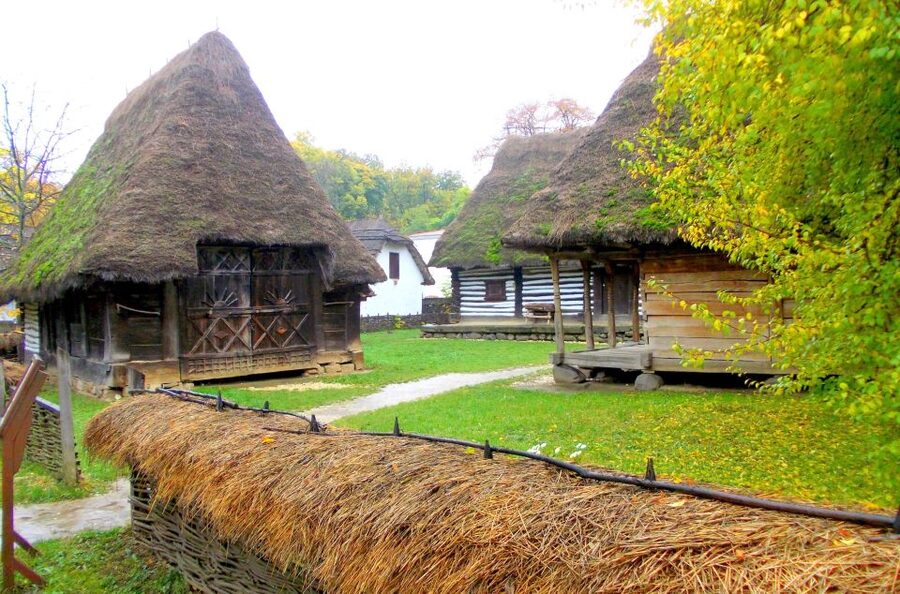
Expect to walk among steep-roofed peasant homes, thatched barns, wooden churches, and a mix of village architecture that points to where a place belongs. Your guide helps you connect the dots between what you see and why it developed that way.
The museum’s layout lets you compare regions side by side:
- Transylvania: wooden churches and mountain-style cabins.
- Wallachia and Moldavia: larger inns and mansions, with a different sense of scale.
- Danube Delta: windmills and thatched roof houses.
- Near the Black Sea coast: additional coastal and regional building styles.
I like that this is not presented like trivia. It turns architecture into a way to read Romania’s history without needing a textbook.
The realistic part
Open-air museums are always partly weather dependent. You will walk, and you will spend at least about 1.5 hours in the museum area. If the day is scorching, it can feel long. One useful note from guide experience is that the guide can be flexible when conditions get hot, so you are not stuck rigidly to a rushed pace.
A quick photo stop near the Romanian Athenaeum
After the museum, you get a brief stop at the Romanian Athenaeum area for photos and then you move on. This is not the main event, but it gives you a sense of the contrast.
You start in a reconstructed village from centuries ago, and then you glance at one of Bucharest’s iconic landmarks. That contrast is a nice mental reset before you shift into crafts and wine.
Art and Craft Victoriei, handmade souvenirs with real regional roots
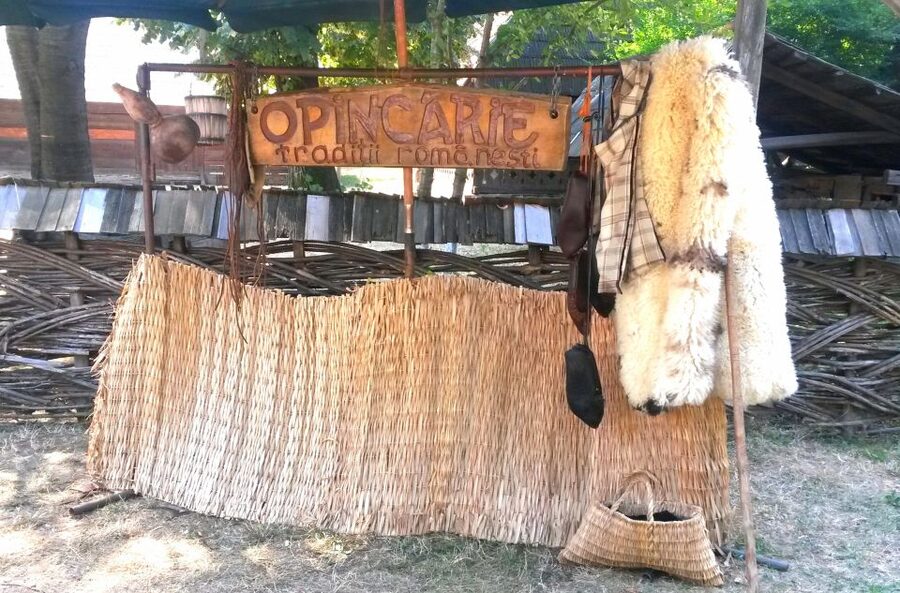
The middle stop is where the tour turns tactile. You visit a local art and craft shop that focuses on handmade items, and you spend about 30 minutes shopping and browsing.
This is not the usual souvenir stall where everything looks the same. The shop is a catalog of regional identity. You might see:
- traditional blouses called ie
- glass painted icons
- Moldavian Easter painted eggs
- Horezu pottery from Wallachia
- wooden masks and trinkets from Transylvania
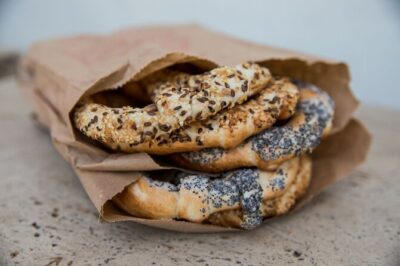
- Dracula-themed souvenirs, plus books and traditional sweets like knot cookies and chocolate nuts
Even if you only buy one small item, I think this stop helps you understand what craft traditions are trying to preserve. These objects are practical, ceremonial, or artistic, and they usually come from specific regions, not generic folklore.
Eat your way further into Bucharest

How to use this stop
Go in with two goals. First, look for pieces connected to the regions you saw at the village museum. If you remember Transylvania’s wooden churches, you will find that thread easier to spot in the wooden masks and trinkets. Second, buy something small enough that you will still enjoy it later, not just because it looks cool now.
If you like Easter egg traditions, the Moldavia painted eggs are a memorable choice. If you like useful ceramics, Horezu pottery is the kind of item you can display without it feeling like clutter.
Romanian wine tasting, 3 glasses and a terroir lesson
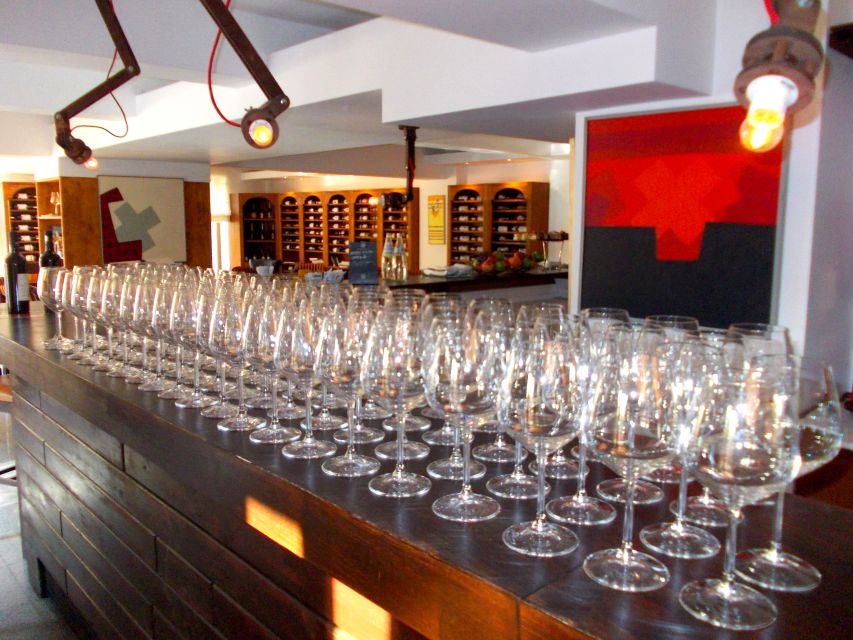
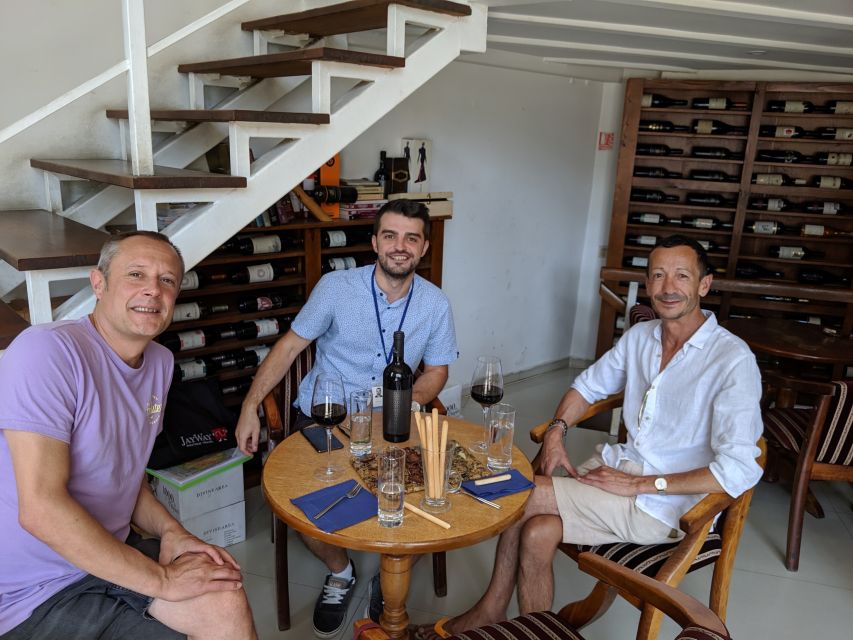
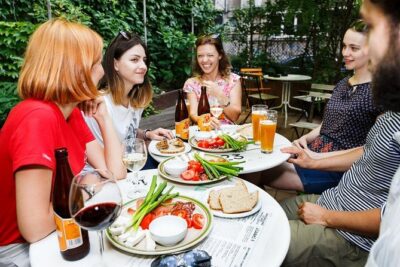
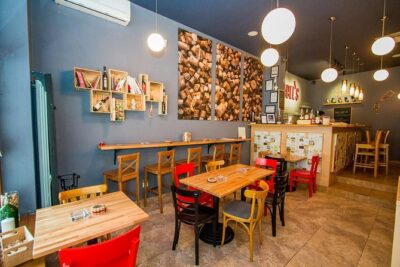
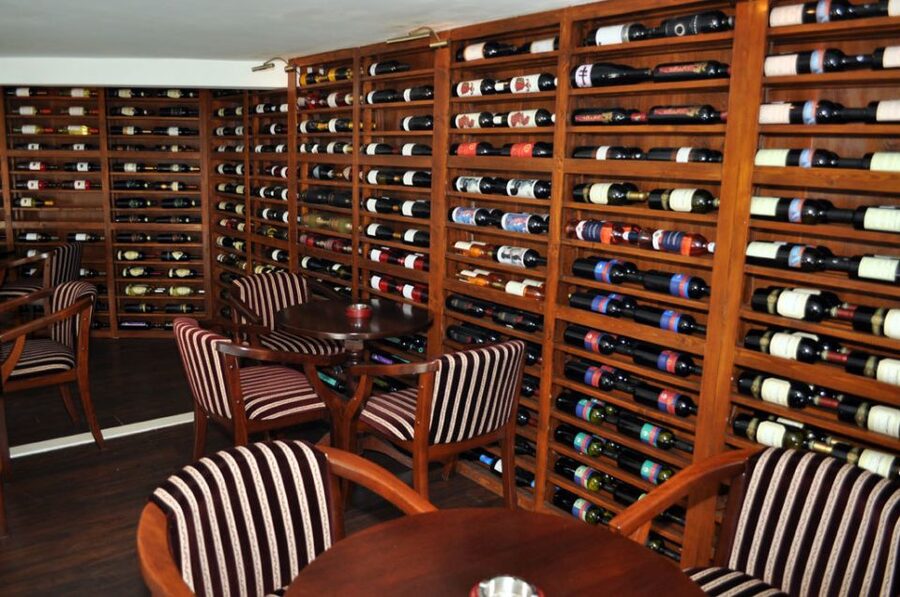
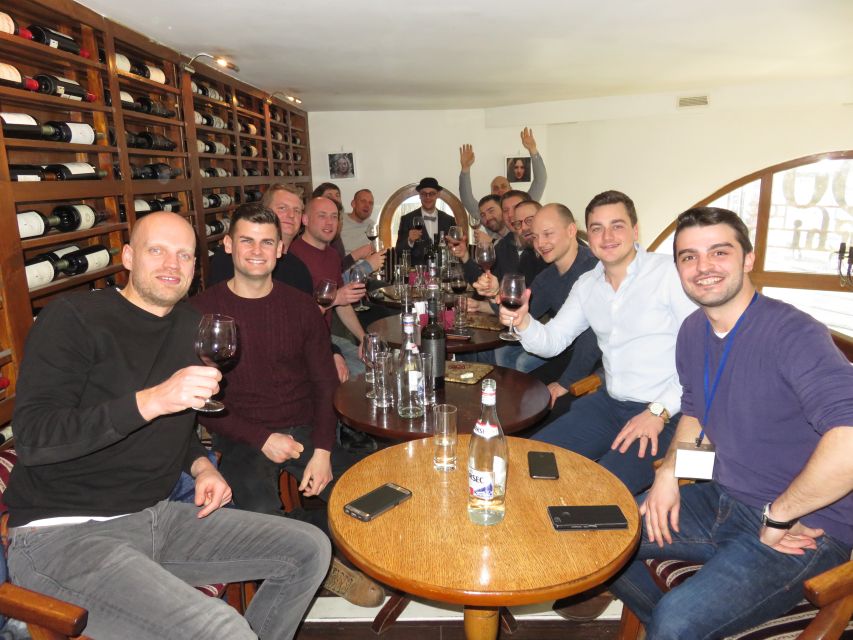
Then comes the best kind of cultural shift: food and drink. Your final stop is a local wine bar where you enjoy a tasting of 3 Romanian wines.
Along with the pours, you get a small plate of cheese and charcuterie plus water. That pairing is important. It keeps the tasting from feeling like you are just drinking three sips quickly and moving on.
What wines you may taste
The guide helps you connect flavors to geography. You may sample varieties such as:
- Feteasca Neagra
- Tamaioasa Romaneasca
- Negru de Dragasani
The guide also talks about famous wine regions, including Dealu Mare, and explains how the industry has revived in recent decades. The big picture is that Romania has centuries of viticulture, and it is a major producer on the world stage.
Why the guided format matters
This is where I think the tour earns its cost. Wine tastings can be fun, but they can also be vague. With a guide, you get a clearer story about what you are tasting and why. You also get help naming what you notice, so you do not leave with only the feeling that it was good.
If you are a wine person, this stop will scratch the itch. If you are not, it still helps you understand Romanian varieties enough to recognize them if you see them later.
Transport, timing, and how the day flows
The tour runs about 4.5 hours, and it is structured to reduce stress.
You get pickup from your accommodation. The guide waits in the hotel lobby next to reception. If your building does not have a lobby, the guide waits downstairs at the entrance. That detail sounds small, but it can save you from roaming around looking for your driver.
The visit moves in a logical order:
- National Village Museum with a guided walkthrough and time to explore on foot.
- A quick pass by the Romanian Athenaeum for photos.
- A craft shop visit with time to browse and shop.
- A wine bar tasting with snacks, then you finish near the city center.
At the end, you can ask for directions back to your accommodation or head toward the Old Town area, which is within walking distance of where you finish.
Who will appreciate the pacing
This format suits people who want guided context but still like to keep moving. It is not an all-day museum marathon. It is more of a sampler that builds your understanding quickly.
Price and value, what $153 really covers
Let’s talk value in practical terms.
For $153 per person, you get:
- hotel pickup
- private transport
- a licensed guide
- museum entrance fees
- guided time inside the National Village Museum
- wine tasting with 3 glasses
- a snack plate of cheese and charcuterie
- water included
If you planned this on your own, you would still pay for transport, museum tickets, and tasting costs. What you are buying here is the guide’s job of connecting the village architecture to the crafts and then to the wine culture, so the day feels like one story rather than three separate activities.
Also, the tour is private. Private tours cost more in general, but here it can be a good fit if you are a couple, a small group, or anyone who wants your guide to adjust pacing when the weather turns difficult.
The guide experience, especially during hot days
Guides are a big part of whether a short tour feels worth it. The experience is consistently described as strong when it comes to guide enthusiasm and communication.
One guide name you may see mentioned is Mihai, and there are clear signals from real experiences that he is punctual at pickup and willing to adapt when conditions are intense, including very hot days. That kind of flexibility is not just comfort. It helps you actually enjoy each stop instead of racing through it because you feel worn out.
That also matters for drop-off. The guide is described as communicating clearly about where you end up, including options to be dropped elsewhere at the end if you prefer.
Who should book this tour
This is a good match if you:
- want an easy half-day with real culture, not just a drive-by
- like open-air museums and can handle walking paths
- enjoy regional crafts and want items tied to place and tradition
- like wine tastings, especially with guide explanations
- want to end near Old Town so you can keep going on your own
It may not be the best choice if you:
- need wheelchair accessibility, since it is not suitable for wheelchair users
- are traveling with very young children, since it is not suitable for children under 3 years
If you are traveling solo, it can still work well because it is private and your guide can focus on your questions. If you are visiting during peak heat, dress for summer walking and be ready for outdoor time.
Should you book this Village Museum and wine tasting tour?
I’d book it if you want one structured afternoon that teaches you how Romania’s past and present connect. The National Village Museum is the anchor, and the craft shop plus wine tasting turn that architecture and folklore into something you can taste and hold.
Skip it if you are already tired of museums and tastings and prefer long, unstructured wandering. This tour is purposeful, and you will get the most value if you lean into the guide’s explanations.
If you do book, I suggest you come ready to ask questions. The best part of a short guided tour is the chance to clarify what you are seeing in the moment. You will leave with clearer memories, not just photos.
FAQ
How long is the Bucharest Village Museum and Wine Tasting tour?
The tour lasts about 4.5 hours.
How many stops are included?
It includes 3 main stops: the Dimitrie Gusti National Village Museum, a Romanian art and craft shop, and a local wine bar. There is also a brief pass by/photo stop at the Romanian Athenaeum area.
Is pickup from my hotel included?
Yes. Pickup is included from your accommodation, with the guide waiting in the hotel lobby next to reception. If there is no lobby, the guide waits downstairs at the entrance.
What languages are the guided tour offered in?
The live tour guide speaks English and Romanian.
What is included in the wine tasting?
You receive 3 glasses of Romanian wine, 1 water, and a small plate with cheese and charcuterie.
What is included for the museum visit?
You get museum entrance fees and a guided tour at the National Village Museum, plus time to walk around the open-air museum.
Where does the tour end?
The tour ends in the city center within walking distance of the Old Town area.
Is the tour private?
Yes, it is a private group tour.
Is the tour suitable for wheelchair users and young children?
No. It is not suitable for wheelchair users, and it is not suitable for children under 3 years.
What is the total price per person, and are extra meals included?
The price is $153 per person. Extra food and drinks beyond what is included are not included.
Eating Further Into Bucharest
- Taste Bucharest: A Food Lover’s Tour of Markets & Neighbourhoods
★ 5.0 · 689 reviews - Street Food’n’Culture Tour
★ 5.0 · 209 reviews - Wine Tasting in Bucharest
★ 5.0 · 183 reviews - Discover Bucharest: Private Highlights and Traditional Food Tour
★ 5.0 · 86 reviews - Bucharest Beer and Culture Tour with a Local
★ 5.0 · 47 reviews
Everything Else We Reviewed In Bucharest
- Bucharest: Dracula’s Castle, Peles Castle, & Brasov Old Town
★ 4.5 · 17,858 reviews - Bucharest: Dracula Castle, Peles Castle & Brasov Old Town
★ 4.6 · 10,891 reviews - Bucharest: Dracula’s Castle, Peleș Castle & Brașov Day Trip
★ 4.5 · 5,919 reviews - Bucharest: Palace of Parliament Tickets and Guide
★ 4.3 · 3,182 reviews - Bucharest: Day Trip to Dracula Castle, Peles Castle & Brașov
★ 4.4 · 3,049 reviews
Village Romania, Other Days
- Slavery in Romania,Myths and Truths on Gypsies, Walking Tour
★ 4.9 · 42 reviews - Original Carpathian Village Experience and Sinaia in one day tour
★ 5.0 · 40 reviews - Palace of the Parliament, Village Museum & Ceaușescu Mansion
★ 4.9 · 31 reviews - Traditions in Bucharest: Village Museum and Wine Tasting Tour
★ 5.0 · 27 reviews - Private Bucharest city tour visit the Palace of the Parliament & Village Museum
★ 4.5 · 21 reviews
Recently added around Bucharest
- Private Tasting Expedition Along Romania’s Most Famous Wine Route★ 5.0 · 3 reviews
- Private Guided Tour of Peles Castle and Bran Castle from Bucharest★ 5.0 · 3 reviews
- Private Sightseeing Tour of Bucharest★ 4.5 · 3 reviews
- Discover Europe’s Deepest Mines & Peles Castle’s Royal Charm★ 5.0 · 3 reviews
- Bucharest City Tour and Wine Tasting★ 5.0 · 3 reviews
Village Life and Rural Traditions, compared.
 ★ 5.0Small-Group Day Trip in Romanian Authentic Mountain Villages from BrasovFrom $11978 reviews
 ★ 4.8From Brasov: Romanian Mountain Villages Day TourFrom $11656 reviews
 ★ 4.9Slavery in Romania,Myths and Truths on Gypsies, Walking TourFrom $2942 reviews
 ★ 5.0Original Carpathian Village Experience and Sinaia in one day tourFrom $17840 reviews
 ★ 5.0Exclusive Tour: Corvin Castle, Alba Iulia and traditional villages from SibiuFrom $15633 reviews
 ★ 4.9Palace of the Parliament, Village Museum & Ceaușescu MansionFrom $4531 reviews
 ★ 4.9Transylvania Gems: Sighisoara, Medias, Biertan & Gypsy lifeFrom $20229 reviews
 ★ 5.0Traditions in Bucharest: Village Museum and Wine Tasting TourFrom $14827 reviews
Browse the lists this tour appears in