
REVIEW · FOOD & DRINK
Taste Bucharest: A Food Lover’s Tour of Markets & Neighbourhoods
History and food in one walk? Yes, please. This tour strings together Bucharest street corners, churches, and market life into a hands-on tasting day, with stops that connect the city’s past to what locals actually eat now. I like the way it mixes neighborhood wandering with real Romanian flavors, and I also love the small group size that keeps things personal even when you are moving fast.
Two big wins for me are how much you sample and how far you go beyond the obvious tourist lanes. You get full coverage of classic peasant-style dishes, cheeses, and cured meats, plus drinks like craft beer and tuica, and you ride a tram so you feel the shift from older city layers to Communist-era streets and onward to Obor Market.
One drawback to consider: the food style is mostly tasting plates and bites, with a lot of dips, cheeses, and cold cuts rather than big, hot comfort-food meals like cabbage rolls or soup. If you expect a heavier parade of steaming dishes, you might want to set your expectations upfront.
In This Review
- Key reasons this food tour works
- Why Romanian peasant food tastes like a story
- The pacing: 5 hours, about 6 kilometers, and a tram break
- National Theatre Ion Luca Caragiale: where the Revolution meets the street
- Strada Bătiștei and Bătiștei Church: Neo-Romanian facades and Orthodox heritage
- The Armenian Church and the Armenian Quarter: older Bucharest corners
- Calea Moșilor and the tram ride: moving into Communist-era Bucharest
- Obor Market: the heart of the tasting day
- What you eat and drink, step by step
- The peasant platter and Romanian cheese spread
- Seasonal produce tasting
- Mici and a Wallachian doughnut
- Drinks included
- The guides: the difference between a tour and a good day
- Price and value: about $102.79 for a food-heavy half-day
- Who should book this tour
- Should you book Taste Bucharest?
- FAQ
- FAQ
- How long is the tour?
- How much walking is involved?
- Is the tour in English?
- How many people are in the group?
- What food and drinks are included?
- What if I have dietary restrictions or allergies?
- Where does the tour start and end?
- Is admission included for the stops?
- Are tips included in the price?
- Can I cancel and get a full refund?
- What does the price include?
Key reasons this food tour works
- All food and drink samples are included, so you can focus on tasting instead of counting costs mid-day
- Max 12 people means your guide can answer questions and keep the group moving at a humane pace
- Obor Market is the centerpiece, with enough time to shop and snack, not just stand and look
- A tram ride is built in, so the route gives you more than central-street sightseeing
- Guides like Angelica, Bogdan, Julian, Mihaela, and Andrea show up repeatedly in top-rated experiences for mixing jokes, history, and food
Why Romanian peasant food tastes like a story
Romanian food has a practical side. It comes from doing more with less, preserving what the seasons give you, and turning ingredients into shareable plates. On this tour, that shows up in the classic mix: artisan cheeses, cured meats, sausage-style bites, dips, and fresh produce. You are not just tasting random items. You are tasting a system.
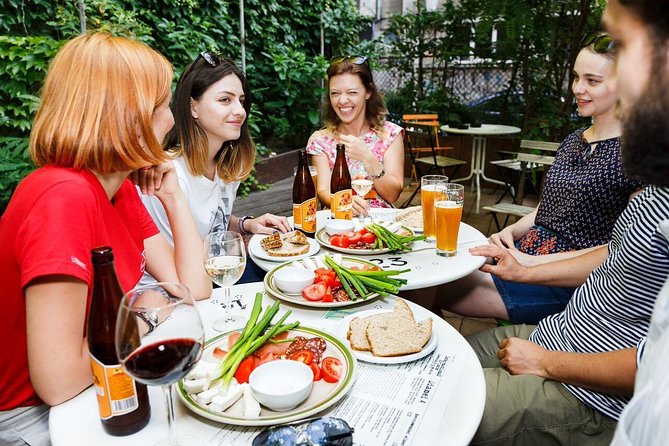
What I like is how the peasant-platter idea shows up clearly. Expect things like aubergine dip, zacusca, whipped beans, fish roe, plus cheeses such as telemea and burduf. Then you add smoked bacon, cracklings, red onions, tomatoes, and toast. It is salty, creamy, tangy, and very Romania.
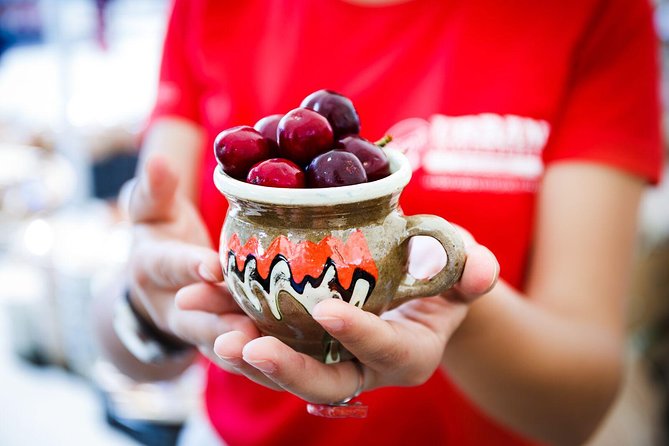
You also get a seasonal produce tasting, which helps the food feel local and time-specific. Depending on what is fresh, that can mean wild strawberries, wild garlic, spicy pickles, watermelon, or grapes. For dessert, you end with a Wallachian doughnut, which is a sweet reminder that markets are for eating, not just shopping.
The pacing: 5 hours, about 6 kilometers, and a tram break
This is an active half-day. You will walk roughly 6 kilometers on foot, and you will also take a short tram ride. That matters because Bucharest’s neighborhoods are different from street to street, and the tram helps you cover distance without turning it into a slog.
The walking is not meant to be constant. The plan is built around set stops, short bursts of strolling, and time at the big market. Comfort matters here, so bring shoes you can stand in for a while.
Also, the tour is designed for one language, English, and it is structured so most people can participate. The pace is fast enough to feel like a full day, slow enough that you can actually taste and ask questions instead of rushing past everything.
Eat your way further into Bucharest
National Theatre Ion Luca Caragiale: where the Revolution meets the street
You start near the National Theatre Ion Luca Caragiale. The first stop is short, but it sets the tone. You look at the theatre’s connection to Romania’s Revolution and the street battles that shaped Bucharest. Even if history is not your usual hobby, this opening gives you context for why certain neighborhoods and buildings feel politically charged.
This is a good way to begin a food day. You are about to eat in markets and older streets, so it helps to understand that Bucharest’s identity was forged by events, not just architecture.
The admission at this first stop is free based on the tour’s listed details. It is not a museum-heavy start. It is more like getting your bearings fast, then walking into the city like a local would.
Strada Bătiștei and Bătiștei Church: Neo-Romanian facades and Orthodox heritage
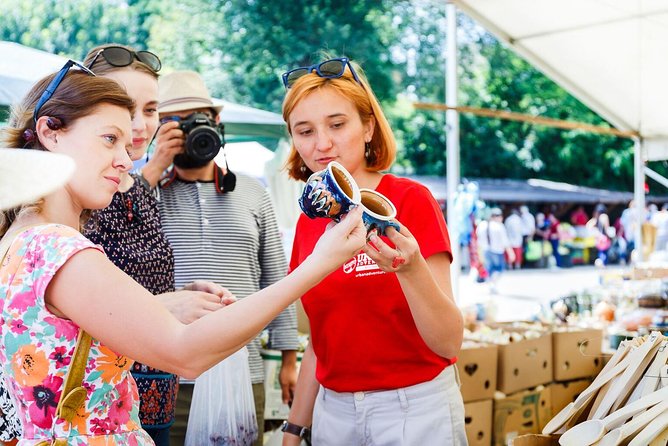
After the theatre, you head toward Strada Bătiștei. This street is tied to the story of an older American embassy, and you will learn about the 19th-century Neo-Romanian architecture that gives the area its particular look. It is the kind of detail you would miss wandering on your own.
Next is Bătiștei Church, another short stop with a focused mission: understand its history and architectural significance as part of Romanian Orthodox heritage. Even if you are not a church person, this works because it connects architecture to cultural identity, not just aesthetics.
These two stops are a “speed course” in how Bucharest’s layered eras show up in everyday streets. Then you keep moving, which is key. You do not get stuck at one location long enough to lose the food momentum.
The Armenian Church and the Armenian Quarter: older Bucharest corners
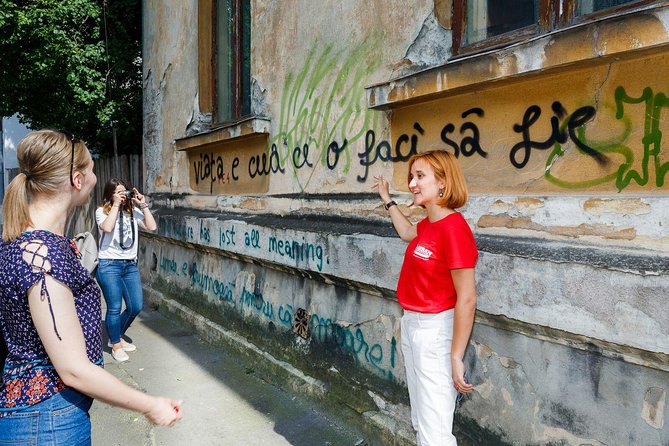
From there, you shift into the Armenian Quarter, with a longer stop that lets you slow down. You visit the Armenian Church and learn about the area’s diverse architecture, plus its connection to Bucharest’s older residential history, including the mention of Bucharest’s oldest documented house in this neighborhood.
This is one of the most interesting contrasts on the route. You are going from grand civic landmarks and Orthodox heritage into a different cultural layer that also belongs to Bucharest’s everyday fabric.
The time here is about an hour, which is generous compared to earlier quick stops. Use it to look up at details, not just down at your next bite. The architecture is part of the “why” behind the neighborhood experience.
Calea Moșilor and the tram ride: moving into Communist-era Bucharest
Now comes the shift in feel. You travel along Calea Moșilor, moving into Communist-era Bucharest. The tram ride is more than transport. It is the bridge between the city-center storytelling and the market-life experience waiting at Obor.
This segment helps you understand how Bucharest works spatially. Big ideas about history become visible when you can literally ride through the city. You start to see why Obor Market feels like a natural next step, because the area around Mosilor is tied to real daily routines.
There is no need to overthink this part. Just sit on the tram, watch the street scenes pass, and keep your appetite switched on. By the time you reach the market, you will be ready for full-on tasting.
More Bucharest plates we cleared
Obor Market: the heart of the tasting day
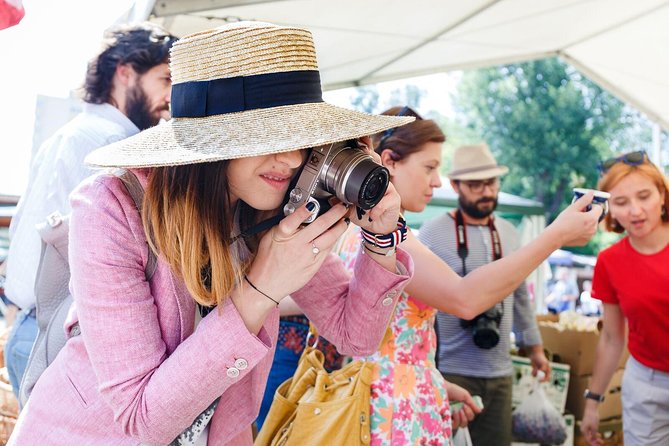
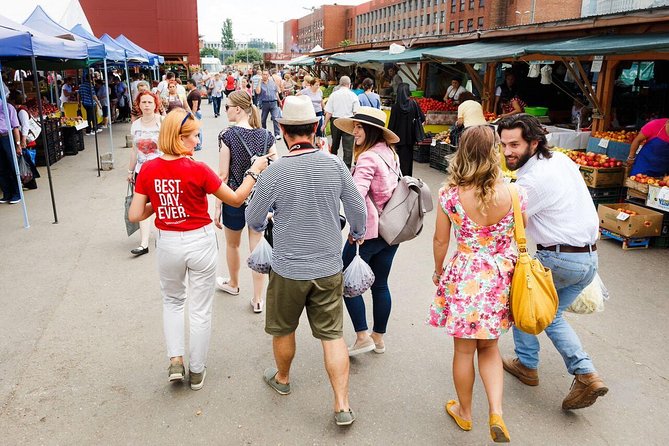
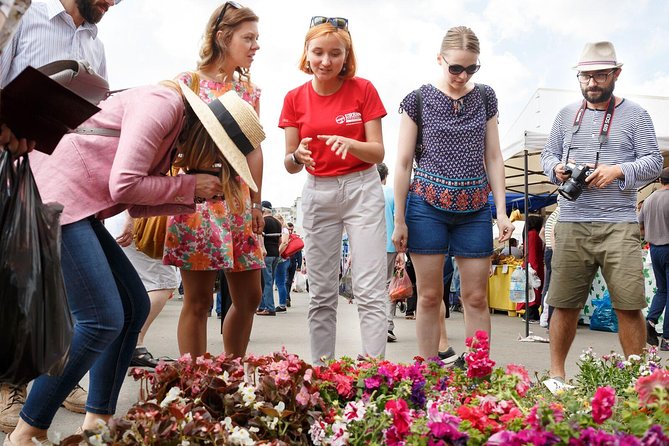
Obor Market is where this tour earns its reputation. You spend about 1 hour 40 minutes here, long enough to do more than snack. You can shop for traditional items and then sit down for local delicacies.
This market stop is not staged. It feels like the real deal, with colors, smells, and street food energy. It is one of the few ways to experience Bucharest food culture without treating it like a food theme park.
The best part for me is the pacing inside the market time. You do not get dumped into one place and told to fend for yourself. You have guidance, tasting points, and a clear structure for what to try.
If you want to buy extra things, plan for it. The tour covers samples and included drinks, but additional food and drinks are not included, so extra purchases at the market are on you.
What you eat and drink, step by step
This tour is built around a set menu of tasting categories, with the exact items able to change based on season and availability. That means you should expect consistency in the style of food, even if one ingredient swap happens.
The peasant platter and Romanian cheese spread
You can expect a generous peasant platter that typically includes aubergine dip, zacusca, whipped beans, fish roe, telemea and burduf cheeses, sausages, smoked bacon, cracklings, red onions, tomatoes, and toast. There is also a selection of Romanian cheeses, often cow, sheep, and goat varieties.
The combinations are the point. Salty cured items next to creamy spreads. Tang against sweetness. Crunch next to softness. If you like grazing, this is your format.
Seasonal produce tasting
You also get produce tastings that can include wild strawberries, wild garlic, spicy pickles, watermelon, or grapes. This part keeps the tour from becoming all salt and smoke.
Mici and a Wallachian doughnut
Then you hit mici, Romania’s famous grilled skinless sausages, served with mustard. Finally, the sweet finish is a Wallachian doughnut.
One honest note: while you do get grilled sausages and some hot elements, this is still mostly a tasting day of plates, spreads, and bites. One guest expected more classic hot comfort foods like cabbage rolls or soup, so if that is your personal must-have, set expectations accordingly.
Drinks included
You get drink samples too, including a shot of tuica (Romanian brandy). Alcohol options typically include up to 3 beers, and non-alcoholic alternatives usually include soft drinks plus coffee or tea.
It is a strong lineup. If you are not drinking alcohol, you still get the coffee and soft drink options, but do plan ahead for how you want to pace your day.
The guides: the difference between a tour and a good day
This kind of experience lives or dies on the guide. The standout theme in high ratings is how guides bring both the city and the food to life.
Names like Angelica, Bogdan, Julian, Mihaela, and Andrea show up again and again, praised for blending humor, history context, and clear explanations of what you are eating. People specifically call out guide personality, the fun group vibe, and the way questions get handled without making you feel rushed.
This matters because you are eating while you learn. If the guide is good, you connect the taste to the place. You start to understand why a cheese or a cured meat shows up in a market setting. You also get better local recommendations for after the tour.
Price and value: about $102.79 for a food-heavy half-day
At about $102.79 per person for roughly 5 hours, the best value comes from what is included. You are not paying separately for each tasting. The tour says it includes all food and drink samples, including beer, tuica, coffee or tea, and the main tasting plates.
So the trade is: you pay one price up front, and you get a structured route plus market time plus drinks. If you would otherwise spend money on multiple meals, guided transport time, and several small snacks, this starts to make sense fast.
Also, max 12 people is not a fancy add-on. It affects your day. You get more attention, fewer people competing for the guide’s focus, and less risk of the tour turning into a factory line.
Who should book this tour
This is a great pick if you want:
- A food tour that includes market time, not just restaurant stops
- A mix of history and eating, with short stops and clear context
- A group experience with up to 12 people, so you can actually talk and ask questions
- A day plan that includes public transit, including a tram ride
It might be less ideal if you mainly want hot, heavy Romanian comfort dishes in large portions. This tour leans into tastings, spreads, cured foods, cheeses, and small bites, with the big-ticket moments being mici and the doughnut.
If you have allergies or dietary restrictions, notify the operator at least 24 hours in advance. They will do their best, but options may be limited depending on availability.
Should you book Taste Bucharest?
If your idea of a great Bucharest day is eating your way through real neighborhoods, with market life as the centerpiece, this is an easy yes. You get all tastings and drinks, a smart mix of architecture and everyday history, and enough time at Obor Market to shop and snack without feeling trapped in a queue.
If you are the type who only trusts tours that deliver lots of steaming hot dishes, consider your expectations. You will still get variety, but the format is more tasting-led than meal-led.
FAQ
FAQ
How long is the tour?
The tour runs about 5 hours.
How much walking is involved?
It is an active walking tour covering approximately 6 kilometers on foot, plus a short tram ride.
Is the tour in English?
Yes, it is offered in English.
How many people are in the group?
The group maximum is 12 travelers.
What food and drinks are included?
Food and drink samples are included, including items like a peasant platter with dips and cheeses, seasonal produce tastings, mici with mustard, and a Wallachian doughnut. Drinks typically include a shot of tuica, up to 3 beers, and non-alcoholic options like soft drinks and coffee or tea.
What if I have dietary restrictions or allergies?
If you have allergies, sensitivities, or dietary needs such as vegetarian, vegan, or gluten intolerance, notify the team at least 24 hours in advance. They will do their best to accommodate you, but options may be limited depending on availability.
Where does the tour start and end?
It starts at the Ion Luca Caragiale National Theatre on Bulevardul Nicolae Bălcescu 2 in Bucharest, and it ends at Piata Sf. Gheorghe, near Saint George Square or Unirea Square.
Is admission included for the stops?
The listed admission tickets for the stops are marked as free.
Are tips included in the price?
No, tips or gratuities for your guide are not included.
Can I cancel and get a full refund?
Yes. Free cancellation is available, and you can cancel up to 24 hours in advance for a full refund. Cancel less than 24 hours before and the amount you paid will not be refunded.
What does the price include?
The listed features include a mobile ticket, and the experience includes the guided culinary sampling, drink samples, and the neighborhood and market route using walking and public transport. Additional food and drinks are not included.
Eating Further Into Bucharest
- Street Food’n’Culture Tour
★ 5.0 · 209 reviews - Wine Tasting in Bucharest
★ 5.0 · 183 reviews - Discover Bucharest: Private Highlights and Traditional Food Tour
★ 5.0 · 86 reviews - Bucharest Beer and Culture Tour with a Local
★ 5.0 · 47 reviews - Bucharest: Private Wine Tasting Experience
★ 5.0 · 44 reviews
Whatever Else Bucharest Is Selling
- Bucharest to Dracula Castle, Peles Castle and Brasov Guided Tour
★ 4.5 · 2,933 reviews - Bucharest: Palace of Parliament Tickets and Guided Tour
★ 4.4 · 1,877 reviews - Transylvania and Dracula Castle Full Day Tour from Bucharest
★ 4.5 · 1,589 reviews - Bucharest: City Highlights Guided Walking Tour
★ 4.9 · 1,482 reviews - From Bucharest: Brasov Peles & Dracula’s Castle Day Tour
★ 4.5 · 1,244 reviews
Everything Else We Reviewed In Bucharest
- Bucharest: Dracula’s Castle, Peles Castle, & Brasov Old Town
★ 4.5 · 17,858 reviews - Bucharest: Dracula Castle, Peles Castle & Brasov Old Town
★ 4.6 · 10,891 reviews - Bucharest: Dracula’s Castle, Peleș Castle & Brașov Day Trip
★ 4.5 · 5,919 reviews - Bucharest: Palace of Parliament Tickets and Guide
★ 4.3 · 3,182 reviews - Bucharest: Day Trip to Dracula Castle, Peles Castle & Brașov
★ 4.4 · 3,049 reviews
Recently added around Bucharest
- Private Tasting Expedition Along Romania’s Most Famous Wine Route★ 5.0 · 3 reviews
- Private Guided Tour of Peles Castle and Bran Castle from Bucharest★ 5.0 · 3 reviews
- Private Sightseeing Tour of Bucharest★ 4.5 · 3 reviews
- Discover Europe’s Deepest Mines & Peles Castle’s Royal Charm★ 5.0 · 3 reviews
- Bucharest City Tour and Wine Tasting★ 5.0 · 3 reviews
Food & Drink, compared.
 ★ 5.0Street Food’n’Culture TourFrom $153209 reviews
 ★ 5.0Wine Tasting in BucharestFrom $59183 reviews
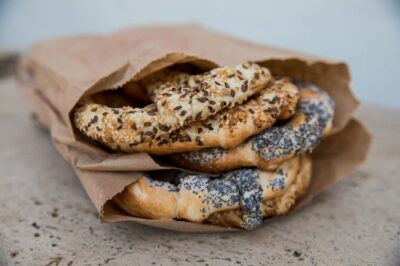 ★ 5.0Discover Bucharest: Private Highlights and Traditional Food TourFrom $14386 reviews
 ★ 5.0Half-Day Private Food and Wine Walking Tour Oradea RomaniaFrom $9655 reviews
 ★ 5.0Bucharest Beer and Culture Tour with a LocalFrom $11847 reviews
 ★ 5.0Bucharest: Private Wine Tasting ExperienceFrom $6444 reviews
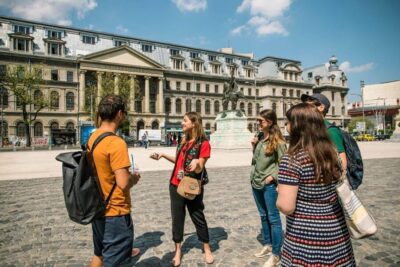 ★ 5.0Private Bucharest: History & Food with Traditional MealFrom $14034 reviews
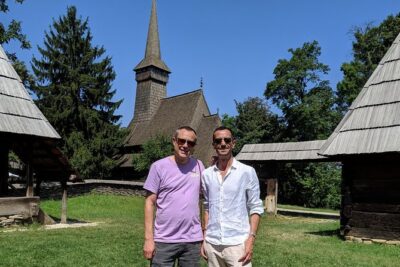 ★ 5.0Traditions in Bucharest: Village Museum and Wine Tasting TourFrom $14827 reviews
Browse the lists this tour appears in