
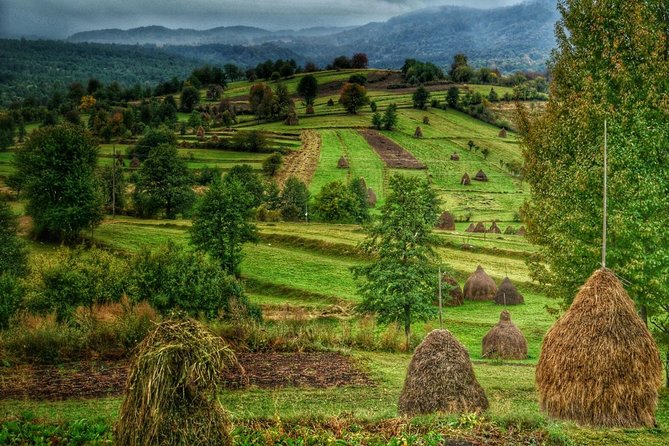
REVIEW · MARAMUREȘ
A Journey Back in Time: Countryside from Transylvania and Maramures – 15 Days
Castles, churches, and village life in one sweep. This private journey through Transylvania and Maramures strings together big-name landmarks and lesser-seen places, with comfortable transport and plenty of time in traditional communities.
I especially like two things. First, the guide, George, brings Romanian history to life and can adjust the pace to what you want. Second, you get breakfast each morning (15 total), which makes the travel rhythm easier.
One thing to consider: this is a full schedule. You will spend real time in the van, and a few sites can be affected by Mondays and public holidays, depending on when you go.
In This Review
- Key reasons this route works so well
- From Bucharest to the first real myths of Romania
- Peles Palace, then straight into mountain village beauty
- Bran Castle, Rasnov Citadel, and a Dracula reality check
- Viscri: Saxon village life and the comfort of staying put
- Sighișoara: medieval streets, UNESCO energy, and a city you can actually walk
- Biertan, Valea Viilor, and Alma Vii: fortified churches without the crowds
- Cluj-Napoca, Surdesti, and the shift into Maramures
- Maramures at human pace: Merry Cemetery, Desesti, and Barsana Monastery
- The Mocănița steam train: one day that feels like a different era
- Wooden church day in Breb: relaxed time built in
- Rimetea and the pull of a different kind of village
- Alba Iulia, Corvin Castle, and Sibiu’s medieval street feel
- Transfăgărășan Highway: views matched to your season
- Curtea de Argeș Monastery to end in Romania’s classic church style
- Price and value: what you are paying for
- Who should book, and who should maybe skip it
- FAQ
- Is this tour really private?
- Does the tour include pickup and drop-off in Bucharest?
- Are meals included?
- Will I still get Transfăgărășan views if I travel outside summer?
- Are photo fees included?
- Can I change or get a refund if my plans change?
Key reasons this route works so well
- Private guide and group setup means the story stays focused on your interests, not a one-size script.
- Traditional village stays put you in the places you came to see, not just passing through.
- Fortified Saxon churches and citadels give you a clear sense of why these communities were built to last.
- Wooden church days in Maramures feel different from stone cities, and the details are worth slowing down for.
- Old steam train in Maramures adds motion and nostalgia to the region’s slower pace.
- Season-based Transfagarasan plan (drive vs cable car) helps you match the views to your travel dates.
From Bucharest to the first real myths of Romania
Most people start Romania with Bucharest, and that is smart. On your first day, you get a guided walking tour to orient you fast, so later you understand the country with better context. It is the kind of start that saves time, and helps you enjoy the long drives that follow.
If you like history you can see with your own eyes, Bucharest is a good warm-up. And if you hate arriving jet-lagged and floundering, a guided start helps you get your bearings quickly.
Peles Palace, then straight into mountain village beauty
From the capital, the route swings to Sinaia for Peles Palace, former royal summer residence. This stop is a big payoff because it is not just a castle exterior. You’re going inside a grand complex that sets a tone for what European royalty in Romania looked like.
Then the trip moves into the mountains, with Fundățica as a base for two nights. This is where the feel changes from museum mode to village mode. You are in a scenic mountain setting, and the schedule gives you a real chunk of time to settle in instead of sprinting for photos.
Practical note: mountain areas can mean colder evenings than the city. If your wardrobe is only city-lightweight, you might want to plan for cooler air and damp wind on outdoor walks.
Deeper into Transylvania
Bran Castle, Rasnov Citadel, and a Dracula reality check
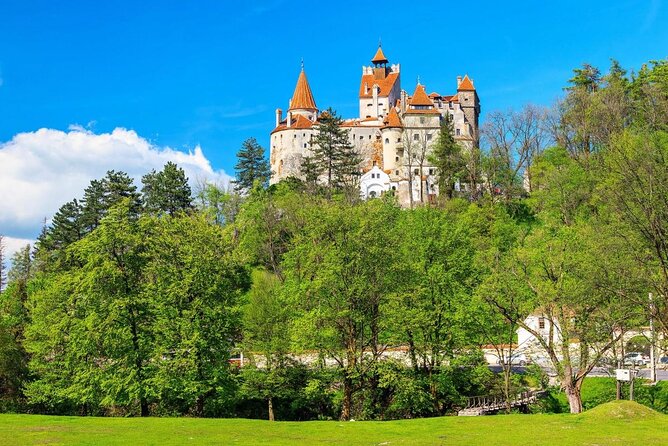
Bran Castle is famous. It is also easy to approach the place with the wrong expectations. The guide’s job here matters, because you get a clear talk about what is real versus what is legend tied to Dracula. That difference is the whole point. You leave with a more grounded understanding of the story around the castle.
Right after that, you head to Rasnov Citadel for panoramic views from an 800-year-old fortress. Fortress walls and defensive planning teach you something that photos do not. You start to understand the practical reason these towns were built on strong ground.
And then the itinerary adds a genuinely unexpected animal experience: Liberty Bear Sanctuary in Zărnești. You spend time in a forest setting where bears live in a sanctuary environment. It is not a theme park stop, and the mood is calmer than you might expect.
If you care about animal welfare, this stop is one of the reasons this tour feels more complete than the standard castle circuit.
Viscri: Saxon village life and the comfort of staying put
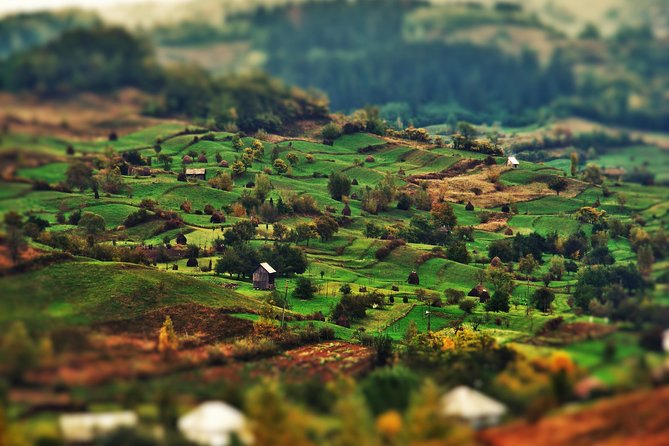
Viscri gets a full night, and that matters. Walking a Saxon village for a quick hour is fun, but staying overnight changes what you notice, especially in a place known for its traditional architecture and rhythm.
You’ll walk the village, see the Fortified Church, and get a taste of traditional food. This is the kind of stop that makes you slow down. The fortified church explains community defense, but the village itself explains daily life.
Also, Viscri is tied to Charles, Prince of Wales as the favorite village mentioned in the tour details. Even if you are not chasing celebrity connections, it is a useful anchor for why this part of Romania has been cared for.
Sighișoara: medieval streets, UNESCO energy, and a city you can actually walk
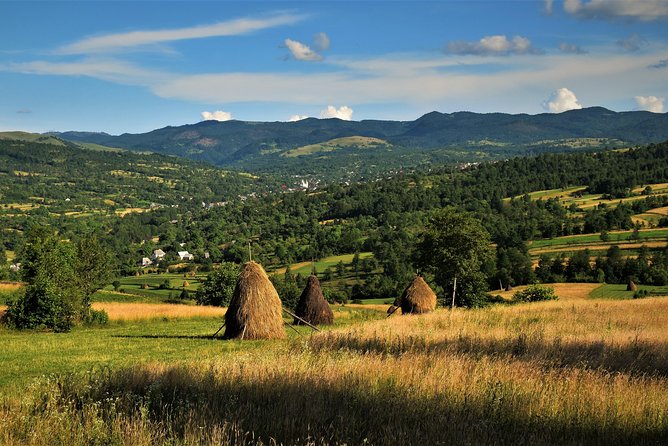
Sighișoara is one of those places where you can feel the centuries in the street layout. You visit a well-preserved citadel area that is listed as UNESCO, and it truly feels like stepping back to medieval times.
You also get a full few hours here, which helps. If you only saw the main sights from the roadside, you might miss why people fall for this town.
From there, the trip continues with a remote Saxon village stay: Mălâncrav for two nights, with traditional accommodation in an old Saxon house. This is one of those details that separates a tour from a sightseeing package. You’re not just looking at the region, you’re living inside it for a while.
You also visit the Fortified Lutheran Church of Mălâncrav, described as 700 years old. When you see the age and the defensive design together, it clicks.
Biertan, Valea Viilor, and Alma Vii: fortified churches without the crowds
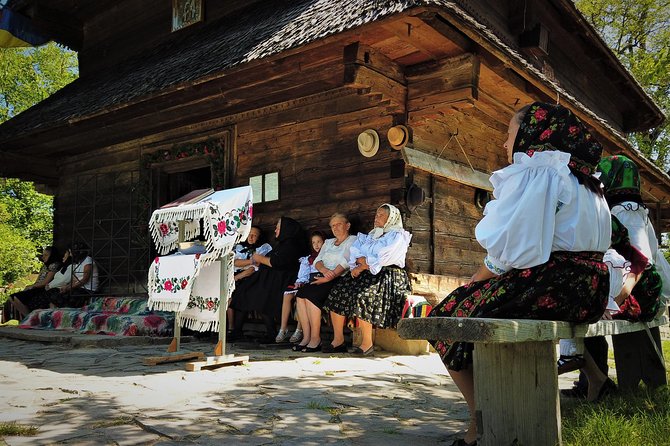
After Mălâncrav, the route keeps the Saxon focus but spreads it out through multiple sites. You visit Biertan Fortified Church and also see Valea Viilor Fortified Church and Alma Vii.
Here’s why this works: these fortified churches are not just pretty buildings. They were community centers for worship and survival. Seeing more than one helps you compare how villages organized themselves. It also keeps the day from becoming repetitive castle-chasing.
Alma Vii is framed as off the beaten track, plus there is a traditional lunch stop mentioned. That gives you the social piece of the tour. It’s not only churches. It is also how people eat and gather.
If you are the type who loves architecture but hates long lines, this pattern of smaller, varied village stops is a nice trade.
Maramures at a slower pace
Cluj-Napoca, Surdesti, and the shift into Maramures
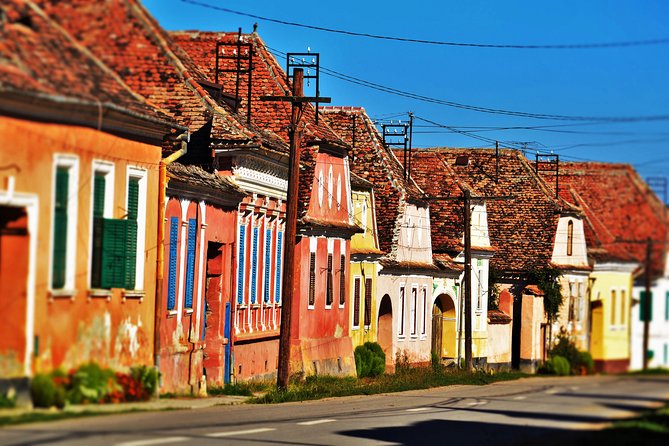
Then the trip heads toward Maramures, with a stop in Cluj-Napoca. You get a walking tour there, which helps because Cluj acts like a bridge city between the medieval Saxon world and the wooden church culture of the north.
On the way, you visit Surdesti for a wooden church that is described as the first wooden church from Maramures, also noted as one of the tallest wooden churches in the world. This is the kind of claim that only makes sense when you see the structure in person.
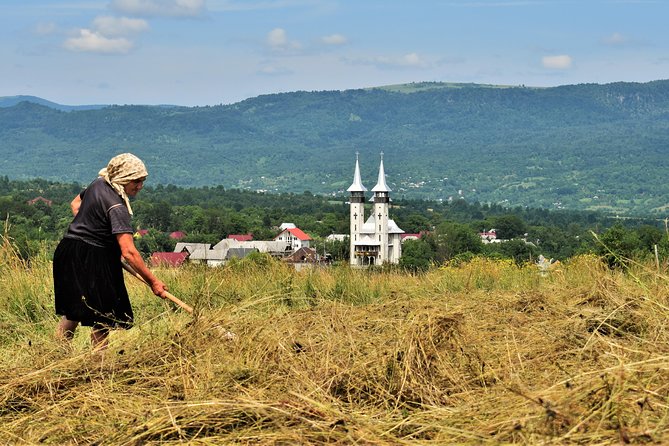
After that, you arrive in Breb, where you spend four nights. This is a huge advantage for travelers who want more than checklists. You can actually walk the village and meet locals, and the tour’s tone here is clearly about slower rhythm and local food.
Maramures at human pace: Merry Cemetery, Desesti, and Barsana Monastery
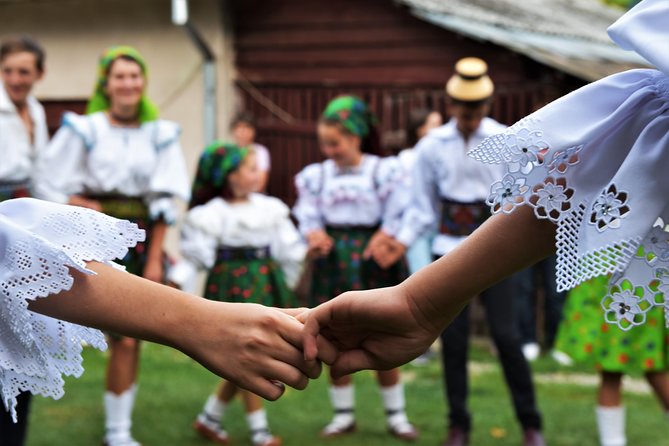
One of the standout emotional stops in the region is Merry Cemetery in Săpânța. It flips the usual cemetery mood. Instead of solemn silence, it offers a different perspective over death, and it is memorable because it feels personal and cultural, not staged.
Next you go to Desesti for the wooden church visit. The description calls it the best preserved wooden church from Maramures, and it includes time in a cemetery setting. That cemetery detail matters because Maramures funerary customs often connect to community identity.
After that, you visit Barsana Monastery, one of the most famous Orthodox monasteries in Romania. Monastery stops can become rushed on other trips. Here, the timing suggests you actually take it in instead of just snapping a quick photo and moving on.
The Mocănița steam train: one day that feels like a different era
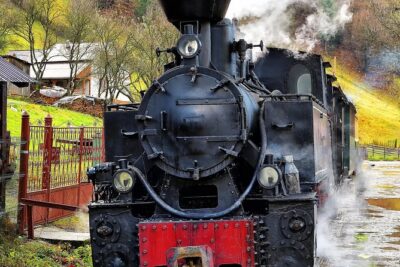
If you want one experience that changes the tempo, this is it: Mocănița Maramureș, a train ride using old steam locomotives. You spend about six hours on the ride, which is long enough to become an event, not a quick novelty.
And because you are in the Maramures region, the train does something important. It turns countryside into a moving story. Instead of staring from a window at fast scenery, you feel the slow travel culture that matches the region’s villages and traditions.
It is also a nice break from constant driving days.
Wooden church day in Breb: relaxed time built in
A whole day is set aside for a relaxed pace, with time to walk Breb. This matters more than people think. After multiple churches, citadels, and castles, your brain needs recovery time, or you start to lump everything together.
So yes, you still get the sense of place, but you also get breathing room to notice small details. That is where the trip becomes more than a list.
Rimetea and the pull of a different kind of village
Later, you drive to Rimetea, called one of Romania’s most beautiful villages in the tour details. You spend a night here and also visit an Ethnographic Museum for about 45 minutes.
This stop gives you a cultural layer that complements all the architecture. Museums can sometimes feel dry, but ethnographic collections work well in a context where you have already been seeing how people built, worshipped, and lived.
Alba Iulia, Corvin Castle, and Sibiu’s medieval street feel
The trip moves through central history with a visit to Cetatea Alba Iulia, described as the most important historical site of Romania. You get around two hours there, long enough to connect the story to the physical scale of the citadel.
Then you go to Castelul Corvinilor, described as the biggest gothic castle in Romania, built in the 14 hundreds. Gothic interiors and defensive architecture can be hard to imagine from outside alone, so getting time inside is a meaningful use of travel time.
Finally, you explore Sibiu with a walking tour of major attractions. Sibiu is one of those cities where the “medieval city” label actually fits. The walk helps you connect earlier fortified and Saxon experiences to a bigger urban setting.
Transfăgărășan Highway: views matched to your season
A highlight for many people is the Transfăgărășan Highway section, and your route adapts to dates. If you travel between July 1 and Nov 1, the plan is to drive the road by car. If you travel outside that window, the details say you take a cable car for mountain views.
Either way, you get dramatic mountain scenery, and the season-based choice helps avoid the common problem of arriving during road closures or inconvenient access windows.
This stop is also where you might appreciate the air-conditioned vehicle, since you spend hours moving through mountain terrain. It is one of those travel comfort upgrades you notice more when you’ve had long walking days too.
Curtea de Argeș Monastery to end in Romania’s classic church style
On the way back to Bucharest, the route stops at Curtea de Argeș Monastery, described as about 500 years old and called by the tour details one of Romania’s most beautiful Orthodox churches.
This is a good ending flavor. By this point, you’ve seen Saxon fortified churches, wooden church culture, and Orthodox monasteries. The last church stop gives you a clean emotional landing.
Price and value: what you are paying for
The price listed is $4,585.57 per person for this private experience. That number can look steep until you break down what you are buying.
You are not just paying for entry tickets. You are paying for private round-trip transfers, an air-conditioned vehicle, a professional guide and driver/guide, plus breakfast included 15 times and dinner included 12 times. You also get multiple nights in traditional village areas, which is harder to replicate on your own because of logistics, language barriers, and scheduling.
You also avoid the headache of piecing together long-distance travel across regions with very different attractions. The route covers Bucharest, Sinaia, Saxon villages, Maramures wooden churches, central citadels, and mountain roads. Doing it solo would likely take serious planning, more time buffering, and a lot of missed opportunities.
So, if you value time and want your days to flow smoothly, the price starts to make sense. If you want cheap travel and enjoy heavy self-planning, this may feel like more than you need.
One more value note from the customer feedback: the guide George is described as excellent at tailoring and explaining. That kind of guidance makes the history stops feel less like trivia and more like understanding.
Who should book, and who should maybe skip it
Book this if you want a private, story-driven route that covers Transylvania and Maramures in a way that is hard to self-organize. It is especially a good fit if you care about church architecture, fortified villages, and rural life, not only big-ticket castle names.
You might skip it if you hate long driving days, or if you only want one or two headline stops. This tour is built for travelers who enjoy breadth, with enough time in villages to actually feel the region instead of only touring it.
If you do book, plan for early starts on long transit days, comfortable walking shoes, and bring patience for changing schedules if you travel around Mondays and public holidays.
FAQ
Is this tour really private?
Yes. The tour is private, and only your group will participate.
Does the tour include pickup and drop-off in Bucharest?
Yes. Hotel pick-up and drop-off are included, with round-trip private transfer.
Are meals included?
Breakfast is included for 15 days, and dinner is included 12 times. The tour description also mentions that most meals are covered, but photo fees are not included.
Will I still get Transfăgărășan views if I travel outside summer?
Yes, the plan changes based on dates. Between July 1 and Nov 1 you drive the road by car, and in other periods you take the cable car for mountain views.
Are photo fees included?
No. Photo fees are listed as not included.
Can I change or get a refund if my plans change?
No. The experience is non-refundable and cannot be changed for any reason.
If you want, tell me your travel month and how important the train and wooden churches are to you, and I can help you judge whether the season-based Transfăgărășan plan fits your priorities.
Village Romania, Other Days
- Slavery in Romania,Myths and Truths on Gypsies, Walking Tour
★ 4.9 · 42 reviews - Original Carpathian Village Experience and Sinaia in one day tour
★ 5.0 · 40 reviews - Palace of the Parliament, Village Museum & Ceaușescu Mansion
★ 4.9 · 31 reviews - Traditions in Bucharest: Village Museum and Wine Tasting Tour
★ 5.0 · 27 reviews - Private Bucharest city tour visit the Palace of the Parliament & Village Museum
★ 4.5 · 21 reviews
Maramures, The Slow Version
More Of Transylvania
- Transylvania and Dracula Castle Full Day Tour from Bucharest
★ 4.5 · 1,589 reviews - Castles of Transylvania: Private Day Trip from Bucharest
★ 4.5 · 248 reviews - 2-Day Medieval Transylvania with Brasov,Sibiu and Sighisoara Tour from Bucharest
★ 4.5 · 145 reviews - 2-Day Transylvania from Bucharest: Brasov, Bran, Sighisoara
★ 5.0 · 60 reviews - Transylvania: Cultural Full-Day Trip by Minivan
★ 4.8 · 57 reviews
Recently added around Bucharest
- Private Tasting Expedition Along Romania’s Most Famous Wine Route★ 5.0 · 3 reviews
- Private Guided Tour of Peles Castle and Bran Castle from Bucharest★ 5.0 · 3 reviews
- Private Sightseeing Tour of Bucharest★ 4.5 · 3 reviews
- Discover Europe’s Deepest Mines & Peles Castle’s Royal Charm★ 5.0 · 3 reviews
- Bucharest City Tour and Wine Tasting★ 5.0 · 3 reviews
Maramures Tours, compared.
 ★ 5.0Maramures best, full day tour from ClujFrom $17733 reviews
 ★ 5.0Classic Romania Tour – small group in 8 days: Transylvania and MaramuresFrom $2,33922 reviews
 ★ 5.0From Cluj-Napoca: Maramures Day TourFrom $18919 reviews
 ★ 5.0The Best of Maramures in One DayFrom $15616 reviews
 ★ 5.0Maramures in a nutshellFrom $18013 reviews
 ★ 5.0Two days tour to Maramures: local experiences and cultureFrom $6859 reviews
 ★ 5.0Your rendez-vous with Europe’s past: time-travel to Maramures, TransylvaniaFrom $2,1856 reviews
 ★ 5.0Maramures Activ TourFrom $1,0726 reviews
Browse the lists this tour appears in