
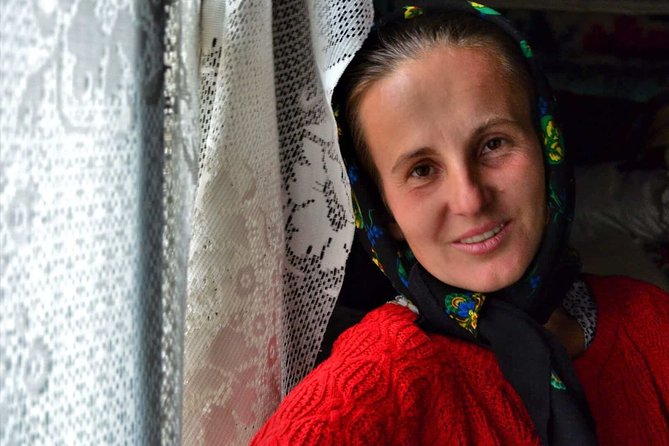
REVIEW · MARAMUREȘ
Your rendez-vous with Europe’s past: time-travel to Maramures, Transylvania
Moldovan wine is not the only story in Romania. This private week with guide Gelu and driver Vlad takes you from medieval kingdoms to UNESCO churches, without the hassle of planning. You get a private driver and guide, plus admissions handled for key stops, so you can focus on what you came for: places that still feel lived-in.
I especially liked how the itinerary balances famous sights with quieter corners of the country. You spend time in iconic Transylvania stops like Sighișoara and Bran Castle, then you shift gears north into Maramures village life and wooden church country. My second big win: the day flow is built around real breaks, not just rushing from photo to photo.
One consideration: it is a packed road trip, and some days include long driving time between regions. If you hate being in a car for hours, this may feel intense, even with an air-conditioned vehicle and plenty of stops.
Key points to know before you go
- Private guidance with Gelu and Vlad, with time for questions, photos, and breathing space
- UNESCO sites on both sides of Romania, from wooden churches in Maramures to fortified churches in Saxon Transylvania
- Admission handling for major stops, so you do not spend your day figuring out ticket lines
- A real change of scenery between Wallachian and Hungarian medieval landmarks, then peasant culture in Maramures
- Two castles plus a palace stop, giving you the full “Dracula to kings” arc without independent logistics
- Breakfast daily and selected meals included, which helps keep your daily costs predictable
In This Review
- Why this Maramures and Transylvania private route feels easier than DIY
- Bucharest departure, the Olt River Valley drive, and Cozia Monastery to Sibiu
- Alba Iulia’s fortresses and Cluj-Napoca, Hungary’s medieval footprint
- Maramures ramp-up: Surdesti and a true Breb village stay
- Barsana, Sapanta’s Merry Cemetery, and Sighet’s prison memorial
- From Ieud to Biertan, UNESCO wooden and fortified churches in one arc
- Sighișoara citadel, then fortified churches toward Brasov
- Bran Pass views, Peles Castle contrasts, and a calm Bucharest wrap-up
- Price, included meals, and what you still need to budget
- How to make the most of this trip (and avoid common snags)
- Should you book it for Maramures and Transylvania?
- FAQ
- Where does this tour start?
- How long is the tour?
- What is the price per person?
- What’s included in the tour price?
- Are tickets and admissions included?
- What meals are included?
- What is not included?
- Is this tour private?
- Is it refundable if I cancel?
Why this Maramures and Transylvania private route feels easier than DIY
A lot of Romania trips fall into two extremes: either you do everything on your own and spend half your time on logistics, or you join a group that feels like a checklist. This setup lands in the practical middle.
You travel by air-conditioned vehicle with a private driver and guide, and the itinerary is built so your day already has a shape. That matters because the distances are real, and Romania rewards pacing. With Gelu, you also get commentary that makes the places easier to place in your head, not just read off a sign.
The other thing I like: the tour explicitly includes organized admissions at many stops, so you are not constantly switching between apps, ticket desks, and timing worries. It is a small thing until you are tired at the end of the day and want to simply walk into the next site.
Bucharest departure, the Olt River Valley drive, and Cozia Monastery to Sibiu
Most trips start with a dramatic first day, and this one starts with history that is close enough to ease into. You meet in Bucharest either at your hotel or at the airport, then you head out by car through the Olt River’s Valley to Cozia Monastery.
Cozia is a strong opener because it connects Romania’s medieval story to a specific person: it was founded in 1388 by Mircea the Elder, a Wallachian prince, and the grandfather of Vlad the Impaler. That Dracula connection is famous, but starting at Cozia gives you context before the legend gets loud. The stop is short, about 30 minutes, and the admission is listed as free, so it does not eat your whole day.
Next comes Sibiu, where the experience shifts from monastery quiet to old-city texture. You tour the medieval streets and major plazas, then climb up to the Council Tower for a view over town. I like that the walking is tied to a payoff: you earn the perspective, then you are back on the ground for the Orthodox Cathedral and the Evangelical Church. If you enjoy seeing how different traditions share space in the same city, Sibiu is a good first real city stop.
Practical note: Sibiu involves stairs (the Council Tower climb). If you have knee issues, plan for that. The stop is only about two hours, but the climb is part of the point.
Alba Iulia’s fortresses and Cluj-Napoca, Hungary’s medieval footprint
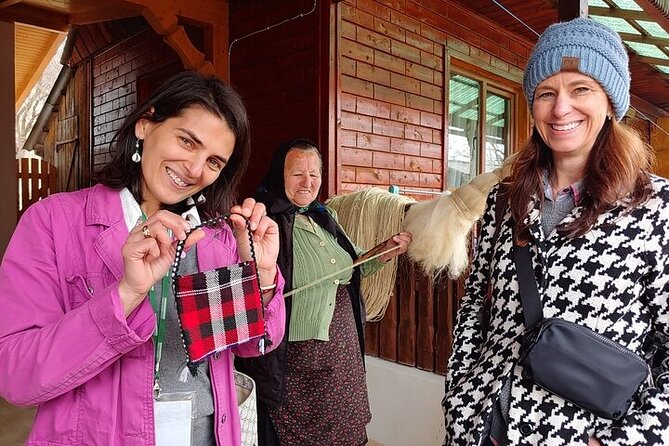
Day two turns up the scale. You go to Alba Iulia fortress and connect the region to John Hunyadi (Corvin), regent of Hungary, and his son King Matthias Corvinus. Even if you do not keep medieval names straight, Gelu-style guiding helps you understand why these places mattered to power struggles across the area.
You visit the Alba Carolina fortress and the Saint Michael Cathedral, where John Hunyadi is laid to rest. There is also the Orthodox Coronation Cathedral and the ruins of the Roman castrum of the elite 13th Gemina Roman Legion. This is a nice mix because it layers time. You are not only seeing one era of stone, you are seeing how old sites get re-used and reinterpreted.
After that, the energy moves forward to Cluj-Napoca for a short guided walk. You get city texture and finish near restaurants or bars, which is a helpful way to end the day. The tour time here is only around two hours, so it is more of a taste than a deep dive, but that is exactly what you want when you are heading toward the north.
Deeper into Transylvania
Maramures ramp-up: Surdesti and a true Breb village stay
Day three is where the trip earns its title, Maramures and Transylvania. You head north from Cluj-Napoca, and the vibe shifts toward traditional peasant culture.
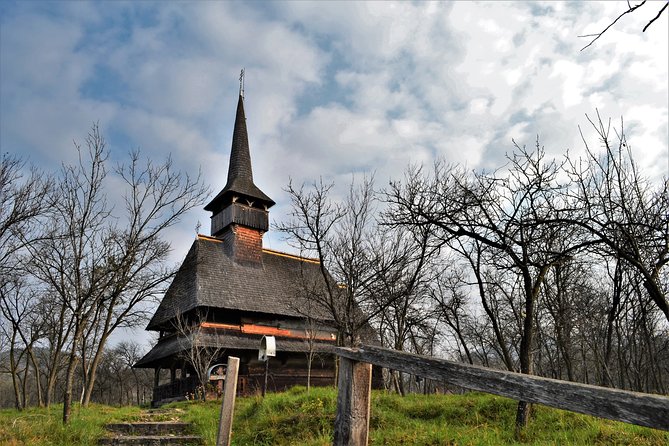
Your first stop is Surdesti, with the UNESCO-listed wooden church. It is built in 1766 and is described as the Greek-Catholic church of Surdesti, which was until recently the tallest wooden church in the world. That last detail helps you understand why wooden architecture here is not “cute countryside stuff,” it is serious building craft and a statement of skill and belief.
Then you check in at Breb, in a traditional cottage that hosts you for the next couple of days. This is one of the smartest parts of the itinerary. Instead of bouncing between villages all day, you park in one place and let the rhythm settle. You also get traditional food from your hosts, and the schedule leaves your afternoon open, about 18 hours total time at the cottage across the day.
If you like small moments, this is where you find them: a quieter evening, a slower pace, and fewer “next stop” cues.
Barsana, Sapanta’s Merry Cemetery, and Sighet’s prison memorial
Day four mixes spirituality, artful humor, and hard memory. That sounds like a mood roller coaster, but it works because each site is distinct.
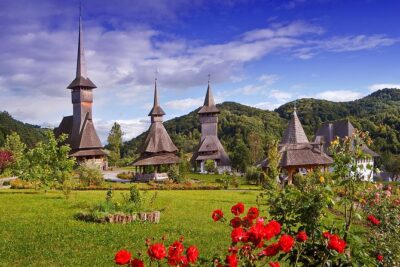
At Barsana Monastery, you see a large Orthodox monastic complex built in the early 1990s, yet rooted in local tradition. The point here is not just old stone. It is how tradition keeps producing new religious architecture.
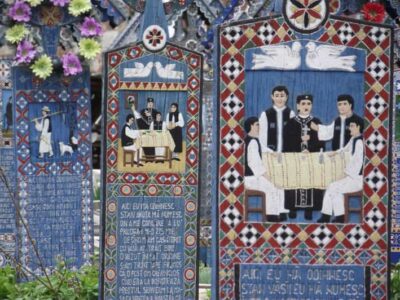
Then you go to Merry Cemetery in Sapanta (Sapânta). This is the place where wooden crosses are carved and painted with vivid colors, and epitaphs include funny or ironic lines about the dead. It feels unusual until you realize it is a cultural way of facing death with human honesty. The epitaph examples are specific and a little biting, and that contrast can make you smile and then think.
After that, the mood turns again at the Memorial of the Victims of Communism and of the Resistance. This prison, the Communist prison of Sighet, was where the regime targeted political, religious, academic, and cultural elites. From 1950 to 1955, 211 important Romanian statesmen, intellectuals, Academy members, bishops and priests, and high-ranking generals were imprisoned under dreadful conditions. You also learn the memorial context: the site is now dedicated to victims and resistance.
I like including both Sapanta’s playful epitaphs and Sighet’s memorial in the same day because it shows how life and death were treated in different ways, sometimes even by the same people who had to survive the same century’s violence.
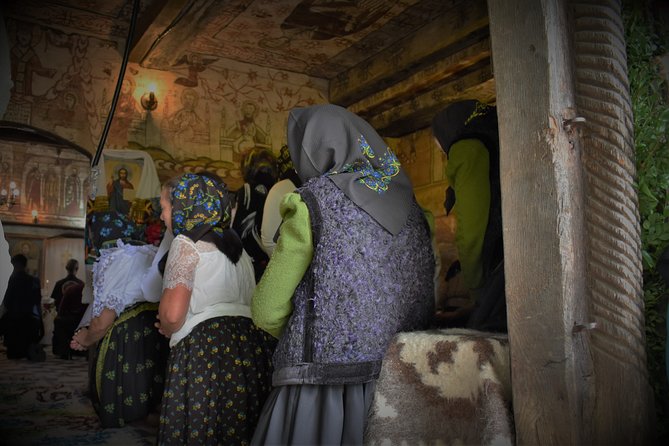
You finish the day with Desesti, another UNESCO wooden church stop, famous for its well-preserved old picture. The admission is noted as free, and the stop is about 30 minutes. It is the kind of final short stop that helps you end day four without wearing out.
From Ieud to Biertan, UNESCO wooden and fortified churches in one arc
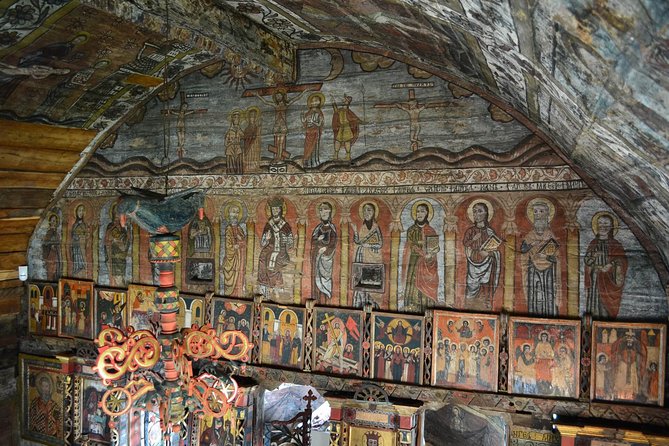
Day five is a long driving day, but the schedule uses that time to connect a whole chain of UNESCO sites. You go from Maramures south toward Saxon Transylvania, with a short stop at Ieud village.
At Ieud you see two traditional wooden churches. The “church on the hill,” an Orthodox church from the 17th century, is UNESCO-listed. The “church in the valley,” Greek-Catholic, is called the Wooden Cathedral for its slender proportions and balanced design, and it is said to be unpainted, while hosting a rich collection of glass icons. Even if you do not consider yourself a church person, the craft differences between the churches make this stop memorable.
Then it is on to Biertan for the fortified church. Built from 1486 to 1524, Biertan’s church comes with impressive defensive walls and a beautiful nave ceiling, plus tombstones of former bishops and notabilities. Fortified churches are not just pretty buildings here, they are community protection architecture. In a region where people had to defend themselves, worship and survival were never fully separate.
At the end of the day you reach Sighișoara (Sighisoara), UNESCO-listed as a medieval citadel. The late afternoon and evening timing helps you see it with a softer light and less rush. Admission is included for the citadel visit, and you also connect back to the Vlad the Impaler story since Sighișoara is listed as his birthplace.
Drawback to plan for: the day includes a “drive time plus multiple stops” structure. Wear comfortable shoes, and do not plan to use your phone battery on heavy research while you are in transit.
Sighișoara citadel, then fortified churches toward Brasov
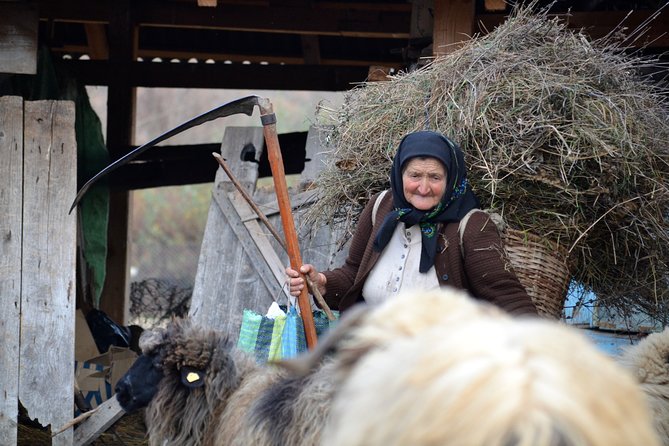
Day six is built for Saxon Transylvania flavors. You start with time in and around Sighișoara, then move outward to more fortified churches before landing in Brasov.
You tour a key part of the medieval citadel first, again with UNESCO context, and you spend time in the old area where Vlad’s origin story is part of the narrative. Then the route shifts to rural fortified church country, with stops including Saschiz and Viscri on the way.
Viscri fortified church is described as one of the UNESCO monuments, and the itinerary also includes a lunch time stop in Viscri. It is also the village Prince Charles fell in love with, after he bought an old Saxon household there, including the blue house built in 1753. You get the sense that this region became a tourism story partly through real-life recognition, and it helps explain why fortified churches are now easier to find and study.
On the way, you also catch sights related to Saschiz fortified church, described as built at the end of the 15th century with a tower reminiscent of Sighișoara’s Clock Tower. There is also a viewpoint for the Rupea fortress, one of the oldest fortifications in Romania, built over preexisting Roman and Dacian fortresses.
Then you arrive in Brasov and do a guided visit to the historical center. You see the Black Church, a 14th-century Gothic monument, plus fortifications, bastions, towers, and Rope Street, noted as one of the narrowest streets in Europe. This is the kind of stop where the city becomes more than a base. You have enough time to understand Brasov’s medieval layout and industrial pull.
Maramures at a slower pace
Bran Pass views, Peles Castle contrasts, and a calm Bucharest wrap-up
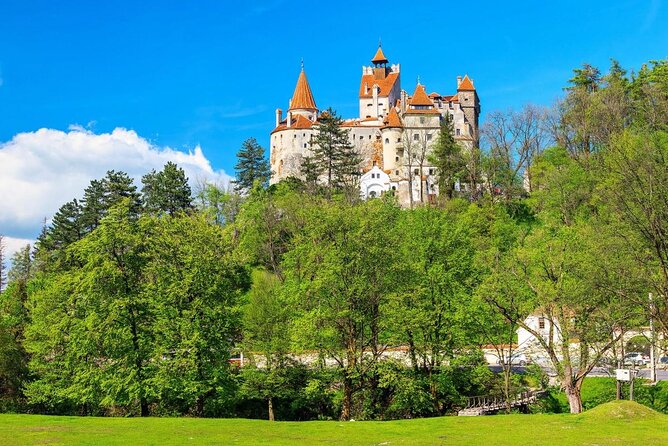
Day seven is your “icons” day. It starts by leaving Brasov for Bran Castle, strongly linked to the Dracula legend. The highlight is not just the castle itself, it is the scenery at Bran Pass over the Piatra Craiului and Bucegi mountains. Even if Dracula is not your focus, the mountains and pass scenery add a cinematic layer.
Next is Peles Castle in Sinaia, visited in the early afternoon. It is built at the end of the 19th century and has a flamboyant style, which contrasts with the personality of its founder, Carol I of Hohenzollern-Sigmaringen. That contrast matters. The tour is doing more than checking off castles, it is showing how different rulers shaped different aesthetics.
Then you head back to Bucharest for a softer ending. After check-in, you can take time to settle in. You also visit Stavropoleos Church in the city, a monastery church built in 1724, and the stop is listed as 30 minutes with free admission.
This last day design is smart for your energy. After several days of castles and monuments, Bucharest acts like a landing pad, not another marathon.
Price, included meals, and what you still need to budget
The price is listed as $2,185.67 per person for 7 days, with private transportation and a private guide. That sounds steep until you break down what is actually covered.
You get:
- 7 nights in 3-star superior hotels or guesthouses, breakfast included
- Private air-conditioned transport with all fees and taxes covered
- Admission tickets handled for multiple stops, plus many are marked free
- 2 lunches and 2 dinners included
What you do not get:
- Flights
- Photo fees
- Meals beyond the included lunches and dinners
Value-wise, the biggest thing you pay for is time and friction reduction. Romania’s road distances can be real, and shifting between cities and villages is exactly where a DIY plan can blow up. Here, the itinerary does that work for you, and you still have flexibility because the tour is described as bespoke, letting you adjust the itinerary to your needs.
Still, I’d plan your budget around the missing meals and any photo or personal costs. Also note the tour includes service animals, and most travelers can participate, which is reassuring for planning.
How to make the most of this trip (and avoid common snags)
This is a monument-focused road trip, so a few prep habits pay off.
1) Bring shoes for uneven paths and stairs
You do climbs like the Council Tower area in Sibiu, and you spend a lot of time walking around citadels, churches, and fortified sites.
2) Plan for long travel days
Days that link Maramures to Transylvania (and the reverse) include driving time between regions. The best mindset is to treat those hours as transit with planned stops, not wasted time.
3) Use the guide time well
Gelu is described as warm, welcoming, and passionate, and he makes space for questions, pictures, and breathing. Ask about what you are seeing, especially at the memorial and the UNESCO church stops, where context makes a big difference.
4) Expect a mix of moods
Humor at Merry Cemetery and gravity at Sighet are in the same tour flow. That is part of the emotional honesty of the itinerary.
Should you book it for Maramures and Transylvania?
If you want a guided, low-stress week that covers both headline sights and UNESCO countryside without you juggling logistics, I think this is a strong choice. The private setup with Gelu and Vlad, plus admission handling and breakfast included, makes the trip feel like someone planned the hard parts for you.
Book it if:
- You like history that connects places to people, like Mircea the Elder and John Hunyadi
- You want UNESCO church architecture in both Maramures and Saxon Transylvania
- You value flexibility and pacing over a rushed group schedule
Skip it if:
- You dislike long driving days between regions
- You need lots of unstructured free time every day
FAQ
Where does this tour start?
It starts in Bucharest, and you meet at your hotel or at the airport.
How long is the tour?
The duration is about 7 days.
What is the price per person?
The price is listed as $2,185.67 per person.
What’s included in the tour price?
You get a private air-conditioned vehicle, private transportation, all fees and taxes, 7 nights in 3-star superior hotels or guesthouses with breakfast, plus 2 lunches and 2 dinners.
Are tickets and admissions included?
Admissions are organized for key stops during the itinerary. The itinerary notes some admissions as included and others as free.
What meals are included?
Breakfast is included daily, and the itinerary includes 2 lunches and 2 dinners.
What is not included?
Meals not listed as included, photo fees, and flight tickets are not included.
Is this tour private?
Yes. It is a private tour/activity, and only your group participates.
Is it refundable if I cancel?
No. It is non-refundable and cannot be changed for any reason.
Everything Else We Reviewed In Bucharest
- Bucharest: Dracula’s Castle, Peles Castle, & Brasov Old Town
★ 4.5 · 17,858 reviews - Bucharest: Dracula Castle, Peles Castle & Brasov Old Town
★ 4.6 · 10,891 reviews - Bucharest: Dracula’s Castle, Peleș Castle & Brașov Day Trip
★ 4.5 · 5,919 reviews - Bucharest: Palace of Parliament Tickets and Guide
★ 4.3 · 3,182 reviews - Bucharest: Day Trip to Dracula Castle, Peles Castle & Brașov
★ 4.4 · 3,049 reviews
Maramures, The Slow Version
More Of Transylvania
- Transylvania and Dracula Castle Full Day Tour from Bucharest
★ 4.5 · 1,589 reviews - Castles of Transylvania: Private Day Trip from Bucharest
★ 4.5 · 248 reviews - 2-Day Medieval Transylvania with Brasov,Sibiu and Sighisoara Tour from Bucharest
★ 4.5 · 145 reviews - 2-Day Transylvania from Bucharest: Brasov, Bran, Sighisoara
★ 5.0 · 60 reviews - Transylvania: Cultural Full-Day Trip by Minivan
★ 4.8 · 57 reviews
Recently added around Bucharest
- Private Tasting Expedition Along Romania’s Most Famous Wine Route★ 5.0 · 3 reviews
- Private Guided Tour of Peles Castle and Bran Castle from Bucharest★ 5.0 · 3 reviews
- Private Sightseeing Tour of Bucharest★ 4.5 · 3 reviews
- Discover Europe’s Deepest Mines & Peles Castle’s Royal Charm★ 5.0 · 3 reviews
- Bucharest City Tour and Wine Tasting★ 5.0 · 3 reviews
Maramures Tours, compared.
 ★ 5.0Maramures best, full day tour from ClujFrom $17733 reviews
 ★ 5.0Classic Romania Tour – small group in 8 days: Transylvania and MaramuresFrom $2,33922 reviews
 ★ 5.0From Cluj-Napoca: Maramures Day TourFrom $18919 reviews
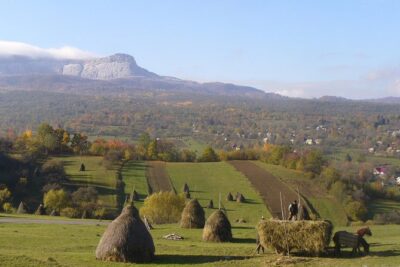 ★ 5.0The Best of Maramures in One DayFrom $15616 reviews
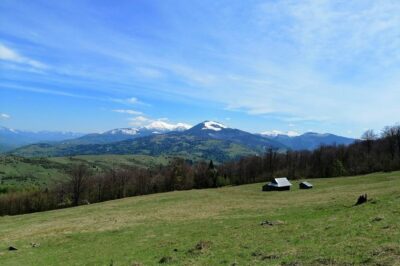 ★ 5.0Maramures in a nutshellFrom $18013 reviews
 ★ 5.0Two days tour to Maramures: local experiences and cultureFrom $6859 reviews
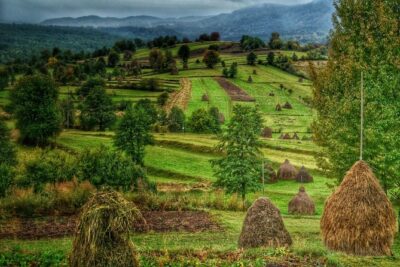 ★ 5.0A Journey Back in Time: Countryside from Transylvania and Maramures – 15 DaysFrom $4,5857 reviews
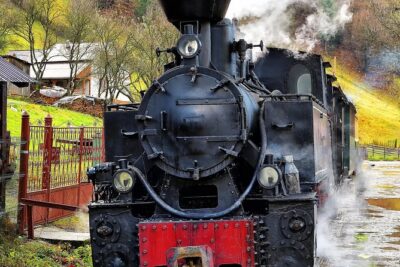 ★ 5.0Maramures Activ TourFrom $1,0726 reviews
Browse the lists this tour appears in