
REVIEW · MARAMUREȘ
Classic Romania Tour – small group in 8 days: Transylvania and Maramures
Castles, monasteries, and wood villages in one week. This 8-day route from Bucharest is interesting because it stitches together Transylvania and Maramures with overnight stops, so you spend less time figuring things out and more time actually looking. You’ll cover major landmarks like Bran Castle and Peles Castle, plus the softer side of Romania in places like Sibiel, Viscri, and Săpînţa.
I like two things most. First, it’s a small group with a professional guide and a modern car or minivan, which keeps the pace human and questions answered. Second, the itinerary goes beyond the usual castle photos and includes details like the Bridge of Lies in Sibiu and the merry cemetery crosses in Săpînţa.
One thing to consider is that the days are packed with walking and stairs, including a climb in Sighișoara, so bring comfortable shoes and plan on moderate physical effort.
In This Review
- Key things to know before you go
- Tour style and group size: private feel with real logistics handled
- Day 1 in Bucharest: Old Town plus Spring Palace if Parliament is closed
- Into Transylvania via monasteries and valleys: Curtea de Argeș, Cozia, and the long road to Sibiu
- Sibiel, Alba Iulia, Turda Salt Mine, and Cluj: variety without feeling rushed
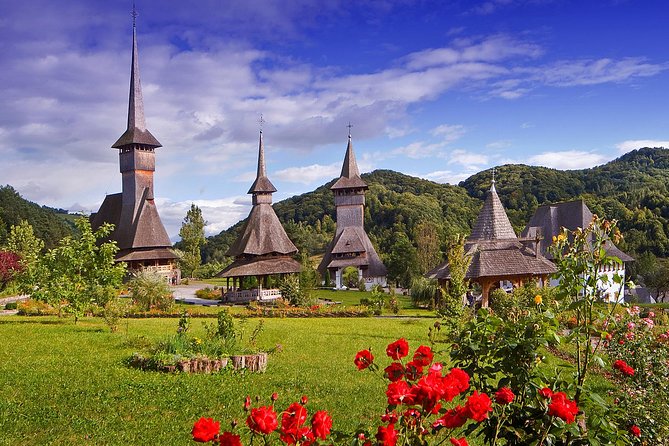
- Maramureș in full color: Breb, the wooden churches, and Săpînţa’s merry cemetery
- UNESCO wood churches in Poienile Izei and Barsana, then Târgu Mureș
- Fortified churches and medieval climbs: Biertan, Sighișoara, and Viscri
- Brasov, Bran Castle, and Sinaia’s Peles: gothic drama with royal polish
- Money and included value: what your price covers and what to budget
- Should you book this 8-day Transylvania and Maramures tour?
- FAQ
- What is the tour start time, and is pickup included?
- How many people are in the group?
- Are breakfasts and some meals included?
- What happens if the Palace of the Parliament can’t be visited?
- Are monument entrance fees included?
- Can I cancel for a refund?
Key things to know before you go
- Max 6 travelers means you get a calmer, more conversational tour style.
- Bucharest to Maramures and back is a long sweep, with overnight stays in handpicked hotels.
- UNESCO stops show up more than once, including wood churches in Maramureș and fortified churches in Transylvania.
- You’ll do both big names and local traditions, from Bran and Peles to a folkloric dinner and village meals.
- The guide flexibility is real, with guide Valentin Val Nan praised for adjusting the plan when guests requested changes.
Tour style and group size: private feel with real logistics handled
This is not the kind of tour where you guess directions and then scramble to catch up. You get a professional English-speaking guide, door-to-door pickup and drop-off (including airport transfer), and a modern car or minivan for the driving days. With a maximum of 6 travelers, you usually feel like you’re traveling with a small circle, not getting processed.
What I like is how the tour protects your time. The route moves from Bucharest into the medieval world of Transylvania, then up into Maramureș, and back again. That’s a lot of ground for 8 days, but the structure keeps the “where do we go now” stress low. You also get breakfasts every day, plus a few planned meals on the included list (a traditional lunch with local products and one folkloric dinner). That helps you budget.
The tour also calls out moderate physical fitness. That matters because a few stops involve stairs and uneven walking surfaces, especially in medieval old towns and fortress areas. If that sounds like your thing, great. If you prefer mostly flat walking, you’ll want to prepare for compromises.
And credit where it counts, a standout from the feedback is guide Valentin Val Nan. People praised his knowledge, courtesy, and willingness to accommodate schedule changes, even adding visits such as Konstanza and Histria when possible. That’s the kind of flexibility that can turn a “fixed itinerary” into a trip that feels tailored.
Day 1 in Bucharest: Old Town plus Spring Palace if Parliament is closed
Bucharest opens the trip with a strong contrast: communist-era scale in the city center, then a more human rhythm in the Old Town. The big set piece on day one is the Palace area, but with an important heads-up. At the time of planning, the Palace of the Parliament cannot be visited and is replaced with the Spring Palace. You still get a guided look at that world of monumental marble and political history, and you still get to orient yourself fast.
After the palace stop, you head into Bucharest’s Old Town. This is where the city’s mix of influences feels more tangible, not just architectural. The tour frames the Old Town as Bucharest’s nightlife hotspot, so expect atmosphere and visual energy rather than a quiet museum crawl. It’s also a smart way to start, because you’re not only “learning history,” you’re also seeing how people live around the historic core.
A practical tip for day one: plan to be outside for a while, especially in the Old Town portion. Comfortable shoes matter, because even a casual walking tour can add up when you also factor in city traffic timing and photo stops.
If you’re the type who wants context first and vibes second, this day works well. If you want castles and countryside right away, you’ll just have to accept that Bucharest is your warm-up act before the medieval drama.
Deeper into Transylvania
Into Transylvania via monasteries and valleys: Curtea de Argeș, Cozia, and the long road to Sibiu
The next morning starts the transition from the capital into Romania’s historic core. You’ll first visit Curtea de Argeș Monastery, set at the foot of the Carpathians. Monasteries like this are less about ticking a box and more about feeling the old rhythms of the region. The tour keeps you moving, so you’re not stuck for hours, but you do get that anchored sense of place.
Then you ride through the Olt Valley. The value of this driving day is that it’s not just transport. You get scenery and the sense of changing terrain as you head toward Transylvania’s fortified cities.
Cozia Monastery is another highlight on the plan, but it changes seasonally. In the summertime period (mid June to early November), the Cozia stop is swapped for a road trip on Transfăgărășan. That swap matters because the route isn’t just about history, it’s also about big views. If your travel dates fall in that summer window, expect a more scenic road day. If not, you’ll get the monastery focus.
Sibiu is where the pace becomes very walkable. You’ll do a walking tour of the Old Town area, including Main Square and its landmark buildings such as the Brukenthal Museum building and the Roman Catholic Cathedral. The tour also includes Huet Square and its Evangelical Church, which helps you understand that this region was shaped by multiple faith communities over centuries.
Two details I really like here are the Bridge of Lies and the Passage of Stairs. They’re the sort of “small famous thing” that you won’t remember as well from a guidebook, but you’ll remember after you see them. They also keep the tour lively, because you’re not only looking at religious and civic monuments. You’re also walking through stories.
Sibiel, Alba Iulia, Turda Salt Mine, and Cluj: variety without feeling rushed
Day three gives you a good mix: rural authenticity, fortress scale, subterranean weirdness, and a city morning. You start with Sibiel, a small village described as a rural replica of Sibiu and known for being well-preserved. It’s a nice palate cleanser after monasteries and valley driving. Even a short walk in Sibiel helps you shift from “castle tourism” toward how people actually lived.
Then comes Alba Iulia and its fortress complex, described as Romania’s largest fortress, built in a star shape and surrounded by walls about 12 km long. The tour context here helps. You don’t only see the walls, you learn the layered history, including the idea that this site has served different roles over time, from Roman fort through medieval fortress to a later citadel.
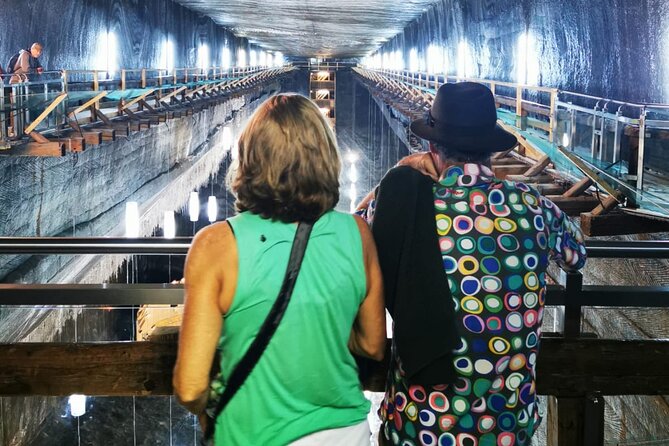
If you want a single photo stop that changes your perception of Romania, Turda Salt Mine does that. You go underground into a huge salt-carved space with galleries and tall halls, including one that’s about 118 meters high and a lake at the bottom. It sounds like a typical tour trick, but it’s the setting that makes it memorable. The “otherworldly” feeling is the point, and it’s also a rare break from daylight castles.
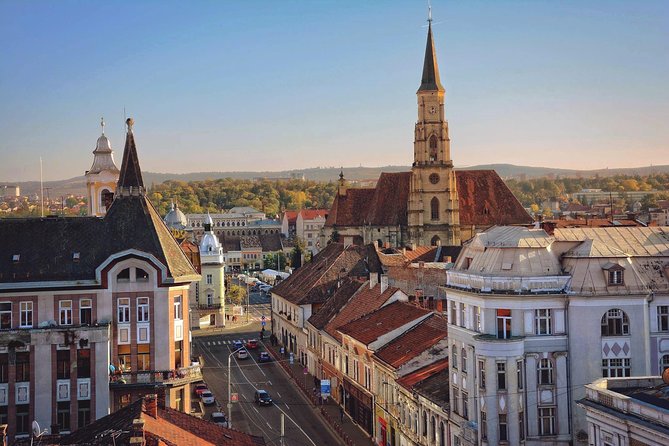
Cluj-Napoca rounds out the day with a city tour. You’ll see St Michael’s Gothic Cathedral at the central square, Banffy Palace, and Mirror Street. I like that the tour gives both architecture and street character. It helps you connect “Transylvania” to people and neighborhoods, not only to fortifications.
One consideration here: because the stops are varied, you’ll want to pack smart. Water, a light layer, and a phone battery can matter, especially if you want to take lots of photos in the mine and then keep walking outside afterward.
Maramureș in full color: Breb, the wooden churches, and Săpînţa’s merry cemetery
Maramureș is the part of the trip where Romania feels most like an open-air storybook. The tour leans into wood, craft, and community, and it does it with visits that go beyond surface-level photo stops.
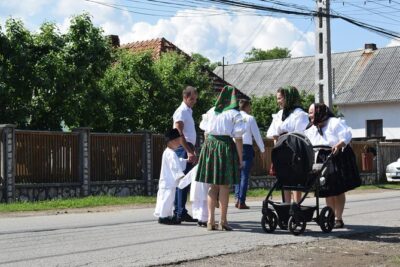
You start with Sighetu Marmatiei as your base, then head into Maramureș. Breb is one of the main village highlights. You’ll explore traditional wooden houses and visit an authentic house to see daily life up close. There’s also a described lunch that includes fresh products and fruity liqueurs. That’s a good sign for your experience because it suggests you’re not only moving through scenery. You’re eating and talking like a guest.
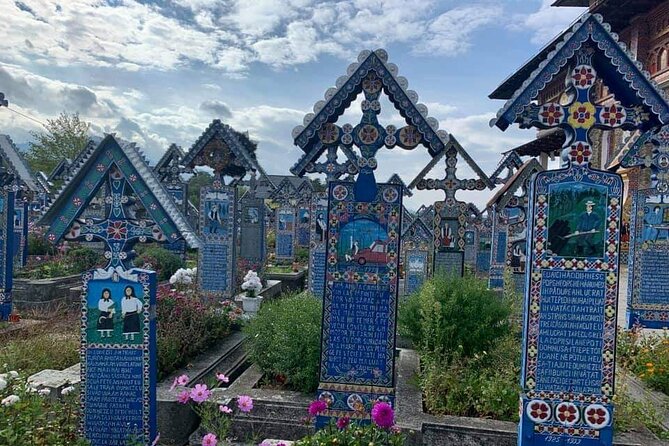
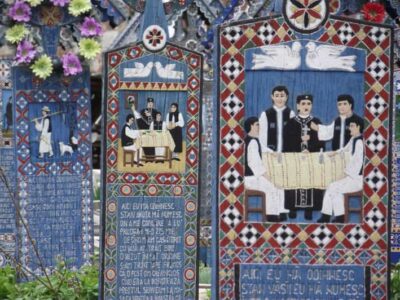
The emotional punch comes with Săpînţa, famous for its merry cemetery. It’s described as the world’s only community with a merry cemetery, with wood carved crosses in bright colors and witty quatrains inspired by people’s lives. It’s not “funny” in a disrespectful way, but it is human. It also gives you a different window into how a culture processes memory.
That night includes a Romanian traditional dinner and a folkloric show. Even if you’re not a big theater person, I think this is one of the best values on the entire trip. It’s an included evening that doesn’t require extra planning, and it helps balance the heavier monument days with something celebratory.
A practical tip: Maramureș days can feel long because the driving and walking stack up. Use the car time to rest your legs and keep your pace steady. And if you’re sensitive to cold, pack for temperature swings. Even when days feel mild, you can feel it inside churches and during evening programs.
UNESCO wood churches in Poienile Izei and Barsana, then Târgu Mureș
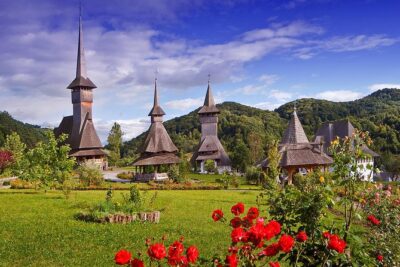
Day five keeps the Maramureș theme going by focusing on UNESCO-listed wooden churches. You’ll visit Poienile Izei (Iza Meadows) and Barsana, both part of the heritage site. The tour highlights craftsmanship and the way the architecture has been perfected across generations.
Barsana is described as one of the largest Orthodox architectural ensembles in Romania. That detail matters because it’s easy to view wood churches as small and simple. Here, the scale is part of the point.
After touring, there’s a woodcarving workshop moment. You’ll see a local artisan and learn about the woodcarving craft, then you can buy hand-made souvenirs. I like souvenir stops when they connect to a real process you saw with your own eyes. If you’ve watched the carving work, you’ll understand why the best pieces cost what they do.
The tour also nods at food with another tasting of local products in this picturesque and well-preserved region. Then you reach Târgu Mureș for the evening. Târgu Mureș is described as a city recognized for ethnic and cultural diversity, which sets you up for a change from village life.
The main drawback with days like this is “choice overload.” You’ll want to photograph everything, but you can end up tired instead of moved. Slow down at least once in each village, find a spot for five minutes, and just watch people and details.
Maramures at a slower pace
Fortified churches and medieval climbs: Biertan, Sighișoara, and Viscri
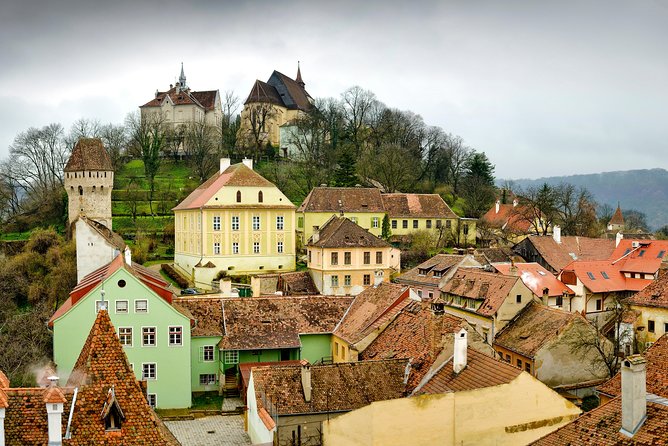
Day six moves you back into the fortified, Saxon-influenced side of Transylvania. You start at Biertan, described as the largest fortified church in Transylvania and a UNESCO monument. This is one of those sites where the fortification style makes sense once you see the church as both religious and defensive space. The tour keeps this logical, not abstract.
Then Sighișoara takes the stage. It’s described as the only inhabited medieval fortress included in UNESCO’s World Heritage Sites. That means you don’t just walk through ruins. People live around the old walls and streets.
You’ll visit the Clock Tower, which includes a museum of medieval weapons and a torture chamber. That’s a bold inclusion. If you prefer soft-focus history, you might feel it more than others. If you like how museums explain darker themes, it’s interesting context.
After that, the tour includes a climb: 300 wooden steps up to the Church-on-the-Hill, built in the 14th century. This is the big physical moment of the day, and it’s worth preparing for. I’d treat this as your main “workout,” then keep the rest of the walking lighter.
Viscri is the relaxing reward after the climb. The tour highlights that Prince Charles restored a traditional house there and that he returns every year in May. Viscri is also where you enjoy a horse-drawn carriage ride through the village and stop to visit locals, with home-made cake included. That home-style detail is why I think the Viscri portion is a strong value. It’s local, not manufactured.
Then you reach Brasov. Even though it comes later, it’s another sign the trip balances major sights with smaller human moments.
Brasov, Bran Castle, and Sinaia’s Peles: gothic drama with royal polish
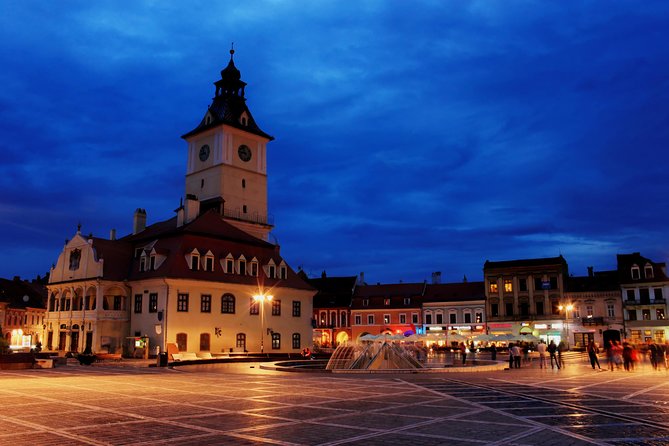
Day seven is where the trip tilts heavily into the castles most people came for. Brasov first, with a walking tour of the historical center. You’ll see one of the narrowest streets in the world, Council Square, and the Black Church, a famous Gothic cathedral.
I like Brasov as a springboard because it’s walkable and it feels like a real city, not a theme park. You also get a good base for the quick shift to Bran and Sinaia later.
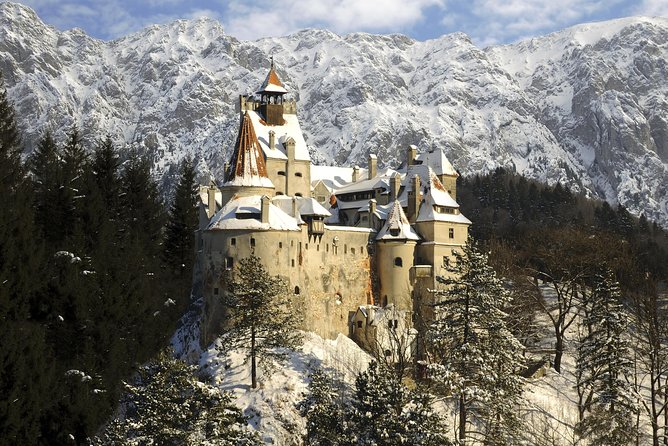
Bran Castle is next, with a full Bran Castle tour. The tour frames it around the legend of Dracula and calls it Dracula’s Castle. Even if you’re not a horror fan, the location makes the experience work: it’s on a 60-meter cliff and towers over the main access route into medieval Transylvania. The castle’s position is the storytelling device. You feel the defense logic, the drama of the setting, and why legends cling to places like this.
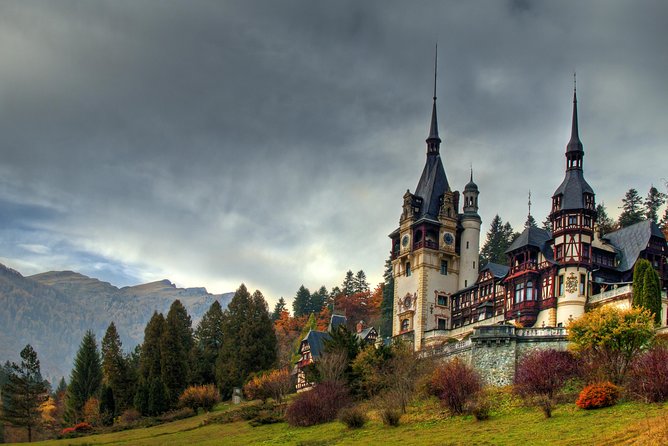
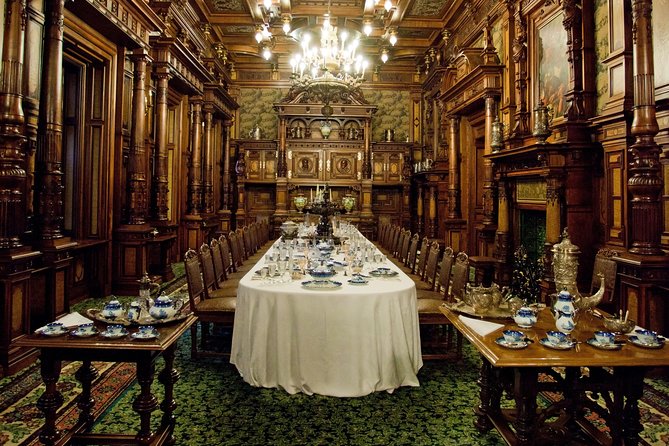
Then the day moves to Sinaia, described as a mountain resort that rose to fame as the royal residence in the 20th century. You start with the Orthodox Monastery in Sinaia, then head to Peles Castle. Peles is described as a splendid Gothic style castle built by King Carol I, and you get a castle tour focused on the Romanian royal family’s life.
This is a strong pairing: Bran gives you medieval legend energy, Peles gives you royal craft and architecture detail. Doing them on the same day helps you compare styles without losing momentum to travel.
Evening return puts you back in Bucharest. That final push is practical. You’re not stuck in a hotel two hours from the airport on day eight. You arrive back with time to breathe.
Money and included value: what your price covers and what to budget
This tour is priced at $2,339.64 per person, based on two people sharing a double room. That’s not a “cheap by budget travel standards” number. So I look at it as a logistics bundle.
What you’re paying for is the guided chain: professional English-speaking guide, 7 nights in centrally located hotels, transportation in a modern vehicle, and airport pickup and drop-off. You also get breakfasts daily, plus a traditional lunch with local products and one folk show dinner. Add to that an authentic horse-drawn carriage ride and the guided visits that include admission tickets for listed stops.
What’s not included is your health insurance, airplane tickets, and most meals beyond what’s on the plan. The tour also notes that entrance fees to monuments not specifically included will be your responsibility. In practice, that means you should keep a daily buffer for dinner and for any extra ticketed moments that aren’t on the included list.
Room type also changes the math. If you want your own room, you’ll pay a single supplement. If you’re traveling with kids, child pricing is €25 cheaper, but it only applies when the tour has at least two paying adults.
Bottom line: you get value if you want a guided sweep where someone else handles transport, timing, and the “what should we see next” decisions. If you’re a confident self-planner and don’t mind booking everything, you might find cheaper ways. But if you want the route to feel smooth, this price starts to make sense.
Should you book this 8-day Transylvania and Maramures tour?
Book it if you want a guided route that mixes headline sights with meaningful regional experiences. I think this works especially well if you care about the layers of Romania, not only Dracula photos. The UNESCO wood churches, the fortified church at Biertan, and the star-shaped fortress of Alba Iulia give you multiple angles on the same idea: communities shaped by protection, faith, and craft.
It’s also a good fit for people who prefer small groups. With a max of 6 travelers, you’re less likely to get lost in the shuffle, and the guide can respond to questions and timing.
Don’t book it if you want a slow, restful trip with long dinners and minimal walking. The itinerary includes stairs and active walking, plus long driving days between regions.
Also, if you’re easily put off by dark history themes, note that the Clock Tower museum in Sighișoara includes a torture chamber. It’s part of the educational package, but it may not match your comfort level.
If you like your travel practical, structured, and full of specific places, this one is a strong candidate.
FAQ
What is the tour start time, and is pickup included?
The tour starts at 9:00 am. Airport pick-up and drop-off are included, and pickup is offered.
How many people are in the group?
The maximum group size is 6 travelers.
Are breakfasts and some meals included?
Yes. Breakfasts are included every day, plus 1 lunch with traditional local products and 1 traditional dinner with a folk show.
What happens if the Palace of the Parliament can’t be visited?
If the Palace of the Parliament is closed, the tour replaces it with Spring Palace.
Are monument entrance fees included?
Some admissions are included for the monuments listed on the tour, but entrance fees for other monuments are not included.
Can I cancel for a refund?
You can cancel up to 6 days in advance for a full refund. If you cancel 2 to 6 full days before the start, you receive a 50% refund. Less than 2 full days before the start is not refunded.
Everything Else We Reviewed In Bucharest
- Bucharest: Dracula’s Castle, Peles Castle, & Brasov Old Town
★ 4.5 · 17,858 reviews - Bucharest: Dracula Castle, Peles Castle & Brasov Old Town
★ 4.6 · 10,891 reviews - Bucharest: Dracula’s Castle, Peleș Castle & Brașov Day Trip
★ 4.5 · 5,919 reviews - Bucharest: Palace of Parliament Tickets and Guide
★ 4.3 · 3,182 reviews - Bucharest: Day Trip to Dracula Castle, Peles Castle & Brașov
★ 4.4 · 3,049 reviews
Maramures, The Slow Version
More Of Transylvania
- Transylvania and Dracula Castle Full Day Tour from Bucharest
★ 4.5 · 1,589 reviews - Castles of Transylvania: Private Day Trip from Bucharest
★ 4.5 · 248 reviews - 2-Day Medieval Transylvania with Brasov,Sibiu and Sighisoara Tour from Bucharest
★ 4.5 · 145 reviews - 2-Day Transylvania from Bucharest: Brasov, Bran, Sighisoara
★ 5.0 · 60 reviews - Transylvania: Cultural Full-Day Trip by Minivan
★ 4.8 · 57 reviews
Recently added around Bucharest
- Private Tasting Expedition Along Romania’s Most Famous Wine Route★ 5.0 · 3 reviews
- Private Guided Tour of Peles Castle and Bran Castle from Bucharest★ 5.0 · 3 reviews
- Private Sightseeing Tour of Bucharest★ 4.5 · 3 reviews
- Discover Europe’s Deepest Mines & Peles Castle’s Royal Charm★ 5.0 · 3 reviews
- Bucharest City Tour and Wine Tasting★ 5.0 · 3 reviews
Maramures Tours, compared.
 ★ 5.0Maramures best, full day tour from ClujFrom $17733 reviews
 ★ 5.0From Cluj-Napoca: Maramures Day TourFrom $18919 reviews
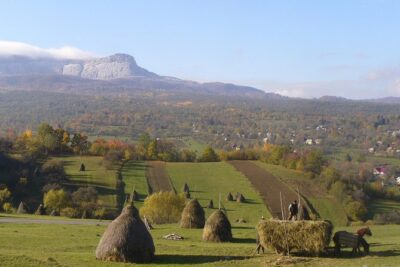 ★ 5.0The Best of Maramures in One DayFrom $15616 reviews
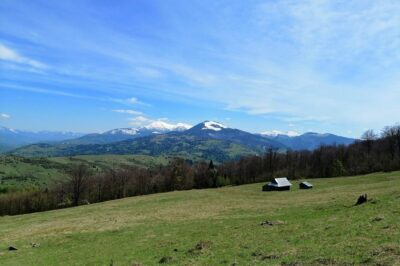 ★ 5.0Maramures in a nutshellFrom $18013 reviews
 ★ 5.0Two days tour to Maramures: local experiences and cultureFrom $6859 reviews
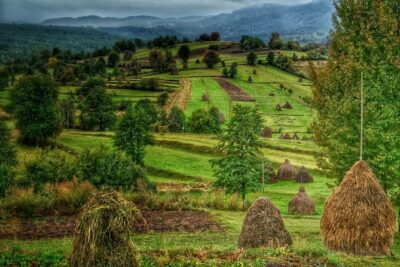 ★ 5.0A Journey Back in Time: Countryside from Transylvania and Maramures – 15 DaysFrom $4,5857 reviews
 ★ 5.0Your rendez-vous with Europe’s past: time-travel to Maramures, TransylvaniaFrom $2,1856 reviews
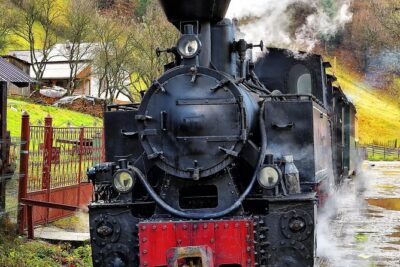 ★ 5.0Maramures Activ TourFrom $1,0726 reviews
Browse the lists this tour appears in