
REVIEW · BUCOVINA
Bucovina Painted Monasteries & Transylvania Tour: 4-Day Private
If you like church art and medieval streets, this trip hits hard in the best way. You’ll spend three days focused on Romania’s painted monasteries in Bucovina, then switch gears to Transylvania’s Saxon heritage, UNESCO old towns, and two major landmarks at the end.
I especially like the private transport and the one-on-one way the guide can pace each stop, so you get time for details instead of feeling rushed. You’ll also benefit from included entrance tickets at most monastery visits, which cuts down on the day-to-day hassle.
One possible drawback: a few big entries are not included, including key sites on Day 3 and Day 4. Plan for extra cash and expect some indoor rules for photos.
In This Review
- Key Highlights You’ll Feel in Every Day
- Private Transport and a One-on-One Guide, That Actually Matters
- What “efficient” Driving Looks Like on This Route
- Day 1 in Neamt County: Agapia and Văratec’s Living Icon Wall
- Agapia Monastery, Painted for the Big Moments
- Văratec Monastery, The Larger Sister
- A Day 1 Reality Check
- Day 2 Painted Churches of Bucovina: Sucevița, Moldovița, and Voroneț
- Sucevița Monastery, Where Byzantine and Gothic Meet
- Moldovița Monastery, Built as a Barrier
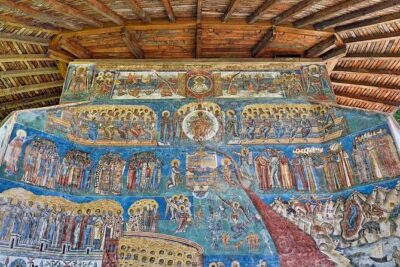
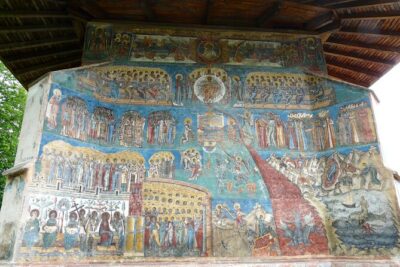
- Voroneț Monastery, The Famous Voroneț Blue
- A Subtle Tip for Day 2
- Day 3 Transylvanian Saxon Cities: Sighișoara, Viscri, and Brașov
- Sighișoara Old Town, UNESCO Walled Citadel Vibes
- Viscri Fortified Church, A Saxon Survival Story
- Brașov Historical Center, Trade Routes and the Anthem Connection
- Day 4 Gothic and Royal Romania: Black Church and Peleș Castle
- Black Church, Gothic Scale and Lutheran Significance
- Peleș Castle, Royal Summer Residence in Neo-Renaissance Style
- Entrance Fees, Photo Rules, and Modest Dress Tips
- Photo Etiquette: Bring Small Cash Just in Case
- Dress for Monastery Grounds
- Price and Value: What $1,356.43 Per Person Buys You
- How Much Physical Effort You’ll Need
- Who This Tour Fits Best
- Should You Book This Private Bucovina and Transylvania Tour?
- FAQ
- What is the duration of the tour?
- Where does the tour start and end?
- Does the tour include hotel pickup?
- Are the guides available in English?
- Are entrance fees included?
- How many breakfasts are included?
- What does the lodging include?
- Is there any refund if weather is bad?
- Can I cancel and get a full refund?
Key Highlights You’ll Feel in Every Day
- Agapia and Văratec: major nunneries, with famous fresco work tied to Romanian artist Nicolae Grigorescu
- Sucevița, Moldovița, and Voroneț: murals that let you compare styles and eras in real time
- UNESCO stops: the fortified church at Viscri and the medieval citadel of Sighișoara
- Brasov plus Saxon context: a city stop that explains trade routes and local identity
- Black Church and Peleș Castle: Gothic worship plus royal architecture in the Carpathians
- Private guiding: a one-on-one approach that helps you understand what you are seeing
Private Transport and a One-on-One Guide, That Actually Matters
A private tour is only worth it if the logistics are smooth. Here, you get hotel pickup in Bucharest and private driving between stops, which means less time wrestling with schedules and more time focusing on the places themselves.
The biggest payoff is the guide. When you travel with one person who can answer questions as you go, you stop treating monasteries like background scenery. You start reading them. You notice the paint style, the icon choices, the way biblical scenes are arranged, and how architecture signals the era.
In the reviews, the guides get praised for being calm, professional, and thorough. I’d treat that as a serious plus for a trip like this, because the route is packed with art, symbolism, and a lot of driving days. A good guide helps you pace your attention so you don’t burn out by afternoon.
What “efficient” Driving Looks Like on This Route
You’re not doing sketchy side trips. The itinerary is built around major fixed sites, with comfortable private transport between them. Expect long-ish travel stretches at times, especially toward the Bucovina monasteries, but the plan is consistent: arrive, see the key fresco areas, then move on.
If you tend to get car-sore, ask the provider in advance if they can accommodate a pace change for you. Even with a private tour, your comfort affects how much you can enjoy each stop.
Deeper into Transylvania
Day 1 in Neamt County: Agapia and Văratec’s Living Icon Wall
Day 1 is a gentle start, but not a soft one. You head to two Romanian Orthodox nunneries that are famous not just for beauty, but for scale and presence in daily religious life.
Agapia Monastery, Painted for the Big Moments
Agapia Monastery sits about 9 km west of Târgu Neamț, in the commune of Agapia, Neamț County. It was built between 1641 and 1643 by hetman Gavriil Coci, tied to the era of Vasile Lupu. That sets the tone: this is not a random stop, it is part of Moldavian history.
Here’s what makes Agapia special for your visit:
- The church was restored and modified over time.
- The major fresco work was painted by Nicolae Grigorescu from 1858 to 1861.
- Agapia is described as one of Romania’s largest nunneries, with around 300 to 400 nuns.
That last point matters. When you visit a monastery that is still a functioning community at that scale, you get less of a “museum vibe” and more of a sense of rhythm and devotion. If you’re curious about Orthodox practice and symbolism, Agapia helps you connect art to living belief.
Văratec Monastery, The Larger Sister
Then you go to Văratec Monastery, located in Văratec village, in the Agapia commune area. It’s the largest nun monastery in Romania, with more than 400 nuns living here.
In practice, this means you’ll feel the difference right away. The art is impressive, but the human scale of the place changes the atmosphere. The time on site is around one hour, so this is a “hit the highlights” stop. If you are the kind of traveler who likes to linger, you’ll want to do your photo and detail viewing early, when energy is still high.
A Day 1 Reality Check
Your Day 1 experience is more about architecture plus fresco atmosphere than “deep technical church history.” It’s a smart setup. It gets you ready for the more famous painted church spectacle that comes next.
The painted walls, other itineraries
Day 2 Painted Churches of Bucovina: Sucevița, Moldovița, and Voroneț
If Day 1 is the warm-up, Day 2 is where you really start comparing. These monasteries are famous for mural painting, and the cool part is how the guide helps you see differences in style and era, not just admire the walls.
Sucevița Monastery, Where Byzantine and Gothic Meet
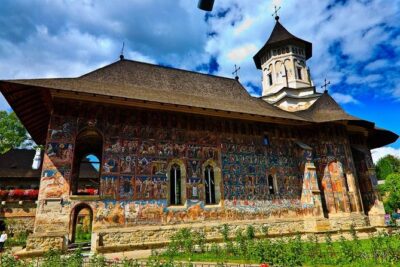
Sucevița Monastery is known for church decoration that blends multiple influences. The architecture of the church includes Byzantine and Gothic elements, plus features tied to other painted churches of northern Moldavia.
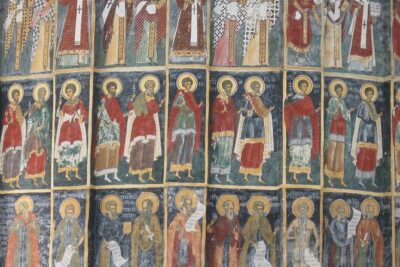
Then there’s the murals. Both the exterior and interior walls are covered with mural paintings, and they depict biblical episodes from the Old and New Testament. That matters because it turns your visit into a visual Bible lesson. If you like when art tells a story, you’ll love this stop.
You’ll likely get around two hours here, which is just enough time to see how the outside images relate to what’s inside.
Moldovița Monastery, Built as a Barrier
Moldovița Monastery is located in Vatra Moldoviței, in Suceava County. It was built in 1532 by Petru Rareș, described here as the illegitimate son of Stephen III of Moldavia.
The story behind the monastery is gripping. It was founded as a protective barrier against Ottoman conquerors from the East. So you’re not only seeing art. You’re standing in a place built for survival, and later decorated with faith-based symbolism.
This also gives you a better lens for what you see. When you learn a site was tied to protection and defense, the walls feel heavier, like they carried meaning beyond beauty.
Voroneț Monastery, The Famous Voroneț Blue
By far, Voroneț is the best-known stop of the three. It’s in the village of Voroneț, now part of Gura Humorului. It was constructed by Stephen the Great in 1488, and the pace of construction is part of the legend, built over three months and three weeks to commemorate the victory at the Battle of Vaslui.
Voroneț is often called the Sistine Chapel of the East, mainly because of the frescoes and the signature color called Voroneț blue. If you’re a photo person, you’ll want to take your time here. If you’re not, still do it. That blue tone is a major part of why the site earned its reputation.
You’ll have about two hours at Voroneț, which is perfect because it’s easy to get stuck staring at details. The trick is to balance looking up with looking across panels, so you see the whole composition.
A Subtle Tip for Day 2
Try to keep a simple mental rhythm: one minute for the big color effect, then slow down for facial expressions, then step back for the full wall layout. It prevents “stare fatigue.”
Day 3 Transylvanian Saxon Cities: Sighișoara, Viscri, and Brașov
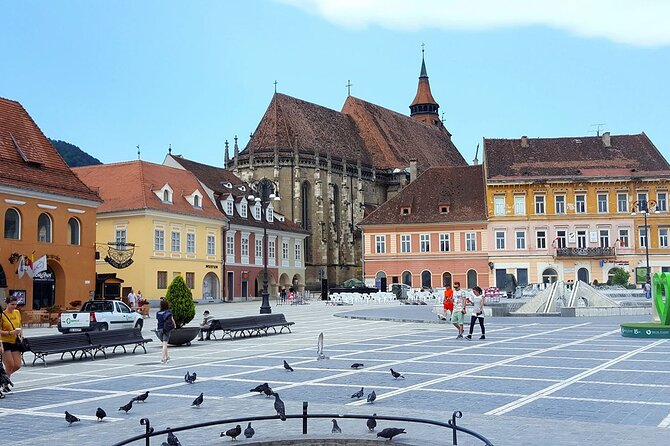
Day 3 shifts you away from monastery murals and into fortified towns and Saxon heritage. This is where the trip becomes more about geography, trade, and community identity.
Sighișoara Old Town, UNESCO Walled Citadel Vibes
You start at the Centrul Istoric Sighișoara. This is the medieval citadel, a UNESCO World Heritage Site, famous for its well-preserved walled old town.
The value here is that it gives you a real medieval setting to anchor what you learned about the region. Sighișoara also helps you understand why Transylvania’s Saxon communities mattered: they built strong towns, protected them, and used them as hubs.
Time on site is about two hours, so plan for a walking pace that lets you enjoy streets, not just take photos.
Viscri Fortified Church, A Saxon Survival Story
Next is Viscri Fortified Church, also UNESCO-listed. This is a well-preserved Saxon fortified church, offering a window into medieval architecture and local history.
This stop is shorter at around one hour, which is fine because the key value is seeing the fortified structure and understanding why churches doubled as protection. If you only do one “less busy” site on Day 3, Viscri is a strong choice.
Brașov Historical Center, Trade Routes and the Anthem Connection
Then you reach Brașov Historical Center, a major city stop and the regional capital for Transylvanian Saxons in the Burzenland area in the past. It’s also described as a large commercial hub on trade roads between East and West.
And there’s a national culture hook here: Brașov is listed as the birthplace of Romania’s national anthem.
With around two hours scheduled, you’ll probably get a clear overview rather than a deep study. Still, the context helps. When you understand the trade route role, the city layout makes more sense, and you stop seeing it as just buildings and start seeing it as a crossroads.
Day 4 Gothic and Royal Romania: Black Church and Peleș Castle
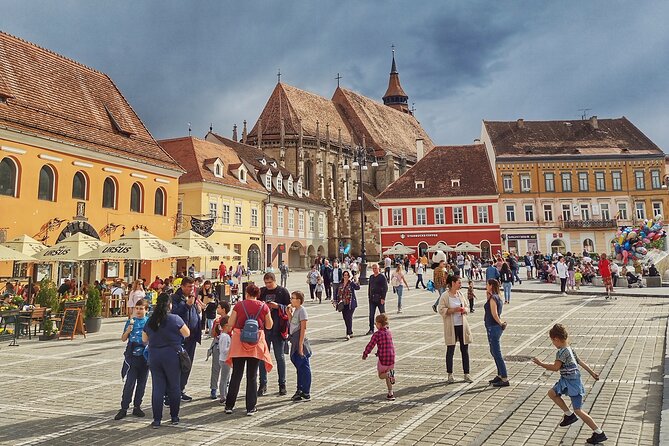
Day 4 is two big landmark hits that broaden the trip. You move from Saxon and medieval church context into two major symbols: Lutheran Gothic worship and a royal palace in the Carpathians.
Black Church, Gothic Scale and Lutheran Significance
The Black Church is built by the German community of the city and is the main Gothic style monument in Romania, plus one of the most important Lutheran places of worship in the region.
Admission here is not included, so you’ll decide based on your interests. If you enjoy church architecture, stained glass, or the story of religious communities in Transylvania, this can be a strong “must do” stop.
Peleș Castle, Royal Summer Residence in Neo-Renaissance Style
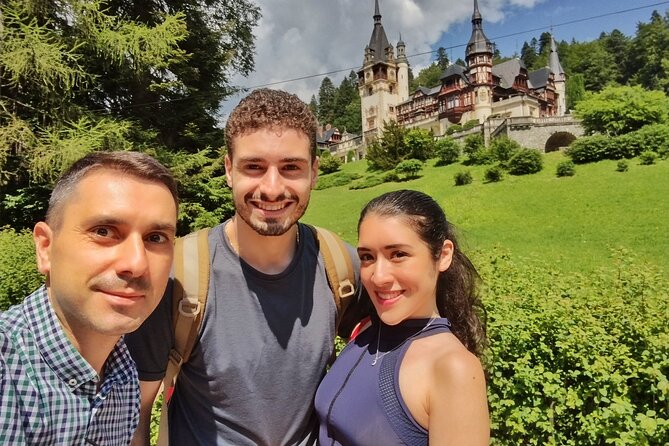
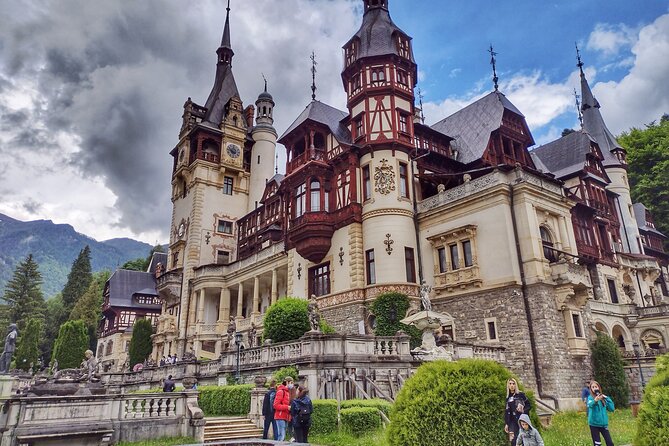
Then you get Peleș Castle, the summer royal residence near Sinaia in Prahova County. It’s described as a Neo-Renaissance castle built between 1873 and 1914 for King Carol I, with an inauguration in 1883.
Admission is not included at this stop either, so again, plan ahead. If you like craftsmanship, historical interiors, or the sense of how European royalty lived, Peleș is often the kind of place where the photos look even better because you can actually see details up close.
You’ll likely have around one hour. At Peleș, hour-long visits can still work, but you need a priority mindset: choose one or two interior areas to focus on so the time doesn’t vanish.
Entrance Fees, Photo Rules, and Modest Dress Tips
This tour includes entrance tickets for most stops, but not everything. Based on the site list, tickets are included for the monastery visits on Days 1 and 2, and for Sighișoara and Brașov. Not included: Viscri Fortified Church, Black Church, and Peleș Castle.
Your provider notes ticket prices for inside visits can run around EUR 25 to 30 per person. So even though many entries are covered, budget for the three excluded stops and any optional add-ons you decide on.
Photo Etiquette: Bring Small Cash Just in Case
Some monasteries enforce photo rules. One practical detail from a prior visitor: a 10 Lei receipt was required to take outside photos at a monastery, while inside photos were not allowed. You should treat this as a reminder to:
- keep a bit of local cash for small fees
- be ready for indoor no-photo rules
- follow staff instructions quickly so you do not lose time
Dress for Monastery Grounds
For Orthodox sites, modest dress matters. A visitor noted that even when a head covering was not requested, trousers or a long skirt were required to access the grounds. So pack something comfortable that meets that standard.
If you forget, you might be able to adjust on arrival, but it’s safer to come prepared.
Price and Value: What $1,356.43 Per Person Buys You
The listed price is $1,356.43 per person for about four days in a private format. Here’s the real value breakdown, based on what’s included:
- 3 nights in 3-star hotels
- Hotel pickup and drop-off in Bucharest
- Private tour with one-on-one guiding
- Breakfast included for 3 days
- Entrance fees included for many listed visits
What this means in plain terms: you’re paying for time, planning, and execution. The route is long enough that having private transport and a guide is not just a luxury, it is what keeps your schedule from turning into chaos.
Where the value can slip a little is the extra-entry reality. You still need to pay for a few major indoor visits. But that’s common for heritage tours, and the good news is you can plan for it now instead of guessing later.
If you’re traveling with a companion and splitting expenses within your group, the private format can feel more reasonable. If you’re solo, it will always feel like a bigger commitment, but the one-on-one guiding and the driving time are the core of why this costs what it costs.
How Much Physical Effort You’ll Need
The provider says this tour is suitable for moderate physical fitness.
You’re not doing marathon hiking, but you should be ready for:
- walking in old towns with uneven surfaces
- standing and looking around for extended fresco viewing
- driving days where you’ll want to stretch
Each stop is scheduled for about one to two hours, so you’ll get breaks, but you also won’t be sitting the whole day.
If you have knee issues or you tire quickly, mention it up front. A good guide can shift how long you spend in each room or photo spot, while still hitting the key experiences.
Who This Tour Fits Best
This itinerary is built for travelers who like:
- painted religious art with readable symbolism
- medieval towns and the way communities formed in Transylvania
- a structured route without constant schedule stress
It’s also a strong match if you want explanation, not just sightseeing. The reviews strongly emphasize guides who can translate art and history into something you can actually understand while you’re standing in front of it.
If you are a pure beach or nightlife traveler, you may find it art-heavy. But if you like quiet places, big visuals, and clear context, you’ll likely feel satisfied by the end.
Should You Book This Private Bucovina and Transylvania Tour?
If your checklist includes painted monasteries, UNESCO sites, and major cultural landmarks with minimal hassle, I think this is a good booking. The private driving and one-on-one guide support the kind of attention that makes the monasteries more meaningful than just “pretty walls.”
Before you click confirm, check these quick items:
- Are you okay paying extra for Viscri, Black Church, and Peleș indoor visits?
- Can you dress modestly for monastery grounds, and handle possible photo rules?
- Do you want a multi-day route that mixes art, town walks, and architecture instead of one single focus?
If the answer is yes, you’ll get a very practical Romania sampler that goes beyond postcard stops.
FAQ
What is the duration of the tour?
The tour runs for about 4 days.
Where does the tour start and end?
It starts in Bucharest, Romania, and ends back in Bucharest.
Does the tour include hotel pickup?
Yes. Pickup in Bucharest can be arranged, including pickup anywhere in Bucharest.
Are the guides available in English?
Yes, the tour is offered in English.
Are entrance fees included?
Entrance tickets are included for many listed visits. Entrance fees are not included for some stops, and inside visits may require tickets that can be purchased on the spot.
How many breakfasts are included?
Breakfast is included for 3 days.
What does the lodging include?
The tour includes 3 nights in 3-star hotels.
Is there any refund if weather is bad?
The experience requires good weather. If canceled due to poor weather, you’ll be offered a different date or a full refund.
Can I cancel and get a full refund?
You can cancel up to 6 days in advance for a full refund, following the local cut-off time rules.
More Monasteries And Churches
- Princely Court of Târgoviște and Curtea de Argeș Monastery
★ 4.5 · 50 reviews - Small Group Tour to Mogosoaia Palace & Snagov Monastery
★ 4.4 · 41 reviews - Sacred Monasteries Private Tour: Snagov, Țigănești & Căldărușani
★ 5.0 · 32 reviews - Private Half Day Trip to Snagov Monastery & Mogosoaia
★ 4.1 · 29 reviews - Hike to Poenari Fortress, Vidraru Dam, Argeș Monastery – Private
★ 5.0 · 26 reviews
The Painted Walls Of Bucovina
- 11-Day Romania Tour from Bucharest with Transylvania & Bucovina
★ 5.0 · 6 reviews - 6 Days Transylvania and Bukovina Small Group Tour from Bucharest
★ 4.5 · 3 reviews - Transylvania & Bucovina Private Tour – 6 days
★ 5.0 · 3 reviews
More Of Transylvania
- Transylvania and Dracula Castle Full Day Tour from Bucharest
★ 4.5 · 1,589 reviews - Castles of Transylvania: Private Day Trip from Bucharest
★ 4.5 · 248 reviews - 2-Day Medieval Transylvania with Brasov,Sibiu and Sighisoara Tour from Bucharest
★ 4.5 · 145 reviews - 2-Day Transylvania from Bucharest: Brasov, Bran, Sighisoara
★ 5.0 · 60 reviews - Transylvania: Cultural Full-Day Trip by Minivan
★ 4.8 · 57 reviews
Recently added around Bucharest
- Private Tasting Expedition Along Romania’s Most Famous Wine Route★ 5.0 · 3 reviews
- Private Guided Tour of Peles Castle and Bran Castle from Bucharest★ 5.0 · 3 reviews
- Private Sightseeing Tour of Bucharest★ 4.5 · 3 reviews
- Discover Europe’s Deepest Mines & Peles Castle’s Royal Charm★ 5.0 · 3 reviews
- Bucharest City Tour and Wine Tasting★ 5.0 · 3 reviews
Bucovina Painted Monastery Tours, compared.
 ★ 5.0Bucovina Painted Monasteries Day TourFrom $10283 reviews
 ★ 5.01-Day Bucovina Painted Monasteries tour from Suceava – EnglishFrom $14033 reviews
 ★ 5.0Day trip from Iasi to the UNESCO Painted Monasteries in BucovinaFrom $24426 reviews
 ★ 5.0Half Day Tour to Bucovina Painted MonasteriesFrom $596 reviews
 ★ 5.011-Day Romania Tour from Bucharest with Transylvania & BucovinaFrom $2,3676 reviews
 ★ 4.56 Days Transylvania and Bukovina Small Group Tour from BucharestFrom $1,1633 reviews
 ★ 5.0Transylvania & Bucovina Private Tour – 6 daysFrom $1,4193 reviews
 ★ 5.0Two days tour to Bucovina & UNESCO Painted MonasteriesFrom $6963 reviews
Browse the lists this tour appears in