
REVIEW · FOOD & DRINK
Private Bucharest: History & Food with Traditional Meal
Bucharest gets real when the stories come with food. This private history and food tour connects Revolution Square, Old Town, and the People’s Palace to how Romania cooks today. I love that it’s private, so the pacing feels right from stop to stop, and I love the included traditional three-course meal that actually seals the deal. One possible drawback: the food is mostly delivered as a proper meal at the end, so if you’re chasing lots of small tastings throughout the walk, you may want to keep expectations a bit lower.
The walk makes sense for a first visit. You start in the political heart of the city, get an easy city intro, then move through interwar architecture and medieval Old Town influences that you can taste at a traditional hanu. Just note this is still a 4-hour walking tour, so comfy shoes matter, even though the pace is tour-leader friendly.
In This Review
- Key highlights worth showing up for
- Revolution Square, covrig in hand: why this start matters
- Victory Street and Kretzulescu: interwar Bucharest, explained in 4 ingredients
- Old Town as a food passport: Ottoman, Russian, Balkan, Austro-Hungarian
- People’s Palace: seeing Ceausescu’s shadow in real scale
- Traditional meal at a Bucharest hanu: the best part is what you connect to the walk
- Carbon neutral and private: who this tour fits best
- Price and value: is $140 per person worth it
- Should you book this private Bucharest history and food tour?
- FAQ
- Where is the meeting point?
- How long is the tour?
- Is the tour private?
- What language is the guide?
- What food and drinks are included?
- Is the tour carbon neutral?
- Is this tour good for families?
- What should I wear?
- What if I need to cancel?
- Is there extra spending during the tour?
Key highlights worth showing up for
- Revolution Square + Carol I meeting point: the political center of Bucharest, before you move into the old streets
- Victory Street and interwar landmarks: a fast 101 that explains why architecture looks the way it does
- Old Town flavor map: you connect Ottoman, Russian, Balkan, and Austro-Hungarian influences to dishes like sarmale and schnitzel
- People’s Palace on the horizon: Ceausescu’s oversized vision, explained in plain terms
- Traditional meal at a beautiful hanu: three courses, plus house beer or wine or a soft drink
- Carbon neutral tour with an eco-certified operator: a values-first approach without killing the fun
Revolution Square, covrig in hand: why this start matters
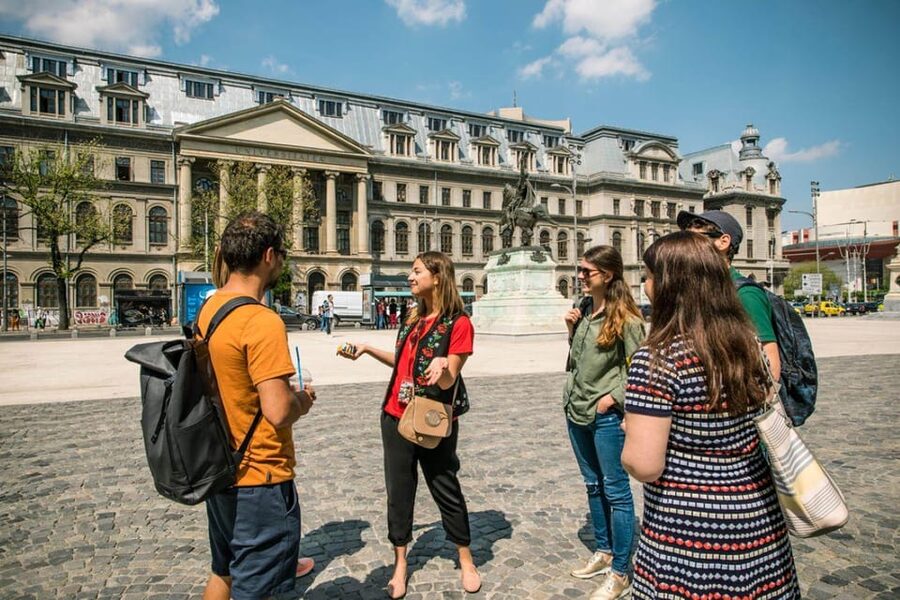
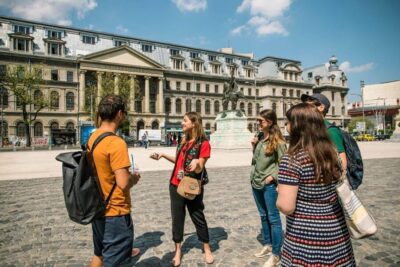
I like tours that teach you how to see a city, not just where to walk. This one starts where Bucharest’s modern turning points happened: the political core around Revolution Square. You meet at the Equestrian Statue of Carol I, then your guide leads you into an area packed with meaning, including the former Royal Palace, the Athenaeum concert hall, and Athenee Palace, tied to interwar-era espionage and intrigue.
The big story here is Romania’s shift from dictatorship to revolution. In 1989, Nicolae Ceaușescu delivered a rallying speech from this zone, and the crowd turned against him. Even if you only know the headline version, the guide’s job is to make you understand why this square became a hinge point. The square is the kind of place where you start noticing cause and effect: governments shape streets, streets shape daily life, and daily life shows up in food.
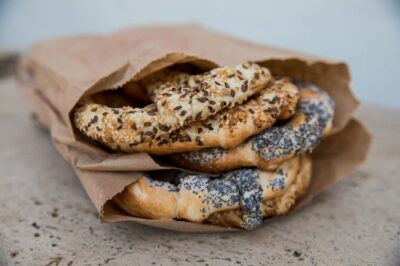
Then you get your first snack. Most Romanians start the day (or refuel mid-day) with a covrig, a salty bread-like snack. The tour frames it as a daily ritual with roots connected to medieval merchants, likely Hapsburg or German influence. It’s a small moment, but it does two things well: it gives you fuel while you walk, and it sets up the tour’s main theme, Romania’s cuisine has layers.
What I like is how the early stops are short enough to stay upbeat. You’re not stuck in a lecture. You’re moving, looking up at buildings, and hearing why each one got its look.
Victory Street and Kretzulescu: interwar Bucharest, explained in 4 ingredients
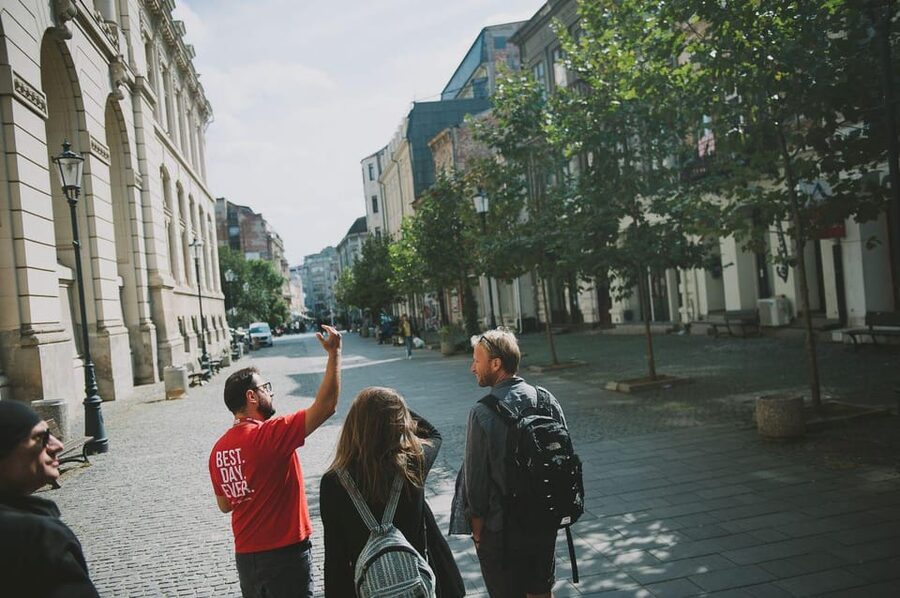
After Revolution Square, you head south along Victory Street. The name matters. It honors the Romanian nation’s victory in the 1871 War of Independence, but the tour also points out that the full unification of the three Romanian principalities didn’t happen until 1918. That little timeline gives you a way to understand why the city developed in distinct phases, and why regional identity still shows up today.
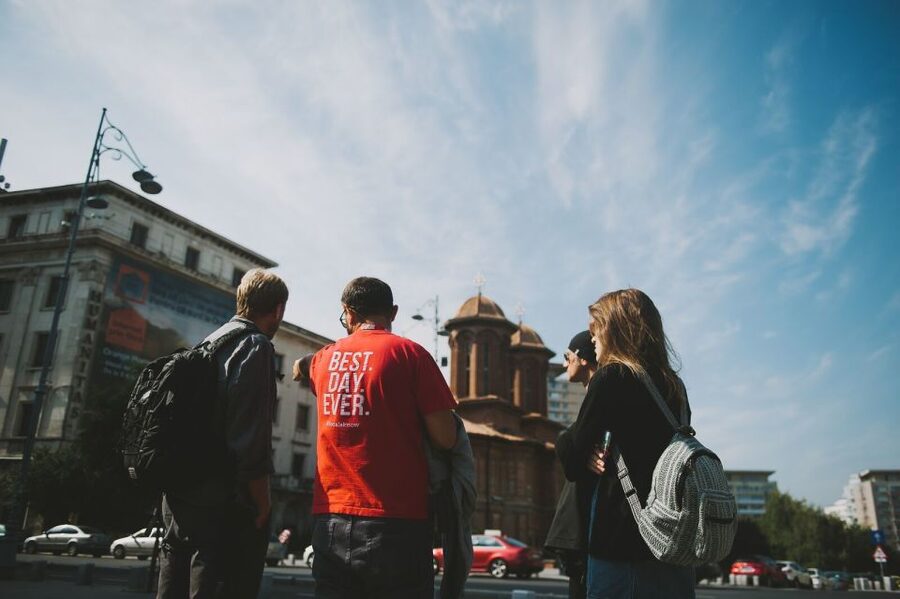
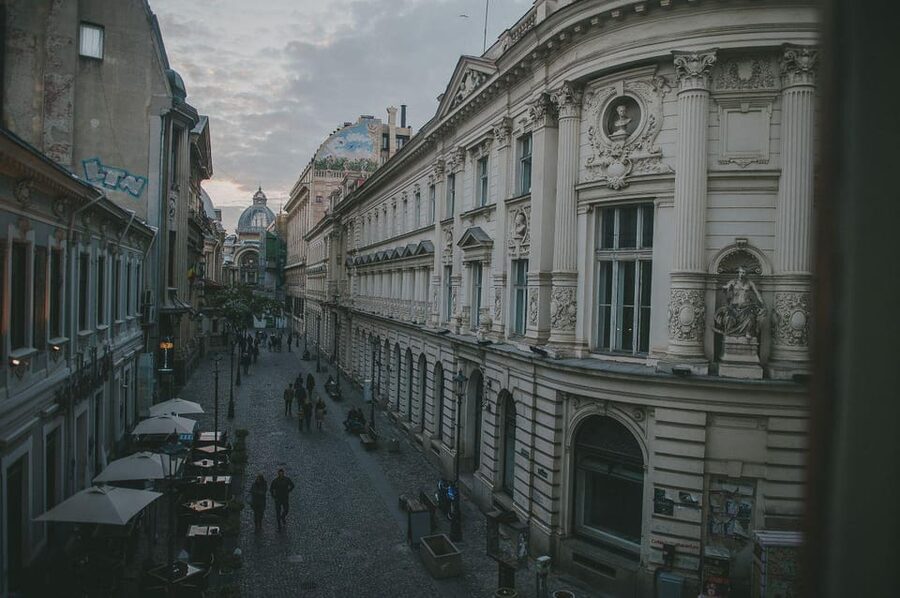
Here’s where the tour turns history into something you can picture. Your guide links Bucharest’s evolution to the look of the interwar city, pointing out landmarks such as the Telephone Palace, the Military Circle, and the former National Theatre. You also stop by the church of Kretzulescu, one of Bucharest’s best-known churches. It’s the kind of stop that helps you see how faith and politics sat side by side in the city’s public imagination.
One of the tour’s best teaching tricks is the “flavor geography” idea. The guide explains how Romanian regions have distinct culinary styles, such as sweet leaning for Moldova, earthy flavors for Transylvania, and spicy tendencies for Muntenia. You don’t just hear the words. You’re trained to listen for them again when food stories show up later, especially during the Old Town section.
If you’re the type who loves architecture, this part works. Even without getting technical, you’ll start noticing different styles and foreign imprints. If you’re not, it still helps because it makes the city’s layout feel less random.
Eat your way further into Bucharest
Old Town as a food passport: Ottoman, Russian, Balkan, Austro-Hungarian

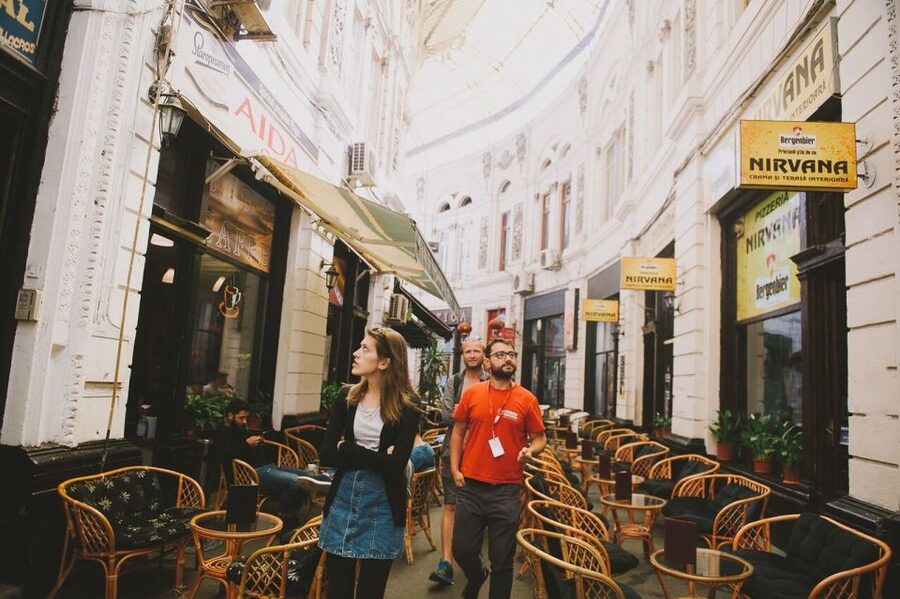
Then you shift into older Bucharest, where narrow paths and passageways take over. This is Old Town, and it’s presented as more than scenery. The guide frames it as a literal crossroads between East and West, the place where Ottoman power overlapped with Transylvanian courts. You can picture pashas rubbing shoulders with princes, and churches and mosques existing side by side.
This is where the tour becomes genuinely useful for food lovers. The guide connects food influences you can name to dishes you can order later. You’ll hear about mici, the Balkan-style skinless sausages, and sarmale, Ottoman-influenced stuffed cabbage leaves. You also get the Russian side through soups like borscht and sour soups such as ciorba. And if you’ve ever had schnitzel in Central Europe, the connection to Austro-Hungarian influence is made explicit, with schnitzel as the example.
That matters because it helps you avoid the trap of thinking Romanian food is one single thing. It’s more like a map with multiple hands on the compass.
The stop highlights here include the Hanul Lui Manuc, a famous wooden inn, plus moments that point out lavish interiors and princely courts and the calm of an orthodox monastery. Even if you only spend limited time in Old Town on your trip, this portion helps you understand why Bucharest feels distinct from other Romanian cities. Bucharest’s story is less about one single tradition and more about constant mixing.
Practical note: Old Town is a walking neighborhood. Expect uneven spots and lots of turns. If you like taking photos, you’ll get chances, but keep an eye on where you step.
People’s Palace: seeing Ceausescu’s shadow in real scale
Next comes a stop that many visitors only recognize from photos. You get a look at the People’s Palace, tied to Ceaușescu’s plan to remake the city. The tour emphasizes scale, calling it the second largest building in the world, with only the Pentagon larger.
Standing near or viewing the palace area works because it puts a moral and political story into physical form. It’s not just history trivia. It’s a lesson in how power can reshape a capital, often at human cost, and how that reshaping creates long-term city identity. Even if you didn’t grow up reading Romanian politics, you’ll leave with a clearer sense of why this building dominates the modern skyline and conversations.
This section also helps you make sense of why Bucharest feels both grand and bruised. The tour doesn’t pretend the city is only charming. It shows why the modern capital has its contradictions.
Traditional meal at a Bucharest hanu: the best part is what you connect to the walk
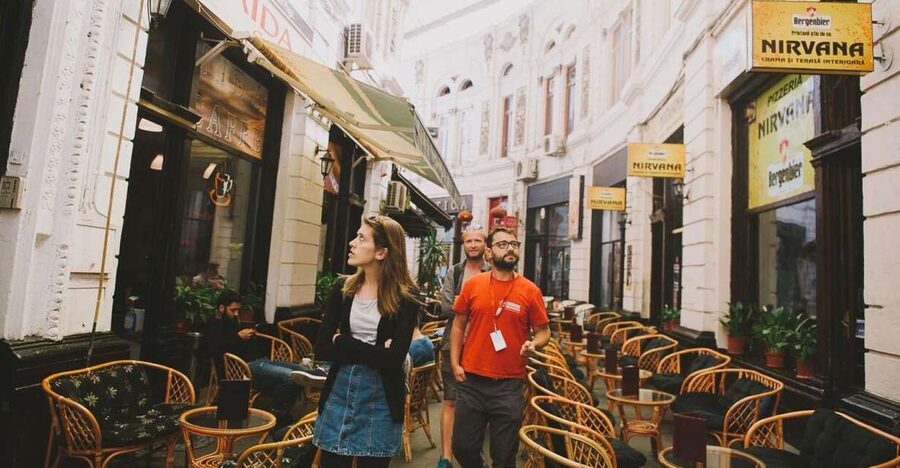
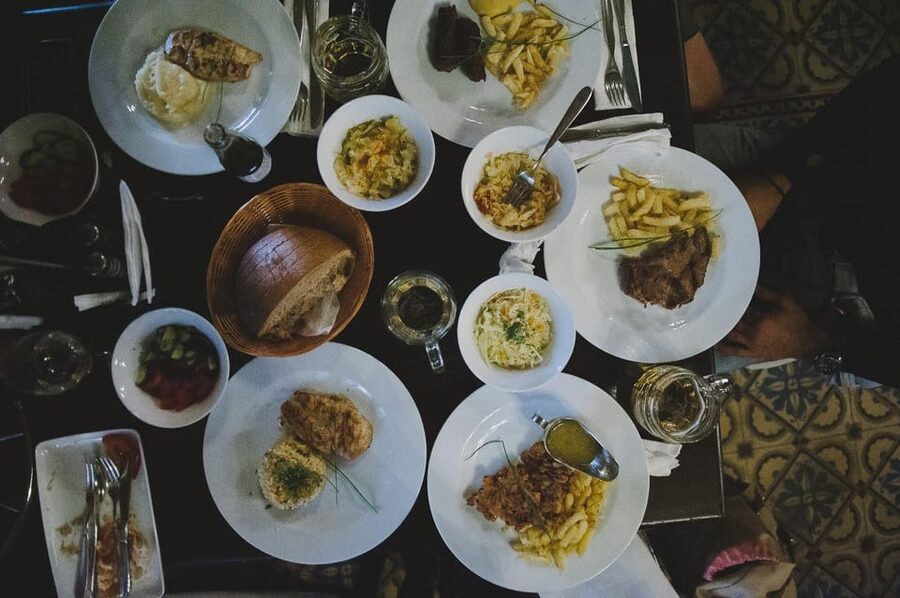
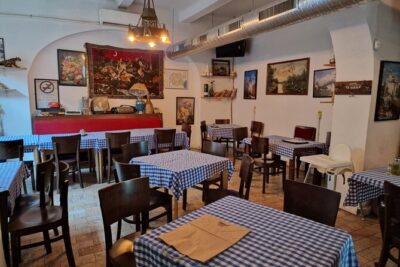
You finish at a traditional hanu, often described as one of Bucharest’s most beautiful inns. The format is a three-course Romanian meal, with platters of local delicacies that act like a final tasting chapter of your history lessons.
This is where your earlier mental map pays off. When you hear about Ottoman, Russian, Balkan, and Austro-Hungarian influence on the walk, you can test that knowledge with what you eat later. The tour doesn’t treat food as an afterthought. It uses the meal to reinforce the idea that Romanian cuisine grew in dialogue with the city’s shifting rulers and neighboring influences.
You also get a drink included: house beer or wine or a soft drink. Since beer and wine are part of the cultural story too, it fits nicely that the tour mentions an old Dacian legend, that wine production was banned and beer became the workaround. You might not taste beer because you choose it, but the point is clear: the guide gives you a local reference, then lets you enjoy it with your meal.
If you’re worried about food variety, the meal is the main event. One review note that popped up for me as I weigh expectations: the written description can feel like it includes more small snack samples during the walk than what every group ends up receiving. The three-course meal at the end is still a strong payoff, and it’s the part the tour is built around.
Carbon neutral and private: who this tour fits best
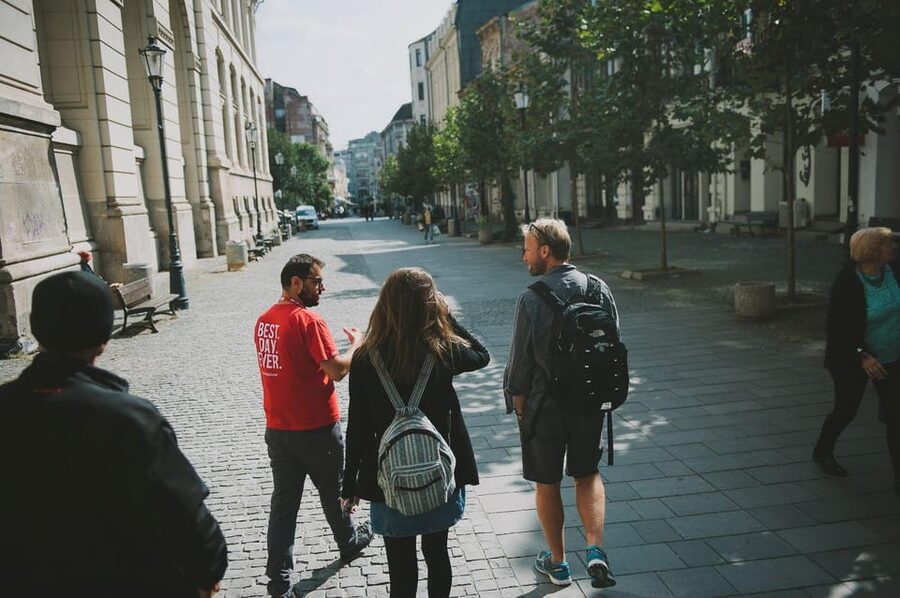
This is a private group experience led by a local English-speaking guide. That matters more than you might think, especially in a city like Bucharest where the stories are specific and the architecture can be easy to misread if you do it alone. With a private format, you can ask questions on the spot, and the guide can adjust pace if you’re moving slower for photos or taking time to rest.
It’s also carbon neutral, organized and led by an eco-certified tour operator. If you care about travel impact, you get a tour that tries to do better without turning the day into a lecture.
This tour is especially well-suited for:
- Your first day in Bucharest when you want orientation plus history
- Food-first travelers who still enjoy context, not just recipes
- Families, since it’s described as child-friendly, and a guide who is patient can make a big difference
- Couples and small groups who prefer a quieter, more flexible format than big groups
One more detail I appreciate: casual clothing is all you need. It’s not a museum formal-wear situation. Just wear what you can move in.
More Bucharest plates we cleared
Price and value: is $140 per person worth it
At $140 per person for 4 hours, the price looks steep at first glance. The value comes from what’s included, though. You’re paying for a private English-speaking guide, structured walking time across key historical zones, and an actual traditional three-course meal plus a drink.
Here’s the honest math of value:
- If you’d otherwise pay for a guide plus a sit-down Romanian lunch, you’ll likely spend close to this anyway.
- Because the meal is included, you’re not turning it into a budget surprise at the end.
- The private format can reduce wasted time. In a city tour, that can be worth a lot. It means you spend time seeing and understanding, not trying to guess what’s worth it.
So if you’re the kind of traveler who likes to learn while you eat, this price can make sense. If you’re only after lots of snack-size bites during the walk, you may feel the value is more meal-centered than tasting-centered.
Should you book this private Bucharest history and food tour?

Yes, with one clear condition: book it if you want a guided city story that connects to what you eat.
You should book if:
- You’re visiting Bucharest for the first time and want a 101 that still feels specific
- You care about how Ottoman, Russian, Balkan, and Austro-Hungarian influences show up in Romanian dishes
- You want a traditional hanu meal as part of the experience, not as a separate search mission
- You prefer a private pace, especially if you’re traveling with kids
You might skip it if:
- You want a snack crawl with lots of small tastes spread throughout the walk
- You dislike walking tours built around major squares and neighborhoods
If you’re in the sweet spot, I think this tour is a smart way to spend your time. You get history you can picture, architecture you can read, and food that confirms the story instead of just serving as a finale.
FAQ
Where is the meeting point?
You meet at the Equestrian Statue of Carol I, Sector 1, Bucharest 030167, Romania.
How long is the tour?
The tour lasts 4 hours.
Is the tour private?
Yes, it’s a private group tour.
What language is the guide?
The guide speaks English.
What food and drinks are included?
The tour includes a three-course Romanian meal, plus house beer or wine or a soft drink.
Is the tour carbon neutral?
Yes. The tour is carbon neutral, organized and led by an eco-certified tour operator.
Is this tour good for families?
It’s described as child-friendly. Children under 6 join free of charge, and you should inform the supplier when booking if you’ll bring a child under 6.
What should I wear?
Casual clothing is recommended.
What if I need to cancel?
Free cancellation is offered up to 24 hours in advance for a full refund.
Is there extra spending during the tour?
Additional food and drink, plus souvenirs and personal items, are not included.
More Bucharest Plates We Cleared
- Taste Bucharest: A Food Lover’s Tour of Markets & Neighbourhoods
★ 5.0 · 689 reviews - Street Food’n’Culture Tour
★ 5.0 · 209 reviews - Discover Bucharest: Private Highlights and Traditional Food Tour
★ 5.0 · 86 reviews - Bucharest: Romanian Wine and Food Pairing Experience
★ 4.0 · 23 reviews - Cooking Class traditional food
★ 5.0 · 22 reviews
Eating Further Into Bucharest
- Taste Bucharest: A Food Lover’s Tour of Markets & Neighbourhoods
★ 5.0 · 689 reviews - Street Food’n’Culture Tour
★ 5.0 · 209 reviews - Wine Tasting in Bucharest
★ 5.0 · 183 reviews - Discover Bucharest: Private Highlights and Traditional Food Tour
★ 5.0 · 86 reviews - Bucharest Beer and Culture Tour with a Local
★ 5.0 · 47 reviews
Everything Else We Reviewed In Bucharest
- Bucharest: Dracula’s Castle, Peles Castle, & Brasov Old Town
★ 4.5 · 17,858 reviews - Bucharest: Dracula Castle, Peles Castle & Brasov Old Town
★ 4.6 · 10,891 reviews - Bucharest: Dracula’s Castle, Peleș Castle & Brașov Day Trip
★ 4.5 · 5,919 reviews - Bucharest: Palace of Parliament Tickets and Guide
★ 4.3 · 3,182 reviews - Bucharest: Day Trip to Dracula Castle, Peles Castle & Brașov
★ 4.4 · 3,049 reviews
Recently added around Bucharest
- Private Tasting Expedition Along Romania’s Most Famous Wine Route★ 5.0 · 3 reviews
- Private Guided Tour of Peles Castle and Bran Castle from Bucharest★ 5.0 · 3 reviews
- Private Sightseeing Tour of Bucharest★ 4.5 · 3 reviews
- Discover Europe’s Deepest Mines & Peles Castle’s Royal Charm★ 5.0 · 3 reviews
- Bucharest City Tour and Wine Tasting★ 5.0 · 3 reviews
Food & Drink, compared.
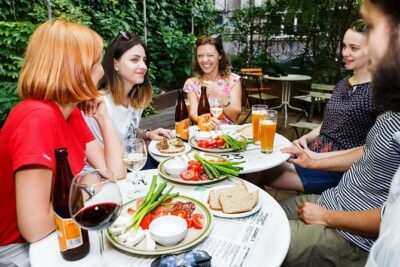 ★ 5.0Taste Bucharest: A Food Lover’s Tour of Markets & NeighbourhoodsFrom $102689 reviews
 ★ 5.0Street Food’n’Culture TourFrom $153209 reviews
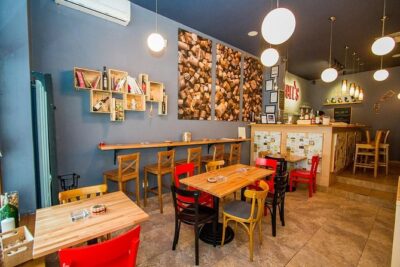 ★ 5.0Wine Tasting in BucharestFrom $59183 reviews
 ★ 5.0Discover Bucharest: Private Highlights and Traditional Food TourFrom $14386 reviews
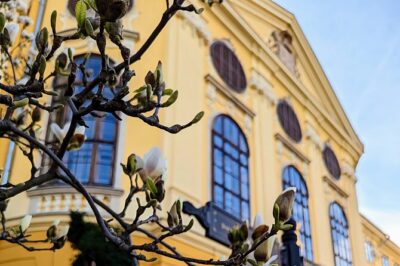 ★ 5.0Half-Day Private Food and Wine Walking Tour Oradea RomaniaFrom $9655 reviews
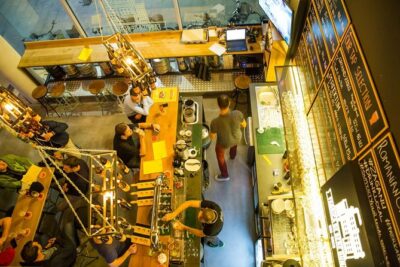 ★ 5.0Bucharest Beer and Culture Tour with a LocalFrom $11847 reviews
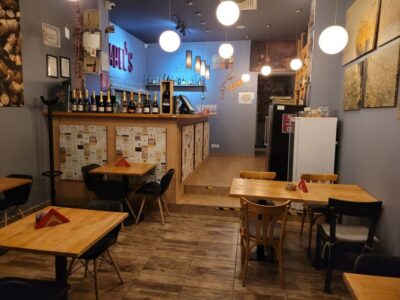 ★ 5.0Bucharest: Private Wine Tasting ExperienceFrom $6444 reviews
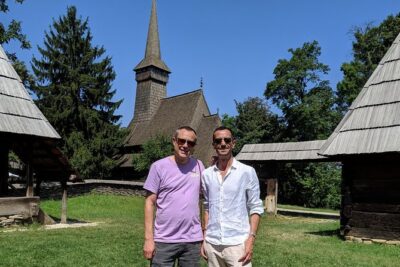 ★ 5.0Traditions in Bucharest: Village Museum and Wine Tasting TourFrom $14827 reviews
Browse the lists this tour appears in