
REVIEW · FOOD & DRINK
Cooking Class traditional food
Dinner gets made, twice.
This Romanian cooking class in Bucharest mixes a market run with hands-on cooking, so you’re not just watching food happen. I like that it’s private, so Dan and Patricia (and sometimes Lavinia, depending on the hosting team) can slow down for your questions and your pace. The only real drawback is that it runs on a schedule window, and it depends on good weather for the outdoor parts.
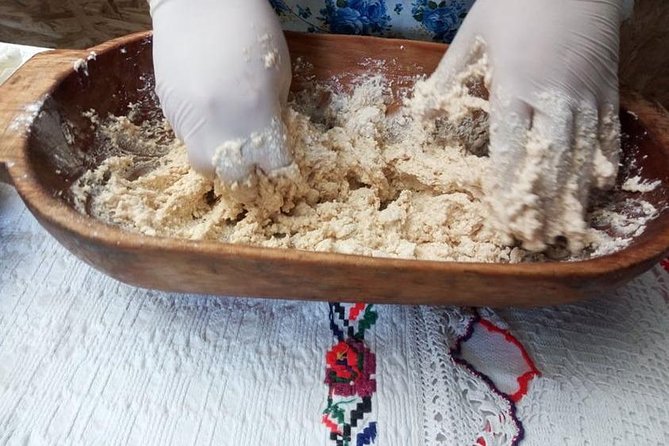
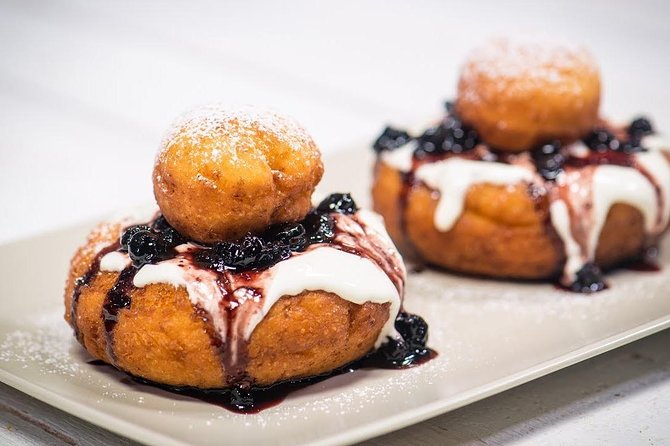
The biggest win is the food itself. You’ll make a hearty bulz (creamy polenta with corn flour, salt, sour cream, and Transylvanian-style cheese), then you’ll fry papanasi into golden, crisp-edged dumplings served with sour cream and fruit jam. I also really like that you get recipes so you can redo the dishes later, using ingredients you can actually find at home.
Plan a little for prep-time hunger. The class is about 2 hours 30 minutes and you should show up hungry, because once you start smelling fried dough and melted cheese, the waiting part gets hard.
In This Review
- Key highlights you can count on
- Market time in Bucharest, before the stove heats up
- Bulz: the polenta base that turns simple into satisfying
- Papanasi: crisp edges, fluffy center, and jam that makes sense
- A real 3-course meal, not tiny samples
- Meet the hosts, and get conversation with your cooking
- Timing, where to meet, and how long you’ll be out
- Price of $108.02: what you’re really paying for
- Who should book this Romanian cooking class
- Should you book this cooking class in Bucharest?
- FAQ
- What dishes will I cook during the class?
- Do I visit a local market before cooking?
- How long is the cooking class?
- Where is the meeting point in Bucharest?
- Is this a private class?
- What language is the class offered in?
- What are the opening hours for this activity?
- Will I get recipes to cook the dishes at home?
- Can the hosts accommodate allergies?
- What happens if the weather is bad or I need to cancel?
Key highlights you can count on
- Local market shopping for seasonal ingredients before you cook
- Bulz hands-on: creamy polenta, then cheese built in
- Papanasi fried dessert: fluffy dough, crisp outside, sour cream and jam on top
- Private guide time for step-by-step help and conversation in English
- Recipes included, so you’re not stuck with “I think it was like this” when you recreate it later
- Welcoming hosts who mix cooking with stories and practical tips
Market time in Bucharest, before the stove heats up
This experience starts with shopping for ingredients at a local market. That matters more than you might think. In Romanian cooking, the “right” taste often comes from simple things done correctly, like choosing good dairy and the kind of cheese that behaves well when melted.
You’re looking for seasonal produce and key staples for your two dishes. Expect a guided shopping pace, not a rushed scan-and-go. It’s also a nice way to see everyday Bucharest life, especially if you usually spend your time zig-zagging between big sights.
If you like to ask questions, this part is where you’ll get traction fast. Many people enjoy that the hosts explain what they’re buying and why it works for Romanian flavors, and they’ll happily chat about food and local culture. It’s a small thing, but it’s the difference between a cooking class and a cooking shortcut.
Bulz: the polenta base that turns simple into satisfying
Bulz is the first dish, and it’s built in a way that rewards patience. You start with a creamy polenta made from corn flour, salt, and sour cream. Then comes the cheese, including a cheese style associated with Transylvania, plus more melted cheese to bring it all together.
The process is practical. You’ll learn how to think about texture, not just follow steps. When the polenta thickens and turns silky, you understand what you’re aiming for before you add the cheese. And because cheese is a big part of this dish, you’ll see how it changes the whole flavor profile in one move.
What I like about teaching moments like this is that they translate well to home cooking. You’re not memorizing a list of ingredients only. You’re learning a technique you can repeat: cook the polenta properly, then use cheese as the glue for a warm, cohesive meal.
A quick consideration: corn flour and sour dairy flavors can be intense. If you’re not a fan of tangy sour cream, you might still enjoy the final mix, but it helps to know what’s in play from the start.
Eat your way further into Bucharest
Papanasi: crisp edges, fluffy center, and jam that makes sense
Papanasi is the second dish, and it’s the Romanian dessert that tends to steal the show. You’ll make a fluffy dough using sweet cheese, eggs, flour, and a touch of cinnamon. Then you fry it until you get that golden outside, with a softer interior.
This is the part where you learn by doing. Frying can sound intimidating until someone shows you what “right” looks like in the pan. Expect a hands-on rhythm: mix, shape, fry, then finish.
After the cooking, you eat what you made. Papanasi is served with sour cream and strawberry or blueberry jam, and the sample menu also notes cherry jam as an option. That range matters because it changes the sweetness level and fruit tone. Either way, sour cream cools the richness, while jam adds fruit brightness.
If you’re thinking about ordering dessert somewhere else in Bucharest later, consider skipping it. This class gives you a real portion. Even if you’re full after lunch, there’s a good chance you’ll still want one more bite just to confirm it’s as good as it smells.
A real 3-course meal, not tiny samples
You’ll sit down to enjoy your own creations as part of the meal. The format is simple: bulz as a hot starter-style dish (described like a polenta), then the fried papanasi dessert. The experience is framed as a homemade, traditional 3-course lunch, so you’ll have more than just two tastes.
This is a good value setup. For your price, you’re not paying only for recipes or only for cooking instruction. You’re paying for ingredient sourcing, guided prep, the kitchen time, and the fact that you actually eat the results.
One more practical point: this kind of class rewards a hungry stomach and a calm schedule. If you’ve stacked museum tickets right after the lesson, you might feel a little sleepy. Plan a slow afternoon, and you’ll feel like you “earned” your rest.
Meet the hosts, and get conversation with your cooking
This is a private tour/activity, so you won’t be squeezed into a group shuffle. In practice, that means the guide can adjust how fast you go, answer your questions, and help you with technique when something is tricky.
The hosting style is warm and welcoming, and it often includes conversation. Many people appreciate that you’ll get stories and context about Bucharest and Romania while you cook. If you’re trying to practice Romanian, English support is available, so you’re not left stuck.
I also like that you’re treated like a participant, not a spectator. Some classes keep you at arm’s length after the first 10 minutes. Here, you get pulled into steps throughout, from mixing to shaping, and that makes the lesson stick.
If you have any dietary needs, the hosts have shown care for allergies. That doesn’t mean every ingredient is automatically safe, but it does mean they take it seriously. Just be sure to communicate your needs during booking.
Timing, where to meet, and how long you’ll be out
You meet at Bloc 20A, Calea Rahovei 352, București 052034, Romania. It ends back at the meeting point, so you don’t need to worry about navigating transit afterward with a full stomach.
The opening hours listed are Monday through Sunday, 11:00 AM to 2:00 PM. The experience duration is about 2 hours 30 minutes. That timing window matters because it affects when you can plan lunch and how much of the day you’ll need to keep flexible.
Also, the location is near public transportation. That’s helpful because Bucharest can be easier when you don’t rely on taxis for short moves. If you’re using transit, give yourself a little extra time to find the exact building entrance.
Finally, it’s offered with a mobile ticket, so you’ll want your phone charged and ready.
More Bucharest plates we cleared
Price of $108.02: what you’re really paying for
At about $108.02 per person, this is not the cheapest thing you’ll do in Bucharest. But it’s also not overpriced in the way some “tourist experiences” are. You’re paying for several value pieces at once:
- Market ingredient shopping with a guide
- Private, hands-on instruction for both dishes
- A full meal built from what you make
- Recipes afterward, so the class continues after you leave
The private setup usually costs more than a group class, but it’s also why the experience feels personal. If you’re traveling solo, it can feel like a splurge that actually turns into a story you’ll remember. If you’re a couple, it’s an easy pick because you’re sharing the work and the meal together.
One thing to keep in mind: you should treat this as a meal experience, not just a cooking demo. If you don’t like sour cream flavors or you don’t enjoy cheese-heavy dishes, you might be paying for something that won’t land as well.
Who should book this Romanian cooking class
This class fits best if you want an actual taste of Romanian food, not just a guided walk past food. It’s especially good for:
- Couples who want shared, hands-on time
- Solo travelers who like talking with hosts and getting English support
- Food-focused travelers who enjoy learning technique, not only eating
- Families who want a fun activity where everyone participates, since the hosts keep it engaging
If your travel style is fast and nonstop, this might feel slower than you like because it’s built around cooking steps. If you prefer a quiet evening or a strict itinerary, pick a day when you can breathe after class.
Also, plan around the good weather requirement. If weather is poor, the experience may be canceled, and you’ll be offered another date or a full refund.
Should you book this cooking class in Bucharest?
Yes, I’d book it if you want a real Bucharest food moment with hands-on cooking and a meal you made yourself. The strongest reasons are the two-dish focus, the private guide attention, and the fact that you get recipes afterward so the experience doesn’t vanish the next day.
Skip it only if you’re very sensitive to cheese or sour cream flavors, or if your schedule is so tight you can’t handle a 2 to 3 hour block. For most people, though, this is one of the best “worth it” ways to spend a half day in Romania that still feels personal.
FAQ
What dishes will I cook during the class?
You’ll learn to make bulz and papanasi. Bulz is prepared as a creamy polenta base with cheese, and papanasi is a fried Romanian dessert made with sweet cheese dough.
Do I visit a local market before cooking?
Yes. The experience includes a visit to a local market where you shop for seasonal ingredients.
How long is the cooking class?
It lasts about 2 hours 30 minutes.
Where is the meeting point in Bucharest?
The meeting point is Bloc 20A, Calea Rahovei 352, București 052034, Romania.
Is this a private class?
Yes. It is a private tour/activity, and only your group participates.
What language is the class offered in?
The experience is offered in English.
What are the opening hours for this activity?
The listed opening hours are Monday through Sunday, 11:00 AM to 2:00 PM.
Will I get recipes to cook the dishes at home?
Yes. Reviews note that you receive copies of the recipes so you can make the dishes again at home.
Can the hosts accommodate allergies?
Reviews mention that the hosts showed consideration when accommodating allergies.
What happens if the weather is bad or I need to cancel?
The experience requires good weather. If it is canceled due to poor weather, you’ll be offered a different date or a full refund. You can cancel for a full refund up to 24 hours before the experience starts. If you cancel less than 24 hours before, the amount paid is not refunded.
More Bucharest Plates We Cleared
- Taste Bucharest: A Food Lover’s Tour of Markets & Neighbourhoods
★ 5.0 · 689 reviews - Street Food’n’Culture Tour
★ 5.0 · 209 reviews - Discover Bucharest: Private Highlights and Traditional Food Tour
★ 5.0 · 86 reviews - Private Bucharest: History & Food with Traditional Meal
★ 5.0 · 34 reviews - Bucharest: Romanian Wine and Food Pairing Experience
★ 4.0 · 23 reviews
Eating Further Into Bucharest
- Taste Bucharest: A Food Lover’s Tour of Markets & Neighbourhoods
★ 5.0 · 689 reviews - Street Food’n’Culture Tour
★ 5.0 · 209 reviews - Wine Tasting in Bucharest
★ 5.0 · 183 reviews - Discover Bucharest: Private Highlights and Traditional Food Tour
★ 5.0 · 86 reviews - Bucharest Beer and Culture Tour with a Local
★ 5.0 · 47 reviews
Everything Else We Reviewed In Bucharest
- Bucharest: Dracula’s Castle, Peles Castle, & Brasov Old Town
★ 4.5 · 17,858 reviews - Bucharest: Dracula Castle, Peles Castle & Brasov Old Town
★ 4.6 · 10,891 reviews - Bucharest: Dracula’s Castle, Peleș Castle & Brașov Day Trip
★ 4.5 · 5,919 reviews - Bucharest: Palace of Parliament Tickets and Guide
★ 4.3 · 3,182 reviews - Bucharest: Day Trip to Dracula Castle, Peles Castle & Brașov
★ 4.4 · 3,049 reviews
Recently added around Bucharest
- Private Tasting Expedition Along Romania’s Most Famous Wine Route★ 5.0 · 3 reviews
- Private Guided Tour of Peles Castle and Bran Castle from Bucharest★ 5.0 · 3 reviews
- Private Sightseeing Tour of Bucharest★ 4.5 · 3 reviews
- Discover Europe’s Deepest Mines & Peles Castle’s Royal Charm★ 5.0 · 3 reviews
- Bucharest City Tour and Wine Tasting★ 5.0 · 3 reviews
Food & Drink, compared.
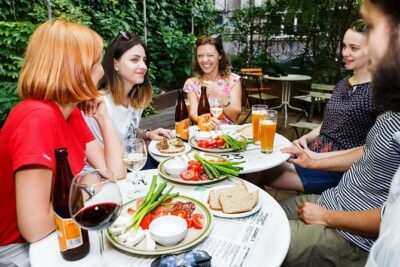 ★ 5.0Taste Bucharest: A Food Lover’s Tour of Markets & NeighbourhoodsFrom $102689 reviews
 ★ 5.0Street Food’n’Culture TourFrom $153209 reviews
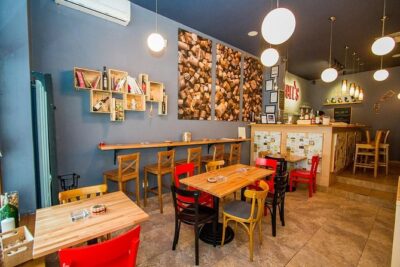 ★ 5.0Wine Tasting in BucharestFrom $59183 reviews
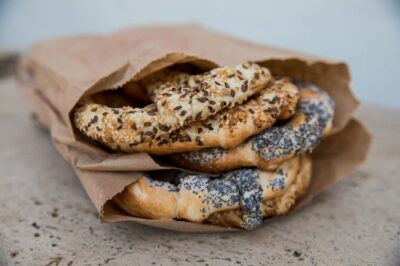 ★ 5.0Discover Bucharest: Private Highlights and Traditional Food TourFrom $14386 reviews
 ★ 5.0Half-Day Private Food and Wine Walking Tour Oradea RomaniaFrom $9655 reviews
 ★ 5.0Bucharest Beer and Culture Tour with a LocalFrom $11847 reviews
 ★ 5.0Bucharest: Private Wine Tasting ExperienceFrom $6444 reviews
 ★ 5.0Private Bucharest: History & Food with Traditional MealFrom $14034 reviews
Browse the lists this tour appears in