
REVIEW · BUCHAREST
4h Jewish Legacy in Bucharest – Private Tour by Car and Walking
Jewish Bucharest hits hardest on foot and in silence. This private tour mixes Bucharest’s most important Jewish landmarks with comfortable, climate-controlled driving between stops. I especially love meeting local Jewish guides right at the sites, and I also like that the route stays practical with convenient hotel pickup and drop-off. One thing to plan around: not every synagogue or theater visit is guaranteed, since some places can be closed for holidays or, in the case of the Jewish theatre, due to rehearsals.
What makes this outing feel real is how it balances lived religious life with the heavy weight of the 20th century. You’ll spend focused time at an active synagogue and a dedicated museum, then shift to the Holocaust Memorial, where Romania’s role in the genocide is directly acknowledged. Guides such as Radu and Sebastian have been praised for turning street corners and building details into clear stories you can actually use while you travel.
Also, factor in small extra entry fees on the day. The main sites have separate tickets that are not included, so you’ll want cash ready or a card that works for local purchases.
In This Review
- Key highlights you will feel fast
- How this 4-hour Jewish legacy tour works in real life
- Stop 1: Choral Temple, Bucharest’s living synagogue
- Stop 2: Holy Union Temple Museum, where community stories live
- Stop 3: Romania’s Holocaust Memorial, zachor in Hebrew
- Stop 4: Teatrul Evreiesc de Stat, Hebrew cultural life
- Who this tour fits best
- Price and value: what $130.97 buys you
- Timing, pacing, and the closures reality
- What makes the guides matter, names like Radu and Sebastian
- Should you book this Jewish legacy tour in Bucharest?
Key highlights you will feel fast
- Active worship at the Choral Temple, with daily religious services still happening in a small hall
- A museum housed in an important historic synagogue, built in 1836 and turned into a Jewish history museum in 1978
- Holocaust Memorial with the Hebrew word zachor, plus a hall of remembrance and plaques with names
- Hotel pickup and drop-off, plus climate-controlled vehicle time that makes a 4-hour day actually doable
- Local guide storytelling, with guides like Radu and Sebastian known for clear, personal context
- Teatrul Evreiesc de Stat only when possible, since rehearsals can affect whether you get in
How this 4-hour Jewish legacy tour works in real life
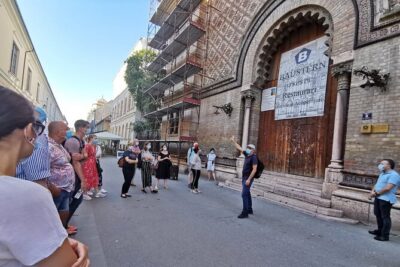
This is a private half-day tour in Bucharest that runs about 4 hours. It starts at 10:00 am, and you’ll go by a private car for the transfers, then walk where it makes sense. The goal is not to rush every corner of the city. Instead, you get a set of meaningful stops, each with time to take in details and hear the story.
You also get a big practical win: pickup and drop-off at your hotel. That matters in Bucharest because crossing town at the wrong time can waste your energy. With this format, you can show up rested, listen well, and still finish in time for lunch or a second tour later.
English is covered, and you’ll receive confirmation at booking. The tour uses a mobile ticket, which is the kind of small modern convenience that keeps the day stress-free.
Stop 1: Choral Temple, Bucharest’s living synagogue
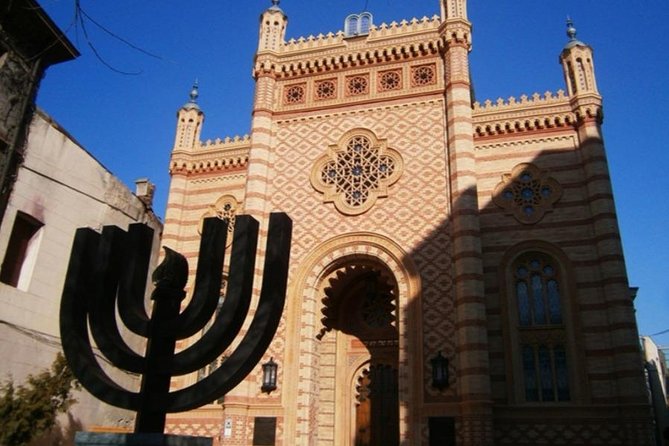
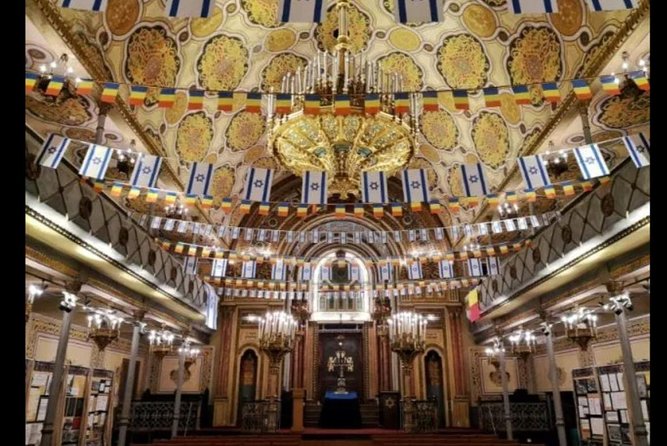
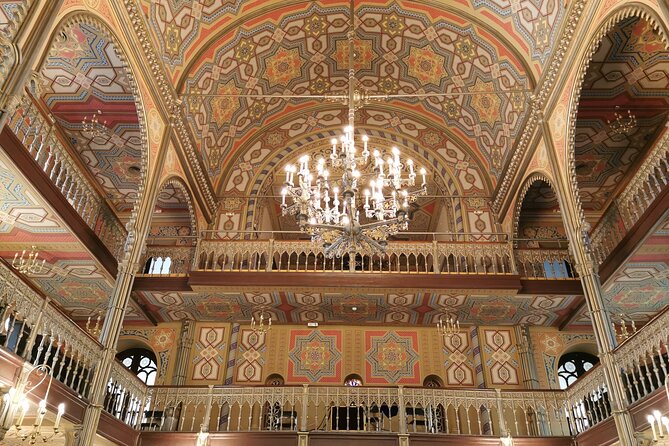
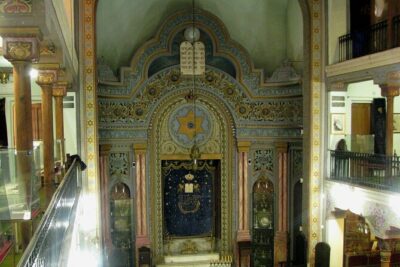
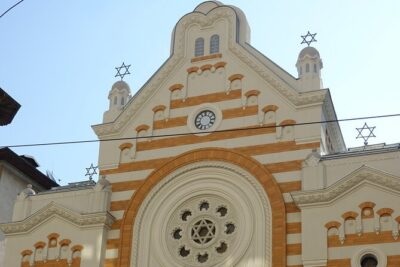
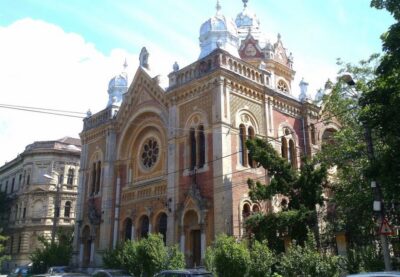
Your first major stop is The Choral Temple, an active synagogue in Bucharest. It is a copy of Vienna’s Leopoldstadt-Tempelgasse Great Synagogue, and it carries a long, difficult past. The building was devastated by far-right Legionaries and Nazis, then restored after World War II, with restoration completed in 1945.
What I find most important about this stop is that it is not just a monument. The synagogue still hosts daily religious services in a small hall. That daily life gives you a different lens. When you look at architecture after hearing that people still use it for prayer, the place feels less like a museum prop and more like a living thread.
Practical note: admission to the Choral Temple is 30 RON (listed as about €6) and is not included. Also, the stop is capped at about 1 hour, so bring a quick, observant mindset. Focus on what the guide points out, and let the rest of the building fill your mental picture.
The Jewish Bucharest routes we walked
Stop 2: Holy Union Temple Museum, where community stories live
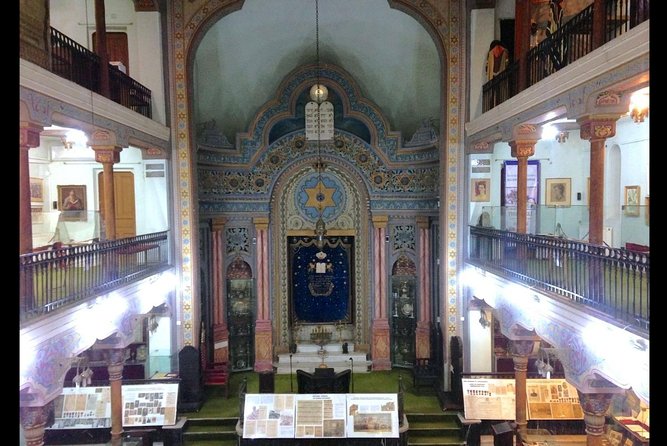
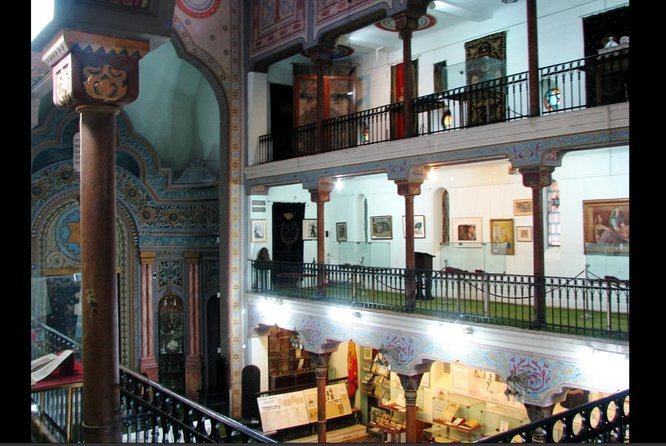
Next comes the Museum of History of the Jewish Community, housed in the Holy Union Temple synagogue. This building was constructed in 1836, and it has served as a museum since 1978.
Inside, you get separate exhibitions that show how Jewish life in Bucharest once worked, what daily community life looked like, and how traditions were expressed. There is also an impressive liturgical collection, much of which was assembled by Moses Rosen, Romania’s chief rabbi from 1964 to 1994. He is also credited with founding the museum.
This is the stop where the tour shifts from single-scene storytelling to broader context. You can stand in one room and understand the rhythm of community life, then walk to the next room and see how culture carried forward through objects and practices. If you only visit one indoor site, this is the one where you’ll get the best “why this matters” grounding.
Admission is 30 RON (about €6) and is not included, and you’ll have about 1 hour here. One smart move: don’t try to read every label. Instead, let your guide show you a few key items first, then skim what catches your eye.
Stop 3: Romania’s Holocaust Memorial, zachor in Hebrew
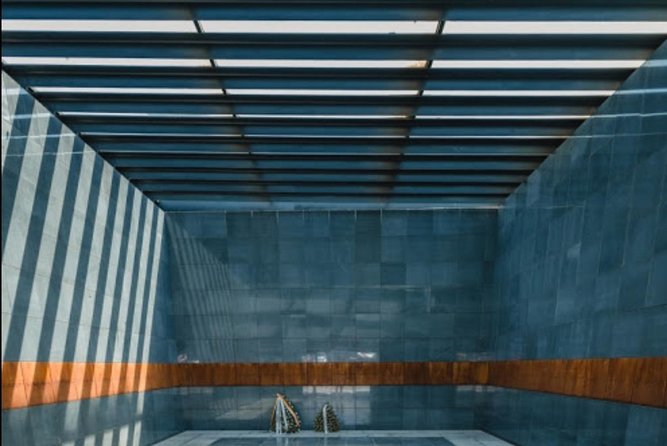
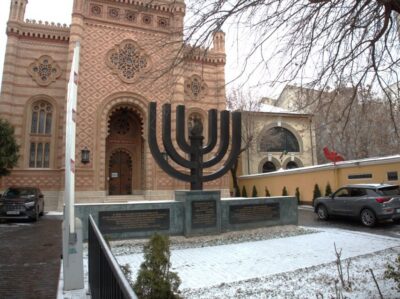
Then you move to the Holocaust Memorial, unveiled in October 2009. The memorial is designed to recognize Romania’s role in the genocide of Europe’s Jews. It is grounded in the Wiesel Report commissioned by the Romanian government, which concluded that no country outside Germany was responsible for the deaths of more Jews than Romania.
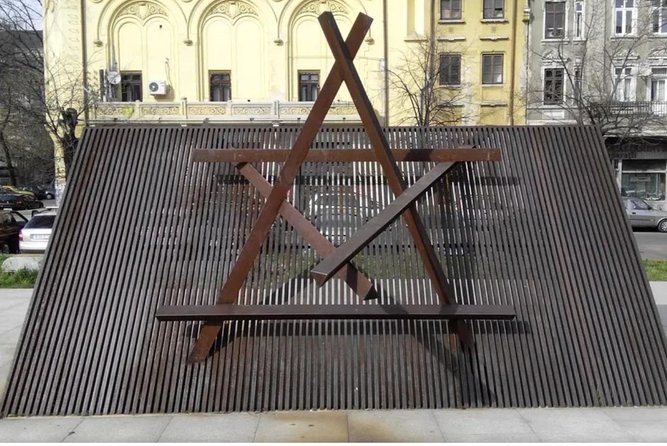
The physical design is simple and powerful: a column with one Hebrew letter on each side. Put together, the letters spell zachor, which means remember. There is also a hall of remembrance and plaques that include the names of many Romanian Holocaust victims.
This stop is free, and the tour allots about 1 hour. I recommend treating that hour as a pause, not a checklist. If you’re sensitive to memorial spaces, take a moment before you enter the hall of remembrance to steady your thoughts. If you’re traveling with teens or friends who need structure, ask your guide to point out the meaning behind the design first, then you’ll have a better frame for what you’re seeing.
Stop 4: Teatrul Evreiesc de Stat, Hebrew cultural life
The final stop is Teatrul Evreiesc de Stat (the Jewish State Theatre), described as an edifice of Hebrew culture. This can be one of the most enjoyable parts of the day, because it keeps the story from becoming only tragedy and memory.
One caution: the theatre can be visited only if there are no rehearsals. So depending on the day, you may get to go inside and take it in, or you may have to adjust expectations. The entrance fee is listed as 25 RON (about €5) per person and is not included.
From a value standpoint, I think this stop is worth having on your itinerary even with that uncertainty. Culture is part of the story. When a guide connects the theatre to language and identity, the city starts to feel more human and less like a history lecture.
Who this tour fits best
This tour suits you if you want a focused, respectful route through Jewish Bucharest without the hassle of planning transport and tickets on your own. It’s also a strong choice if you like guided context, since the sites are not all equally self-explanatory from the outside.
It can work for visitors who are not Jewish too, because the tour’s framing stays clear: community life, historical memory, and how Romania’s Jewish story fits into Europe’s broader 20th-century events. If you want the “big picture” without spending a full day on research, this half-day format is a practical sweet spot.
It’s especially good if you prefer small-group energy or even just a quieter pace. This is a private tour, so you’re not trapped listening to a crowd pace. You can ask questions and adjust the route rhythm to your interests.
More Bucharest on foot
Price and value: what $130.97 buys you
At $130.97 per person for about 4 hours, the price is not bargain-basement cheap. But you are buying several things that add up quickly in a foreign city: a professional English guide, private transportation, and a route built around time-limited sites.
Here’s the key value math: three of the major stops have separate entrance fees, and those are not included. The Choral Temple is 30 RON, the museum is 30 RON, and the Holocaust Memorial is free. The Jewish State Theatre, if you can visit, is 25 RON.
So your final cash cost will depend on which optional interior visit you get. Still, even with entry fees, the private guide and car time are doing real work for you. They reduce the coordination headache and help you get more meaning per hour on site.
If you’re the type of traveler who enjoys learning from a person, not just reading signs, this pricing can feel fair. If you only want to scan exhibits and keep things strictly budget-based, you might prefer a self-guided approach and pay only for the museum and synagogue tickets.
Timing, pacing, and the closures reality
The tour starts at 10:00 am and runs about 4 hours, with about 1 hour at each major stop. That structure helps you avoid the common half-day problem: you show up at three places and spend 15 minutes rushing through each one. Here, the time is set so you can actually see.
The bigger practical consideration is access. Some synagogues or venues may be closed for religious holidays, and the Jewish theatre depends on rehearsals. In that situation, guides typically do what they can to keep the story going, such as explaining from outside or adjusting the emphasis during the day.
Also, the day can include other synagogue visits depending on opening status, but some places are not open every day. The safe assumption is this: you will see the core memorial and main historic synagogue sites that are part of the route, but a theatre visit may be conditional.
My advice: if the Jewish theatre matters a lot to you, ask the guide on the day whether entry is expected. If it is not possible, you’ll still get a strong cultural and historical foundation from the other stops.
What makes the guides matter, names like Radu and Sebastian
A standout theme from the experience is that the guide is the difference between seeing old buildings and understanding what they meant for real people. Guides such as Radu and Sebastian have been praised for explaining the story clearly and in a way that matches what you are physically looking at.
One guide example that sticks out is how Radu has been described as bringing both deep Romania-specific context and personal perspective from his hometown. Another guide, Sebastian, has been described as warm, professional, and ready to share the best of his city in English.
If you like question-friendly tours, this is one of those setups where you can ask about traditions, the meaning of memorial design choices, or why particular buildings survived when so much was destroyed. Your guide is there to connect the dots, not just stand in the background.
Should you book this Jewish legacy tour in Bucharest?
Yes, I think you should book it if you want a short, high-impact day that connects community life to the Holocaust memorial and doesn’t rely on you piecing everything together on your own. The hotel pickup, climate-controlled car, and English guide make it a low-friction way to visit the most important Jewish sites in Bucharest in just half a day.
Book it especially if you care about context. The stops are meaningful, but the value here is how a good guide translates the buildings and artifacts into a coherent story you’ll remember.
Hold off or go in with eyes open if your budget is tight, since entry fees for multiple sites are not included. Also, if the theatre visit is a must, understand it can depend on rehearsals. Even with that, the rest of the route remains the backbone of the experience.
If you want one respectful way to get the lay of the land, this private route is a smart choice. You’ll leave with a clearer sense of Bucharest before and after the catastrophe, and you’ll understand why remembrance is not just a word, it is built into the city.
Whatever Else Bucharest Is Selling
- Bucharest to Dracula Castle, Peles Castle and Brasov Guided Tour
★ 4.5 · 2,933 reviews - Bucharest: Palace of Parliament Tickets and Guided Tour
★ 4.4 · 1,877 reviews - Transylvania and Dracula Castle Full Day Tour from Bucharest
★ 4.5 · 1,589 reviews - Bucharest: City Highlights Guided Walking Tour
★ 4.9 · 1,482 reviews - From Bucharest: Brasov Peles & Dracula’s Castle Day Tour
★ 4.5 · 1,244 reviews
Everything Else We Reviewed In Bucharest
- Bucharest: Dracula’s Castle, Peles Castle, & Brasov Old Town
★ 4.5 · 17,858 reviews - Bucharest: Dracula Castle, Peles Castle & Brasov Old Town
★ 4.6 · 10,891 reviews - Bucharest: Dracula’s Castle, Peleș Castle & Brașov Day Trip
★ 4.5 · 5,919 reviews - Bucharest: Palace of Parliament Tickets and Guide
★ 4.3 · 3,182 reviews - Bucharest: Day Trip to Dracula Castle, Peles Castle & Brașov
★ 4.4 · 3,049 reviews
Jewish Heritage, More Routes
- Bucharest Jewish Heritage | Holocaust Memorial | Private Car Tour
★ 5.0 · 38 reviews - Half-Day Jewish Heritage Walking Tour in Bucharest
★ 5.0 · 20 reviews - The Jewish heritage of Bucharest – half day walking tour
★ 5.0 · 15 reviews - Bucharest Jewish Heritage | Private Walking Tour
★ 5.0 · 14 reviews - Bucharest Jewish Heritage Private Walking Tour
★ 5.0 · 8 reviews
Recently added around Bucharest
- Private Tasting Expedition Along Romania’s Most Famous Wine Route★ 5.0 · 3 reviews
- Private Guided Tour of Peles Castle and Bran Castle from Bucharest★ 5.0 · 3 reviews
- Private Sightseeing Tour of Bucharest★ 4.5 · 3 reviews
- Discover Europe’s Deepest Mines & Peles Castle’s Royal Charm★ 5.0 · 3 reviews
- Bucharest City Tour and Wine Tasting★ 5.0 · 3 reviews
Jewish Heritage Tours, compared.
 ★ 5.0Bucharest Jewish Heritage | Holocaust Memorial | Private Car TourFrom $11338 reviews
 ★ 5.0Half-Day Jewish Heritage Walking Tour in BucharestFrom $31820 reviews
 ★ 5.0The Jewish heritage of Bucharest – half day walking tourFrom $31815 reviews
 ★ 5.0Bucharest Jewish Heritage | Private Walking TourFrom $31214 reviews
 ★ 5.0The Jewish Heritage Tour of TimisoaraFrom $519 reviews
★ 5.0Bucharest Jewish Heritage Private Walking TourFrom $3068 reviews
 ★ 5.0Timisoara: Jewish Heritage Walking TourFrom $704 reviews
Browse the lists this tour appears in