
REVIEW · BUCHAREST
6h Communism Tour in Bucharest with Ceausescu Mansion
Bucharest tells a hard story. In just 6 hours, this private route connects the biggest communist-era symbols, starting at the Palace of Parliament and ending at the House of Ceaușescu. You’ll also get two scene-setting stops that change the mood fast: the Dimitrie Gusti National Village Museum and Revolution Square.
I like that the tour keeps the story straight, instead of bouncing between random landmarks. The guide format matters too, because you can ask questions and get clear answers from the driver-guide. One drawback to plan around: access to the Ceaușescu residence can be limited, and entry fees are not covered in the tour price.
In This Review
- Key Highlights You Will Actually Feel
- A 6-Hour Route That Makes Bucharest Make Sense
- Palace of Parliament: Where Totalitarian Scale Hits You
- Dimitrie Gusti National Village Museum: Everyday Life, Not Just Big Monuments
- Victory Avenue and the Viewpoint Break: Bucharest’s Contradictions
- Revolution Square: December 1989, Placed in Real Space
- House of Ceaușescu: The Private Residence That Feels Strange in Public
- Time, Transport, and Entry Fees: Where Your Money Goes
- Who Should Book This Tour, and Who Might Skip It
- Should You Book the Communism Tour in Bucharest?
- FAQ
- How long is the Communism Tour in Bucharest?
- Is this tour private, and what languages are available?
- What stops are included during the 6 hours?
- Are entry fees included in the price?
- Where is pickup and drop-off handled?
- Can the itinerary change during the tour?
Key Highlights You Will Actually Feel
- Palace of Parliament first, so you understand the scale of power before moving on to smaller, human stories
- Dimitrie Gusti National Village Museum shows how everyday life and planning worked outside the palaces
- Revolution Square in December 1989 gives you a concrete place to anchor the end of the regime
- Victory Avenue and the French-Romanian contrast helps you read Bucharest like a layered city
- A dedicated viewpoint stop gives you a breather and a sense of layout before the final mansion visit
- Private transport with a licensed guide, so the route stays efficient and questions stay on track
A 6-Hour Route That Makes Bucharest Make Sense
This tour is built like a timeline you can walk. You start with the massive administrative machine, then shift to culture and daily life, then land at the exact public square tied to the 1989 revolution. That order matters because it keeps the message logical: a regime that controlled buildings also controlled lives.
You’ll go door-to-door with private transport, picked up from your Bucharest hotel or from the airport meeting point if you’re arriving. Since the itinerary can be adjusted even after it starts, you’re not stuck if timing gets tight or if you need a different angle on one stop.
And yes, guides on this tour can be excellent. When I did it, my driver-guide Daniel paced the story well and answered follow-up questions without brushing them off. I’ve also seen how Nicoleta can make the day feel friendly and organized, which helps when the topics are heavy.
Palace of Parliament: Where Totalitarian Scale Hits You
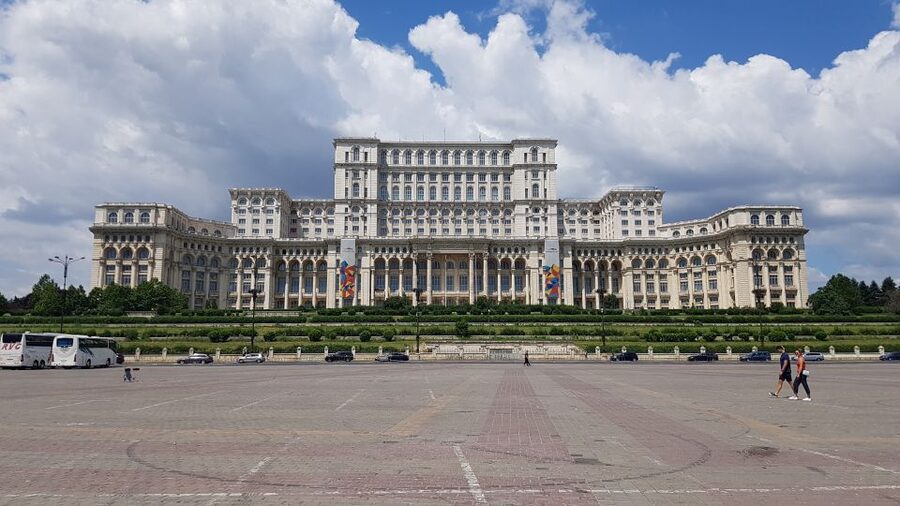
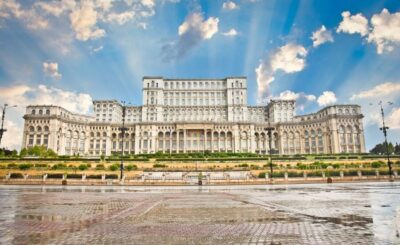
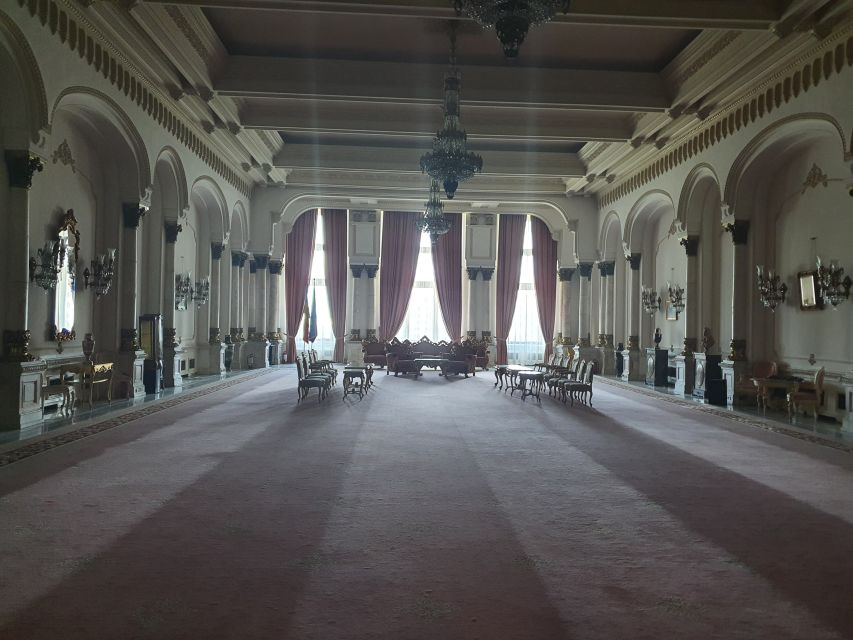
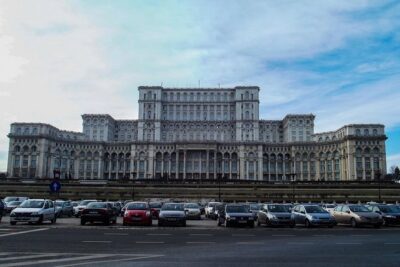
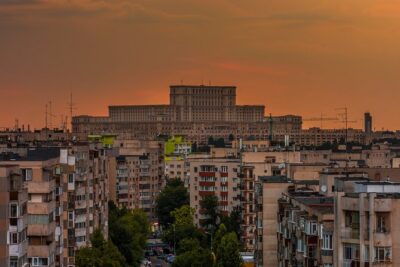
The day begins at the Palace of Parliament, described as the second largest administrative building in the world after the Pentagon. Even before you learn the context, the building does the job. The sheer mass changes how you stand, how far you look, and how you think about authority.
What I appreciated most here is that the stop isn’t just architecture talk. The explanation ties the building to the totalitarian regime and shows how damaging that system was in Romania. In practical terms, this is your “anchor stop.” If you only know Bucharest from photos, this is where you understand why the skyline and the politics feel connected.
You’ll spend about two hours here, which is long enough to get beyond a quick walkthrough. It also helps that this is an efficient first location, before you’re tired and before you’ve lost the thread of the story.
The Ceausescu years, told other ways
Dimitrie Gusti National Village Museum: Everyday Life, Not Just Big Monuments

After the palace, the tour shifts gears with the Dimitrie Gusti National Village Museum. This is a smart move, because it stops the day from becoming only grim and monumental.
Here you’ll see traditional homes and learn how Romanian villages developed ecological and sustainable environments in their backyards. That phrase matters. It’s not presented as nostalgia or folklore, but as practical living shaped by resources, weather, and community choices. In other words, it’s a reminder that people always lived their own lives, even while political systems tried to take control.
You’ll have about one hour at the museum. In that time, don’t rush the small details. Look at the layout and the way the homes relate to their surroundings. Even if you’re not an architectural specialist, this is where you start to understand how a society copes when power structures get distorted.
Victory Avenue and the Viewpoint Break: Bucharest’s Contradictions
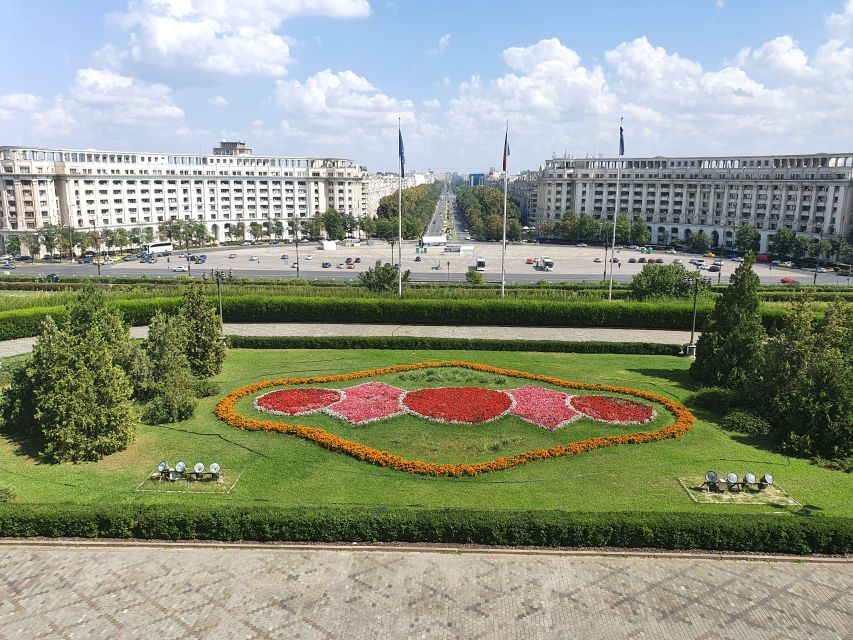
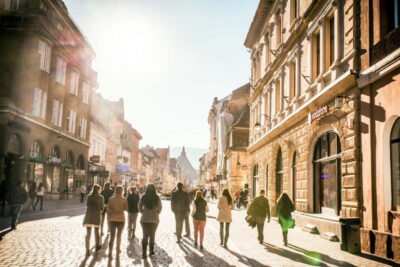
Next comes Victory Avenue, a boulevard lined with communist buildings where you can also admire French architecture. That contrast is one of the most interesting things about Bucharest: the city didn’t erase earlier influences, it stacked them.
You’ll also get a viewpoint stop (roughly 45 minutes) that acts like a reset button. When the morning includes a huge political symbol, the mid-afternoon pause helps you see the city as a place, not just a museum of events. Use the time to orient yourself, notice the spacing between major areas, and connect what you’ve seen to how Bucharest feels on the ground.
If you like street-level understanding, this is the part of the tour that rewards you. You’re not only learning names and dates, you’re learning how the city’s design carries those layers.
Revolution Square: December 1989, Placed in Real Space
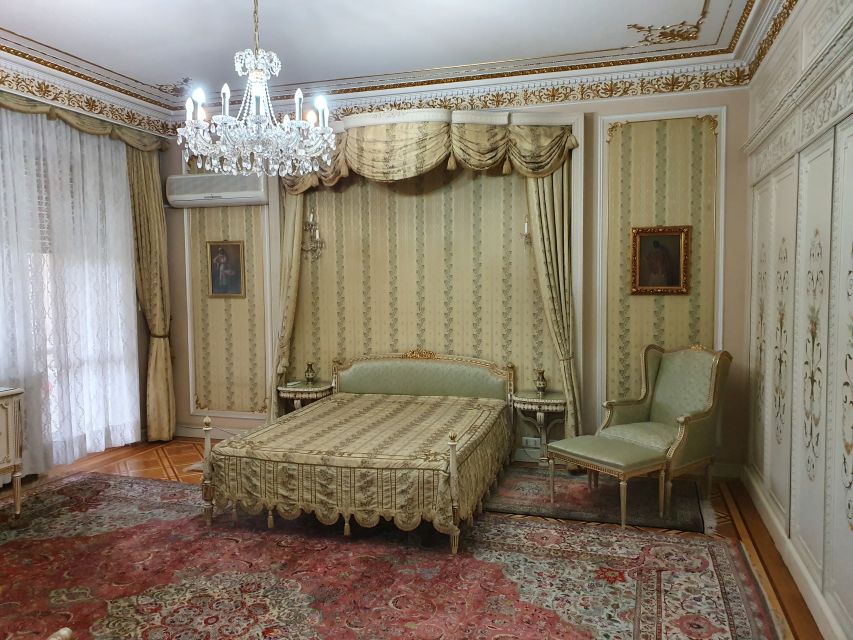
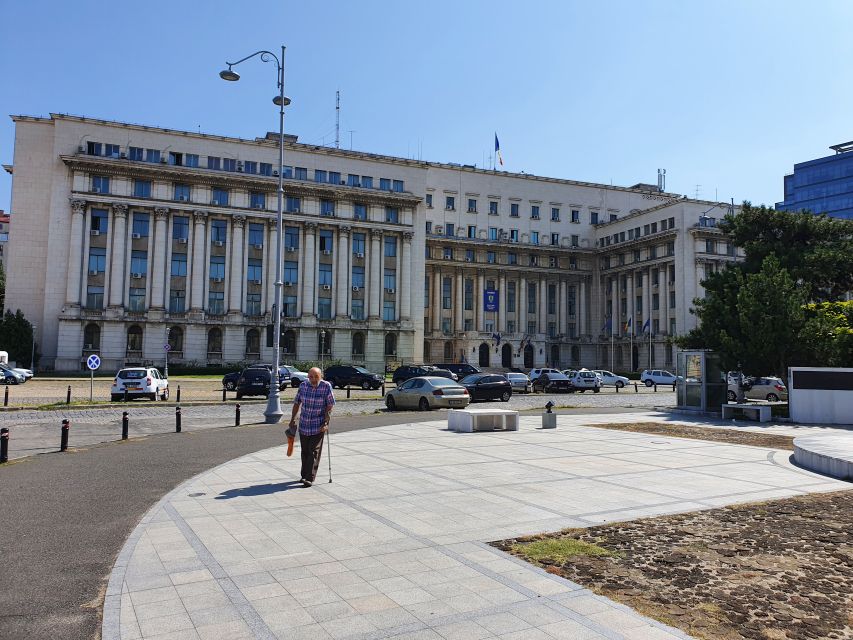
Then you’ll head to Revolution Square for about 45 minutes. This is the spot tied to the Romanian Revolution in December 1989, and the purpose of the stop is straightforward: it gives you a concrete location where history stops being abstract.
I like this stop because it changes the emotional tone without turning it into a dramatic performance. You get the basic story, plus the sense of what it means to have a turning point happen in a public place. That matters because regimes and revolutions are both collective events, not just private decisions.
When you’re standing in the square, you can mentally connect the dots between earlier power (the palace) and the collapse of that power (the revolution). It’s the moment when the tour title becomes real, not just a label.
House of Ceaușescu: The Private Residence That Feels Strange in Public
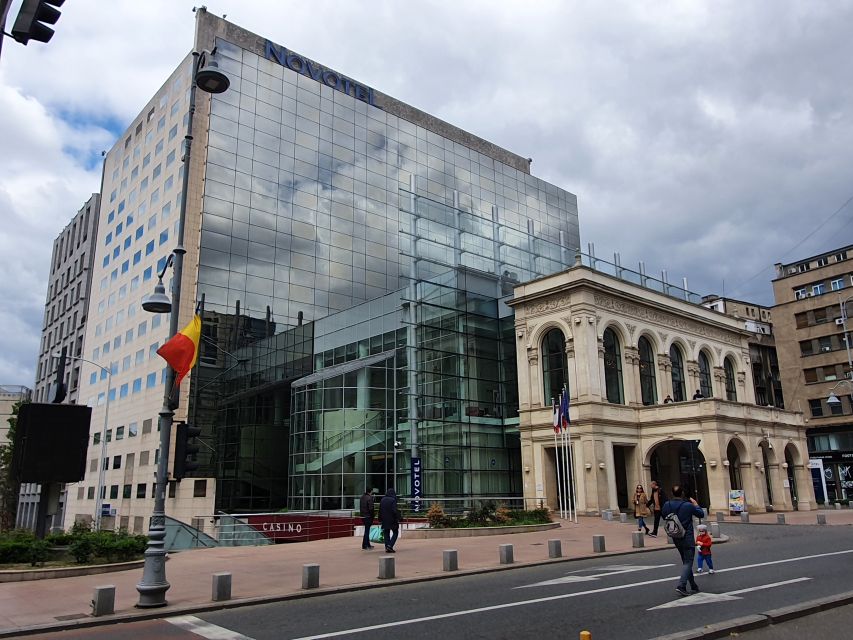
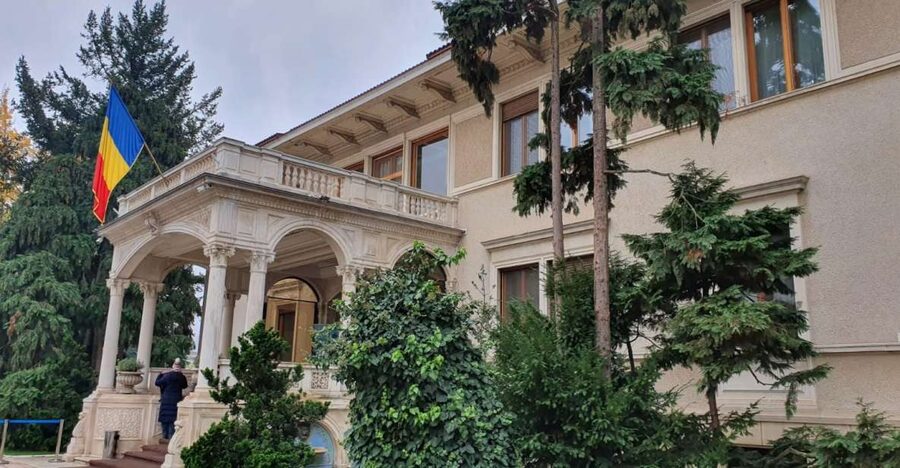
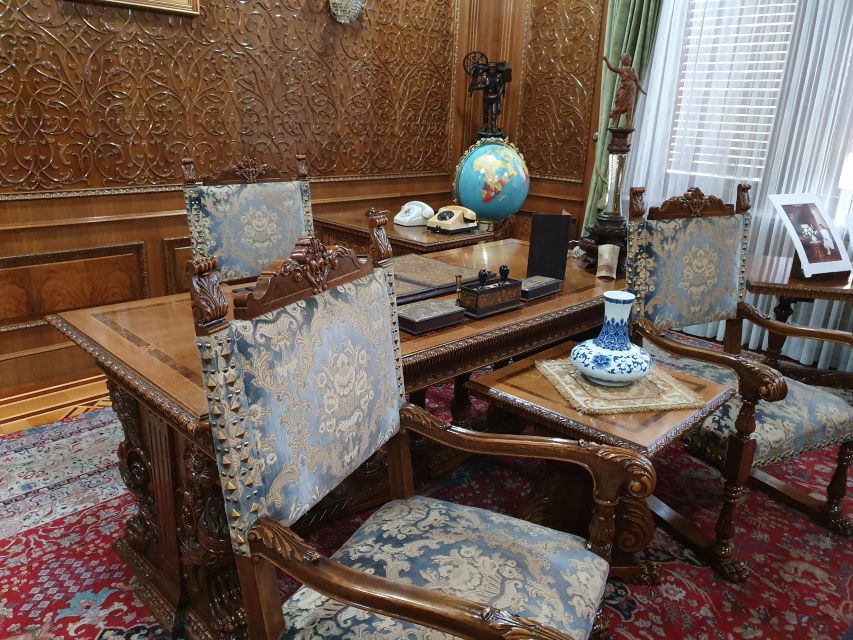
The final major stop is the House of Ceaușescu, the private residence of Nicolae and Elena Ceaușescu and their children for a quarter of a century, from 1965 to 1989. This is the end point where communist leadership moves from public policy to personal life.
The idea is clear: you see where the dictator’s family lived while millions lived under the regime. Even if you don’t focus on every interior detail, the contrast is hard to ignore. It gives you a different kind of understanding of totalitarianism, one rooted in everyday privilege alongside public control.
Important consideration: access can be tricky. On my visit, everything was on track, but I’ve heard of cases where guests could not access the residence area they came for. If entering that specific part of the property is your top priority, I’d go into the day mentally prepared that the final experience may depend on what the site allows that day.
This stop lasts about 1.5 hours, which is enough time to absorb the story and ask focused questions. It’s also a good length for a wrap-up, since by now your brain has the right framework from the earlier stops.
Time, Transport, and Entry Fees: Where Your Money Goes
The tour costs $208 per person and runs for 6 hours. For a private format in Bucharest that includes private transport and a licensed driver-guide, I think this price can make sense, especially if you’re traveling with just a few people and want efficiency.
Here is the value breakdown as I see it:
- Private transport means you’re not wasting time figuring out routes or transit between far-flung sites
- The guide does the heavy lifting with interpretation, so you’re not just reading signs
- The tour includes hotel or airport pickup and drop-off, which matters more than people think on a short trip
- You skip the ticket line, so the schedule stays smooth
The catch is simple. Entry fees are not included, and you should also budget for food and drinks on your own. Since entry fees are excluded, the final cost may land higher than what you see at checkout.
So for value, ask yourself this: do you want a guide to connect the dots between the palace, the revolution, and the mansion? If yes, this format usually pays off. If you’re the kind of traveler who prefers to roam and read at your own pace, you might prefer a self-guided route and buy tickets yourself.
Who Should Book This Tour, and Who Might Skip It
This is a great fit if you:
- Like political history but want it explained in a way that connects sites to events
- Want a structured route instead of hunting for meaning block by block
- Enjoy architecture and city planning, especially when the buildings reflect power
- Are short on time and want the key communist-era stops in one day
You might consider another option if:
- Your schedule is sensitive and you want zero risk around access to specific buildings, like the Ceaușescu residence area
- You prefer to handle everything independently, including ticketing, entry planning, and timing
Languages are broad. The tour guide can work in English, Italian, Romanian, French, and Spanish. If you have a language need, this kind of flexibility can be a real quality-of-life advantage.
Should You Book the Communism Tour in Bucharest?
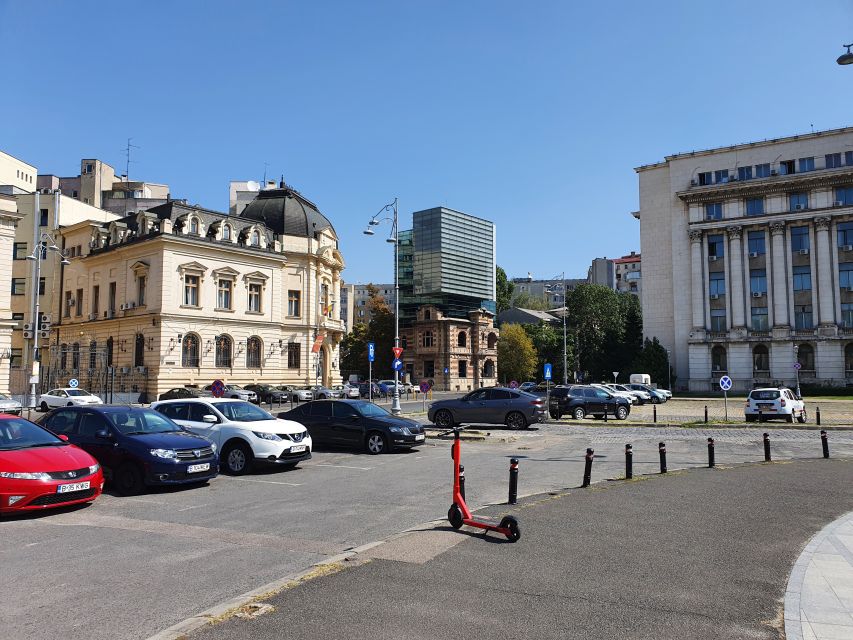
I’d book it if your goal is clarity. This tour doesn’t just point at landmarks, it builds a readable story: power at the Palace of Parliament, the texture of everyday life at the village museum, the turning point at Revolution Square, and the final contrast at the House of Ceaușescu.
The best reason to choose it is the private, guided structure. You get efficient transport, a guide who can answer questions, and a route that keeps the themes connected. The two main reasons to hesitate are also straightforward: entry fees are extra, and access to the Ceaușescu residence may not always go exactly as planned.
If you want, tell me your travel dates and whether you’re flying in on the same day. I can help you decide how to time pickup and plan the rest of your day around that 6-hour window.
FAQ
How long is the Communism Tour in Bucharest?
It runs for 6 hours.
Is this tour private, and what languages are available?
Yes, it is a private group tour. Live guides are available in English, Italian, Romanian, French, and Spanish.
What stops are included during the 6 hours?
You’ll visit the Palace of the Parliament, the Dimitrie Gusti National Village Museum, Revolution Square, a viewpoint, and the House of Ceaușescu.
Are entry fees included in the price?
No. Entry fees are not included, and food and drinks are also not included.
Where is pickup and drop-off handled?
Pickup is included from your Bucharest hotel or the airport meeting point, and you’ll be dropped off back at your hotel or at the airport.
Can the itinerary change during the tour?
Yes. The itinerary is flexible and can be adjusted even after the start of the tour.
Whatever Else Bucharest Is Selling
- Bucharest to Dracula Castle, Peles Castle and Brasov Guided Tour
★ 4.5 · 2,933 reviews - Bucharest: Palace of Parliament Tickets and Guided Tour
★ 4.4 · 1,877 reviews - Transylvania and Dracula Castle Full Day Tour from Bucharest
★ 4.5 · 1,589 reviews - Bucharest: City Highlights Guided Walking Tour
★ 4.9 · 1,482 reviews - From Bucharest: Brasov Peles & Dracula’s Castle Day Tour
★ 4.5 · 1,244 reviews
Everything Else We Reviewed In Bucharest
- Bucharest: Dracula’s Castle, Peles Castle, & Brasov Old Town
★ 4.5 · 17,858 reviews - Bucharest: Dracula Castle, Peles Castle & Brasov Old Town
★ 4.6 · 10,891 reviews - Bucharest: Dracula’s Castle, Peleș Castle & Brașov Day Trip
★ 4.5 · 5,919 reviews - Bucharest: Palace of Parliament Tickets and Guide
★ 4.3 · 3,182 reviews - Bucharest: Day Trip to Dracula Castle, Peles Castle & Brașov
★ 4.4 · 3,049 reviews
The Communist Years, Retold
- The Real tour of Communism
★ 5.0 · 666 reviews - Life under Communism
★ 5.0 · 358 reviews - 3-Hour Guided Tour of Communist Bucharest
★ 4.9 · 303 reviews - Bucharest Essential Tour: Old Town, Calea Victoriei & Communism
★ 5.0 · 142 reviews - Communism in Bucharest – Landmarks, Museum & Communist Appetizers
★ 5.0 · 111 reviews
Recently added around Bucharest
- Private Tasting Expedition Along Romania’s Most Famous Wine Route★ 5.0 · 3 reviews
- Private Guided Tour of Peles Castle and Bran Castle from Bucharest★ 5.0 · 3 reviews
- Private Sightseeing Tour of Bucharest★ 4.5 · 3 reviews
- Discover Europe’s Deepest Mines & Peles Castle’s Royal Charm★ 5.0 · 3 reviews
- Bucharest City Tour and Wine Tasting★ 5.0 · 3 reviews
Communism and Ceausescu Tours, compared.
 ★ 5.0The Real tour of CommunismFrom $32666 reviews
 ★ 5.0Life under CommunismFrom $42358 reviews
 ★ 4.93-Hour Guided Tour of Communist BucharestFrom $29303 reviews
 ★ 5.0Bucharest Essential Tour: Old Town, Calea Victoriei & CommunismFrom $24142 reviews
 ★ 5.0Communism in Bucharest – Landmarks, Museum & Communist AppetizersFrom $48111 reviews
 ★ 4.9Bucharest: Relics of Communism 3-Hour Walking TourFrom $4477 reviews
 ★ 5.0Bucharest Under Communism: Life, Terror & HopeFrom $2376 reviews
 ★ 4.6Bucharest: Entry ticket at the Museum of CommunismFrom $957 reviews
Browse the lists this tour appears in