
REVIEW · BUCHAREST
3-Hour Guided Tour of Communist Bucharest
Communist Bucharest teaches fast. This 3-hour guided walk puts you in the middle of Romania’s big political turn, from Ceausescu’s rise to the 1989 revolution, using architectural clues and real-life stories. I especially loved how the guide, often Cristina, explains what daily life felt like under the regime, not just dates on a timeline. I also like the way the tour pairs big set pieces, like the Palace of Parliament, with smaller, human-scale spots like surviving inter-war neighborhoods. One drawback to plan for, you do a fair amount of walking and standing for explanations, so comfortable shoes matter.
The tour’s best trick is balance. It shows Bucharest as a city split into two worlds: inter-war Bucharest, calmer and more prosperous, and the communist-era city where forced change left scars you can still see. The emotional parts are real, including the violent beginnings of the communist regime and the bloody anti-communist revolution of 1989, but the guide keeps it understandable and gives you room to form your own impressions. Just be ready for a sober subject, and on hot days, bring what you need to stay comfortable between stops.
In This Review
- Quick hits before you go
- Getting oriented near the Patriarchy bell tower
- Two Bucharests in one walk: inter-war calm vs communist control
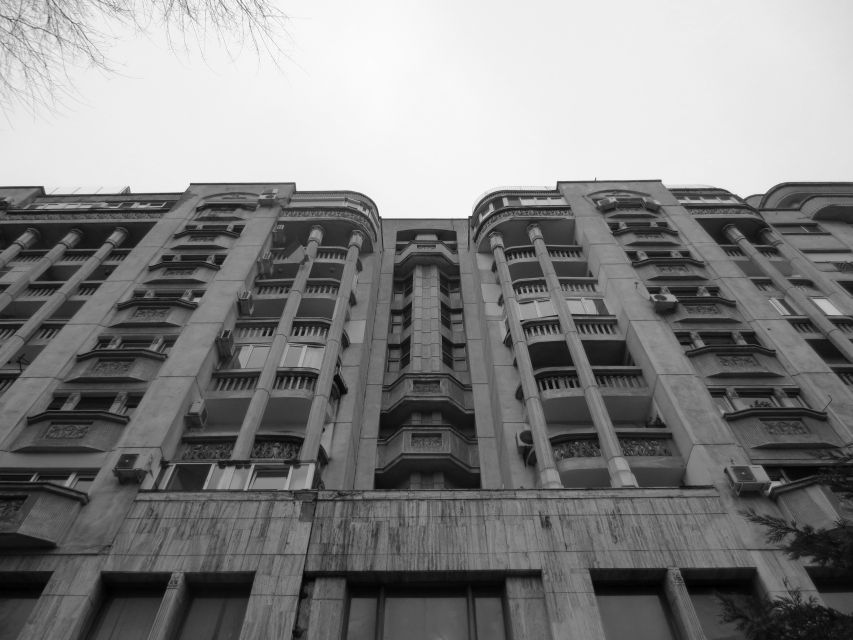
- Ceausescu’s era, explained through communist-era architecture
- Everyday life under communism, beyond the headlines
- The anti-communist revolution and the 1989 sites that matter
- Uranus neighborhood remains and surviving inter-war streets
- Pace, shade, and what the guide does really well
- Price and value for a 3-hour Communist Bucharest walk
- Should you book the 3-hour Guided Tour of Communist Bucharest?
- FAQ
- Where do I meet for the 3-hour Guided Tour of Communist Bucharest?
- How long is the tour, and what language is it in?
- How much does the tour cost?
- What is included in the price?
- Are drinks included at the cafe stop?
- Does the tour include entry inside the Palace of the Parliament?
- What should I bring?
- Is there free cancellation?
Quick hits before you go
- Ceausescu story with street-level context, not just a lecture
- Palace of Parliament exteriors, plus the politics behind its construction
- 1989 revolution memorial sites, tied to what happened on the ground
- Inter-war neighborhoods that survived communist urban reshaping
- Uranus neighborhood remains, a tangible reminder of what was erased
- Small snacks included and a short cafe break where you can buy drinks
Getting oriented near the Patriarchy bell tower
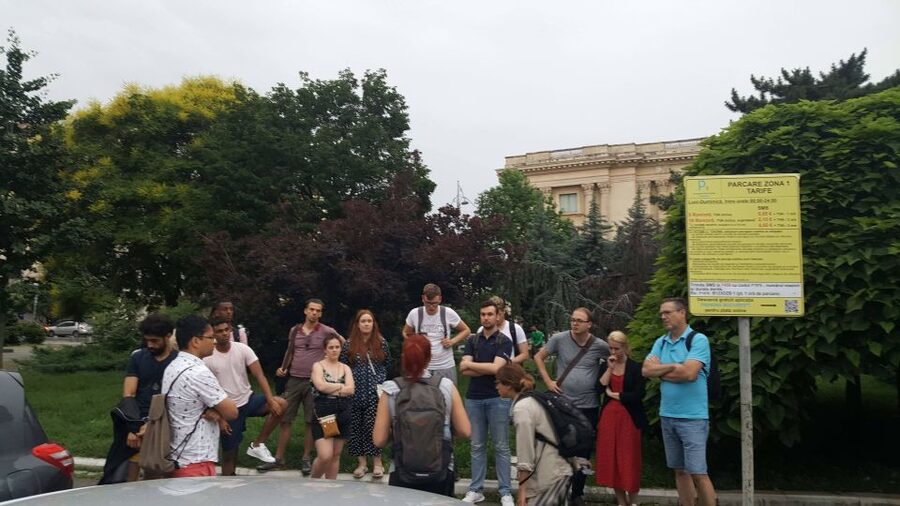
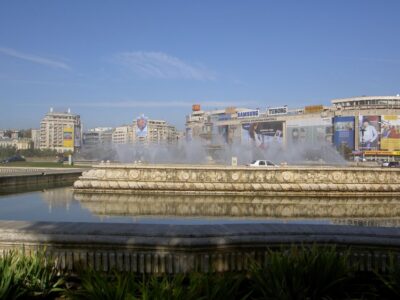
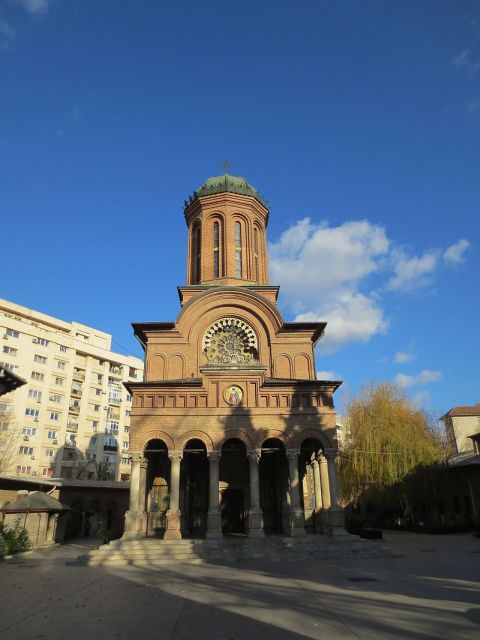
Most Communist Bucharest tours start with monuments. This one starts with orientation, and that’s a big deal for first-timers. You meet near the red-brick bell tower of the Patriarchy (Aleea Dealul Mitropoliei 19), a walk from Piata Unirii. From that starting point, the guide helps you read Bucharest like a map of political power.
Right away, you’ll notice how the city changes its tone street by street. That is the core idea of the tour: Bucharest is a collage where each regime left physical fingerprints. If you come in with only a vague sense of communist Romania, you’ll leave with a clearer “why” for what you see, and a better sense of how people were affected.
Two Bucharests in one walk: inter-war calm vs communist control
One of the tour’s most useful themes is the clash between two time periods. Inter-war Bucharest is often remembered for relative normalcy and prosperity, while the communist period is remembered for control, fear, and forced reshaping. On the ground, you don’t just hear this contrast. You see it.
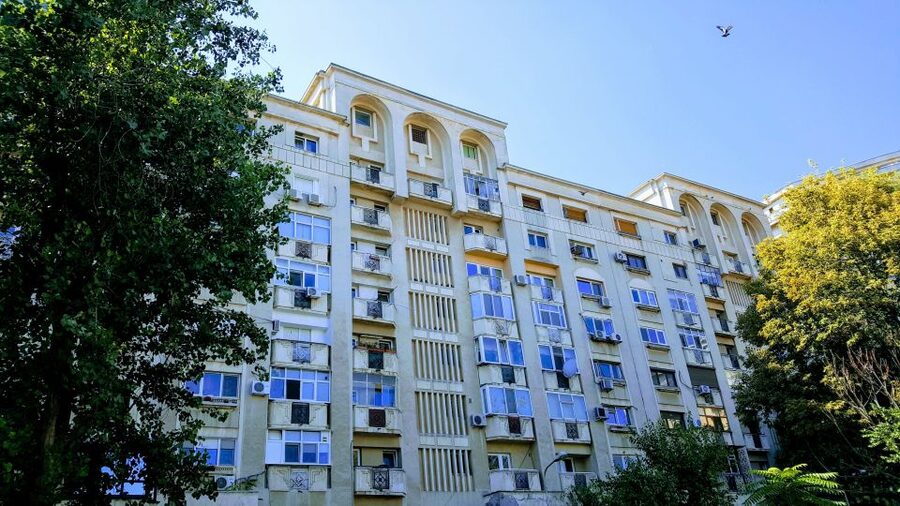
The guide explains how each regime left its mark on the city, so you can spot the differences without needing a history degree. You’ll walk through communist-era landmarks where the regime’s distinct architectural approach shows up in form and scale. And you’ll also get moments of relief when you’re near inter-war neighborhoods that were saved from the heavy-handed communist urban remodeling.
This is one of those experiences where the city becomes the textbook. The details matter, because architecture here is not neutral. Buildings act like propaganda, and streets show where families could live and where they could not.
The Ceausescu years, told other ways
Ceausescu’s era, explained through communist-era architecture
The central figure is Nicolae Ceausescu, and the tour uses him as a thread that ties the places together. You learn about his rise and the way the regime solidified power, then you’re shown how that power translated into construction projects and urban policies.
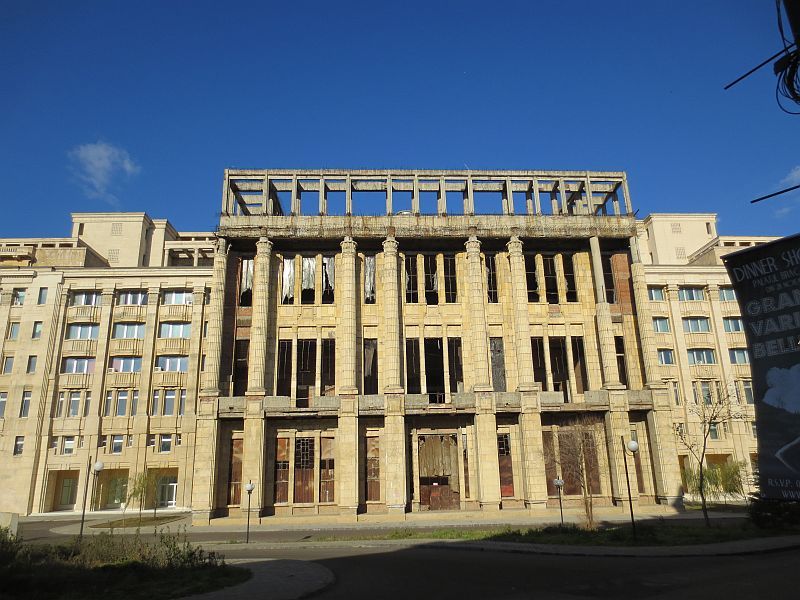
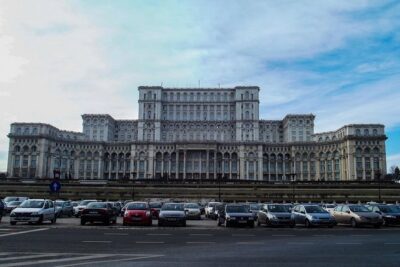
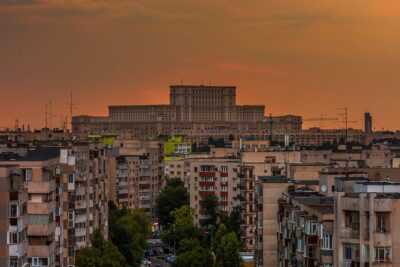
You’ll spend time around the Palace of Parliament area. Even without going inside, the exterior alone does a lot of work. It’s the kind of structure that makes a point, and the guide connects that to the political story behind it. You get context for why the Palace became such a symbol, and why it still feels controversial in modern Bucharest.
A practical note: the Palace is a major visual anchor, but the tour purpose is broader than one building. I like that the route doesn’t turn this into a “look at this, move on” stop. Instead, the guide keeps tying what you’re seeing to the regime’s approach to authority.
Everyday life under communism, beyond the headlines
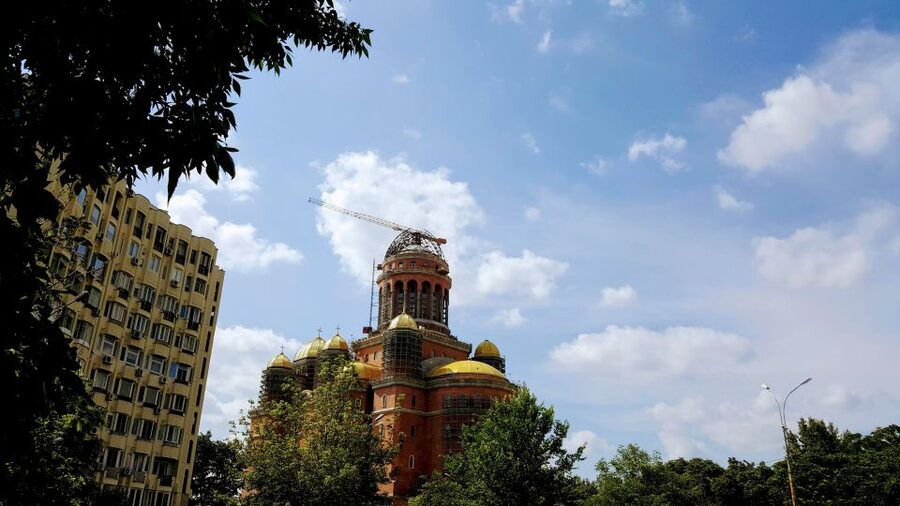
The tour isn’t only about rulers and big events. It also focuses on daily life under communist rule, and that makes the history hit differently. The guide shares stories that bring everyday routines into focus, from what people had to navigate to how the regime reshaped normal life.
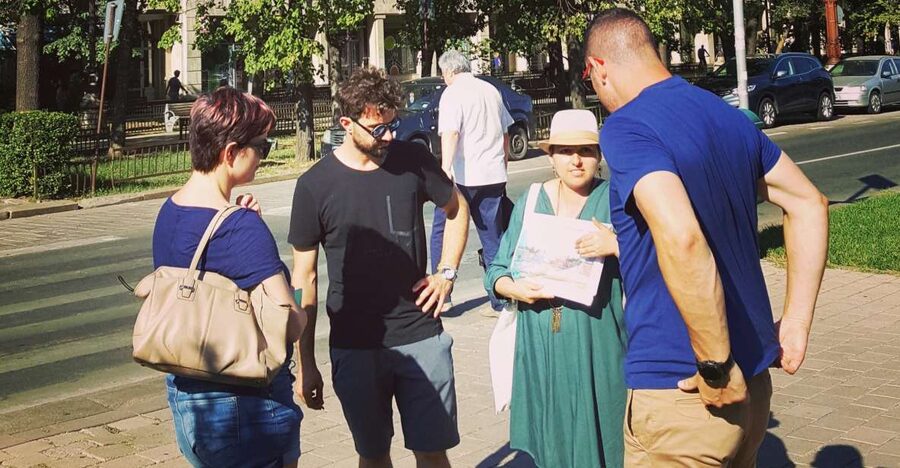
One of the most praised parts from past groups is how the guide makes complex topics easier to grasp. People repeatedly mention how she uses photos and a binder of images to explain what you’re looking at. That matters because the city’s clues can feel subtle if you’re just passing through. With the images and the narration, those same details become easier to understand.
You’ll also hear about the violent beginnings of the communist regime. The point is not just shock. It’s context. Once you understand that the regime’s early years involved violent disruption, the later urban changes make more sense.
The anti-communist revolution and the 1989 sites that matter
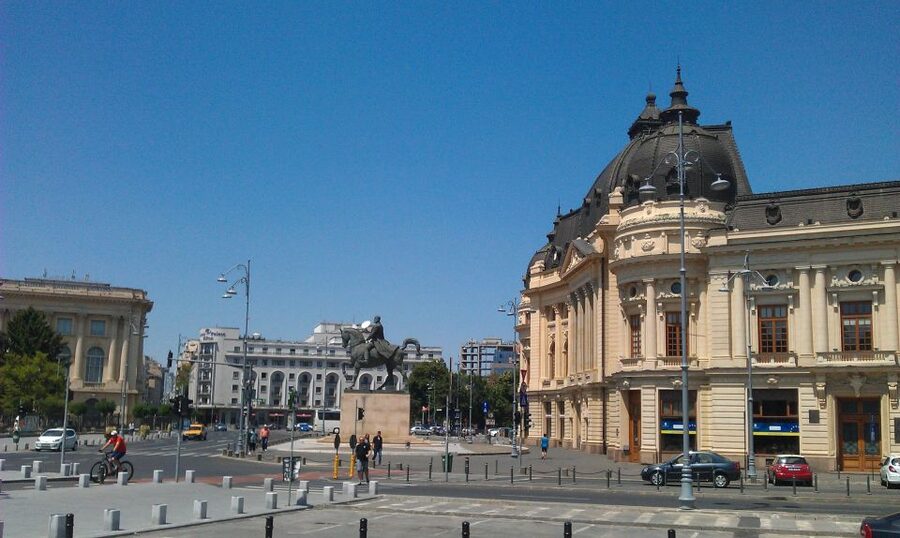
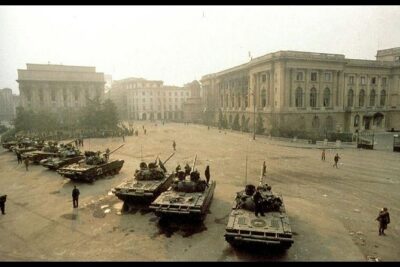
In a lot of tours, 1989 gets a quick mention and then it’s back to the buildings. Here, the revolution has room. The tour includes political memorials and sites that played a key role in the 1989 revolution, so you can connect the story of the fall of the Iron Curtain to real locations.
This is where the mood of the walk turns more serious. The anti-communist revolution was bloody, and the guide doesn’t soften the history. Still, the way the information is presented helps you stay oriented. You’re guided through what happened, why it mattered, and how it changed Romania’s trajectory.
If you like history with a sense of place, this section delivers. You’ll end up with a mental map of the revolution areas, not just a vague idea that it all happened around the city.
Uranus neighborhood remains and surviving inter-war streets
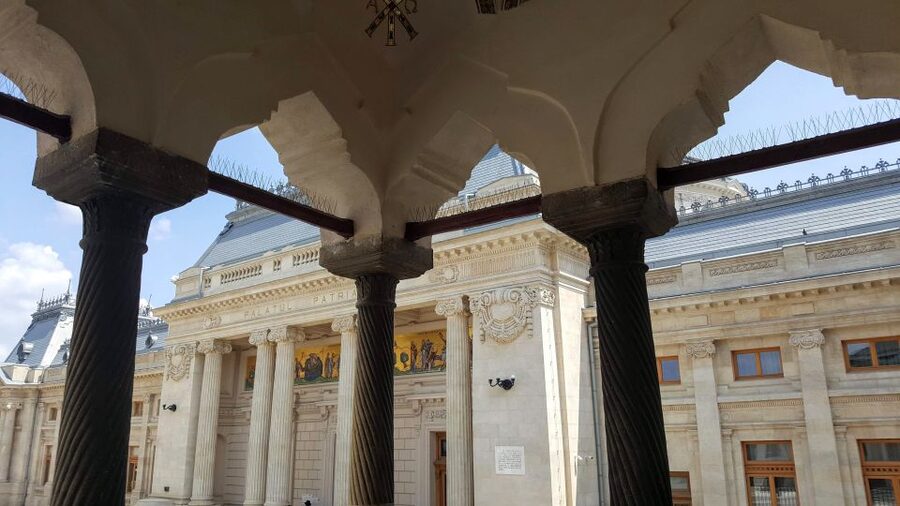
A standout part of the route is the contrast between what remained and what didn’t. You’ll visit lesser-known, charming inter-war neighborhoods that were saved from communist urban re-modeling. These are valuable because they show another layer of Bucharest, one that doesn’t feel dominated by communist building styles.
Then the tour shifts to the cost of the remodeling. You’ll see the remains of the Uranus neighborhood, a place tied to what was erased or disrupted as the city got reshaped. Even if you are not a architecture nerd, you’ll understand the point. The city isn’t only beautiful. It’s also a record.
For me, this is where the tour feels most human. You get to stand where ordinary life once existed, then you get the explanation of how political decisions can interrupt real neighborhoods. It’s history you can look at and walk through, instead of history locked behind glass.
Guided, and already checked
Pace, shade, and what the guide does really well
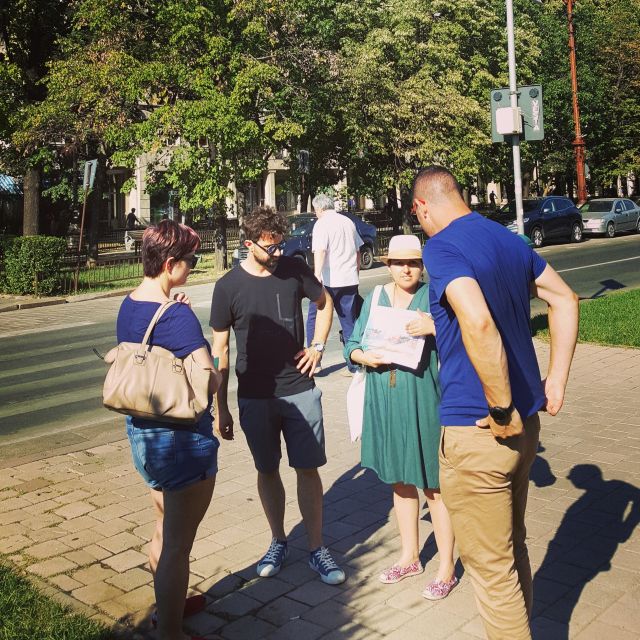
A lot of people rate this tour highly because the guide’s style turns a heavy topic into something you can follow. In multiple accounts, groups praised how the guide keeps explanations interesting, uses supporting visuals, and answers questions without rushing. Some even mention personal family anecdotes, which help the story feel lived, not staged.
Another practical plus is pacing. The guide appears willing to move at the group’s speed between stops and respond to questions as you go. That matters on a walking tour, because you want time to look, not just march from one point to the next.
You’ll also get a short break at a cafe during the 3 hours. Drinks and snacks there are at your own expense, but the tour also includes small snacks. On a sunny day, this break helps more than you think. One caution I’d give: plan for standing during explanations. A previous group specifically noted the issue on very hot days, and even when shade is found, you’ll still benefit from coming prepared with what you need to stay comfortable.
Price and value for a 3-hour Communist Bucharest walk
At $29 per person for 3 hours, this is a pretty strong value if your goal is context. You’re paying for a guided story across major symbols (like the Palace of Parliament exteriors), plus multiple sites tied to the 1989 revolution and the city’s communist-era imprint. It’s not a “one building, done” tour. It’s a connected route that helps you see the logic behind Bucharest’s architectural mix.
It also includes guided time plus small snacks, which can help you keep your energy stable during the walk. Museum fees are not included, and the tour does not include entry inside the Palace of Parliament. That’s worth knowing up front so you don’t expect ticketed interior time.
If you only have one afternoon in Bucharest and want your bearings on communist history, this tour is a smart use of time. If you already know every detail of Romania’s 20th-century politics, you might still enjoy it for the way the guide ties the information to streets you can actually stand on.
Should you book the 3-hour Guided Tour of Communist Bucharest?
I’d book it if you want history that feels concrete. The combination of communist-era architecture, the Palace of Parliament area, and the revolution-linked sites gives you a clear map of why Bucharest looks the way it does. I also think it’s a great choice for first-time visitors because it explains the city’s layered look, instead of expecting you to already know the names and dates.
Skip it or consider pairing it with something else if you dislike serious topics. This tour covers violent beginnings of the communist regime and a bloody 1989 revolution, so it isn’t a light stroll. Also, it’s a walking and standing format, so bring the right shoes and plan for comfort.
FAQ
Where do I meet for the 3-hour Guided Tour of Communist Bucharest?
You meet near the red-brick bell tower of the Patriarchy, within walking distance from Piata Unirii. The address is Aleea Dealul Mitropoliei 19, București 030167, Romania.
How long is the tour, and what language is it in?
The tour lasts 3 hours and the live guide offers the experience in English.
How much does the tour cost?
The price is $29 per person.
What is included in the price?
The tour includes a guided tour and small snacks.
Are drinks included at the cafe stop?
No. The tour includes a short break at a café, but drinks and snacks there are at your own expense.
Does the tour include entry inside the Palace of the Parliament?
No. You’ll visit the Palace of Parliament area, but you will not go inside.
What should I bring?
Wear comfortable shoes. The tour involves walking.
Is there free cancellation?
Yes. The activity offers free cancellation up to 24 hours in advance for a full refund.
Whatever Else Bucharest Is Selling
- Bucharest to Dracula Castle, Peles Castle and Brasov Guided Tour
★ 4.5 · 2,933 reviews - Bucharest: Palace of Parliament Tickets and Guided Tour
★ 4.4 · 1,877 reviews - Transylvania and Dracula Castle Full Day Tour from Bucharest
★ 4.5 · 1,589 reviews - Bucharest: City Highlights Guided Walking Tour
★ 4.9 · 1,482 reviews - From Bucharest: Brasov Peles & Dracula’s Castle Day Tour
★ 4.5 · 1,244 reviews
Everything Else We Reviewed In Bucharest
- Bucharest: Dracula’s Castle, Peles Castle, & Brasov Old Town
★ 4.5 · 17,858 reviews - Bucharest: Dracula Castle, Peles Castle & Brasov Old Town
★ 4.6 · 10,891 reviews - Bucharest: Dracula’s Castle, Peleș Castle & Brașov Day Trip
★ 4.5 · 5,919 reviews - Bucharest: Palace of Parliament Tickets and Guide
★ 4.3 · 3,182 reviews - Bucharest: Day Trip to Dracula Castle, Peles Castle & Brașov
★ 4.4 · 3,049 reviews
The Communist Years, Retold
- The Real tour of Communism
★ 5.0 · 666 reviews - Life under Communism
★ 5.0 · 358 reviews - Bucharest Essential Tour: Old Town, Calea Victoriei & Communism
★ 5.0 · 142 reviews - Communism in Bucharest – Landmarks, Museum & Communist Appetizers
★ 5.0 · 111 reviews - Bucharest: Relics of Communism 3-Hour Walking Tour
★ 4.9 · 77 reviews
Recently added around Bucharest
- Private Tasting Expedition Along Romania’s Most Famous Wine Route★ 5.0 · 3 reviews
- Private Guided Tour of Peles Castle and Bran Castle from Bucharest★ 5.0 · 3 reviews
- Private Sightseeing Tour of Bucharest★ 4.5 · 3 reviews
- Discover Europe’s Deepest Mines & Peles Castle’s Royal Charm★ 5.0 · 3 reviews
- Bucharest City Tour and Wine Tasting★ 5.0 · 3 reviews
Communism and Ceausescu Tours, compared.
 ★ 5.0The Real tour of CommunismFrom $32666 reviews
 ★ 5.0Life under CommunismFrom $42358 reviews
 ★ 5.0Bucharest Essential Tour: Old Town, Calea Victoriei & CommunismFrom $24142 reviews
 ★ 5.0Communism in Bucharest – Landmarks, Museum & Communist AppetizersFrom $48111 reviews
 ★ 4.9Bucharest: Relics of Communism 3-Hour Walking TourFrom $4477 reviews
 ★ 5.0Bucharest Under Communism: Life, Terror & HopeFrom $2376 reviews
 ★ 4.6Bucharest: Entry ticket at the Museum of CommunismFrom $957 reviews
 ★ 4.6Bucharest: Museum of Communism Ticket with Communist CoffeeFrom $1052 reviews
Browse the lists this tour appears in