
REVIEW · BUCHAREST
Life under Communism
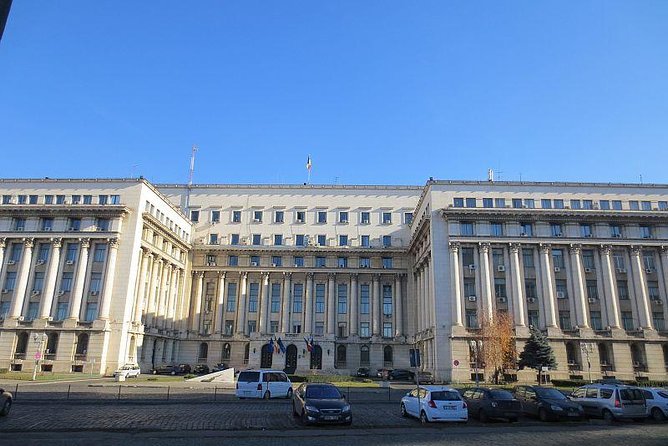
Communism did not feel abstract here. In Bucharest, you walk past the buildings of power and hear how ordinary people adapted under Ceaușescu’s rule, from church pressure to 1989’s bloody end. I love how the route stays practical and moving, not just dates on a page, and I also love the clear English storytelling I heard firsthand, with extra care for pacing and hearing needs when the group needs it. One drawback: it is a walking tour, so bring comfortable shoes and expect a steady pace for about 3 hours.
You also get a rare mix of architecture and human detail. The tour touches the dictator’s image-making projects, the quieter spaces where religion and daily life got squeezed, and the dramatic turning point at Revolution Square. Just note that not every stop is free, so you may need to plan for the Palace of Parliament ticket on your own.
In This Review
- Key Highlights You Should Care About
- Bucharest’s Communist Footprint, Written in Stone and Streets
- Meeting Point, Ending at Revolution Square, and Realistic Timing
- Stop 1, Catedrala Patriarhala and the Violent Beginning of Communism
- Stop 2, Palace of Parliament and the Scale of Power
- Stop 3, Manastirea Antim and What Happened to Religion
- Stop 4, Old Town and Caru’ cu bere’s Role in Foreign Policy
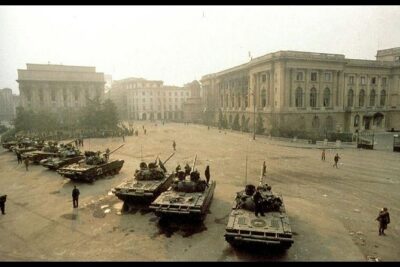
- Stop 5, Piaka Revolukiei (Revolution Square) and the End of Ceaușescu
- Why the Guiding Makes This One Feel Worth $42.33
- A Few Honest Watch-Outs Before You Book
- Who This Tour Suits Best
- Quick Practical Checklist (So You Can Focus on the Story)
- Should You Book Life under Communism in Bucharest?
- FAQ
- How long is the Life under Communism tour in Bucharest?
- Is the tour offered in English?
- What is included in the price?
- Are tickets included for every stop?
- Is the tour a walking tour?
- Does it run in bad weather?
- How many people are in the group?
Key Highlights You Should Care About
- A 5-stop, 3-hour route through communist-era landmarks plus 1989’s key sites
- Real stories from Romanian life, not just political slogans or textbook facts
- Palace of Parliament for the scale of power, with the admission ticket not included
- Catedrala Patriarhala and Manastirea Antim to see how faith was pressured
- Old Town and Caru’ cu bere for the uncomfortable link between food, image, and foreign policy
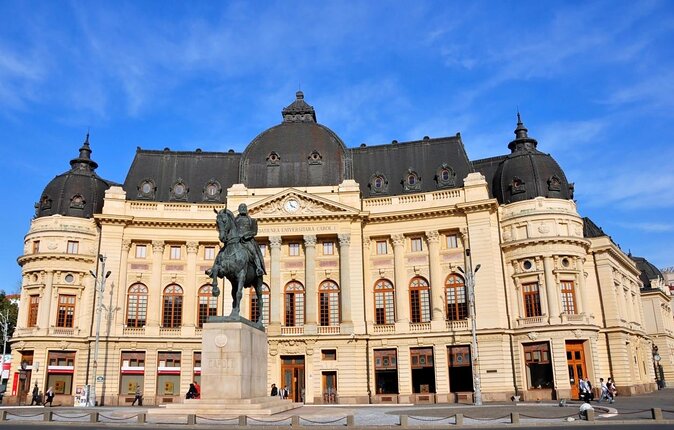
- Revolution Square (Piaka Revolukiei) for the moment communism collapsed, explained in context
Bucharest’s Communist Footprint, Written in Stone and Streets
If you want to understand communism in Romania, this is the kind of tour where the city teaches you. Bucharest has communist-era construction all over the place, and you can see the mindset in the scale, the materials, and the way power tried to look permanent. You walk through that reality, then you connect it to what it meant for daily life.
I also like that the tour keeps both the political story and the human story in the same frame. Ceaușescu’s rise and fall is the backbone, but the emphasis stays on how people navigated shortages, fear, and official control. One guide tone you’ll notice in the way they present it: facts first, no cheap cheerleading.
Meeting Point, Ending at Revolution Square, and Realistic Timing
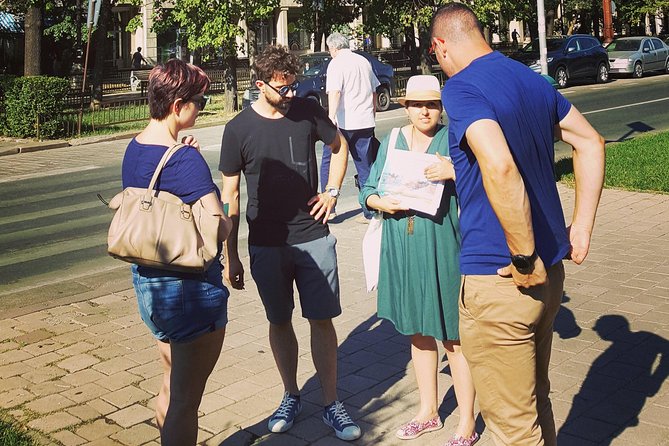
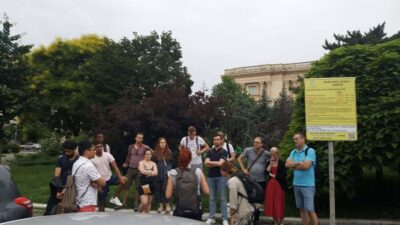
The start is at Aleea Dealul Mitropoliei 19, București 030167, and you finish at Revolution Square, Piața Revoluției. The tour runs about 3 hours, and the group size is capped at 20 people, which helps keep questions from piling up.
Pacing is important because the route is walking. Bucharest traffic can also slow things down at street crossings, so give yourself a little patience if the day feels busy. On top of that, the tour runs in weather, so dress for rain or sun depending on what the day hands you.
The Ceausescu years, told other ways
Stop 1, Catedrala Patriarhala and the Violent Beginning of Communism
You start at Catedrala Patriarhala, with the story set to the early, harsh phase of communist rule. This first stop matters because it frames communism not as a smooth, ideological transition, but as something enforced. When you stand in a major religious building, the contrast between belief and state control hits faster.
You also get a simple plus here: admission is free for this stop. That makes it an easy way to begin with context before you move into larger, more politically charged sites.
Stop 2, Palace of Parliament and the Scale of Power
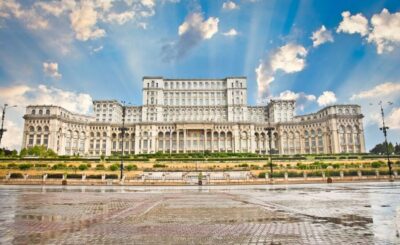
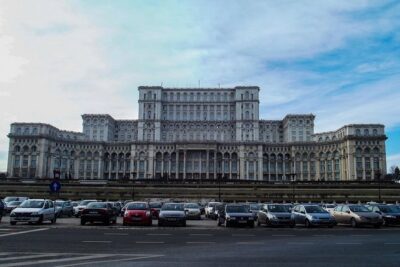
Next comes the Palace of Parliament, the headline site for Ceaușescu’s show-of-strength era. The tour focuses on the real story behind it, including why this huge administrative building became the face of state power. You do not need a background in architecture to grasp the point, because the building itself is part of the argument.
A practical note: admission ticket is not included. So if you’re budget-minded, plan for that extra cost ahead of time. Even if you are only there briefly during the tour stop, it is the kind of place where you quickly understand how regimes try to put control into brick and marble.
Stop 3, Manastirea Antim and What Happened to Religion
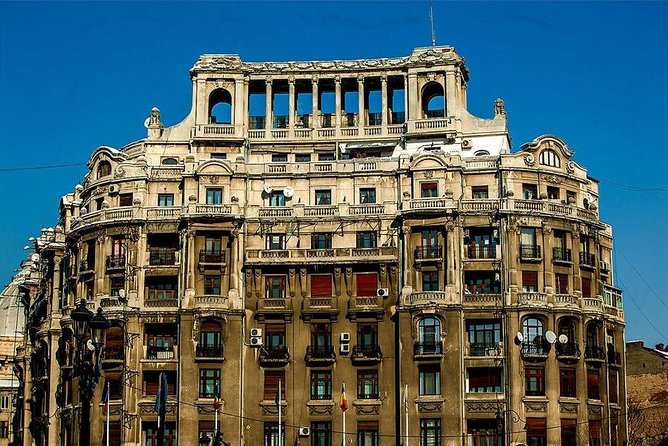
After the political monument energy, you switch gears to Manastirea Antim. This is a medieval monastery stop that helps you see how the communist regime shaped or restricted religion. It is a softer setting than the big civic buildings, but the story underneath it is not.
This stop also has a free admission advantage. You get a clear contrast from earlier stops, and it helps you connect the dots between ideology and day-to-day social pressure. If you care about cultural life, this is one of the spots where the tour’s storytelling can feel most grounded.
Stop 4, Old Town and Caru’ cu bere’s Role in Foreign Policy
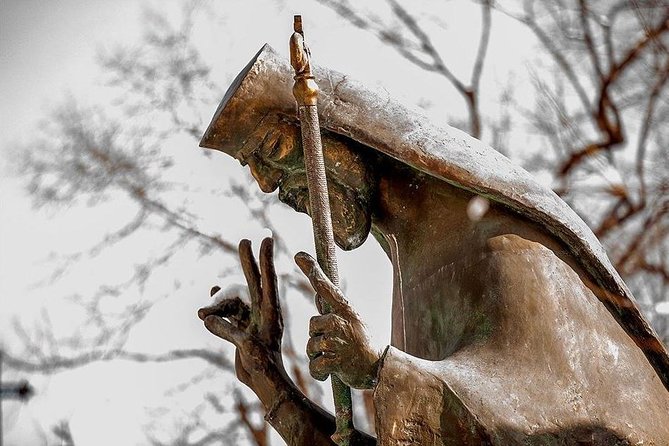
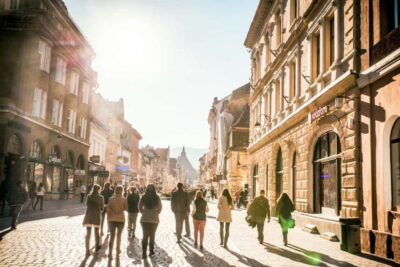
Old Town is where Bucharest starts to feel alive, and the tour uses that atmosphere for a specific purpose. You visit Caru’ cu bere, a spectacular restaurant tied to the way the regime managed its image for outsiders. The idea is simple: official power still needed a stage, even for something as everyday as dining.
This stop is also free. It gives you a chance to see a piece of Bucharest that many people enjoy, while still learning why it had a political function under communism. If you like tours that link culture and power instead of treating them separately, you’ll probably appreciate this stop.
Stop 5, Piaka Revolukiei (Revolution Square) and the End of Ceaușescu
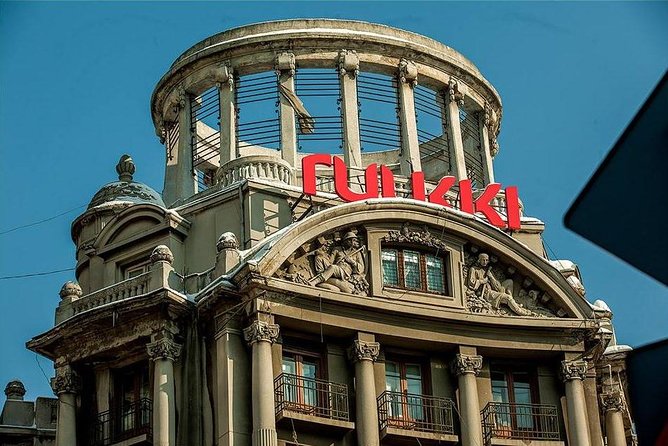
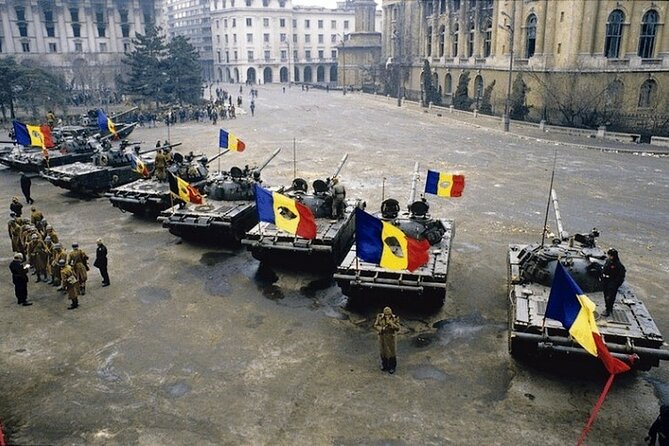
The final stop brings you to Piaka Revolukiei, also known as Revolution Square, where communism collapsed and Ceaușescu’s downfall became impossible to ignore. The tour frames this not as a sudden switch, but as a violent, high-stakes breaking point. You walk into the place where history stopped being theoretical.
This is another free stop, which makes sense. Revolution Square is about the meaning of the space itself, and you get the context that makes it more than a photo spot. For many people, this is the moment the entire tour clicks, because it ties the earlier stops together into a single story arc.
Why the Guiding Makes This One Feel Worth $42.33
The price, $42.33 per person, is not just for logistics. You’re paying for a professional guide who can connect the city’s visible clues to the invisible life behind them. And the English delivery is a real asset, especially for people who need clarity.
I also like the way the guide approach shows up in the comments: accommodation and flexibility. One recurring detail is that guides adjust for slower walking pace and even make sure people can sit or lean when needed. Another recurring theme is that the storytelling includes family perspectives, including how different generations remember what they lived through.
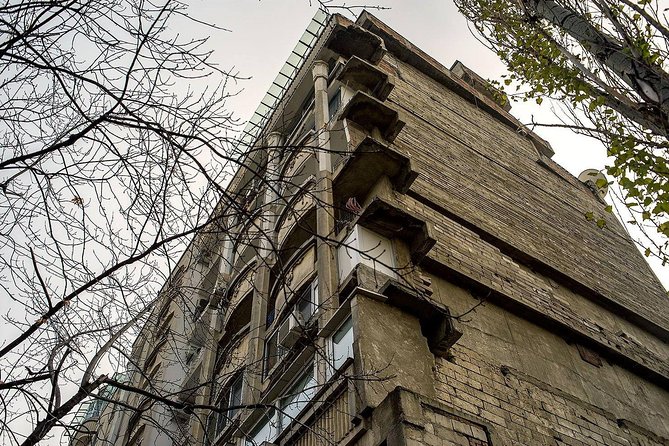
That family-level angle is why this kind of tour can feel more like understanding than memorizing. You’re not only learning what happened, you’re hearing how it changed routines, fears, and relationships. Some of the strongest moments, based on the stories shared, include sights like a former Securitate office now repurposed into an ordinary, run-down building, and reminders of the old food lines. It’s the difference between seeing a fact and feeling how it functioned.
One more plus: the tour approach is explicitly balanced. It aims to present accurate facts and the real consequences, including both the benefits and costs people associated with communism. That balance can help you hold onto nuance instead of turning the subject into a simple moral scoreboard.
A Few Honest Watch-Outs Before You Book
This tour has a lot going for it, but no tour is perfect. Here are the realistic considerations I’d flag before you commit.
First, it is a walking route. Even if the group is small, you still need to be comfortable moving for about 3 hours.
Second, the Palace of Parliament ticket is not included, so budget for that separate entry. If you dislike spending extra money last minute, factor it in early.
Third, Bucharest can be slow moving. If you’re sensitive to schedule changes, be mentally flexible. One theme in the day is that traffic can affect timing between stops.
Finally, arrival matters. A small number of people reported difficulty locating the guide at the meeting point, so arrive a bit early and confirm you’re at the correct start address.
Who This Tour Suits Best
This is ideal if you want the communist era explained through places you can actually stand in. You’ll likely enjoy it if you care about 20th-century history, political power, and how daily life changes under an authoritarian system.
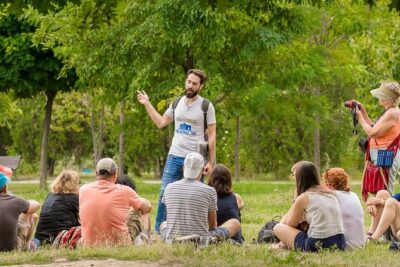
It also suits people who like a guide who answers questions. Many tour moments depend on conversation, and a strong guide can pivot between city history, family stories, and the practical details of what daily life looked like.
If you want food as part of the plan, plan differently. Food and drinks are not included unless specified, so you’ll want to eat before or after.
Quick Practical Checklist (So You Can Focus on the Story)
- Wear comfortable shoes for a walking tour
- Dress for the weather since it operates in varying conditions
- Bring a plan for the Palace of Parliament ticket since it is not included
- Expect a small group, up to 20 people, for a question-friendly pace
- Use the mobile ticket you receive for entry
Also, if you’re traveling with a service animal, service animals are allowed. That’s a helpful inclusion for many people.
Should You Book Life under Communism in Bucharest?
I think you should book this tour if you want a clear, human-scale explanation of Romania under communism, delivered through real city sites. The combination of Revolution Square context, the Palace of Parliament power story, and the contrast of church and monastery stops creates a complete arc that is hard to replicate on your own.
Skip it only if you hate walking, or if you prefer very light historical content. This one is fact-forward and place-forward. For most people, that’s exactly the point, and it ends up feeling like the highlight because it turns Bucharest into a timeline you can walk through.
FAQ
How long is the Life under Communism tour in Bucharest?
The tour lasts about 3 hours.
Is the tour offered in English?
Yes, it is offered in English.
What is included in the price?
You get a professional guide. Food and drinks are not included unless specified, and there is no hotel pickup or drop-off.
Are tickets included for every stop?
Not all stops. Catedrala Patriarhala, Manastirea Antim, Old Town, and Piaka Revolukiei have free admission, but the Palace of Parliament admission ticket is not included.
Is the tour a walking tour?
Yes, it is a walking tour, and you should wear comfortable shoes.
Does it run in bad weather?
It operates in all weather conditions and you should dress appropriately. If the experience is canceled due to poor weather, you will be offered a different date or a full refund.
How many people are in the group?
The tour has a maximum of 20 travelers.
Everything Else We Reviewed In Bucharest
- Bucharest: Dracula’s Castle, Peles Castle, & Brasov Old Town
★ 4.5 · 17,858 reviews - Bucharest: Dracula Castle, Peles Castle & Brasov Old Town
★ 4.6 · 10,891 reviews - Bucharest: Dracula’s Castle, Peleș Castle & Brașov Day Trip
★ 4.5 · 5,919 reviews - Bucharest: Palace of Parliament Tickets and Guide
★ 4.3 · 3,182 reviews - Bucharest: Day Trip to Dracula Castle, Peles Castle & Brașov
★ 4.4 · 3,049 reviews
The Communist Years, Retold
- The Real tour of Communism
★ 5.0 · 666 reviews - 3-Hour Guided Tour of Communist Bucharest
★ 4.9 · 303 reviews - Bucharest Essential Tour: Old Town, Calea Victoriei & Communism
★ 5.0 · 142 reviews - Communism in Bucharest – Landmarks, Museum & Communist Appetizers
★ 5.0 · 111 reviews - Bucharest: Relics of Communism 3-Hour Walking Tour
★ 4.9 · 77 reviews
Recently added around Bucharest
- Private Tasting Expedition Along Romania’s Most Famous Wine Route★ 5.0 · 3 reviews
- Private Guided Tour of Peles Castle and Bran Castle from Bucharest★ 5.0 · 3 reviews
- Private Sightseeing Tour of Bucharest★ 4.5 · 3 reviews
- Discover Europe’s Deepest Mines & Peles Castle’s Royal Charm★ 5.0 · 3 reviews
- Bucharest City Tour and Wine Tasting★ 5.0 · 3 reviews
Communism and Ceausescu Tours, compared.
 ★ 5.0The Real tour of CommunismFrom $32666 reviews
 ★ 4.93-Hour Guided Tour of Communist BucharestFrom $29303 reviews
 ★ 5.0Bucharest Essential Tour: Old Town, Calea Victoriei & CommunismFrom $24142 reviews
 ★ 5.0Communism in Bucharest – Landmarks, Museum & Communist AppetizersFrom $48111 reviews
 ★ 4.9Bucharest: Relics of Communism 3-Hour Walking TourFrom $4477 reviews
 ★ 5.0Bucharest Under Communism: Life, Terror & HopeFrom $2376 reviews
 ★ 4.6Bucharest: Entry ticket at the Museum of CommunismFrom $957 reviews
 ★ 4.6Bucharest: Museum of Communism Ticket with Communist CoffeeFrom $1052 reviews
Browse the lists this tour appears in