
REVIEW · BUCHAREST
Bucharest: Relics of Communism 3-Hour Walking Tour
Bucharest’s communist buildings still speak. This 3-hour walking tour turns the city into a living classroom, with Socialist realism made understandable through the people and power behind it. You’ll cover big-symbol sites and the everyday stuff that usually gets skipped.
I especially like two parts: the focus on hidden churches that communism tried to erase, and the way the guide keeps answering questions instead of rushing to the next corner. Guides such as Elena, Stefan, and Tudor come up often in feedback, and they tend to explain things with extra detail and supporting visuals.
One possible drawback to plan for: the topic is heavy. You’ll hear about the secret police, propaganda, and daily life under Ceaușescu, including ration cards and the black market, so it’s not a light sightseeing stroll.
In This Review
- Key things you’ll notice on this tour
- How Communist Bucharest Still Shapes the City Today
- Memorial of Rebirth to Revolution Square: Starting With a Meaningful Compass
- Revolution Square and Ceaușescu’s Last Speech Balcony Moment
- Piața 21 Decembrie 1989: Following the Revolution Through the City
- Michael the Voivode Church: The Religious Sites Communism Tried to Forget
- Piața Unirii: Everyday Life Under Ceaușescu, From Ration Cards to Propaganda
- Palace of the Parliament: Socialist Realism Built to Impress, Built to Control
- The 3-Hour Walking Format: Exactly Enough Time, With Room for Questions
- Price and Value: What $44 Includes, and What You Should Pair With It
- Who This Tour Is Best For (and Who Might Skip It)
- Should You Book This Relics of Communism Walk?
- FAQ
- How long is the Bucharest Relics of Communism walking tour?
- Where do I meet the guide?
- Where does the tour end?
- Is the tour offered in English?
- What group size should I expect?
- What is included in the price?
- Is hotel pickup or drop-off included?
- Can I reserve without paying right away?
- Is there free cancellation?
Key things you’ll notice on this tour
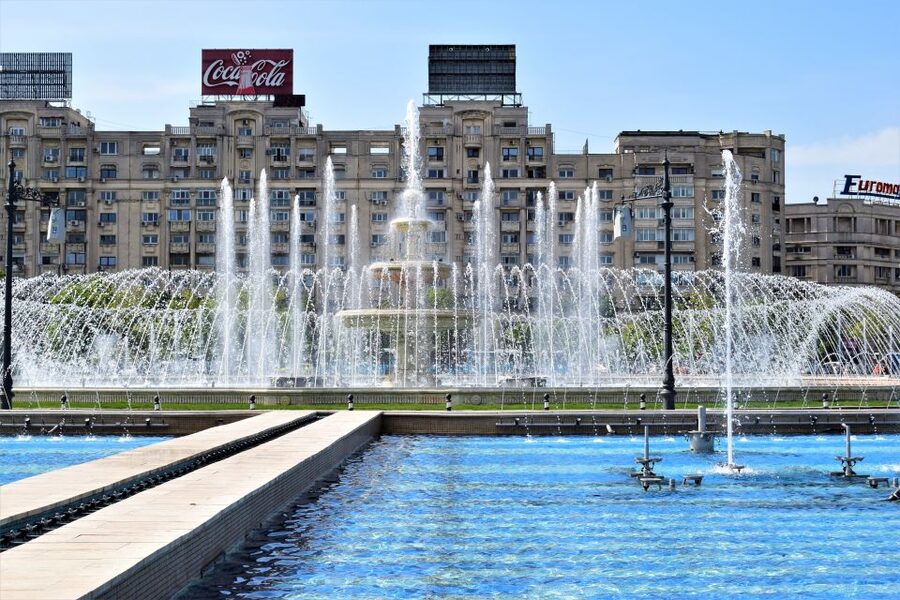
- Small group, up to 10 people, which means more time for questions and less standing around
- Revolution Square first, so you get the 1989 context before you see the architecture
- Hidden churches stop, including the Michael the Voivode Church, which adds a human layer to the story
- Palace of the Parliament viewing time, framed as a symbol of centralized power
- Real-life details like propaganda, the secret police, ration cards, and the black market
- A Romanian snack souvenir included, plus a chance for a short local-bar break depending on pace
How Communist Bucharest Still Shapes the City Today
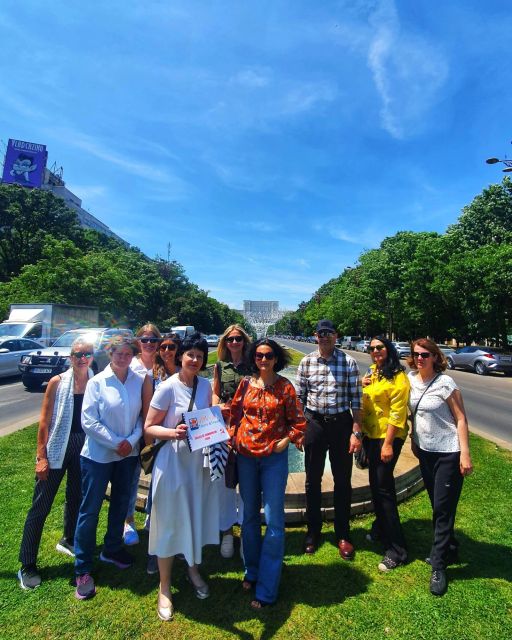
Bucharest is one of those places where political power left fingerprints on the streets. This tour is built around that idea. Instead of treating communist history like a museum label, you’ll connect it to buildings, public spaces, and the routines people had to follow.
What I like is the balance between the “big story” and the lived reality. You’ll hear about ideology and political control, but also about day-to-day survival, including ration cards and the black market. That mix helps you understand why certain structures feel so stark and why some religious sites became targets.
If you enjoy modern history, city design, or how regimes use symbols, you’ll get a lot out of the walk. And if you’re mostly here for architecture, it still works because the guide constantly explains what you’re looking at and why it matters.
Memorial of Rebirth to Revolution Square: Starting With a Meaningful Compass
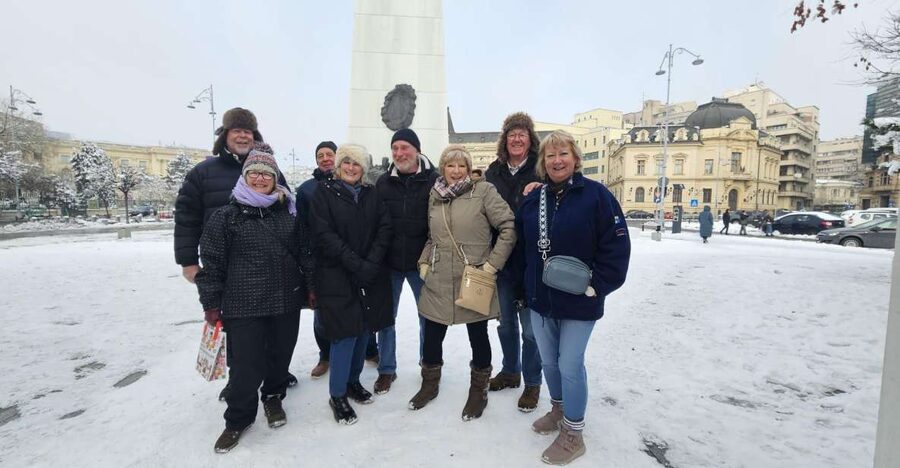
The tour begins at the Memorial of Rebirth in Revolution Square. This matters more than you might think, because it sets the tone: the walk is about the communist era and the revolution that ended it. You’ll get positioned in the right mental frame before stepping into the major visual cues of the regime.
From the start, expect a guided flow that moves you across central areas on foot, with frequent stops for context. The total duration is about 3 hours, so the guide keeps the focus tight, then expands on what you ask. That short, focused format is useful if you’re trying to fit history into a packed Bucharest itinerary.
Practical note: there is no hotel pickup. You’ll need to get yourself to the Memorial of Rebirth on your own, then the group handles the walking. With a small group size, you generally won’t feel swallowed by a crowd, but you should still wear comfortable shoes.
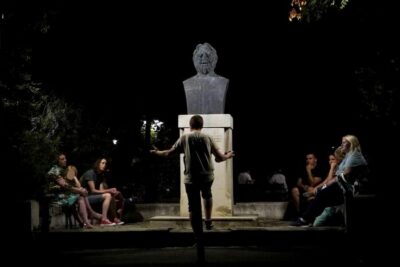
The Ceausescu years, told other ways
Revolution Square and Ceaușescu’s Last Speech Balcony Moment
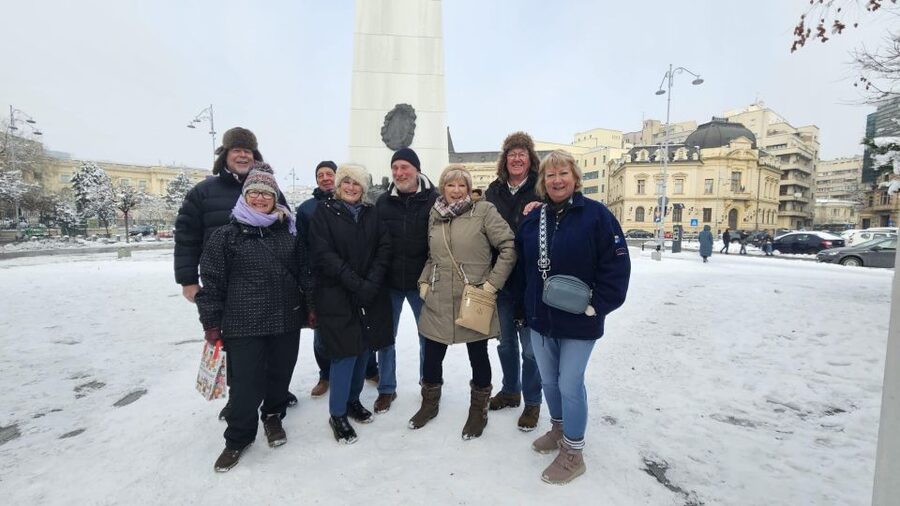
Revolution Square is where the story tightens. You’ll spend time near the balcony where Ceaușescu held his last speech, and the guide connects that moment to how the revolution unfolded. It’s a powerful setup because the square isn’t just a pretty viewpoint, it’s a hinge in Romania’s recent history.
This is where the tour earns its reputation for strong explanations. Feedback often highlights that the guides, including Elena in multiple accounts, answer questions with real detail, not recycled talking points. If you have curiosity about how regimes fall or how public spaces become stages, you’ll probably ask a lot of follow-ups.
The pace here is not frantic. You’ll have time to look and process. That’s important because communist-era architecture can be visually blunt, and the meaning comes from what the regime wanted people to feel when they stood there.
One consideration: if you don’t enjoy political history, this segment may feel emotionally intense. The tour’s value is exactly that it treats the revolution as a human turning point, not just a date on a sign.
Piața 21 Decembrie 1989: Following the Revolution Through the City
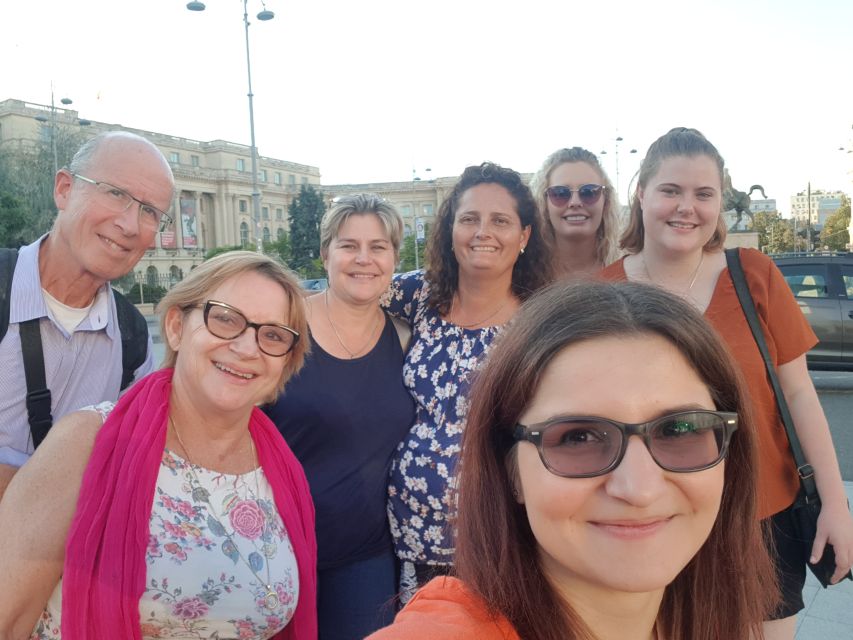
Next you move to Piața 21 Decembrie 1989, where the guide continues the 1989 narrative. The point is not only to tell you what happened, but to show how the revolution reshaped where people gathered and how they understood their own city.
This stop is useful because it keeps the story from becoming abstract. You’re walking through the urban geography of the revolution, and that makes the timeline easier to grasp. It’s also one reason the tour works well for first-time visitors: you get a fast mental map of key places tied to 1989.
You’ll also hear how the transition into democracy played out after the communist era, with the guide explaining what changed and what didn’t. Even in a short walk, the narrative helps you connect the end of the regime to the next chapter of Bucharest.
If you like to take photos, this is a good area to do it. Just be ready for the fact that some views are more about edges and angles than postcard glamour, because the power structures were designed to project control.
Michael the Voivode Church: The Religious Sites Communism Tried to Forget
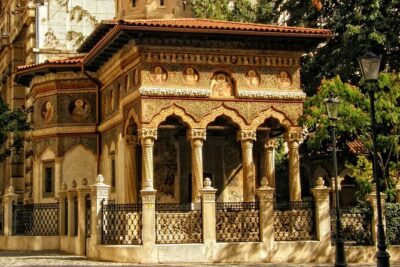
One of the most memorable parts of this tour is the stop at the Michael the Voivode Church. The guide frames it as one of the churches the communists wished to forget. That single detail changes how you look at it: you’re not just seeing a church, you’re seeing a story of resistance, survival, and memory.
This is also where the tour feels more balanced. Communist history can sound like only politics and concrete, but religion and community provide a different angle. You’ll get context for how ideology tried to reshape belief, and how those religious spaces stayed important.
The time here is short, but the guide makes it count. Guided visits typically focus on the meaning of the site, how it fits into the larger Bucharest story, and what was at stake. If your interest goes beyond architecture into everyday identity, this stop is a highlight.
A useful tip: if you’re the type who reads plaques, take a beat at this church. The guide’s explanation gives you the background, and then the physical space helps it stick.
Piața Unirii: Everyday Life Under Ceaușescu, From Ration Cards to Propaganda
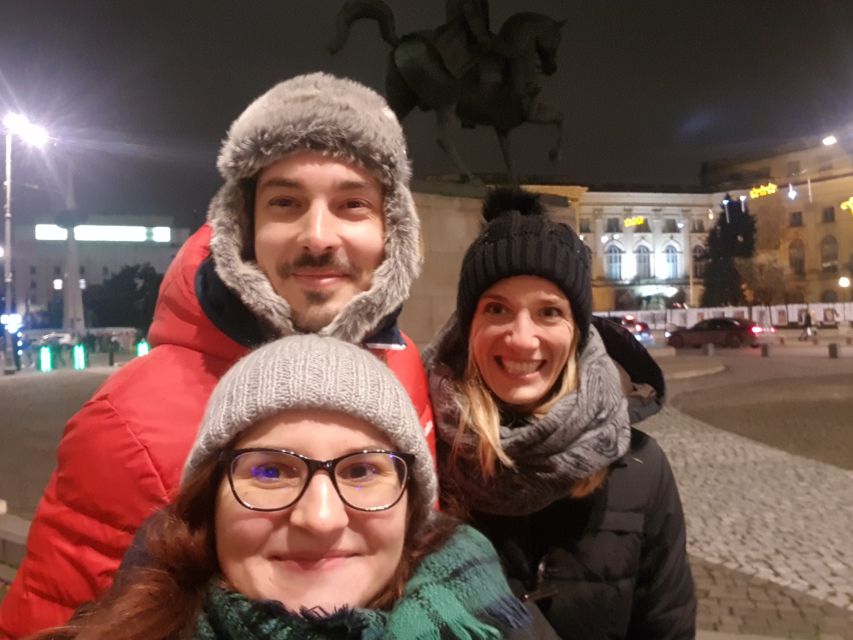
At Piața Unirii, the tour shifts gears from the “big monuments” feeling toward lived reality. This is where the guide’s explanations of daily life under Ceaușescu become especially relevant. Expect to hear about ration cards, propaganda, and the way ordinary people navigated shortages and restrictions.
The black market comes up too. That might sound like trivia, but it’s actually a core detail for understanding the era. When the official system can’t provide enough, people adapt, trade, and find workarounds. Hearing that inside the city’s real public spaces helps the story feel practical, not theoretical.
Another thread you’ll hear is the secret police. The guide connects this to how control worked, and how fear shaped public behavior. It’s not meant to scare you for the sake of drama. The goal is understanding how the regime maintained authority.
And this is where the small group size pays off. You can ask questions about what you see and how it connects to the policies you hear about. Multiple guide mentions in feedback point to a Q and A style that doesn’t shut down curiosity.
You should also be ready for occasional extras depending on your guide’s pace and your group’s interests. One account mentions additional context for a WWII enthusiast, and another describes the guide using visuals and even real artifacts like old communist school books and photo documentation. Not every group will get the same add-ons, but it signals that the guide work is research-heavy.
More Bucharest on foot
Palace of the Parliament: Socialist Realism Built to Impress, Built to Control
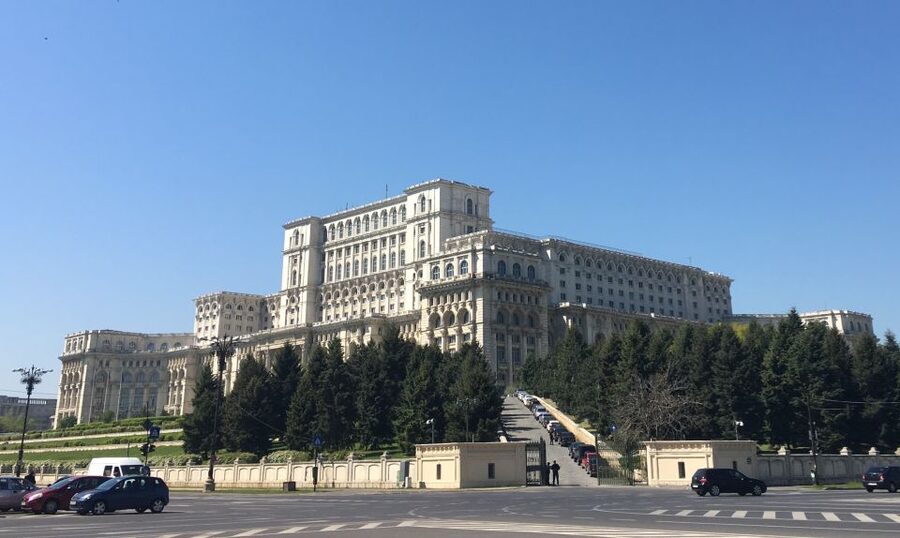
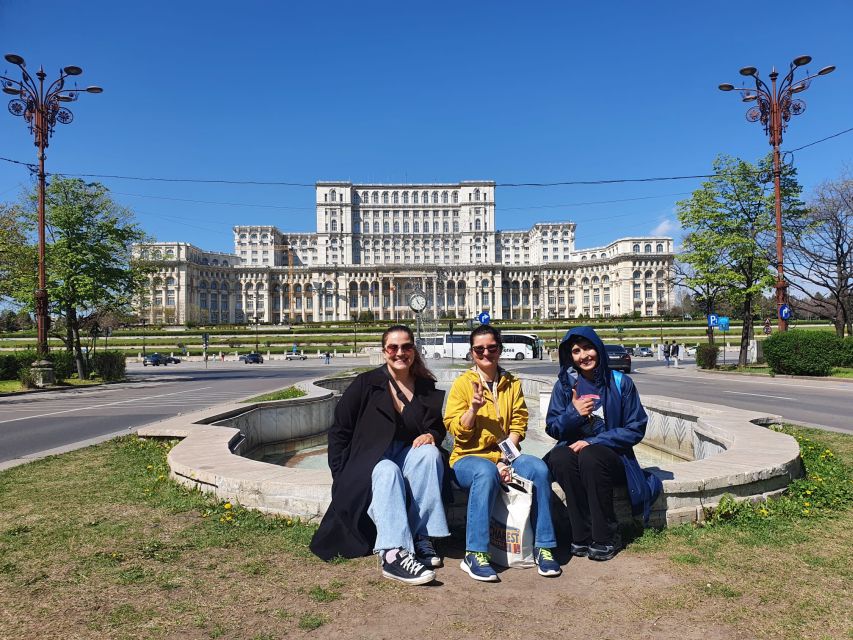
Then comes the major visual punch: the Palace of the Parliament. You’ll spend guided time here, framed as the absolute center of power. The key idea is Socialist realism not just as style, but as message.
You’ll likely notice the architecture feels heavy, deliberate, and meant to dominate the surroundings. That’s the point. The regime wanted scale and symmetry to communicate authority. When you hear the story behind why the building exists, it stops being just “a big building” and becomes a political tool you can read.
The tour also connects the Palace to the broader civic building complex associated with the Civic Centre Project. This matters because it shows a pattern: power wasn’t only in one structure. It was in an entire cluster of spaces designed to reinforce the regime’s role as the center of everything.
Keep expectations realistic about the actual interior. The tour includes guided time at the Palace area, but the details you can access inside can depend on your separate plans. If you’re thinking about adding an official interior visit later, this tour’s context will help you understand what you’re seeing when you go.
This is one reason the tour can feel extra valuable even if you’ve seen photos online. The guide helps you interpret what looks like sheer grandeur and turn it into a story about command and propaganda.
The 3-Hour Walking Format: Exactly Enough Time, With Room for Questions
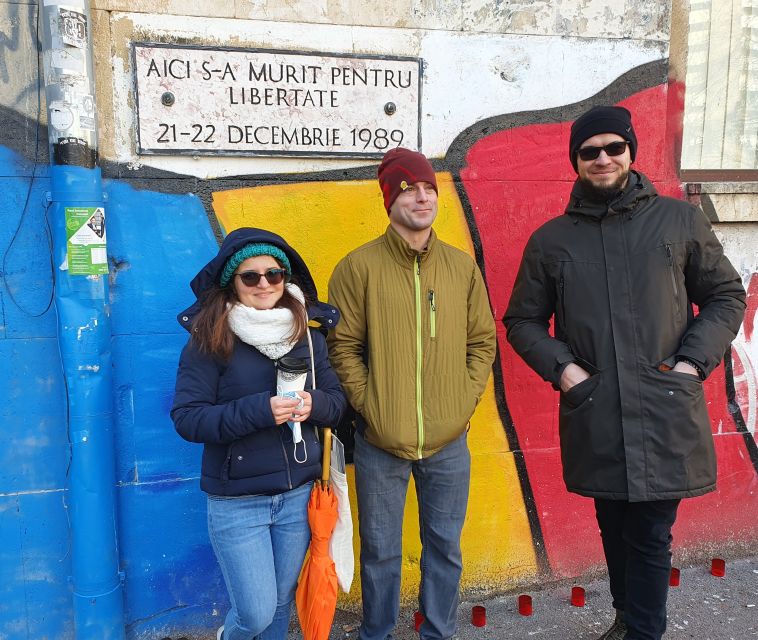
The tour’s strength is the pacing. At about 3 hours, it’s long enough to cover key sites and themes, but short enough that it doesn’t drag. You’ll stop frequently, but the guide keeps you moving through the central logic of communist Bucharest.
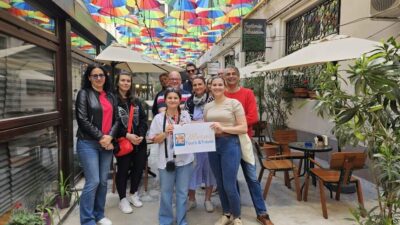
Group size stays limited to 10 participants, which is huge for a topic like this. You’re not in a massive herd, so you can ask follow-up questions. Feedback repeatedly praised guides for going into detail and keeping answers direct, including an emphasis on answering questions and using supporting materials like pictures.
Expect a leisurely pace. Even when the tour runs a bit over the scheduled time in some cases, it usually happens because the guide wants to make sure you understand, not because the schedule is forced. If you like having time to ask “why” and “how,” this format fits.
Also, the tour may include a short break in a typical Romanian bar away from the busiest tourist areas, depending on the guide and group pace. That can be a nice reset during a topic that gets emotionally heavy.
Price and Value: What $44 Includes, and What You Should Pair With It
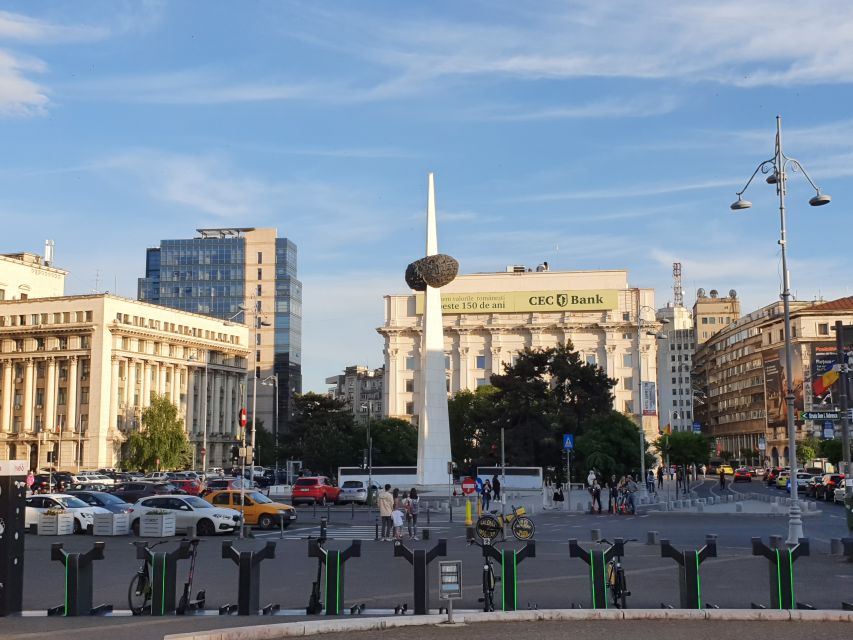
At $44 per person for 3 hours, you’re paying for two things: guided interpretation and access to context you likely won’t piece together on your own. You’re not just getting a walk through famous spots. You’re getting a narration that connects architecture to ideology, and ideology to everyday life.
Included items help justify the value. You get a walking tour with an English guide, plus a Romanian snack souvenir. The snack isn’t the main reason to go, but it’s a small touch that makes the experience feel more local and complete.
What is not included is hotel pickup and drop-off. So factor in getting to the meeting point yourself. The good news is the meeting point is in Revolution Square, which is a practical location for planning your day around.
If you want to maximize the value, pair this tour with other Bucharest sights in a way that supports the narrative. For example, do this earlier in your trip if you can, so the architecture and street layout make more sense later. If you’re also planning a visit connected to the Palace of the Parliament, this tour can give you the political context that makes the interior or nearby scenes easier to understand.
Who This Tour Is Best For (and Who Might Skip It)
This is a great fit if you:
- Want to understand how communist ideology shaped buildings and public spaces
- Like architecture, but also want the story behind the stones
- Enjoy modern European history, especially the 1989 revolution
It may feel less ideal if you want a light, purely scenic walk with no political context. The tour covers secret police, propaganda, and survival under Ceaușescu, so it is emotionally and intellectually focused.
It also works especially well for people who like Q and A. A lot of the praise centers on guides answering questions with confidence, and that kind of interaction turns a 3-hour walk into a much deeper experience.
Should You Book This Relics of Communism Walk?
Book it if you want Bucharest to make sense beyond postcards. The combination of Revolution Square context, a church stop with political meaning, and guided time around the Palace of the Parliament gives you a strong narrative arc in just 3 hours.
Skip it only if you’re hoping for a casual highlights tour. The subject matter is serious, and the value comes from understanding power, control, and how people lived under it.
If you do book, come with comfortable shoes and a willingness to look at architecture as evidence. You’ll leave with a city that feels clearer, not just seen.
FAQ
How long is the Bucharest Relics of Communism walking tour?
The tour lasts 3 hours.
Where do I meet the guide?
Meet your guide at the Memorial of Rebirth in Revolution Square.
Where does the tour end?
The tour finishes at Piața Constituției.
Is the tour offered in English?
Yes, the live tour guide speaks English.
What group size should I expect?
It is a small group, limited to 10 participants.
What is included in the price?
The price includes a walking tour with an English guide and a Romanian snack souvenir.
Is hotel pickup or drop-off included?
No, hotel pickup and drop-off are not included.
Can I reserve without paying right away?
Yes, you can reserve now and pay later.
Is there free cancellation?
Yes, you can cancel up to 24 hours in advance for a full refund.
Whatever Else Bucharest Is Selling
- Bucharest to Dracula Castle, Peles Castle and Brasov Guided Tour
★ 4.5 · 2,933 reviews - Bucharest: Palace of Parliament Tickets and Guided Tour
★ 4.4 · 1,877 reviews - Transylvania and Dracula Castle Full Day Tour from Bucharest
★ 4.5 · 1,589 reviews - Bucharest: City Highlights Guided Walking Tour
★ 4.9 · 1,482 reviews - From Bucharest: Brasov Peles & Dracula’s Castle Day Tour
★ 4.5 · 1,244 reviews
Everything Else We Reviewed In Bucharest
- Bucharest: Dracula’s Castle, Peles Castle, & Brasov Old Town
★ 4.5 · 17,858 reviews - Bucharest: Dracula Castle, Peles Castle & Brasov Old Town
★ 4.6 · 10,891 reviews - Bucharest: Dracula’s Castle, Peleș Castle & Brașov Day Trip
★ 4.5 · 5,919 reviews - Bucharest: Palace of Parliament Tickets and Guide
★ 4.3 · 3,182 reviews - Bucharest: Day Trip to Dracula Castle, Peles Castle & Brașov
★ 4.4 · 3,049 reviews
The Communist Years, Retold
- The Real tour of Communism
★ 5.0 · 666 reviews - Life under Communism
★ 5.0 · 358 reviews - 3-Hour Guided Tour of Communist Bucharest
★ 4.9 · 303 reviews - Bucharest Essential Tour: Old Town, Calea Victoriei & Communism
★ 5.0 · 142 reviews - Communism in Bucharest – Landmarks, Museum & Communist Appetizers
★ 5.0 · 111 reviews
Recently added around Bucharest
- Private Tasting Expedition Along Romania’s Most Famous Wine Route★ 5.0 · 3 reviews
- Private Guided Tour of Peles Castle and Bran Castle from Bucharest★ 5.0 · 3 reviews
- Private Sightseeing Tour of Bucharest★ 4.5 · 3 reviews
- Discover Europe’s Deepest Mines & Peles Castle’s Royal Charm★ 5.0 · 3 reviews
- Bucharest City Tour and Wine Tasting★ 5.0 · 3 reviews
Communism and Ceausescu Tours, compared.
 ★ 5.0The Real tour of CommunismFrom $32666 reviews
 ★ 5.0Life under CommunismFrom $42358 reviews
 ★ 4.93-Hour Guided Tour of Communist BucharestFrom $29303 reviews
 ★ 5.0Bucharest Essential Tour: Old Town, Calea Victoriei & CommunismFrom $24142 reviews
 ★ 5.0Communism in Bucharest – Landmarks, Museum & Communist AppetizersFrom $48111 reviews
 ★ 5.0Bucharest Under Communism: Life, Terror & HopeFrom $2376 reviews
 ★ 4.6Bucharest: Entry ticket at the Museum of CommunismFrom $957 reviews
 ★ 4.6Bucharest: Museum of Communism Ticket with Communist CoffeeFrom $1052 reviews
Browse the lists this tour appears in