
REVIEW · BUCHAREST
Bucharest Communism: From Lenin to Ceausescu
Bucharest has a second life under communism. This 2.5-hour walk turns major landmarks into clues, from the Palace of Parliament to Revolution Square, with clear context on how Lenin to Ceausescu shaped daily life. I especially like the way the guide connects ideology to street-level realities, and I love the mix of big-power monuments with older churches and cultural stops. One possible drawback: the subject matter is heavy, and the pace is brisk for 2.5 hours, so you’ll want solid walking shoes.
If you like history that explains people, not just dates, this tour is a good fit. Expect a local guide in English or Romanian who keeps things moving, answers questions, and uses humor to keep the tone from getting too grim. With a 4.9 rating from 41 bookings, the experience seems to land well when you want real-world context, not a lecture.
In This Review
- Key highlights that make this tour worth your time
- How the story gets organized, from ideas to street corners
- Starting on Bulevardul Unirii, where the regime aimed its big messages
- The Palace of Parliament: a giant built with human cost
- Antim Monastery and Patriarchal Cathedral: faith and memory beside state power
- Bucharest Fountains and Piața Unirii: small pauses, big symbolism
- Old Town and University Square: where ideology meets everyday life
- Royal Palace of Bucharest and Romanian Athenaeum: the pre-communist backdrop
- The rationing, the numbers, and why “daily life” is the real story
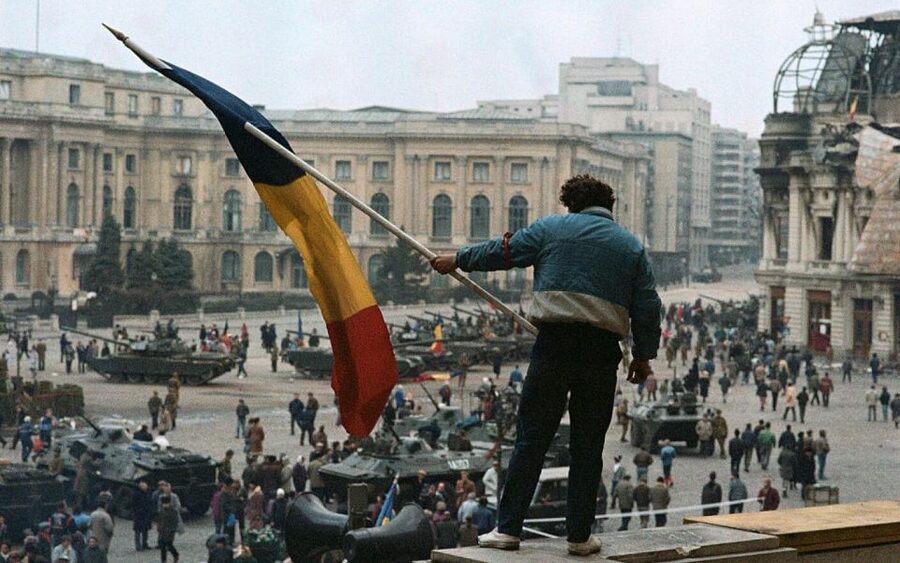
- Revolution Square: the end of the line for Ceausescu
- What you’ll actually get for $23 (and what you might need to budget)
- Who should book this Bucharest communism walk
- Should you book? My practical call
- FAQ
- FAQ
- How long is the tour?
- What is the price for this experience?
- Where do I meet the guide?
- What is the tour language?
- Is a local guide included?
- Are entrance tickets included?
- Are food and drinks included?
- When should I arrive for the tour?
- Does the tour cover Ceausescu’s final days and what happened afterward?
- Is there free cancellation?
Key highlights that make this tour worth your time
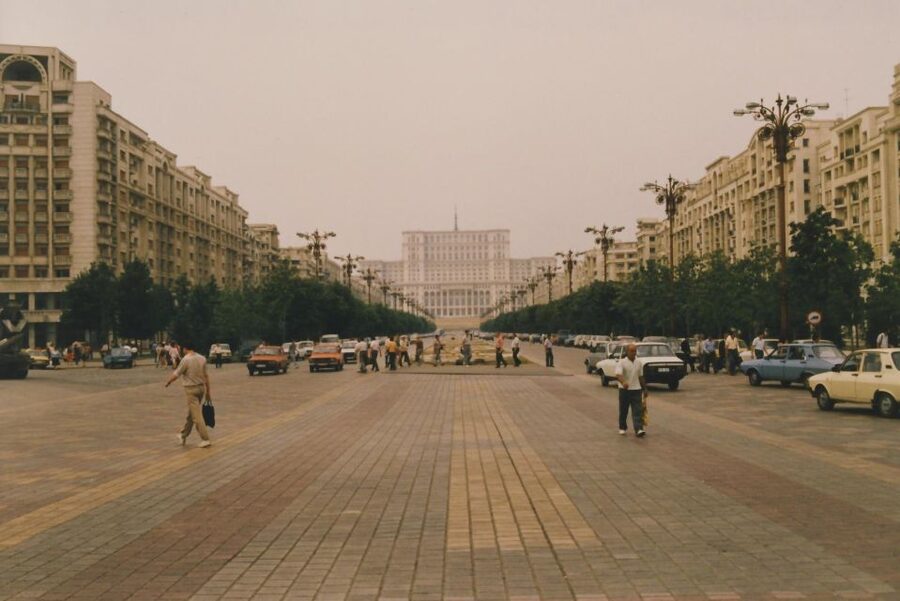
- Romania’s communist megaproject, the Palace of Parliament, tied to mass displacement and demolition
- A direct look at power, including how Nicolae Ceausescu rose and ruled for 25 years
- Everyday life under communism, from rationing numbers to the pressure of the secret police
- A chronological story of ideology, often starting with Hegel, Marx and Engels, then leading toward Bolshevik ideas
- The fall of the regime, ending at Revolution Square with the last days, trial, and execution
- Short, efficient stops, so you see a lot without spending all day in one place
How the story gets organized, from ideas to street corners
What I find smart about this tour is the structure. You do not just get a parade of buildings. You get a storyline that helps you understand why communism took hold in Romania the way it did.
You’ll start with the political and philosophical ideas behind the movement, including a reference to Hegel, Marx and Engels, then the broader background that leads into Bolshevik revolutionary momentum. That matters because it explains the “why” before the “what.” Then the guide ties it to Romania’s shift into communist rule and, later, the distinctive brutality of the Ceausescu era.
I also appreciate that the guide keeps the focus on cause-and-effect. When you hear about imprisonment, dictatorships, rationing, and repression, it doesn’t feel like random facts. It feels like one system squeezing society from multiple angles.
Starting on Bulevardul Unirii, where the regime aimed its big messages
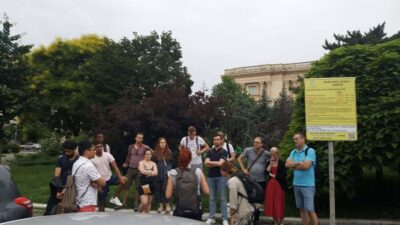
The meeting point is next to the Coffee shop Constitutiei, and the tour starts from Bulevardul Unirii 5, in the middle of what used to be the Socialist Victory boulevard area. That is not an accident. Communist projects loved symbolism, and this stretch of Bucharest is built to communicate power.
Even before you reach the biggest building, you’ll get a sense of how the regime wanted space to work. It was not just about housing and infrastructure. It was about shaping movement, controlling sightlines, and using monumental settings to make the state feel permanent.
Practical tip: arrive about 10 minutes early. The tour is 2.5 hours and the schedule is tight enough that early arrival helps you start calm, not late.
The Ceausescu years, told other ways
The Palace of Parliament: a giant built with human cost

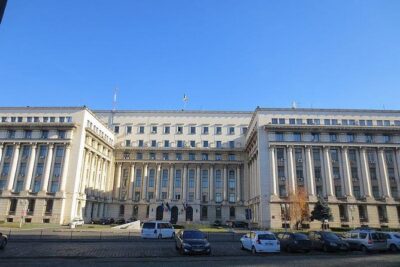
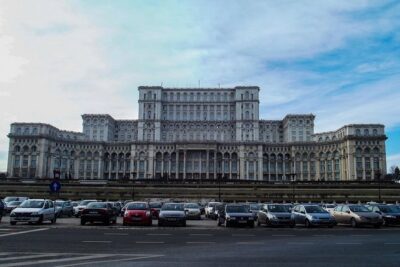
The tour’s headline stop is the Palace of the Parliament, also described in the program as the Chamber of Deputies Palace area. This is where the communist promise of modern power becomes physical and, frankly, unsettling.
You’ll hear that it is the second largest administrative building in the world. But the point is not the trivia. The point is what made it possible. You get the story of three neighborhoods being demolished, with around 40,000 households displaced. That fact changes how you look at the building. It becomes less of a sightseeing target and more of a reminder that megaprojects can be powered by coercion.
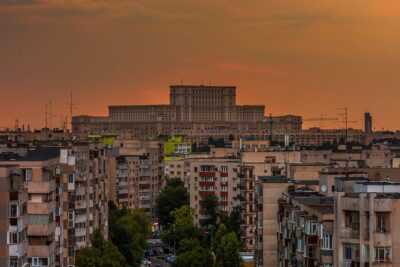
You’ll also hear about the regime’s drive for control and status. The palace acts like a message in stone. When you walk around and listen to how it fits into the broader communist system, it helps you understand why the Ceausescu period felt different from other Eastern Bloc regimes, at least in its intensity.
Potential drawback here: the entrance situation is not fully handled for you. Entrance tickets are not included, so if any part of the palace access depends on ticketing, you’ll need to plan for that separately.
Antim Monastery and Patriarchal Cathedral: faith and memory beside state power
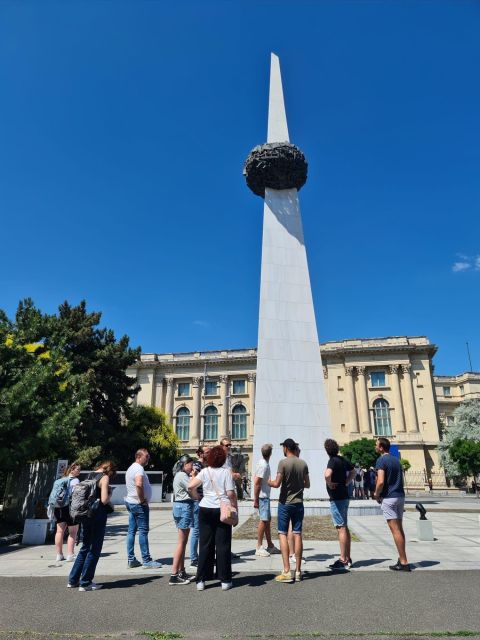
After the sheer scale of the Parliament palace, the tour shifts gears with stops like Antim Monastery and the Patriarchal Cathedral. These are quick, guided visits, and they do something important for your understanding.
They remind you that communism was not arriving into a blank cultural space. It had to confront existing identity, including religious tradition and long-standing local memory. Even when the regime tried to control public life, people still had institutions that carried meaning through generations.
The contrast is the lesson. One stop shows state power trying to dwarf everything else. The next stops show how older Bucharest held onto spiritual and historical continuity.
If you’re sensitive to the emotional tone of the tour, these breaks help. They give your brain a chance to rest between the heavier parts about repression and the secret police.
Bucharest Fountains and Piața Unirii: small pauses, big symbolism

You get brief windows for Bucharest Fountains and then Piața Unirii. These stops are short, but they are useful in two ways.
First, they keep the walk from feeling like a single uninterrupted history lecture. A quick guided explanation plus a little sightseeing time gives your feet and your attention a break.
Second, squares and public spaces were never neutral. Communist planning often treated open areas as stages for gatherings, messaging, and visibility. Even without getting lost in architectural jargon, you’ll understand how the regime used urban space to reinforce its worldview.
If you like photo stops, this is where you can capture the “street Bucharest” vibe while still staying in the communist narrative.
Old Town and University Square: where ideology meets everyday life
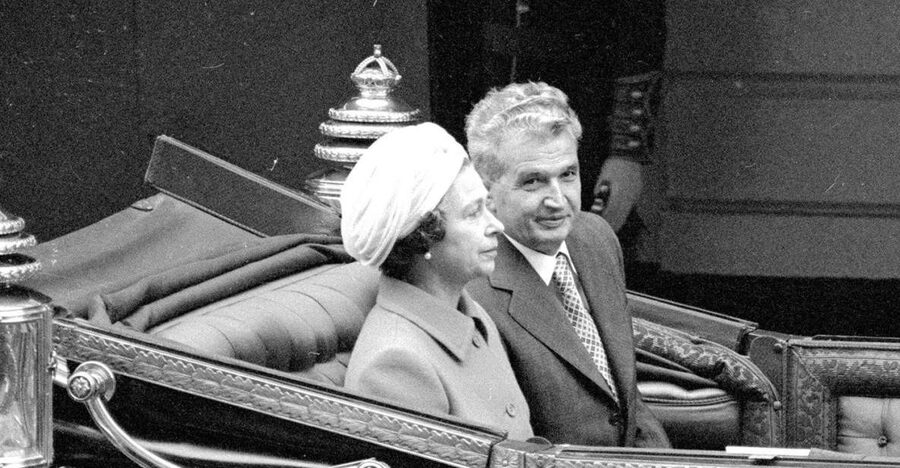
Then the tour goes into areas like Old Town and University Square. These stops help you connect the monumental world of power with the spaces where people actually lived and studied.
This is where the guide’s explanation of day-to-day communism starts to click. You’ll hear about life under a system that controlled what people could access, what they could say, and how safe it felt to disagree.
One of the tour’s strongest themes is repression paired with routine. It’s not just dramatic events. It is pressure showing up in ordinary days. The tour uses these stops to help you visualize that contrast.
Walking note: because the stops are spread across the city and the tour lasts 2.5 hours, you should expect a steady pace. If you prefer slow museum-style time, this format may feel quick, but it does keep the experience efficient.
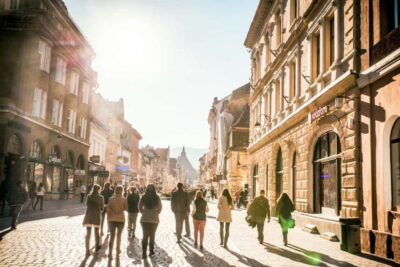
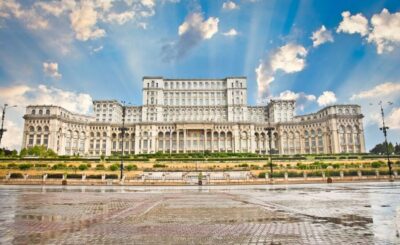
Royal Palace of Bucharest and Romanian Athenaeum: the pre-communist backdrop
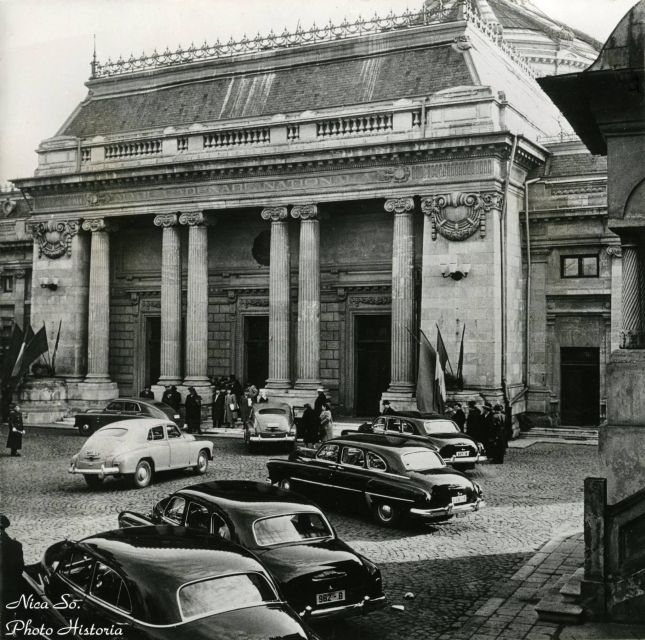
Two more key stops are the Royal Palace of Bucharest and the Romanian Athenaeum. Even if you’re mostly here for the communist era, these sites give you a necessary backdrop.
You can think of it like this: communism did not replace Romania out of nowhere. The regime had to confront earlier political identity and cultural life. By placing you around major landmarks associated with older periods and civic culture, the tour helps you understand how regimes rewrite meaning.
In practical terms, this also makes your walking route feel more complete. You’re not only chasing one theme. You’re seeing how Bucharest layered different eras in the same city.
The rationing, the numbers, and why “daily life” is the real story
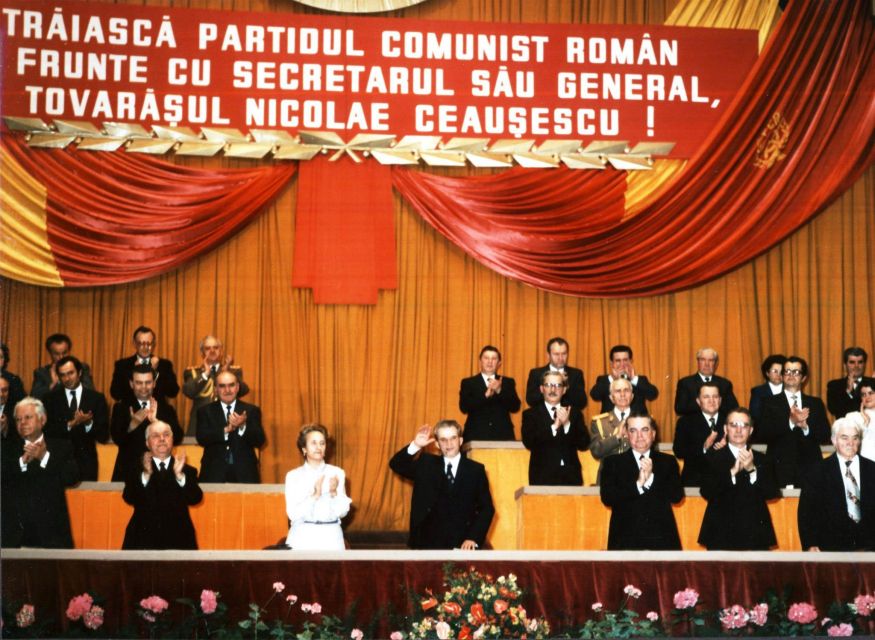
At some point during the tour, the guide turns from power to survival, and this section is one of the most memorable parts.
You’ll hear about food rationing and specific details, including how a typical rationing snapshot was described as 2000 calories/day, with 500 g of cheese, 10 eggs, and 1.5 kg of meat per month. The numbers are stark, but they do a good job of making deprivation concrete.
It also helps you understand how control works beyond censorship. When basics become regulated, the system reaches into routines. That’s where ideology stops being abstract.
The tour also covers the secret police and repression, including how Ceausescu’s regime is often described as one of the most oppressive in the Eastern Bloc, compared to other dynastic-style dictatorships. That framing matters because it clarifies what made Romania feel different to many people living there under communism.
I like that the tour does not romanticize hardship. It treats daily life as something shaped by fear, monitoring, and shortages, not just slogans.
Revolution Square: the end of the line for Ceausescu
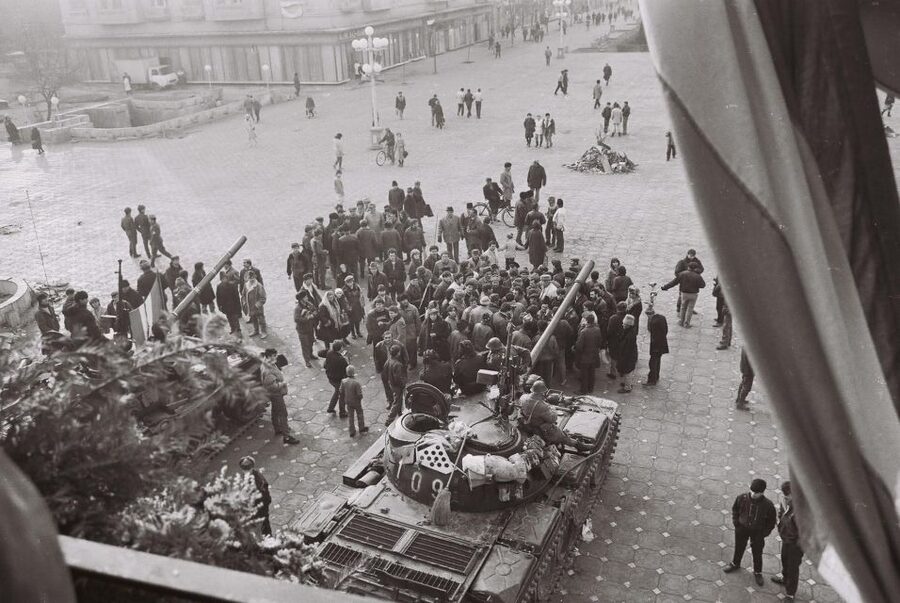
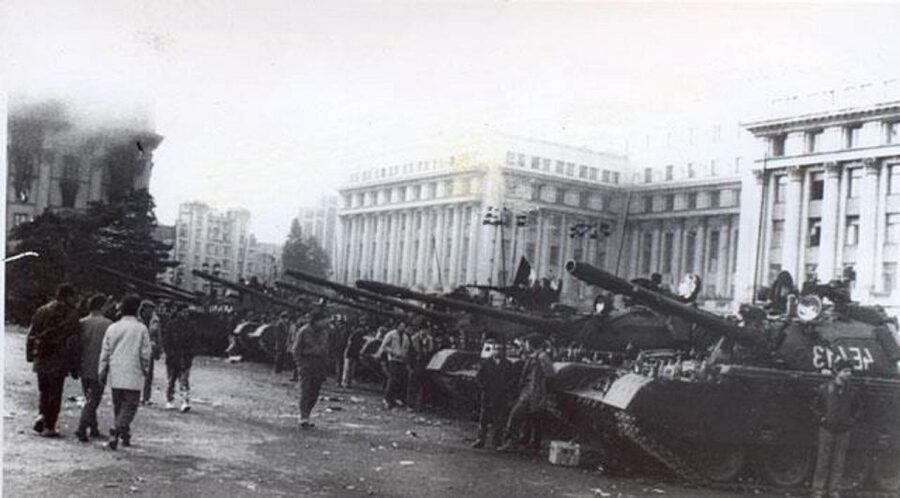
The final stop is Revolution Square, and this is where the tour brings the story to a breaking point.
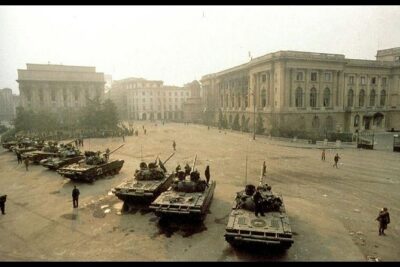
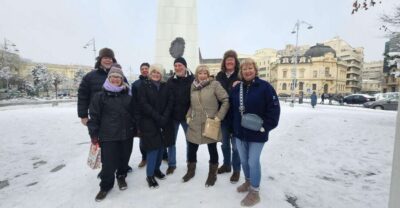
You’ll hear about Ceausescu’s last days, then the revolution that ended his rule. The program specifically includes the trial and the execution, presented as the climactic finish to the narrative you’ve built over 2.5 hours.
This ending changes how the earlier stops land. When you go back in your mind to the Parliament palace and the scale of the communist project, Revolution Square feels like the moment the system snapped back at itself.
It’s also a useful reminder that political change is not only about buildings. It’s about people refusing to accept a system anymore, even when the price is extreme.
What you’ll actually get for $23 (and what you might need to budget)
At $23 per person for a 2.5-hour guided walk, the value mostly comes from three things.
First, you get a structured guide who connects ideology to real locations around Bucharest. Second, you cover a high concentration of big landmarks and key story points without spending the whole day on public transport. Third, the ending focuses on the revolution and the execution, which is where a lot of “communism tours” fall short by staying too general.
What you should keep in mind: entrance tickets are not included, and the tour does not include food or drinks. So if you plan to go inside multiple sites during the guided stops, bring a little extra budget for those separate tickets.
If you want the day to stay easy, bring water. Since food and drinks are not included, planning ahead keeps you from paying last-minute prices or rushing to find a meal.
Who should book this Bucharest communism walk
This is a strong pick if you:
- Want a focused history route without spending a full day in one museum
- Like explanations that tie political ideas to everyday life, rationing, and repression
- Prefer a guided walk with questions you can ask, not just passive listening
- Are interested in Nicolae Ceausescu, the revolution, and how his regime ended
It may feel less ideal if you dislike dark topics. You should also consider it if you want a very relaxed pace with long sit-down stops. This tour is built to cover a lot in a short time.
One more thing: guides can really influence the vibe. In recent experiences, guides like Horia and Alex have been singled out for strong engagement, humor, and the ability to answer questions. That’s a good sign that the tour aims for clarity, not just reciting dates.
Should you book? My practical call
If you’re in Bucharest for a short trip and want the communist era explained with real places behind the facts, I’d book this. The route is efficient, the story is coherent, and the ending at Revolution Square gives you a satisfying, human-scale conclusion to a grim chapter.
Just go in with the right mindset. This is not a light sightseeing loop. It’s a 2.5-hour walk through power, repression, and the cost of a dictatorship, anchored in Bucharest landmarks you can actually see.
FAQ
FAQ
How long is the tour?
The tour lasts 2.5 hours.
What is the price for this experience?
It costs $23 per person.
Where do I meet the guide?
Meet next to The Coffee shop Constitutiei.
What is the tour language?
The tour is offered in English and Romanian.
Is a local guide included?
Yes, a local guide is included.
Are entrance tickets included?
No, entrance tickets are not included.
Are food and drinks included?
No, food and drinks are not included.
When should I arrive for the tour?
Please arrive 10 minutes before the activity starts.
Does the tour cover Ceausescu’s final days and what happened afterward?
Yes. It includes Ceausescu’s last days, the revolution, the trial, and the execution, with the last stop at Revolution Square.
Is there free cancellation?
Yes, you can cancel up to 24 hours in advance for a full refund.
Everything Else We Reviewed In Bucharest
- Bucharest: Dracula’s Castle, Peles Castle, & Brasov Old Town
★ 4.5 · 17,858 reviews - Bucharest: Dracula Castle, Peles Castle & Brasov Old Town
★ 4.6 · 10,891 reviews - Bucharest: Dracula’s Castle, Peleș Castle & Brașov Day Trip
★ 4.5 · 5,919 reviews - Bucharest: Palace of Parliament Tickets and Guide
★ 4.3 · 3,182 reviews - Bucharest: Day Trip to Dracula Castle, Peles Castle & Brașov
★ 4.4 · 3,049 reviews
The Communist Years, Retold
- The Real tour of Communism
★ 5.0 · 666 reviews - Life under Communism
★ 5.0 · 358 reviews - 3-Hour Guided Tour of Communist Bucharest
★ 4.9 · 303 reviews - Bucharest Essential Tour: Old Town, Calea Victoriei & Communism
★ 5.0 · 142 reviews - Communism in Bucharest – Landmarks, Museum & Communist Appetizers
★ 5.0 · 111 reviews
Recently added around Bucharest
- Private Tasting Expedition Along Romania’s Most Famous Wine Route★ 5.0 · 3 reviews
- Private Guided Tour of Peles Castle and Bran Castle from Bucharest★ 5.0 · 3 reviews
- Private Sightseeing Tour of Bucharest★ 4.5 · 3 reviews
- Discover Europe’s Deepest Mines & Peles Castle’s Royal Charm★ 5.0 · 3 reviews
- Bucharest City Tour and Wine Tasting★ 5.0 · 3 reviews
Communism and Ceausescu Tours, compared.
 ★ 5.0The Real tour of CommunismFrom $32666 reviews
 ★ 5.0Life under CommunismFrom $42358 reviews
 ★ 4.93-Hour Guided Tour of Communist BucharestFrom $29303 reviews
 ★ 5.0Bucharest Essential Tour: Old Town, Calea Victoriei & CommunismFrom $24142 reviews
 ★ 5.0Communism in Bucharest – Landmarks, Museum & Communist AppetizersFrom $48111 reviews
 ★ 4.9Bucharest: Relics of Communism 3-Hour Walking TourFrom $4477 reviews
 ★ 5.0Bucharest Under Communism: Life, Terror & HopeFrom $2376 reviews
 ★ 4.6Bucharest: Entry ticket at the Museum of CommunismFrom $957 reviews
Browse the lists this tour appears in