

REVIEW · BUCHAREST
Bucharest: Museum of Communism Ticket with Communist Coffee
Communist history comes with coffee. In Bucharest, this small museum makes the past feel physical, with touchable exhibits and a real taste of nechezol.
I especially like the touch-and-try style of the exhibits, from old-school items you can handle to reading original materials and trying on period clothing. The other standout is the coffee moment: you get to sip nechezol from an old cup while seated on the museum’s communist couch in a living-room set.
One thing to consider: some parts can feel poster-heavy, so if you prefer lots of hands-on time, you may want to go with a curious mindset and ask the guide to point out what to notice.
In This Review
- Key Things I’d Focus on Before You Go
- Entering Bucharest’s Museum of Communism, Not Just Reading It
- The Museum’s Touch-and-Try Exhibits (and Why That Matters)
- The Guide Q and A That Turns Rooms Into Stories
- The Museum Living Room and the Taste of Nechezol
- How Long It Takes, and How to Plan Your Time
- What You’ll Actually See in the Rooms
- Who This Museum Is Best For (and Who Might Want a Second Thought)
- Price and Value: Is $10 Worth It?
- Practical Notes That Affect Your Enjoyment
- Should You Book the Museum of Communism Ticket With Communist Coffee?
- FAQ
- How long is the Museum of Communism visit?
- What is included with the ticket?
- Is there an English-speaking guide or host?
- Does the coffee include a specific cup or setting?
- Is the museum suitable for wheelchair users?
- Can I cancel or change plans after booking?
Key Things I’d Focus on Before You Go
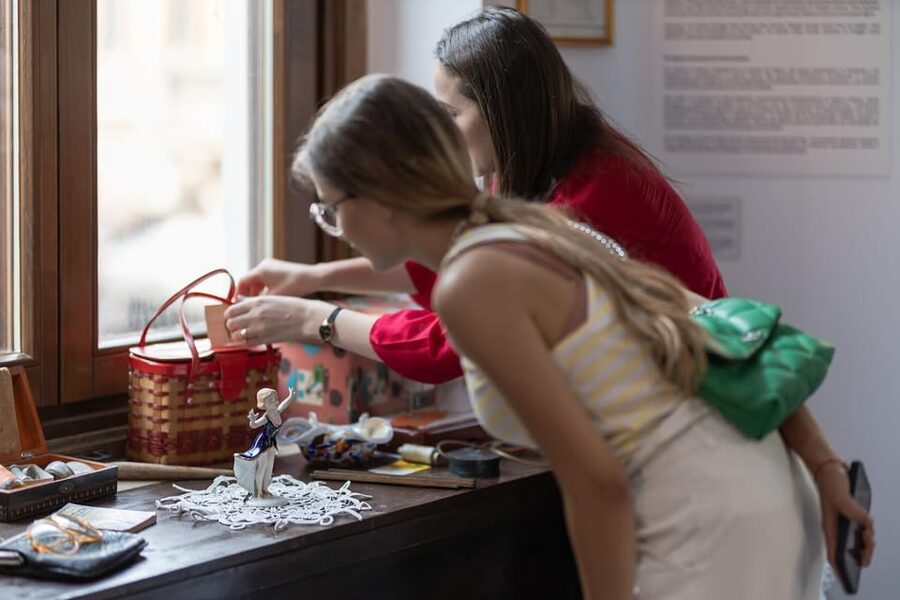
- Hands-on artifacts: you can type on an old typewriter and interact with many displays instead of only reading
- Ask questions in the museum: a guide is available in English for follow-ups while you’re moving through the rooms
- Communist couch coffee: nechezol is served in an old cup in the museum living-room area
- Short, flexible visit: plan roughly 45 minutes to 1 hour, depending on how much you read and try
- Good for groups, too: dressing up, photo moments, and music can make it more fun with company
- Expect mixed text depth: a few exhibit explanations may feel more simplified than you’d like, so keep your questions ready
Entering Bucharest’s Museum of Communism, Not Just Reading It
This museum is built around one idea: don’t treat communist history as a distant textbook topic. Instead, you walk through rooms that try to recreate everyday life, systems, and propaganda, with enough interaction to make you stop and look again.
What makes it work is that you’re not just scanning panels. You can physically engage with several displays, including items like an old typewriter and original reading material. That hands-on format helps the museum do something harder than facts alone. It turns the concepts of control, scarcity, and daily routine into experiences you can actually picture.
You’ll also notice the tone is playful in places, especially when it leans into themed photo ops and dressing-up moments. That’s not a bad thing. It’s a way to lower the barrier to entry, then let the guide and the exhibits bring the seriousness afterward.
The Museum’s Touch-and-Try Exhibits (and Why That Matters)
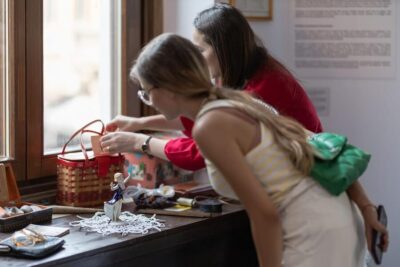
The best reason to come here is simple: you get to touch the past. The museum doesn’t only show objects behind glass. You can type on an old typewriter, read original magazines, and try on older clothes. That sort of direct contact is rare in history museums, and it changes how your brain stores the information.
When you’re typing on an authentic-feeling machine, you’re not just learning what daily life looked like. You’re experiencing the effort, the pace, and the physical reality of the era. It’s the difference between hearing about routine and feeling what routine demands.
Here’s what to do to make it pay off:
- Go slower in the sections with hands-on items, because you’ll want time to try things instead of rushing to the next room.
- Treat the original magazines as primary sources. Even if the language isn’t perfect for you, the design, layout, and what gets emphasized can tell you a lot.
- If you see costumes or clothing options, use them for a minute or two, then step back and look at the bigger context the room is trying to explain.
This is also why the museum can work well for families or mixed-age groups. Not everyone will want to read every panel, but many people will enjoy interacting with the objects and costumes.
The Ceausescu years, told other ways
The Guide Q and A That Turns Rooms Into Stories

A big plus is that English-speaking staff are there as hosts or greeters, and you can ask questions to a guide while you’re inside. That matters because communist history is broad and emotionally charged. Without guidance, it can become either too simplistic or too overwhelming.
The museum experience seems designed to help you get your bearings fast. You can ask why certain items were shown, how particular policies affected daily life, or what the exhibits are emphasizing. When a guide can answer in real time, you get a better sense of what to pay attention to.
A practical tip: don’t save all your questions for the end. If something catches your eye, ask right there. The room’s context is fresh, and the guide can point you to related displays nearby.
That said, one caution I’d flag for you is that some exhibit text may feel more basic than you expect. If you’re the type who notices wording, oversimplification, or the way normal life is framed as wrongdoing, go into it with your critical questions ready. The Q and A option is your tool for getting more nuance out of the experience.
The Museum Living Room and the Taste of Nechezol
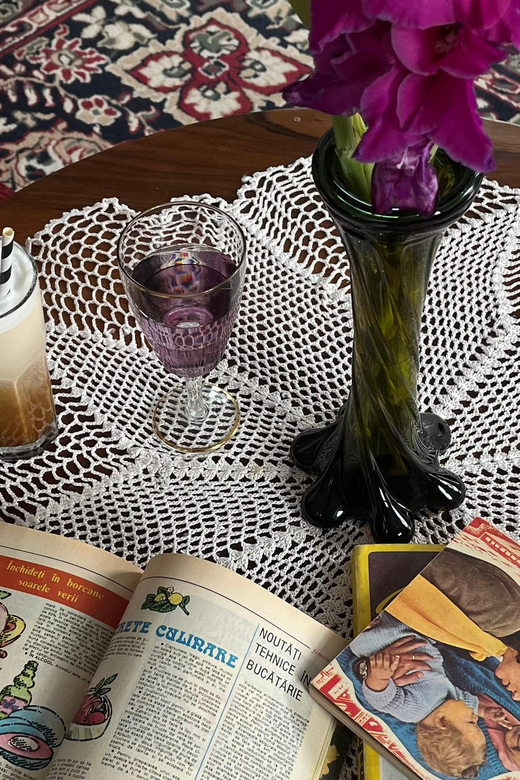
The ticket’s extra twist is the coffee. During the final years of communism, Romania imported coffee in very small amounts. That scarcity shaped how people thought about coffee, and it also fueled the story behind nechezol, often described as communist coffee.
What you get here is not a generic “coffee break.” You’re served a cup of nechezol in the museum’s living room set, from an original old cup. You sit on the communist couch, so the moment is part of the museum’s performance, not just a drink served somewhere nearby.
Expect it to be a novelty you’ll remember more than a café experience. One visitor described it as tasting similar to Nescafe, and that lines up with how most substitute coffees tend to be perceived by casual drinkers. In other words, don’t come expecting a high-end specialty comparison. Come for the cultural moment and the story behind it.
How to enjoy this part:
- Treat the drink as a “taste the era” activity, not a gourmet challenge.
- Watch how the museum frames why substitute coffee appeared. The story helps the flavor make sense.
- If you want to compare it to modern coffee, do it quickly in your head, then focus back on the exhibit explanation.
How Long It Takes, and How to Plan Your Time
This isn’t a half-day marathon. The visit is meant to be efficient, and many people seem to fit it into a quick outing.
A reasonable expectation is 45 minutes to 1 hour if you move through steadily. If you spend longer reading posters and interacting with more items, you can stretch it out. Either way, the museum’s size supports short attention spans, which is useful when you’re touring a city with packed days.
My suggestion: plan it as either:
- A first stop to get context for Bucharest’s recent history, or
- A break in the middle of a museum-heavy day when you want something interactive and not overly formal.
If you’re going solo, it can still be worth it. But if you’re a social person, the themed spots for music, dressing up, and photo moments can make it more fun when you share reactions.
What You’ll Actually See in the Rooms
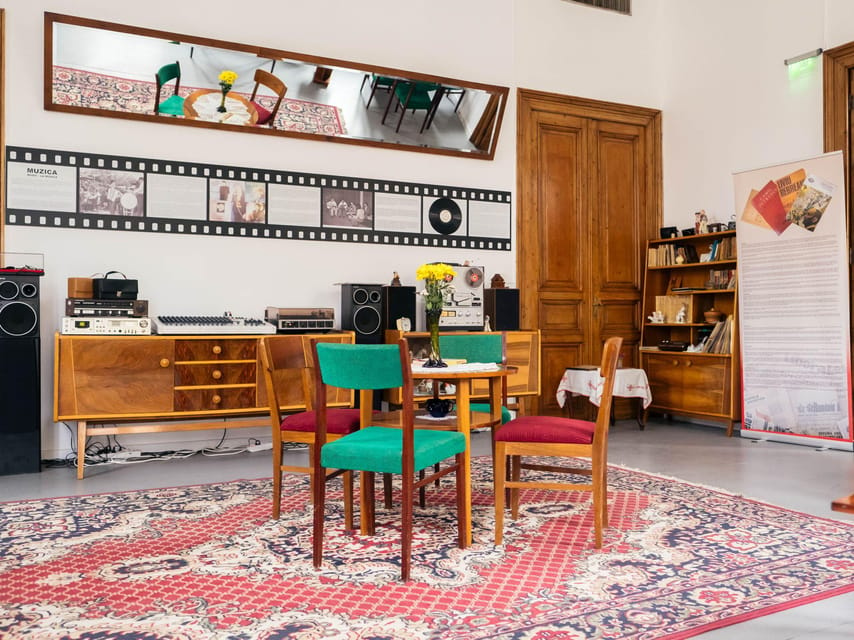
The museum experience covers the period of Romania’s recent history and the impact of communism on Bucharest and Romanian daily life. It uses a mix of posters, original reading materials, staged rooms, and interactive objects to communicate ideas like scarcity, messaging, and the feel of public life.
Because the exhibits combine explanation panels with hands-on elements, your experience will depend on how you engage:
- If you love reading, you’ll likely feel satisfied by the number of posters and text sections.
- If you prefer physical interaction, you’ll probably focus on the typewriter, clothing, and items you can handle.
A balanced approach is best. Give yourself time to try the interactive pieces, then spend your extra minutes reading what looks most relevant to what you just touched or compared.
Also note the museum includes clean toilet facilities and a small bar area. One reviewer also noted there is no gift shop, which keeps the museum from turning into a retail stop. If you like quiet, that’s a win.
Other tickets we have priced



Who This Museum Is Best For (and Who Might Want a Second Thought)
This is one of those experiences that suits specific tastes.
You’ll likely enjoy it if you:
- Want hands-on history, not only interpretation panels
- Like the idea of asking questions and getting real-time answers in English
- Are interested in everyday life under communism, including shortages and substitutes like nechezol
- Don’t mind a guided experience that sometimes feels more accessible than academic
You might be less thrilled if you:
- Prefer deep, heavily sourced historical analysis on every panel
- Get impatient with reading and want continuous interactive activities
- Are expecting a museum that feels equally hands-on from room to room
For wheelchair users, there’s an important limitation: it is not suitable for wheelchairs. If accessibility is a priority for you, check carefully before planning.
Price and Value: Is $10 Worth It?
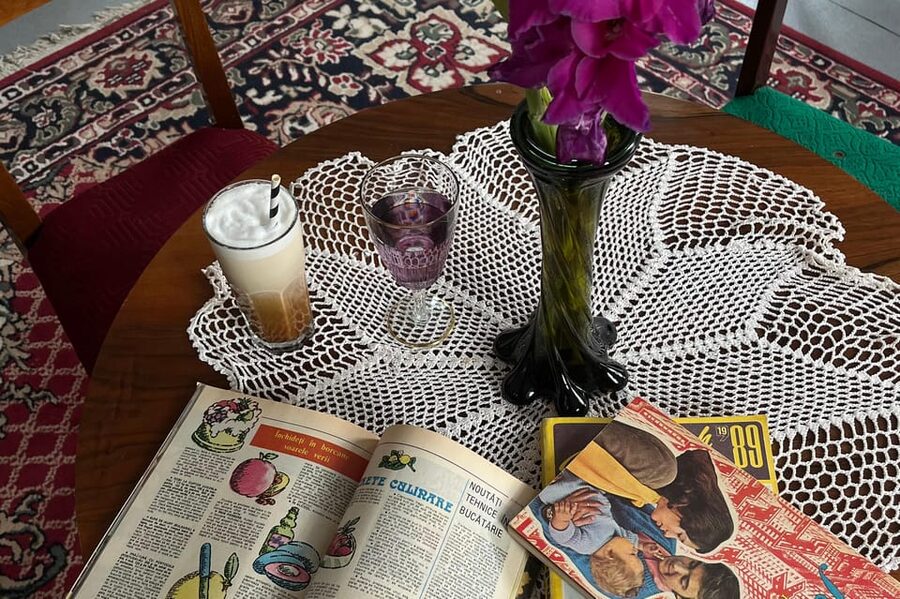
At $10 per person for entry plus a cup of nechezol, the value comes from two places.
First, it’s not just an exhibit ticket. You get an interactive museum experience with multiple opportunities to handle objects and try things on. That turns the cost into a “time plus participation” purchase, not only a museum entry fee.
Second, the coffee is part of the show. Even if you don’t love the taste, the living-room seating and old cup setting makes it feel like a themed activity included in your visit.
So is it worth it? For most visitors who like interactive museums and short stops, yes. But if you’re mainly coming for very scholarly, detailed narratives, the $10 might feel small while the experience could still disappoint. In that case, your best bet is to go in ready to question the exhibits and use the guide opportunity to get more depth.
Practical Notes That Affect Your Enjoyment

Here are the factors that can change how your visit feels.
- Language: the museum host or greeter is available in English, which makes it easier to follow the story and ask questions.
- Solo vs group: the interaction and photo moments may be more fun with others, but solo visitors can still enjoy the hands-on sections.
- Text density: some rooms may focus more on reading panels than touching objects. If reading is not your thing, spend more time on the interactive stations and ask the guide what to prioritize.
- Clean facilities and a small bar area: it helps if you need a quick reset during a busy day.
If you’re building a Bucharest itinerary, think of this as a compact cultural stop you can slot in without committing to a long schedule.
Should You Book the Museum of Communism Ticket With Communist Coffee?
If you want a short, interactive introduction to Romania under communism, I think you’ll probably be happy you booked. The experience’s strongest points are hands-on exhibits you can actually use, plus the built-in nechezol coffee moment served in a period-themed setting.
Skip it only if you strongly dislike poster-heavy exhibits, or if you require wheelchair-friendly access. Otherwise, this ticket is a good value because you’re paying for more than entry. You’re paying to participate, ask questions, and end with a memorable taste tied to the era.
If you book, go in with two goals: try the touch-and-try items early, and use the guide time to ask what matters most to you. That combination turns a small museum into something that sticks.
FAQ
How long is the Museum of Communism visit?
The experience is designed to fit into one day, and many visitors plan about 45 minutes to 1 hour depending on how much you read and interact with the exhibits.
What is included with the ticket?
Your ticket includes entry to the Museum of Communism and one cup of nechezol communist coffee.
Is there an English-speaking guide or host?
Yes. An English host or greeter is available, and you can ask questions to a guide during your visit.
Does the coffee include a specific cup or setting?
Yes. You can drink your nechezol from an original old cup in the museum’s living room area, while seated on the communist couch.
Is the museum suitable for wheelchair users?
No. It is not suitable for wheelchair users based on the provided information.
Can I cancel or change plans after booking?
Free cancellation is available up to 24 hours in advance for a full refund, and there is a reserve now, pay later option.
Other Tickets We Have Priced
- Bucharest: Palace of Parliament Tickets and Guide
★ 4.3 · 3,182 reviews - Bucharest: Palace of Parliament Tickets and Guided Tour
★ 4.4 · 1,877 reviews - Bucharest: Parliament Palace Skip-the-line Ticket
★ 4.2 · 1,518 reviews - From Bucharest: Slănic Prahova Salt Mine Ticket and Transfer
★ 4.6 · 790 reviews - Bucharest: Therme Bucharest Entry Ticket and Transfer
★ 4.6 · 608 reviews
Everything Else We Reviewed In Bucharest
- Bucharest: Dracula’s Castle, Peles Castle, & Brasov Old Town
★ 4.5 · 17,858 reviews - Bucharest: Dracula Castle, Peles Castle & Brasov Old Town
★ 4.6 · 10,891 reviews - Bucharest: Dracula’s Castle, Peleș Castle & Brașov Day Trip
★ 4.5 · 5,919 reviews - Bucharest: Palace of Parliament Tickets and Guide
★ 4.3 · 3,182 reviews - Bucharest: Day Trip to Dracula Castle, Peles Castle & Brașov
★ 4.4 · 3,049 reviews
The Communist Years, Retold
- The Real tour of Communism
★ 5.0 · 666 reviews - Life under Communism
★ 5.0 · 358 reviews - 3-Hour Guided Tour of Communist Bucharest
★ 4.9 · 303 reviews - Bucharest Essential Tour: Old Town, Calea Victoriei & Communism
★ 5.0 · 142 reviews - Communism in Bucharest – Landmarks, Museum & Communist Appetizers
★ 5.0 · 111 reviews
Recently added around Bucharest
- Private Tasting Expedition Along Romania’s Most Famous Wine Route★ 5.0 · 3 reviews
- Private Guided Tour of Peles Castle and Bran Castle from Bucharest★ 5.0 · 3 reviews
- Private Sightseeing Tour of Bucharest★ 4.5 · 3 reviews
- Discover Europe’s Deepest Mines & Peles Castle’s Royal Charm★ 5.0 · 3 reviews
- Bucharest City Tour and Wine Tasting★ 5.0 · 3 reviews
Communism and Ceausescu Tours, compared.
 ★ 5.0The Real tour of CommunismFrom $32666 reviews
 ★ 5.0Life under CommunismFrom $42358 reviews
 ★ 4.93-Hour Guided Tour of Communist BucharestFrom $29303 reviews
 ★ 5.0Bucharest Essential Tour: Old Town, Calea Victoriei & CommunismFrom $24142 reviews
 ★ 5.0Communism in Bucharest – Landmarks, Museum & Communist AppetizersFrom $48111 reviews
 ★ 4.9Bucharest: Relics of Communism 3-Hour Walking TourFrom $4477 reviews
 ★ 5.0Bucharest Under Communism: Life, Terror & HopeFrom $2376 reviews
 ★ 4.6Bucharest: Entry ticket at the Museum of CommunismFrom $957 reviews
Browse the lists this tour appears in