
REVIEW · TIMIȘOARA
Timisoara: Classic Walking Tour
Timisoara has layers, and you walk through them. In just two hours, this classic walking tour turns major turning points into street-level stories, and I especially like the way the guide explains both the city’s past and what life in Romania can feel like now. You’ll also get a real sense of how society changed over the decades, not just dates on a timeline.
One thing to consider: this is a fast-moving history playlist. You cover a lot of eras in a short walk, so if you want deep museum-style detail at every stop, you may wish for a longer format.
In This Review
- Key things you’ll notice on this walk
- Entering Timisoara: why this 2-hour walk hits the right balance
- Meeting at the tourist information center, then getting oriented fast
- Romania today, explained before the history starts
- Mongol invasion to Turkish occupation: reading the past in city space
- The Austrian takeover and the city rebuilt from scratch
- Trams and electric street lights: Timisoara’s surprising modern streak
- The revolution against communism: connecting political history to real life
- Guides with real storytelling skills, including names you may hear
- What you get for $42: value in a guide-driven, time-smart format
- Who should book this Timisoara classic walking tour
- Should you book it?
- FAQ
- FAQ
- Where does the Timisoara classic walking tour start?
- How long is the tour?
- What is the price per person?
- Is the tour guided?
- What languages are available?
- Is it a private group?
- What historical topics are covered during the walk?
- Does the tour mention former Turkish-era locations?
- Can I get a full refund if I cancel?
- Can I reserve and pay later?
Key things you’ll notice on this walk
- Private, live guiding in English or Romanian, so you can ask questions along the way
- From Mongol invasion to modern revolution, with context for what changed and why
- Former Turkish-era landmarks, including where the public bath, bazaar, and Central Mosque used to be
- Austrian rebuilding you can still read in the city’s streets and fortification system
- Timisoara’s tech firsts, like early trams and electric street lighting in continental Europe
- Guides with personality, including praise for friendly storytelling and adapting to kids (when applicable)
Entering Timisoara: why this 2-hour walk hits the right balance
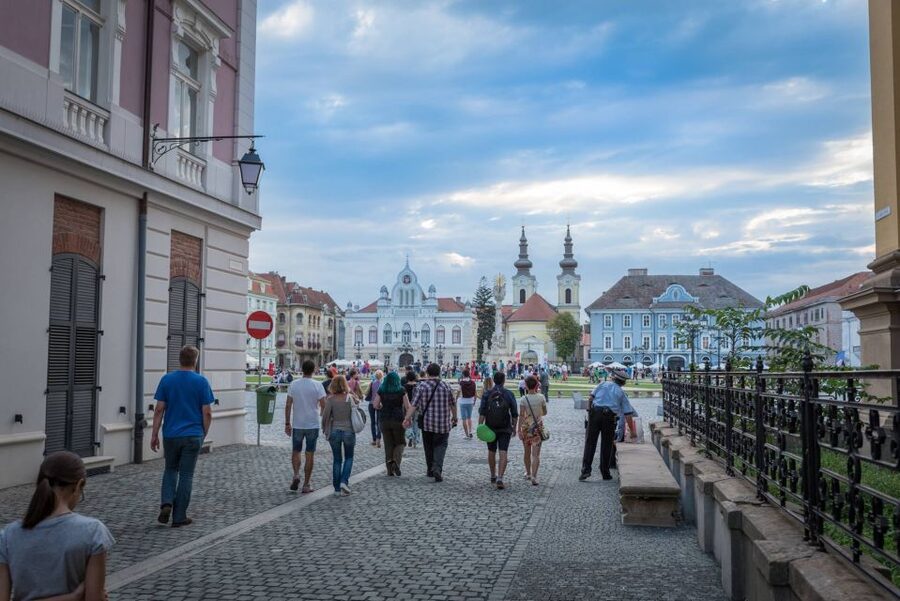
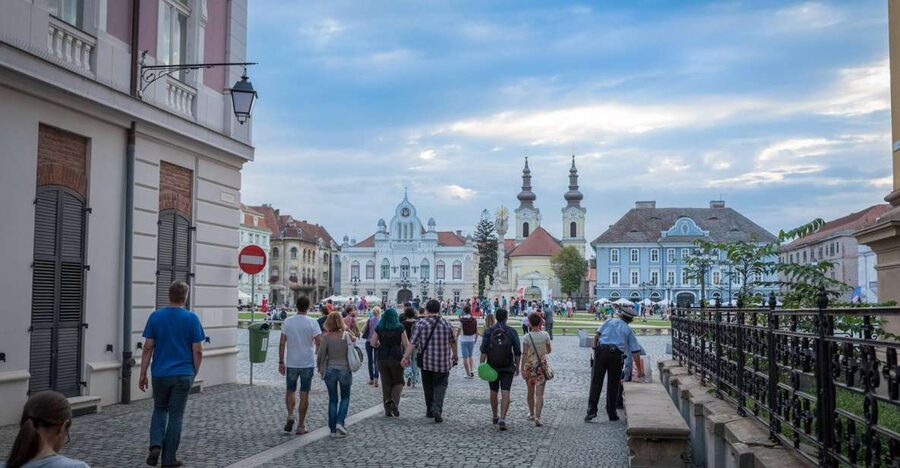
Timisoara rewards people who slow down just enough to look. The best part of a walking tour like this is that history is not stuck in a plaque, it’s tied to the layout of the city, the angles of streets, and the way neighborhoods connect.
This tour is also designed around clarity. You do not need a background in Central European history to enjoy it. You start with a brief picture of Romania today, then you move backward through occupations and rebuilds, and you finish with the more recent revolution against the communist regime.
At $42 per person for about two hours, the value is in the guide time. You’re paying for a live storyteller who can connect events across centuries into one coherent city narrative, which is exactly what you want in a short visit.
Meeting at the tourist information center, then getting oriented fast
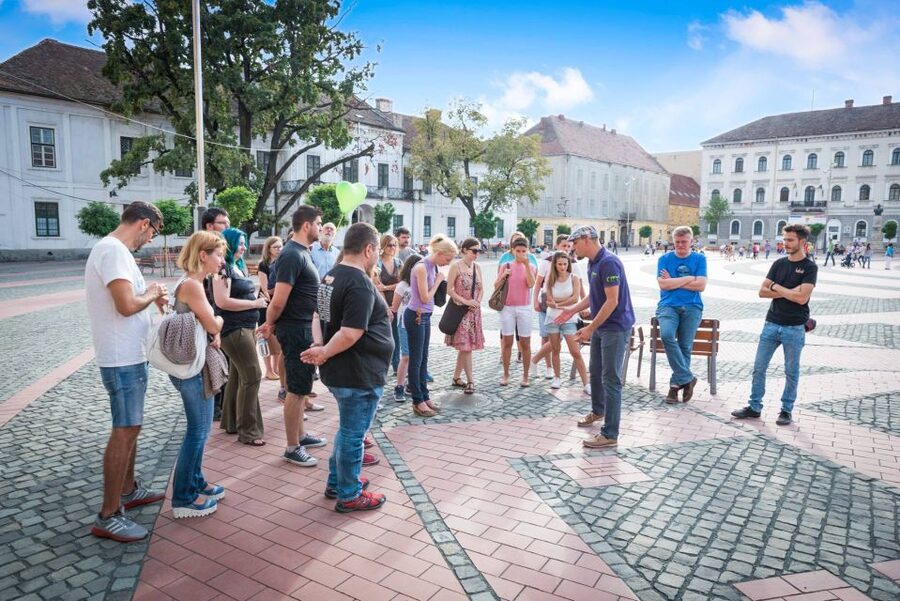
You’ll meet in front of the tourist information center, which is a smart choice for first-timers. It gives you a clean starting point, and it usually means your guide can help you get oriented without spending the first chunk of the tour just finding your bearings.
From there, the walk is about momentum. You keep moving, but the guide keeps pausing you at key moments to point out what to look for and why it matters. If you like your travel experiences active rather than sit-down lectures, this format works.
Also, because it’s a private group, you can often set the pace better than you could on a large fixed schedule. That can matter in a city where the best details are easy to miss if everyone is rushing.
Timisoara beyond the squares
Romania today, explained before the history starts
Before the centuries-old stories begin, expect a short intro to Romania’s situation today. I like this approach because it prevents the classic mistake of treating history like a separate theme park you walk through and then forget.
You get a basic feel for the story of Timisoara, and that context makes later moments easier to understand. When the guide talks about empires, occupations, and political change, you can connect it to what people lived through and what it left behind.
If you’re the kind of traveler who wants to understand more than architecture, this is where you’ll feel the tour’s value.
Mongol invasion to Turkish occupation: reading the past in city space
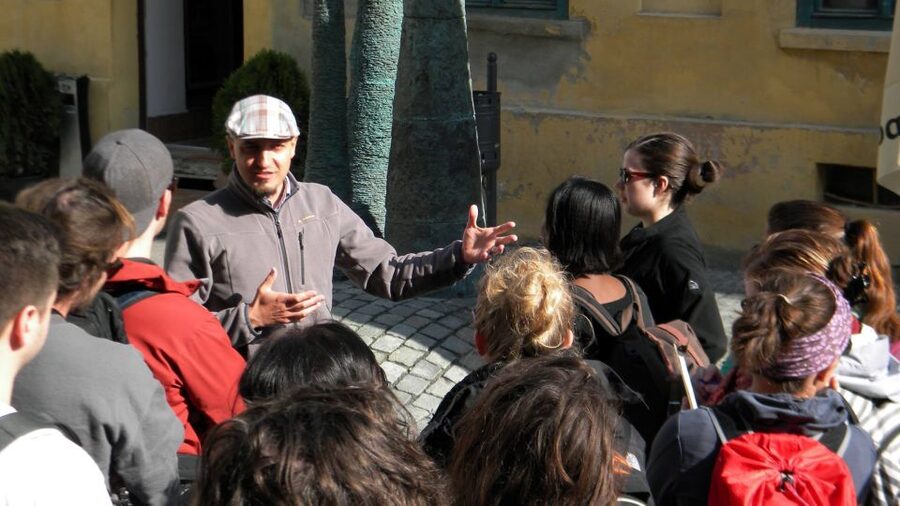
The tour carries you back through major upheavals, starting with the Mongol invasion centuries ago. This part matters because it sets the pattern: Timisoara’s story is shaped by conflict, then rebuilding, then adapting again.
After that, you move into the years of Turkish occupation. This is where the walk becomes more than general history. You’ll hear about places connected to daily life, including where the Turkish public bath and bazaar were located, plus the former site of the Central Mosque.
Even without exact street addresses, learning former locations is a useful trick for sightseeing. You train your eyes to ask, what stood here, what changed hands, and what evidence might still linger in the city plan. It turns the city into a map you can interpret, not just a backdrop for photos.
This section also sets up a key theme for the rest of the tour. Every occupation leaves something, but it also changes the direction of development. That’s why the later Austrian rebuild matters so much.
The Austrian takeover and the city rebuilt from scratch
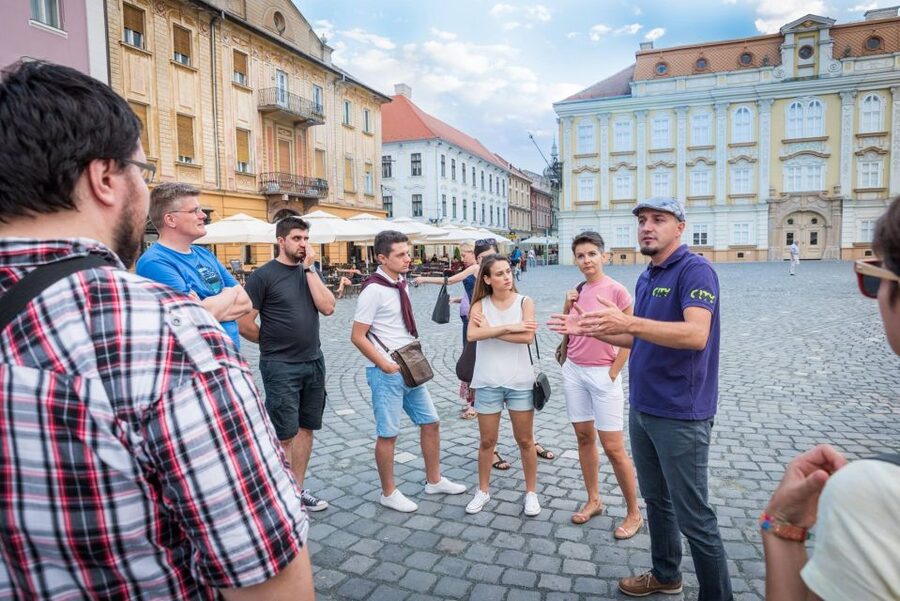
When Timisoara was conquered by Austrian imperial troops in the early 18th century, everything shifted. The tour explains how the city was completely rebuilt at that time, and that detail helps you understand why Timisoara looks the way it does today.
You’ll hear that the wooden buildings from the Middle Ages disappeared. You’ll also learn how new streets and houses were set up, along with a fortification system. That matters because a fortification is not just military. It influences movement, trade routes, and where people could live and work.
This is a great segment for paying attention to street structure. If you’ve ever wondered why some European cities feel orderly after certain periods, this is the logic in motion. The guide’s job is to help you see how the past planning decisions still affect how you experience the walk.
Trams and electric street lights: Timisoara’s surprising modern streak
Most cities have one or two “cool facts.” Timisoara has several, and the guide places them where they connect to people, not just trivia.
One highlight is learning about how one of the first trams in the world was built to connect suburbs with the city center. This is more than a transport story. It’s a story about how cities grow outward, and how governments and planners try to keep communities connected instead of isolated.
Then comes an especially memorable milestone: Timisoara was the first place in continental Europe to use electric street lights. That detail works because it gives you a feel for when modern infrastructure landed here, and it helps you imagine what everyday life looked like when the streets changed.
I love these moments because they break the heaviness of empires and occupations. You’re reminded that real people also care about comfort, safety, and getting around at night.
More Timisoara on foot
The revolution against communism: connecting political history to real life
The tour doesn’t stop in the distant past. It brings you to contemporary times by explaining the revolution against the communist regime in Romania.
This part is where the “so what” becomes clear. You learn the bigger arc of how society moved through decades of change, and how ordinary life was shaped by politics. The guide also frames what it feels like to live in Romania now, so you get a sense of continuity rather than a wall between history and present day.
I like that the tour treats social change as part of the city’s identity. Timisoara isn’t only a place of old walls, it’s a living community with a modern voice and modern memories.
Guides with real storytelling skills, including names you may hear
A walking tour rises or falls on the guide. The strongest praise around this tour is about friendly, fun delivery and story-driven explanations that make the city feel personal.
Names that come up include Armand and Alex Muntean, both described as strong at storytelling and adding personal anecdotes. Another big theme is depth, especially a sense that the guide knows the Banat region in detail, and can connect local identity to the historic events you’re hearing.
There’s also mention that the guide can handle kids, which is useful if you’re traveling with family. Even if you’re not bringing children, it usually means the guide keeps explanations clear and avoids drowning people in dates.
One practical note: Fabian, a guide-feedback commenter, suggested adding the Cathedral of the Three Hierarchs to the route. If this cathedral is a must-see for you, it’s worth checking in with the tour organizer so you can confirm whether it can be worked into your walk.
What you get for $42: value in a guide-driven, time-smart format
Let’s talk money. At $42 per person for 2 hours, you’re not just paying for walking. You’re paying for interpretation.
Good history tours cost more when they involve a museum ticket, multiple guides, or long transportation. Here, you’re paying for a live guide who can pull together big arcs like Mongol invasion, Turkish occupation, Austrian rebuilding, modern infrastructure milestones, and the later communist revolution, all without turning the day into a full lecture.
If you’re on a tight schedule, this is the kind of tour that can turn a generic sightseeing day into a focused one. It also helps you later, because you’ll start noticing details on your own. After a walk like this, Timisoara’s street layout and central landmarks make more sense.
If you have a whole day and you love slow, detailed museum time, you might prefer a longer or more specialized tour. But for many visitors, $42 buys a lot of understanding in a very reasonable window.
Who should book this Timisoara classic walking tour
You’ll enjoy this tour most if you like:
- A walking format where the city layout is part of the story
- History that connects to how people live, not history that stays in a classroom
- Guides who tell stories with clear explanations, and who can adapt when needed
It’s a strong choice for couples, solo travelers, and anyone who wants a high-impact orientation. If you’re traveling with kids, the mention that at least one guide can engage children is a good sign, though it still depends on the specific guide and group.
If you are someone who already knows every detail of Timisoara’s timeline, you may still find value in the way the guide links events into a single route. But if you prefer deep dives at each site, you might want to pair this with additional time at specific monuments.
Should you book it?
I think you should book this tour if you want an efficient, guide-led way to understand Timisoara beyond postcards. The mix of occupations, Austrian rebuilding, and modern firsts like early trams and electric street lights is a rare combo, and it’s delivered in a short, practical format.
Skip it only if you want a slow pace, lots of monument time, or museum-level detail. Otherwise, this is the sort of 2-hour walk that makes the rest of your day in Timisoara easier and more interesting.
FAQ
FAQ
Where does the Timisoara classic walking tour start?
You meet in front of the tourist information center.
How long is the tour?
The tour lasts 2 hours.
What is the price per person?
The price is $42 per person.
Is the tour guided?
Yes. It includes a live tour guide, and it is a walking tour.
What languages are available?
The live tour guide is available in English and Romanian.
Is it a private group?
Yes, it is a private group.
What historical topics are covered during the walk?
The tour covers Timisoara’s past and present, including the Mongol invasion, Turkish occupation, Austrian imperial rebuilding, and the contemporary revolution against the communist regime.
Does the tour mention former Turkish-era locations?
Yes. You learn where the Turkish public bath, bazaar, and the Central Mosque used to be located.
Can I get a full refund if I cancel?
Free cancellation is available up to 24 hours in advance for a full refund.
Can I reserve and pay later?
Yes. The option is reserve now and pay later, so you can keep plans flexible.
Whatever Else Timisoara Is Selling
- The Classic Tour of Timisoara
★ 5.0 · 154 reviews - Weekly Guided Tour in English – Tuesday, Thursday, Saturday
★ 5.0 · 84 reviews - Timisoara All in One – Walking and Tram Tour
★ 5.0 · 72 reviews - Timisoara: Guided Walking Tour
★ 4.9 · 38 reviews - Timișoara Highlights – Walking Tour
★ 5.0 · 28 reviews
Everything Else We Reviewed In Timisoara
- The Classic Tour of Timisoara
★ 5.0 · 154 reviews - Weekly Guided Tour in English – Tuesday, Thursday, Saturday
★ 5.0 · 84 reviews - Timisoara All in One – Walking and Tram Tour
★ 5.0 · 72 reviews - Timisoara: Guided Walking Tour
★ 4.9 · 38 reviews - Day trip to Corvin Castle and Sibiu (and back) from Timisoara
★ 5.0 · 30 reviews
Timisoara On Foot And By Tram
- The Classic Tour of Timisoara
★ 5.0 · 154 reviews - Timisoara All in One – Walking and Tram Tour
★ 5.0 · 72 reviews - Timisoara: Guided Walking Tour
★ 4.9 · 38 reviews - Day trip to Corvin Castle and Sibiu (and back) from Timisoara
★ 5.0 · 30 reviews - Timișoara Highlights – Walking Tour
★ 5.0 · 28 reviews
Recently added around Timisoara
- Nera Gorge National Park – Private Day Tour from Timisoara★ 4.5 · 4 reviews
- Timisoara: Jewish Heritage Walking Tour★ 5.0 · 4 reviews
- Timisoara Downtown Dream Tour★ 5.0 · 5 reviews
- Timisoara: Private Walking Tour with a Local Guide★ 4.5 · 5 reviews
- The Jewish Heritage Tour of Timisoara★ 5.0 · 9 reviews
Timisoara Tours, compared.
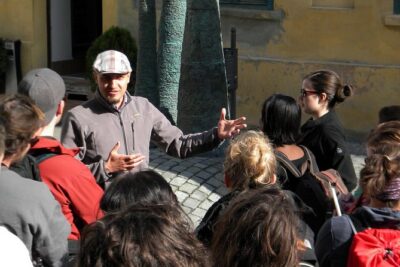 ★ 5.0The Classic Tour of TimisoaraFrom $48154 reviews
 ★ 5.0Timisoara All in One – Walking and Tram TourFrom $9272 reviews
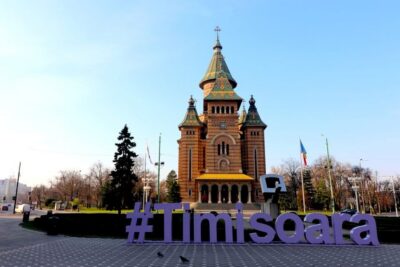 ★ 4.9Timisoara: Guided Walking TourFrom $2338 reviews
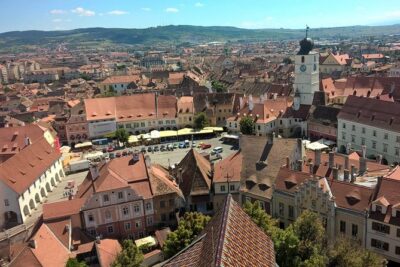 ★ 5.0Day trip to Corvin Castle and Sibiu (and back) from TimisoaraFrom $18530 reviews
 ★ 5.0Timișoara Highlights – Walking TourFrom $3528 reviews
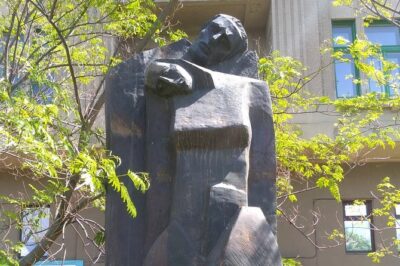 ★ 5.0The Grand Tour of Communist Ages at TimisoaraFrom $6617 reviews
 ★ 5.0One Day in Transylvania – Departure from TimisoaraFrom $17016 reviews
 ★ 5.0Ecumenical Tour of TimisoaraFrom $3015 reviews
Browse the lists this tour appears in