
REVIEW · TIMIȘOARA
Timisoara: Guided Walking Tour
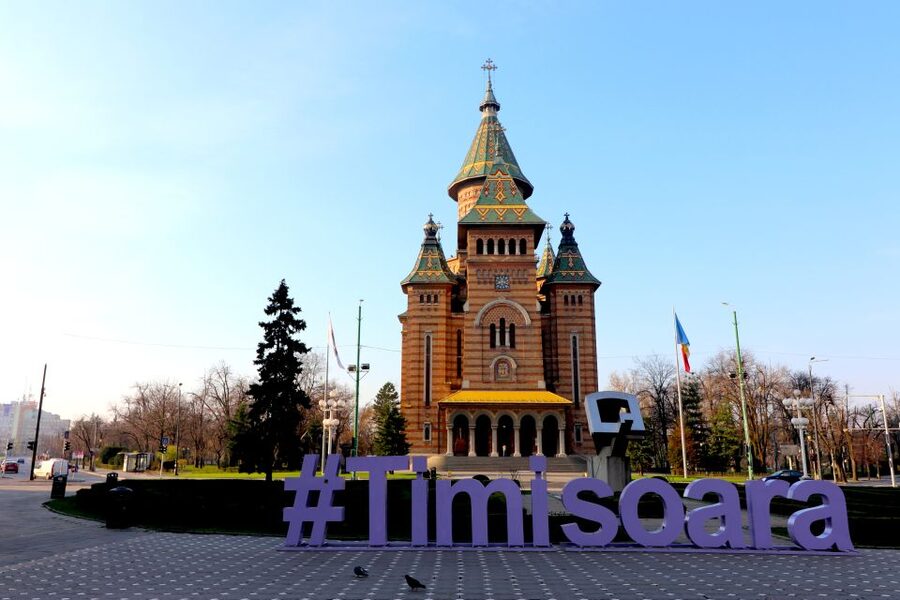
A city can fit into your head fast. In Timișoara, this 2-hour walking tour links 700 years of change to what you can still see today.
I love that it spends real time on the Ottoman-era traces and the surviving city walls, not just postcard stops. I also like the way it ties architecture to people and consequences, including what happened during the Romanian Revolution of 1989. One thing to note: this is a steady walking route and it is not suitable for people with mobility impairments.
You start in a very visual spot, the Opera House area in Victory Square, and you finish right where you began. Along the way, you’ll hear stories about key figures who shaped Timisoara, plus context about the Banat region. Guides such as Roberta, Sergio, and Dan are specifically praised for being welcoming, answering questions, and making art and history easier to understand.
In This Review
- Key Things You’ll Notice on This Timisoara Walk
- Starting at the Opera House in Victory Square
- Ottoman-Era Timisoara and the Story Behind the Old Walls
- Unirii Square: Architecture With a Modern Timeline
- The 1989 Revolution in the Streets You Walk
- How the 2 Hours Flow and Why That Pace Works
- Guides: What You Gain From Real Explanations
- Price and Value: Why $23 Can Make Sense
- Weather and Comfort: Simple Things That Matter
- Who Should Take This Tour (and Who Might Want to Skip It)
- Should You Book This Timisoara Guided Walking Tour?
- FAQ
- Where does the tour start?
- How long is the walking tour?
- What languages is the tour offered in?
- Which days does the tour run?
- Is the tour suitable for people with mobility impairments?
- What should I bring?
- What does the tour include?
- Does the tour end where it starts?
- How much does it cost?
- Can I cancel, and what is the policy?
Key Things You’ll Notice on This Timisoara Walk
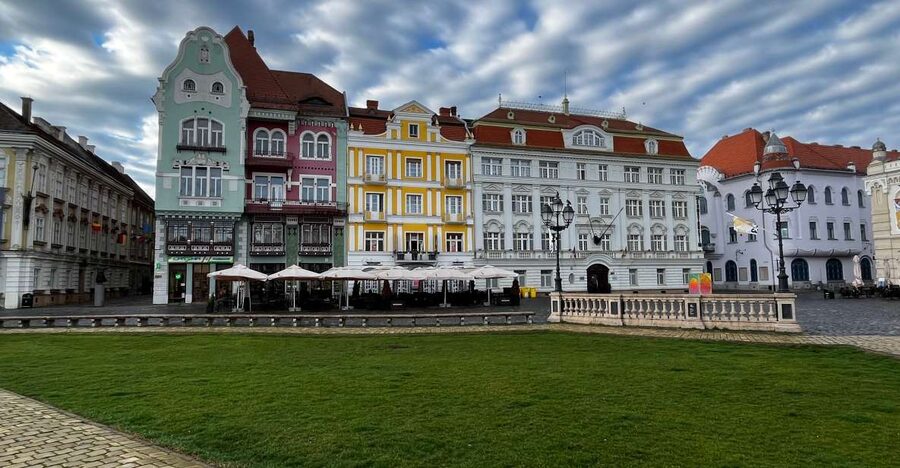
- Victory Square and the Opera House start point, which makes it easy to orient your day
- Ottoman-era stories connected to what remains in the city today
- A look at the former city walls, including the only surviving piece
- Unirii Square explained with background, plus the European Capital of Culture 2023 angle
- How the 1989 Revolution played out nearby, including the scale of crowds and why it mattered
Starting at the Opera House in Victory Square
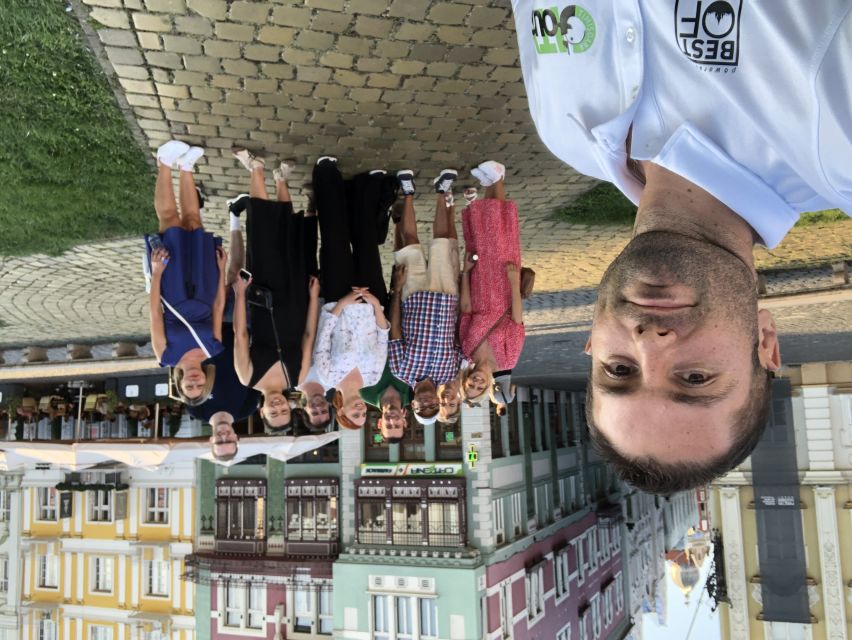
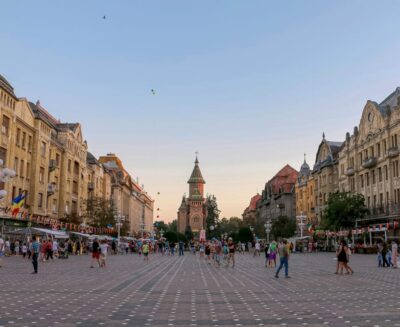
Your tour begins at the Opera House area in Victory Square, which is one of the best ways to kick off a first visit. It is central, easy to reach, and it sets the tone: Timisoara is a city where different eras overlap, and you can see that overlap in the streetscape right away.
From there, you do not just walk from one landmark to the next. You get guided connections. The guide uses the street corners and buildings as clues, so you start learning to read the city instead of just collecting names.
If you like history that feels practical and nearby, this start matters. You will be able to reuse what you learn the rest of your trip, especially when you return to the center for photos or dinner.
Ottoman-Era Timisoara and the Story Behind the Old Walls
One of the most memorable parts is the tour’s focus on Ottoman times and the city’s defensive past. You’ll hear what the Ottoman period meant for Timisoara and how it shaped the way the city evolved.
Then you move to where you can still spot remnants of the former walls. The tour specifically highlights the only piece still standing, which is a great reminder that cities rarely preserve everything, but they often preserve something that changes how you understand the whole layout. Even if you are not a history buff, seeing one surviving section is powerful. It helps your brain build the full picture of what used to be there.
Practical tip: have your phone ready for street-level details. The most interesting things here are often not grand monuments, but small fragments and architectural cues. This is a tour that rewards careful looking.
Timisoara beyond the squares
Unirii Square: Architecture With a Modern Timeline
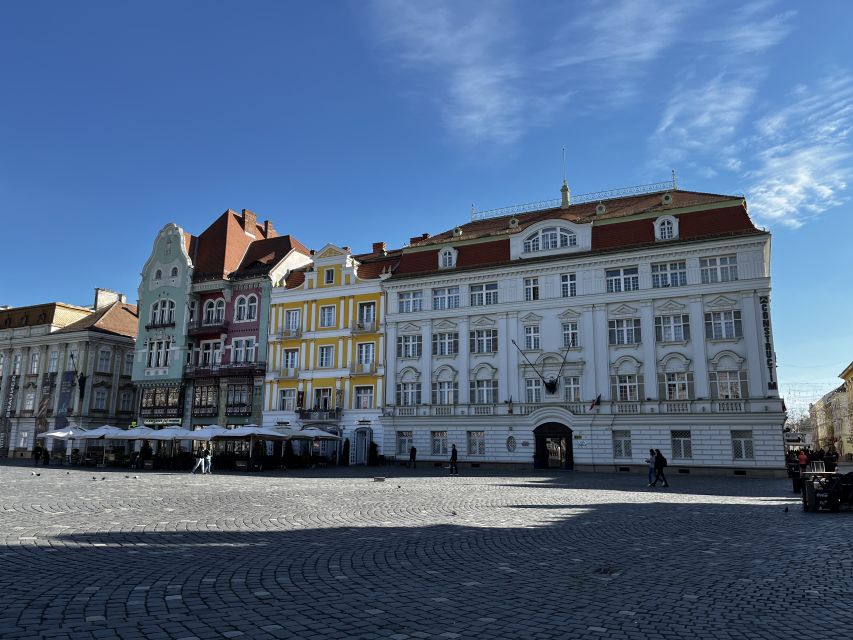
Next up is Unirii Square, and this is where the walking tour shifts from survival and fortification to urban design and public space. You’ll hear the story behind who built it and why this square became such a key place for Timisoara.
The guide also connects the square to Timisoara’s cultural moment as European Capital of Culture 2023. That matters because it links past and present in a grounded way. Instead of treating architecture like a museum object, you learn how it continues to function as a social stage.
What I like about this stop is that you get both explanation and atmosphere. You spend enough time to understand the design intent, then you can look at it on your own terms once the tour moves on. If you plan to wander after the tour, Unirii Square is the sort of place you can revisit with better eyes.
The 1989 Revolution in the Streets You Walk
The tour’s biggest emotional and historical segment covers the Romanian Revolution of 1989. This is not taught as distant textbook history. You connect the events to a real public space and a real scale of people.
The guide points out where more than one hundred fifty thousand people gathered during the revolution in 1989. That figure is not there to impress you. It helps you grasp why cities like Timisoara became more than a backdrop. Public squares, streets, and buildings turned into decision-making rooms in the open.
You will also hear stories about important people who influenced Timisoara across different periods. That is useful because revolutions are made of individuals, not just dates. It can be easier to remember the full story once you have human names attached to the buildings around you.
One note for your expectations: this is a walking tour, not a museum. You’ll get context and key moments, but you will still want to do follow-up reading if you want every detail.
How the 2 Hours Flow and Why That Pace Works
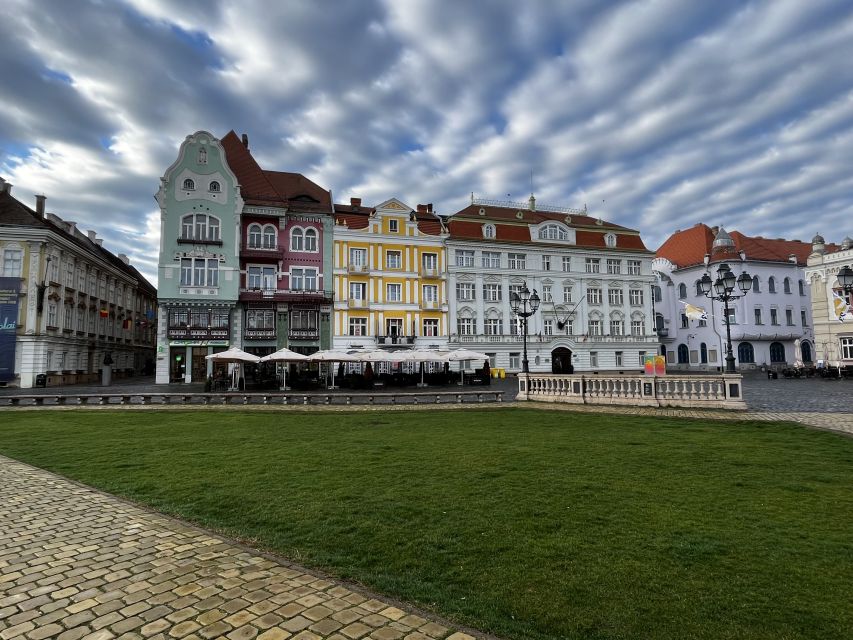
At about 2 hours, this guided walk is built for first-time orientation. You get enough time to feel like you covered major themes, not just a single square. At the same time, it stays short enough that you still have plenty of energy for lunch and exploring afterward.
The pacing is also designed to keep you engaged. The tour includes time for questions, and the guides are praised for answering questions across a range of topics. That matters because Timisoara can be confusing at first glance. Different cultural layers exist side by side, and you might wonder how they fit together.
If you are the kind of traveler who likes to ask why a building looks the way it does, or who wants context before buying into a photo spot, this format fits you well.
Guides: What You Gain From Real Explanations
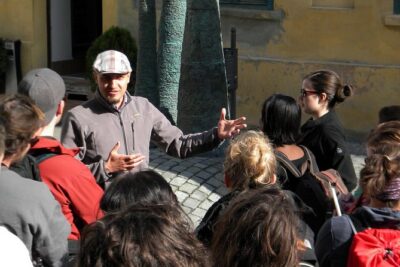
A big reason people rate this tour so highly is the guide experience. Guides named in feedback such as Roberta, Sergio, and Dan are highlighted for being welcoming and very good at explaining history and city-center art in a clear way.
I also like that guides are not stuck in a script. Sergio is praised for being very knowledgeable and for answering questions, and Dan is praised as amazing while leading people through Timisoara’s center. In short, you are not just receiving dates and directions. You are getting understanding.
And then there are the practical add-ons. One guide recommendation stood out for both local food and local events. For example, Roberta is noted for suggesting a great restaurant and also recommending the annual Maygar Napok (Hungarian Fest) that happened during a visit. That kind of advice turns a history walk into a trip-planning tool, which is exactly what I want from a guided experience.
More Timisoara on foot

Price and Value: Why $23 Can Make Sense
At $23 per person for a professional English-speaking guide, this tour can be good value if you want structure without spending all day. The duration is about 2 hours, and you cover several major themes: Ottoman times, former city walls, Unirii Square, and the 1989 Revolution.
What justifies the price is not just that a guide walks with you. It is that you get guided interpretation. Paying for a guide is often worth it when the city has layered stories and subtle architecture cues. Timisoara’s center does have those layers, and a good guide helps you notice them faster.
If your day plan includes a lot of independent wandering after, this tour acts like a primer. You learn where the important ideas are, then you can spend your time enjoying the parts that resonate most.
Weather and Comfort: Simple Things That Matter
This tour runs rain or shine on Tuesdays, Thursdays, and Saturdays. That is great for flexibility, but it also means you should dress for the outside reality, not the forecast hype.
Bring comfortable clothes, and plan for standing time at viewpoints along the route. If you wear good walking shoes, you’ll thank yourself later. Because it is in the city center, the sidewalks are manageable, but you still want to be comfortable enough to look up at architecture while walking.
If it is wet, you’ll appreciate having a light layer and something that keeps you warm without restricting movement. You are going to be outside for the full experience.
Who Should Take This Tour (and Who Might Want to Skip It)
I think this walking tour suits you best if:
- you want a guided history and architecture orientation for Timisoara
- you care about the Romanian Revolution of 1989 but want it placed in real places
- you like asking questions and getting answers from a real person
- you want a short, high-impact activity you can fit into a busy day
It may not be the right fit if you:
- have mobility constraints, because it is not suitable for people with mobility impairments
- only want a quick photo stop with no backstory, because the value here is explanation and context
If you are traveling with mixed interests, this also works well. Architecture lovers get the square and design storytelling. History lovers get Ottoman-era traces and the Revolution focus. And if you are food and culture oriented, the guide’s local suggestions can help you plan your next meal or event.
Should You Book This Timisoara Guided Walking Tour?
Yes, if you want a fast, guided way to understand Timisoara’s center. This is not a long tour that asks you to memorize everything. It is a focused walk that connects visible landmarks to deeper stories, including Ottoman-era traces and the 1989 Revolution in a meaningful way.
Book it if you value a guide who explains clearly, stays welcoming, and answers questions. The strongest sign is how often the guide experience comes up, including names like Roberta, Sergio, and Dan, and the practical local tips that can extend your day beyond the walking route.
Skip it only if walking is a challenge for you, or if you prefer self-guided sightseeing with minimal context. For most people visiting Timisoara for the first time, this is a smart starting move.
FAQ
Where does the tour start?
The meeting point is right in front of the Opera House in Victory Square.
How long is the walking tour?
The duration is 2 hours.
What languages is the tour offered in?
The tour is offered with a live guide in English.
Which days does the tour run?
It runs rain or shine every Tuesday, Thursday, and Saturday.
Is the tour suitable for people with mobility impairments?
No, it is not suitable for people with mobility impairments.
What should I bring?
Wear comfortable clothes.
What does the tour include?
It includes a professional English-speaking guide.
Does the tour end where it starts?
Yes, it ends back at the meeting point.
How much does it cost?
The price is $23 per person.
Can I cancel, and what is the policy?
Free cancellation is available up to 24 hours in advance for a full refund.
Whatever Else Timisoara Is Selling
- The Classic Tour of Timisoara
★ 5.0 · 154 reviews - Weekly Guided Tour in English – Tuesday, Thursday, Saturday
★ 5.0 · 84 reviews - Timisoara All in One – Walking and Tram Tour
★ 5.0 · 72 reviews - Timișoara Highlights – Walking Tour
★ 5.0 · 28 reviews - Timisoara: Classic Walking Tour
★ 5.0 · 26 reviews
Everything Else We Reviewed In Timisoara
- The Classic Tour of Timisoara
★ 5.0 · 154 reviews - Weekly Guided Tour in English – Tuesday, Thursday, Saturday
★ 5.0 · 84 reviews - Timisoara All in One – Walking and Tram Tour
★ 5.0 · 72 reviews - Day trip to Corvin Castle and Sibiu (and back) from Timisoara
★ 5.0 · 30 reviews - Timișoara Highlights – Walking Tour
★ 5.0 · 28 reviews
Timisoara On Foot And By Tram
- The Classic Tour of Timisoara
★ 5.0 · 154 reviews - Timisoara All in One – Walking and Tram Tour
★ 5.0 · 72 reviews - Day trip to Corvin Castle and Sibiu (and back) from Timisoara
★ 5.0 · 30 reviews - Timișoara Highlights – Walking Tour
★ 5.0 · 28 reviews - Timisoara: Classic Walking Tour
★ 5.0 · 26 reviews
Recently added around Timisoara
- Nera Gorge National Park – Private Day Tour from Timisoara★ 4.5 · 4 reviews
- Timisoara: Jewish Heritage Walking Tour★ 5.0 · 4 reviews
- Timisoara Downtown Dream Tour★ 5.0 · 5 reviews
- Timisoara: Private Walking Tour with a Local Guide★ 4.5 · 5 reviews
- The Jewish Heritage Tour of Timisoara★ 5.0 · 9 reviews
Timisoara Tours, compared.
 ★ 5.0The Classic Tour of TimisoaraFrom $48154 reviews
 ★ 5.0Timisoara All in One – Walking and Tram TourFrom $9272 reviews
 ★ 5.0Day trip to Corvin Castle and Sibiu (and back) from TimisoaraFrom $18530 reviews
 ★ 5.0Timișoara Highlights – Walking TourFrom $3528 reviews
 ★ 5.0Timisoara: Classic Walking TourFrom $4226 reviews
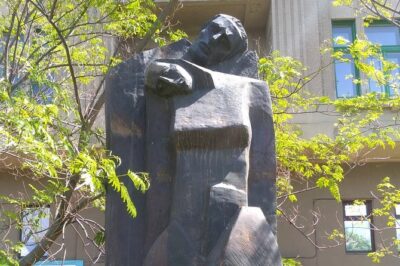 ★ 5.0The Grand Tour of Communist Ages at TimisoaraFrom $6617 reviews
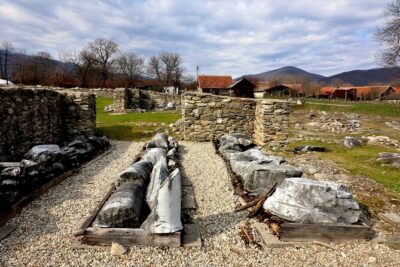 ★ 5.0One Day in Transylvania – Departure from TimisoaraFrom $17016 reviews
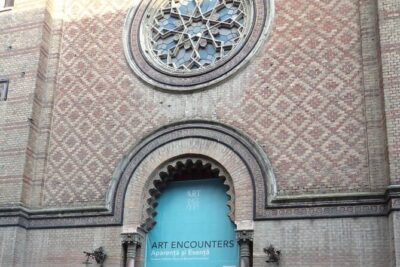 ★ 5.0Ecumenical Tour of TimisoaraFrom $3015 reviews
Browse the lists this tour appears in