
REVIEW · BUCHAREST
Communism Walking Tour from Lenin to Ceausescu in Bucharest
Communism in Bucharest hits hard, fast, and close. This 2.5-hour walk connects the big, dramatic communist buildings to what it actually meant for daily life, power, and protest. You see the city from the inside out, from the giant state symbol to the moment the system cracked.
I like the straight, story-driven guiding. You move past landmarks and learn how they link together, not just what they look like. I also like the value: the tour costs $24 and stops with listed free admission keep the experience focused on history, not ticket math.
One thing to consider is language. It is offered in English, and if your English is shaky, the pace can feel demanding. Also, the route includes heavy, violent history, including shootings in University’s Square, so it is not a light afternoon stroll.
In This Review
- Key highlights and what to expect
- Why this Bucharest communism walk makes sense
- The 10:30 start and how to plan your morning
- Palace of Parliament: the megaproject you can’t ignore
- Manastirea Antim and what almost got erased
- Palatul Patriarhiei: Paris influence with political roots
- Piața Unirii and the Dancing Fountains of the 1980s
- Old Town: a symbol of the old regime left to fade
- University’s Square: the revolution’s brutal math
- Royal Palace to Palace of the Republic: power changes uniforms
- Ateneul Roman and the 5 lei connection
- Revolution Square and the Communist Party building behind Ceaușescu’s last speech
- What makes the guides matter: storytelling that connects the dots
- Price and value: $24 for a full 2.5 hours of major landmarks
- Practical tips to enjoy it without frustration
- Should you book the Lenin to Ceaușescu communism walk?
- FAQ
- How long is the Communism Walking Tour in Bucharest?
- What is the price of the tour?
- Where does the tour start and end?
- What time does the tour begin?
- Is the tour offered in English?
- Is admission included for the stops?
- What is the cancellation policy?
Key highlights and what to expect

- Palace of Parliament first, so you understand the scale of the communist project right away
- Old city contrasts, including Manastirea Antim and what demolition plans threatened
- Piața Unirii and Dancing Fountains, a look at 1980s urban planning and spectacle
- University’s Square tied to the brutal endgame of the 1989 revolution
- Revolution Square centered on the Communist Party building and Ceaușescu’s last speech
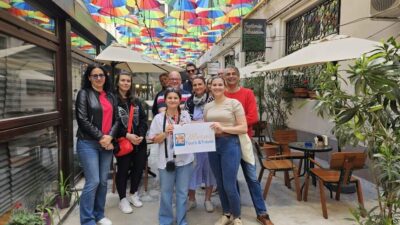
- Small group feel, with a maximum of 25 people and a local guide doing the storytelling
Why this Bucharest communism walk makes sense
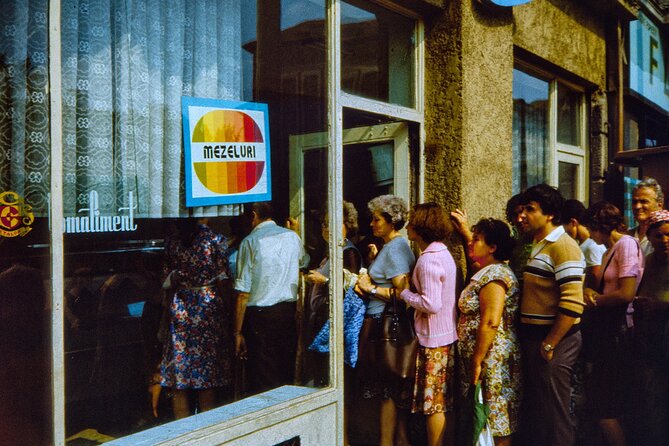
Bucharest is one of those cities where buildings carry opinions. This tour is built to read those opinions out loud. You start with the most overwhelming symbol of state power, then you work your way toward the places where power broke, changed hands, and left scars.
What I like is the way the tour doesn’t treat communism like an abstract textbook topic. It shows how the system shaped space, streets, and public life. You also get a sense of how Romania’s path was different inside the communist bloc, leading to a bloody revolution rather than a smooth handover.
And yes, the walk is interesting even if you only know a few names or dates. The route is designed so the story clicks step by step.
The 10:30 start and how to plan your morning
The meeting point is Bulevardul Unirii 5, București 040101, and the tour starts at 10:30 am. It ends at Revolution Square (Piața Revoluției), so your afternoon plans can stay flexible. You are also walking in central areas where you’ll likely find public transport nearby, which helps if you want to arrive early or reset afterward.
Plan on about 2 hours 30 minutes on foot. That is long enough to cover serious ground, but not so long that it turns into a forced march. Still, comfortable shoes matter. Bucharest sidewalks are doable, but your legs will notice the full route.
One practical point: the tour is limited to 25 travelers. If you want a good spot in a small group, booking ahead is smart. The tour is often reserved well in advance, with an average of about 50 days ahead.
The Ceausescu years, told other ways
Palace of Parliament: the megaproject you can’t ignore
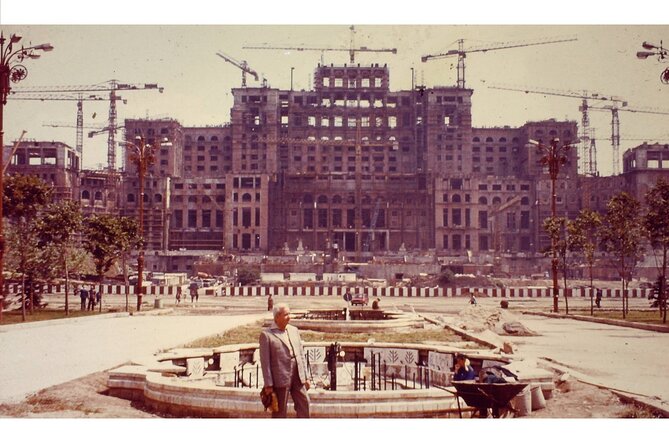
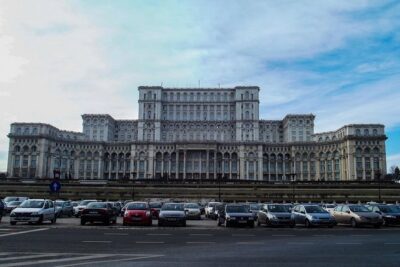
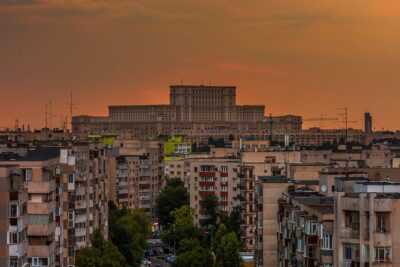
You kick off in front of the Palace of the Parliament, described as the second biggest administrative building in the world. Even if you have seen photos, seeing it at street level is another experience. This is the kind of communist project that was not meant to blend in. It was meant to dominate.
The guide frames it as part of the last huge, megalomaniac communist project. The point isn’t just size. It is what size demanded from the city and from people: labor, planning, and the kind of political will that treats human scale as negotiable.
The stop is about 20 minutes, and listed admission is free for this part of the route. That makes sense for the flow too. You get enough time to take it in, then you move on before the sheer scale turns into mental overload.
Tip: bring your camera mindset. Try to notice details like angles, corners, and the building’s relationship to the street. This building is a lesson in power made concrete.
Manastirea Antim and what almost got erased
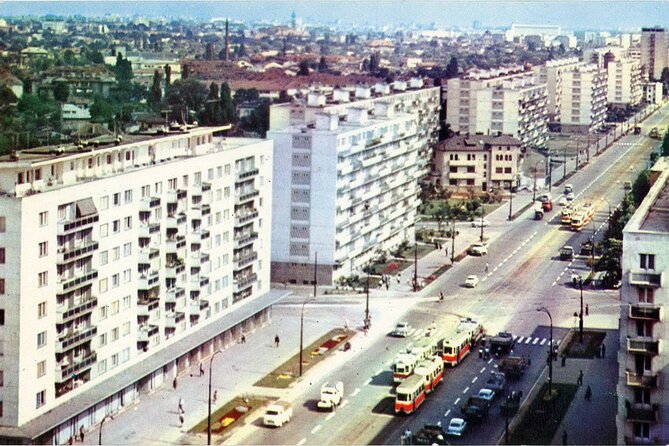
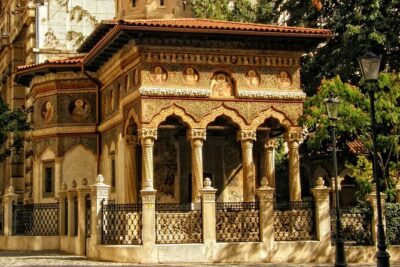
Next you head to Manastirea Antim, set in the old city. The dramatic contrast here is the story. This church monastery was almost demolished to make way for the new Socialist Victory Boulevard.
That detail changes how you see both places. On one side, you have a surviving piece of older Bucharest. On the other, you have the communist habit of remaking the city around ideological needs, even if it meant cutting into heritage.
This stop is around 15 minutes, with free admission listed. It is long enough to absorb the idea and check out the setting without rushing. The value is in the mental picture your guide builds, how planning decisions can threaten what people loved before the new regime arrived.
If you’re the type who likes street-level history, this is one of the most satisfying pauses.
Palatul Patriarhiei: Paris influence with political roots

At Palatul Patriarhiei, the tone shifts again. The building is said to be inspired by Garnier Opera from Paris, which adds an interesting contrast: not every communist-era structure was built from plain ideology alone. You can have grand European references and still connect it to politics and regime change.
Here, the guide links the site to the start of democracy in Romania and also to the start of the communist movement. That double link matters. It reminds you that the story of communism in Romania didn’t land from nowhere. The same streets can host early democratic momentum and later authoritarian takeover.
This stop lasts about 20 minutes, again with free admission listed. The time is enough to see the architecture and let the political thread connect.
My advice: don’t just look for the building style. Look for the building’s role in the story you’re being told. That is where the tour shines.
Piața Unirii and the Dancing Fountains of the 1980s
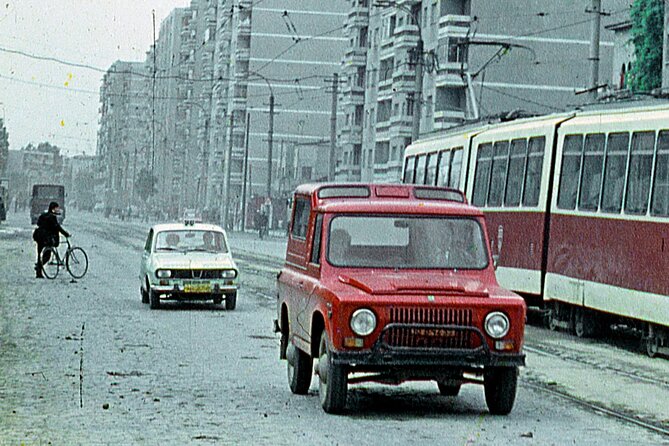
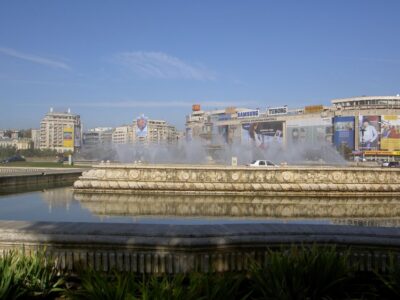
Now you reach Piața Unirii, built during the 1980s as part of the Socialist Victory Boulevard. The big attention grabber is the Dancing Fountains, which turn a city square into a staged public moment.
This stop is about 20 minutes and listed free admission. You’ll spend time in the open space where modern urban design meets propaganda-flavored public life. The guide’s angle helps you see it as more than a pretty feature. It becomes a way to understand how regimes used spectacle and public spaces to project confidence and control.
If you like photography, this is a good place to pause and frame the square. If you’re less into pictures, you can still get a lot from simply watching how the space feels: wide, planned, and built for gatherings and visibility.
One more note: fountains can be weather-dependent. Even if they are not running at your exact moment, you’ll still get the context for why they became part of Bucharest’s 1980s identity.
More Bucharest on foot
Old Town: a symbol of the old regime left to fade
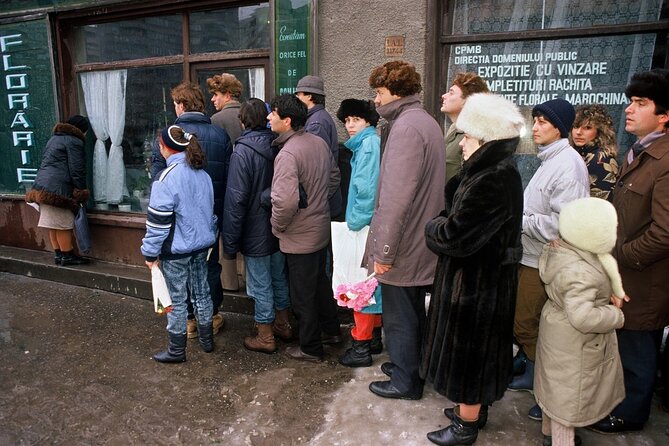
After the big-square spectacle, you head to the Old Town, described as a symbol of the old regime. During the communist era, it became abandoned.
That is the kind of detail that makes the tour click. You realize the communist story is not only about constructing new things. It is also about neglecting and letting older spaces decay, either because they didn’t fit the new narrative or because resources were directed elsewhere.
This stop is short, about 15 minutes, with free admission listed. The goal is not to renovate the old streets in your head. It is to understand the emotional and physical impact of regime priorities.
Look around. Even in a modern city, abandonment leaves patterns. You’ll likely spot how the atmosphere differs from the more planned spaces.
University’s Square: the revolution’s brutal math
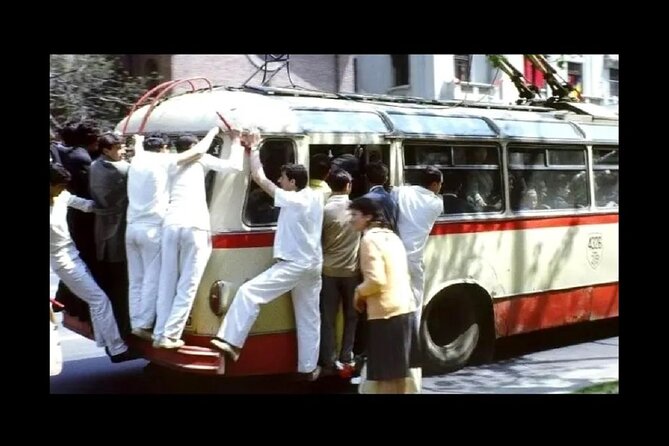
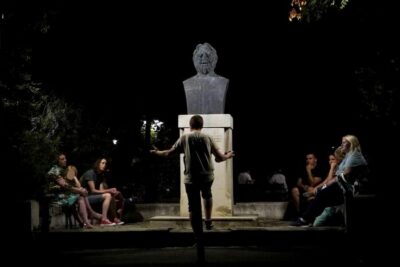
Next is University’s Square. This is where the tour turns heavier. Romania is highlighted as the only country in the communist bloc that ended in a bloody revolution, and the tour notes that many victims were shot in this square.
This stop runs about 15 minutes with free admission listed. That short time is not because the topic is small. It is because the guide is trying to keep the day manageable while still respecting the seriousness of what happened.
Practical advice: pace yourself. If the topic is emotionally tough, you might want to slow your pace a bit and focus on what the guide is explaining rather than rushing for photos.
This is also one of the stops where a good guide matters most. The story needs to be clear, not sensational. When it works, you leave with a real understanding of how the city became part of the fight.
Royal Palace to Palace of the Republic: power changes uniforms
At Palatul Regal, you learn about a fascinating transformation. The Royal Palace is now the National Art Museum, but it functioned as the winter residence of Romania’s royal family. During the first years of communism, it became the Palace of the Republic and a protocol building.
So the place didn’t disappear. It changed owners and symbolism. That is a key theme of the tour: communism reshaped identity by reshaping who controlled the rooms, the ceremonies, and the public meaning of major buildings.
This stop is about 15 minutes with free admission listed. The time is enough to connect the dots between monarchy, early communist transition, and how institutions got repurposed.
When you see the building, you may think it looks grand and stable. The tour pushes you to consider how stable-looking walls can hide abrupt political flips.
Ateneul Roman and the 5 lei connection
Then comes Ateneul Roman, one of Bucharest’s most representative buildings. Here’s the fun-and-useful detail: it was printed on the 5 lei banknote.
This stop is only about 5 minutes, with free admission listed. That’s short, but it works. It is like a quick pop quiz that ties national identity to everyday money and everyday life. If you’ve ever held a Romanian note, you can almost picture it in your hand again.
I like this moment because it gives you a calmer note after the heavier sites. It also reminds you that Bucharest is not only about politics. It is also about culture and how the country markets itself.
Tip: if you’re traveling with someone who doesn’t love history lectures, this is a good “agree to look at the building” stop.
Revolution Square and the Communist Party building behind Ceaușescu’s last speech
Finally, you reach Piața Revoluției, where the main building is tied to the Central Committee of the Communist Party. The guide connects this location to Nicolae Ceaușescu’s last speech in front of the Romanian people.
This is the endpoint area, and the stop runs about 25 minutes, the longest pause in the tour after the opening. That longer time makes sense because the square is emotionally loaded and historically dense. You’re not just looking at architecture. You’re standing in the kind of place where speeches and decisions shifted the country.
This stop is about 25 minutes, with free admission listed. You’ll get time to absorb the setting and understand why this square became such a focal point.
If you want to keep your day flowing, plan your next stop after the tour carefully. Because it ends here, you can easily continue with other Bucharest sights in the same general area.
What makes the guides matter: storytelling that connects the dots
The best part of this experience is how clearly the guide stitches the route together. The tour is built around cause-and-effect: big projects lead to new streets, new streets can erase old ones, and symbols of power end up in places where people finally break the pattern.
From what I’ve seen in guide styles, Alex and Lucia are both mentioned as strong storytellers. Alex’s approach is described as humorous and flexible with different groups, while Lucia is highlighted as very good even when English is the language of the tour. If you’re a fan of narrative history, that matters more than any single building.
Also, the comments about connecting the dots from the Palace of Parliament toward the Ceaușescu-era story tell you what kind of guiding you’ll get. You’re not just collecting stops. You’re building understanding.
Price and value: $24 for a full 2.5 hours of major landmarks
At $24 per person, this isn’t expensive for a guided walk that covers a lot of Bucharest’s major political geography. You also get a local guide, and the stops are listed with free admission for the parts included. That is a big deal. It means you’re paying mainly for interpretation and route time, not entry fees.
Is it “worth it”? For the kind of traveler who likes to understand what you’re seeing, yes. It condenses a wide swath of modern Romanian history into a format you can actually finish in one morning.
If you only want photos and general impressions, you might feel the storytelling is too much. But if you like your sightseeing to explain itself, this is a solid bargain.
Practical tips to enjoy it without frustration
A few things can make or break the experience.
- Wear comfy shoes. It is a walking tour, about 2.5 hours, and you’ll want your feet to feel good.
- Bring patience for language. It is offered in English. If translation apps are your backup plan, keep your expectations realistic.
- Book ahead. The average booking window is around 50 days, and the tour caps at 25 people.
- Use the free-admission stops wisely. Free entry means you can focus on what the guide is saying instead of waiting around for ticket logistics.
- Think about what you can handle emotionally. University’s Square is tied to shootings, so pace your mindset accordingly.
You’ll likely also find it easy to plug into public transport before and after, since the tour is described as near public transportation.
Should you book the Lenin to Ceaușescu communism walk?
If you want a guided walk through Bucharest that teaches you what the communist era did to buildings, streets, and public life, I’d book it. The strong storytelling, the mix of architectural stops, and the fact that it links the biggest symbols to the end of the system make it a smart use of a morning.
Skip it if you prefer light entertainment over political context, or if you know you struggle with English tours. This route includes difficult history, and you should choose it intentionally.
If you do book, come with one goal: try to understand the city’s logic, not just its landmarks. When you do that, Bucharest stops feeling random and starts feeling like a story you can follow.
FAQ
How long is the Communism Walking Tour in Bucharest?
It lasts about 2 hours 30 minutes.
What is the price of the tour?
The price is $24.00 per person.
Where does the tour start and end?
It starts at Bulevardul Unirii 5, București 040101, Romania and ends at Revolution Square, Piața Revoluției, București, Romania.
What time does the tour begin?
The start time is 10:30 am.
Is the tour offered in English?
Yes, it is offered in English.
Is admission included for the stops?
Admission tickets are listed as free for the stops in the itinerary, and the tour includes a local guide.
What is the cancellation policy?
Free cancellation is available if you cancel up to 24 hours in advance of the experience start time for a full refund.
Whatever Else Bucharest Is Selling
- Bucharest to Dracula Castle, Peles Castle and Brasov Guided Tour
★ 4.5 · 2,933 reviews - Bucharest: Palace of Parliament Tickets and Guided Tour
★ 4.4 · 1,877 reviews - Transylvania and Dracula Castle Full Day Tour from Bucharest
★ 4.5 · 1,589 reviews - Bucharest: City Highlights Guided Walking Tour
★ 4.9 · 1,482 reviews - From Bucharest: Brasov Peles & Dracula’s Castle Day Tour
★ 4.5 · 1,244 reviews
Everything Else We Reviewed In Bucharest
- Bucharest: Dracula’s Castle, Peles Castle, & Brasov Old Town
★ 4.5 · 17,858 reviews - Bucharest: Dracula Castle, Peles Castle & Brasov Old Town
★ 4.6 · 10,891 reviews - Bucharest: Dracula’s Castle, Peleș Castle & Brașov Day Trip
★ 4.5 · 5,919 reviews - Bucharest: Palace of Parliament Tickets and Guide
★ 4.3 · 3,182 reviews - Bucharest: Day Trip to Dracula Castle, Peles Castle & Brașov
★ 4.4 · 3,049 reviews
The Communist Years, Retold
- The Real tour of Communism
★ 5.0 · 666 reviews - Life under Communism
★ 5.0 · 358 reviews - 3-Hour Guided Tour of Communist Bucharest
★ 4.9 · 303 reviews - Bucharest Essential Tour: Old Town, Calea Victoriei & Communism
★ 5.0 · 142 reviews - Communism in Bucharest – Landmarks, Museum & Communist Appetizers
★ 5.0 · 111 reviews
Recently added around Bucharest
- Private Tasting Expedition Along Romania’s Most Famous Wine Route★ 5.0 · 3 reviews
- Private Guided Tour of Peles Castle and Bran Castle from Bucharest★ 5.0 · 3 reviews
- Private Sightseeing Tour of Bucharest★ 4.5 · 3 reviews
- Discover Europe’s Deepest Mines & Peles Castle’s Royal Charm★ 5.0 · 3 reviews
- Bucharest City Tour and Wine Tasting★ 5.0 · 3 reviews
Communism and Ceausescu Tours, compared.
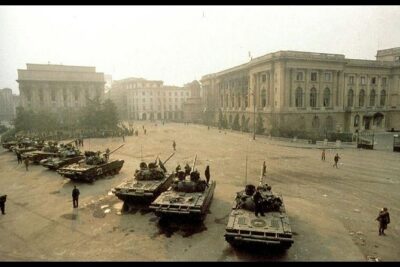 ★ 5.0The Real tour of CommunismFrom $32666 reviews
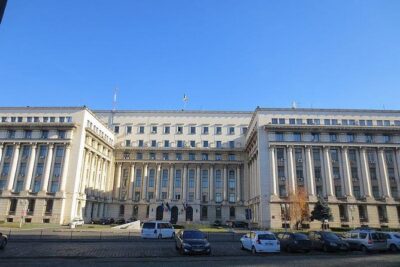 ★ 5.0Life under CommunismFrom $42358 reviews
 ★ 4.93-Hour Guided Tour of Communist BucharestFrom $29303 reviews
 ★ 5.0Bucharest Essential Tour: Old Town, Calea Victoriei & CommunismFrom $24142 reviews
 ★ 5.0Communism in Bucharest – Landmarks, Museum & Communist AppetizersFrom $48111 reviews
 ★ 4.9Bucharest: Relics of Communism 3-Hour Walking TourFrom $4477 reviews
 ★ 5.0Bucharest Under Communism: Life, Terror & HopeFrom $2376 reviews
 ★ 4.6Bucharest: Entry ticket at the Museum of CommunismFrom $957 reviews
Browse the lists this tour appears in